How Take Care of Betta Fish

Taking care of a betta fish is simpler than most people think, but it does require the right knowledge and consistent routine. This guide covers everything you need to know about betta fish care, from setting up the perfect tank and maintaining clean water to feeding the right diet and keeping your fish healthy. Whether you are a complete beginner or looking to improve your current setup, you will find practical tips and actionable advice inside.
Key Takeaways
- Proper Tank Size Matters: A minimum 5-gallon tank gives your betta room to thrive and reduces stress.
- Water Quality Is Critical: Regular water changes and proper filtration keep your betta healthy and happy.
- Feeding Requires Balance: Offer small amounts 1-2 times daily and avoid overfeeding to prevent health issues.
- Temperature Control Is Essential: Keep water between 76-82°F using a reliable aquarium heater.
- Watch for Warning Signs: Early detection of common diseases like fin rot and ich can save your fish’s life.
- Enrichment Improves Well-Being: Plants, caves, and gentle flow make your betta’s environment more natural and stimulating.
📑 Table of Contents
- How Take Care of Betta Fish: A Complete Beginner’s Guide
- Setting Up the Perfect Betta Tank
- Water Quality and Maintenance
- Feeding Your Betta Fish Properly
- Keeping Your Betta Healthy
- Creating a Happy and Stress-Free Environment
- Understanding Your Betta’s Behavior
- Common Mistakes to Avoid
- How Long Do Betta Fish Live With Proper Care?
- Conclusion
How Take Care of Betta Fish: A Complete Beginner’s Guide
Betta fish are some of the most beautiful and fascinating pets you can keep at home. Their vibrant colors and flowing fins make them stand out in any room. But here is the thing many people get wrong. Betta fish care is not as simple as dropping them into a small bowl and forgetting about them. These fish need proper conditions to stay healthy, colorful, and active. If you have ever wondered how to give your betta the best life possible, you are in the right place. This guide walks you through every important aspect of caring for your betta fish step by step.
When you learn the basics, taking care of a betta becomes second nature. You will understand what kind of tank they need, how to keep the water clean, what to feed them, and how to spot problems early. Proper betta fish care also means knowing their behavior and creating a low-stress environment. Let us dive into everything you need to know.
Setting Up the Perfect Betta Tank
The foundation of great betta fish care starts with the right tank setup. Many beginners make the mistake of keeping their betta in a tiny bowl. While bettas can survive in small spaces, they truly thrive when given room to swim and explore. A minimum 5-gallon tank is the sweet spot for a single betta fish. This size gives them enough space to stay active and maintain stable water conditions.
Why Tank Size Matters
Small tanks are harder to keep clean. Waste builds up quickly, and water parameters can swing wildly. A larger tank gives you more stability and makes maintenance easier. If you want the best results for how to take care of betta fish, go bigger than the bare minimum. A 10-gallon tank is even better and gives your betta plenty of room to roam.
Essential Equipment for Your Betta Tank
Every betta tank needs a few key pieces of equipment. Here is what you should have ready before bringing your fish home:
- Heater: Bettas are tropical fish and need warm water between 76 and 82 degrees Fahrenheit. An adjustable aquarium heater keeps the temperature steady.
- Filter: A gentle sponge filter helps keep the water clean without creating too much flow. Bettas prefer calm water since their long fins make them weak swimmers.
- Thermometer: A simple stick-on thermometer lets you monitor the water temperature daily.
- Water conditioner: This removes chlorine and chloramines from tap water, making it safe for your fish.
- Substrate: Fine gravel or sand works well. Avoid rough substrates that can damage your betta’s delicate fins.
Adding Decorations and Plants
Bettas love places to hide and explore. Add live or silk plants to create a natural feel. Live plants also help filter the water naturally. Avoid plastic plants with sharp edges because they can tear your betta’s fins. Caves, driftwood, and gentle decorations give your fish spots to rest and feel secure. A well-decorated tank reduces stress and brings out your betta’s natural colors.
Water Quality and Maintenance
Clean water is the single most important part of how to take care of a betta fish. Poor water quality leads to stress, disease, and a shortened lifespan. Your betta depends on you to keep its environment safe and comfortable.
Understanding the Nitrogen Cycle
Before adding your betta to a new tank, you need to cycle it first. Cycling means growing beneficial bacteria that break down harmful ammonia and nitrite. These toxins build up from fish waste and uneaten food. A fully cycled tank converts ammonia into nitrate, which is much less harmful. This process takes about 4 to 6 weeks. Never add your betta to an uncycled tank. It is one of the fastest ways to harm or kill your fish.
Water Change Schedule
Regular water changes are essential for maintaining clean water. Here is a simple routine to follow:
- Weekly partial water change: Replace 25 to 30 percent of the tank water every week. Use a gravel vacuum to remove debris from the substrate.
- Monthly larger water change: Replace 50 percent of the water once a month if your tank is well-filtered.
- Always treat new water: Add water conditioner to fresh water before pouring it into the tank. This neutralizes harmful chemicals.
- Match the temperature: Make sure replacement water is close to the tank temperature to avoid shocking your betta.
If you want more detailed guidance on maintaining clean water, check out our guide on how to take care of betta fish water for expert tips and best practices.
Testing Water Parameters
Invest in a simple liquid test kit to check your water regularly. You want to keep ammonia and nitrite at zero. Nitrate should stay below 20 parts per million. Testing weekly helps you catch problems before they become serious. Stable water parameters are the secret to a long and healthy betta fish life.
Feeding Your Betta Fish Properly
Feeding is one of the most important parts of betta fish care, and it is also where many owners make mistakes. Bettas are carnivores by nature. They need a protein-rich diet to stay healthy and maintain their brilliant colors.
What to Feed Your Betta
A high-quality betta pellet should be the staple of your fish’s diet. Look for pellets with fish meal as the first ingredient and avoid those filled with fillers like corn or wheat. You can also offer variety with these foods:
- Frozen or live brine shrimp: A great treat that boosts energy and color.
- Bloodworms: Nutritious and highly appetizing, but feed sparingly since they are high in fat.
- Daphnia: Excellent for digestion and makes a good occasional meal.
- Flake food: Acceptable in a pinch, but bettas often ignore flakes compared to pellets.
Feeding Schedule and Portions
Feed your betta 2 to 3 pellets or a small pinch of food twice a day. Some owners skip one feeding day per week to help digestion. Here are a few feeding tips to keep in mind:
- Remove any uneaten food within 5 minutes to keep the water clean.
- Do not overfeed. Excess food rots quickly and pollutes the water.
- Vary the diet to provide balanced nutrition.
- Watch your betta’s belly. It should be slightly rounded, not bloated or sunken.
Overfeeding is one of the most common causes of health problems in bettas. A bloated belly can lead to constipation and swim bladder issues. When in doubt, feed a little less rather than a little more.
Keeping Your Betta Healthy
Even with the best care, bettas can sometimes get sick. Knowing the signs of common illnesses helps you act fast and save your fish. Prevention is always better than treatment, but early detection makes a huge difference.
Common Betta Fish Diseases
Here are the most common health issues bettas face and what to look for:
- Fin rot: Frayed or discolored fins that seem to be melting away. Caused by poor water quality or bacterial infection.
- Ich (white spot disease): Small white spots on the body and fins. Often triggered by sudden temperature drops.
- Swim bladder disease: Your betta swims sideways or struggles to stay upright. Usually caused by overfeeding or constipation.
- Fungal infections: White cotton-like growths on the body or fins.
- Columnaris: White or gray patches on the skin and mouth. This bacterial infection spreads quickly in poor water conditions.
Prevention Tips
The best way to keep your betta healthy is through good husbandry. Maintain clean water, feed a balanced diet, and keep the temperature stable. Avoid overcrowding the tank and quarantine any new fish before adding them. Stress weakens the immune system, so a calm environment goes a long way.
If your betta does get sick, act quickly. Research the symptoms and start treatment early. For detailed advice on treating sick fish, read our article on how to care for sick betta fish to learn effective treatment methods.
When to See a Vet
If your betta stops eating, shows severe discoloration, or has open sores, it is time to seek professional help. Fish veterinarians and experienced aquarium hobbyists can offer advice beyond basic care. Do not wait too long because many fish diseases progress rapidly.
Creating a Happy and Stress-Free Environment
A happy betta is a healthy betta. Stress is one of the biggest killers of pet fish, and understanding how to minimize it will dramatically improve your betta’s quality of life.
Tank Placement Matters
Place your betta tank in a quiet area away from direct sunlight and drafts. Direct sun causes algae blooms and temperature swings. Drafts from windows or doors can lower the water temperature below safe levels. A stable environment helps your betta feel secure and reduces stress.
Tank Mates and Companions
Bettas are often kept alone, and for good reason. Male bettas are aggressive toward other bettas and many colorful fish. However, some peaceful species can coexist in a community tank. Good options include:
- Corydoras catfish
- Neon tetras (in a large enough tank)
- Mystery snails
- Ghost shrimp
- Kuhli loaches
Always monitor tank mates closely. If you see fin nipping or chasing, separate the fish immediately. Not every betta enjoys company, and that is perfectly okay.
Enrichment and Stimulation
Bettas are curious creatures that benefit from mental stimulation. You can add a betta hammock near the water surface for resting. Gently moving plants or a slow filter current gives them something to explore. Some bettas even learn to recognize their owners and swim to the front of the tank when it is feeding time.
Understanding Your Betta’s Behavior
Watching your betta’s behavior tells you a lot about how it is feeling. A healthy betta is active, curious, and has bright, vivid colors. It builds bubble nests at the surface, which is a sign of a happy and comfortable male betta. Here are some common behaviors and what they mean:
- Flaring: Your betta spreads its fins to appear larger. Occasional flaring is normal, but constant flaring means stress or perceived threats.
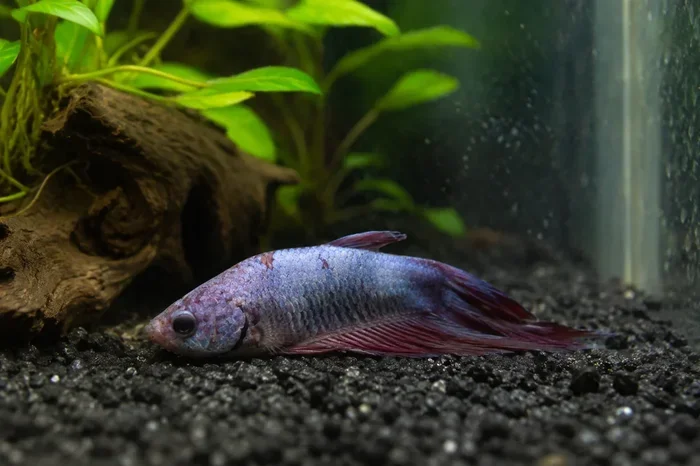
- Lethargy: Hiding at the bottom or not moving much can signal illness or poor water conditions.
- Loss of color: A dull or faded appearance often means stress or disease.
- Bubble nest building: A great sign that your betta feels safe and comfortable in its environment.
- Flashing or rubbing: Scratching against decorations can indicate parasites or irritation.
Learning to read your betta’s behavior helps you catch problems early and respond quickly. The more time you spend observing your fish, the better you will understand its needs.
Common Mistakes to Avoid
Even well-meaning betta owners make mistakes. Here are the most common ones to watch out for:
- Keeping your betta in a tiny bowl: A bowl under 3 gallons is too small for long-term health. Upgrade to at least a 5-gallon tank.
- Skipping the tank cycle: Adding a betta to an uncycled tank exposes it to toxic ammonia and nitrite levels.
- Overfeeding: This leads to obesity, bloating, and dirty water. Feed small amounts and remove leftovers.
- Using cold water: Room temperature water is often too cool for bettas. Always use a heater.
- Ignoring water changes: Even with a filter, waste builds up over time. Regular water changes are non-negotiable.
- Using harsh decorations: Sharp plastic plants or rough gravel can tear delicate fins and cause infections.
Avoiding these mistakes puts you well ahead of most betta owners. Your fish will live a longer, happier life as a result.
How Long Do Betta Fish Live With Proper Care?
With excellent care, a betta fish can live between 3 and 5 years. Some well-cared-for bettas even reach 7 years. The key factors that determine lifespan include water quality, diet, temperature stability, and stress levels. By following the advice in this guide, you give your betta the best chance at a long and fulfilling life.
If you are curious about the expected lifespan and aging signs, learning how to tell the age of a betta fish can also help you understand what stage of life your fish is in and adjust care accordingly.
Conclusion
Taking care of a betta fish is a rewarding experience that anyone can enjoy. The secret is giving your fish the right environment, clean water, proper nutrition, and a stress-free home. Start with a properly sized tank, cycle it before adding your betta, and stick to a consistent maintenance routine. Feed a balanced diet, watch for signs of illness, and pay attention to your fish’s behavior. These simple steps create the foundation for a healthy, happy betta that will bring you joy for years to come.
Remember, every betta is unique. Some are bold and curious, while others are shy and reserved. Learning your individual fish’s personality makes the experience even more rewarding. Start applying these tips today and watch your betta thrive in its new home.
Frequently Asked Questions
How often should I change my betta fish water?
Perform a 25 to 30 percent water change every week. This removes built-up waste and keeps nitrate levels low. Always treat replacement water with a water conditioner before adding it to the tank.
Can betta fish live in a bowl without a filter?
Technically yes, but a bowl without a filter is not ideal. Bettas need clean, well-oxygenated water to thrive. A small sponge filter in a 5-gallon tank is the minimum recommended setup for long-term health.
What is the best water temperature for betta fish?
Keep the water between 76 and 82 degrees Fahrenheit. Use an adjustable aquarium heater and a thermometer to maintain a stable temperature. Sudden temperature drops can stress your betta and trigger diseases like ich.
How can I tell if my betta fish is stressed?
Signs of stress include faded colors, lethargy, hiding constantly, loss of appetite, and excessive flaring. Poor water quality, aggressive tank mates, or an uncycled tank are common causes. Address the root problem and your betta should recover.
What should I feed my betta fish?
A high-quality betta pellet should be the main food. Supplement with frozen or live brine shrimp, bloodworms, and daphnia for variety. Feed small amounts twice a day and remove any uneaten food within five minutes to keep the water clean.
Why is my betta fish not eating?
A loss of appetite can signal stress, illness, or poor water quality. Check your water parameters first. If the water is clean and the temperature is stable, your betta may simply be bored with its current food. Try offering a different food like frozen brine shrimp to spark its appetite.