Can Betta Fish Be in Tank with Other Fish
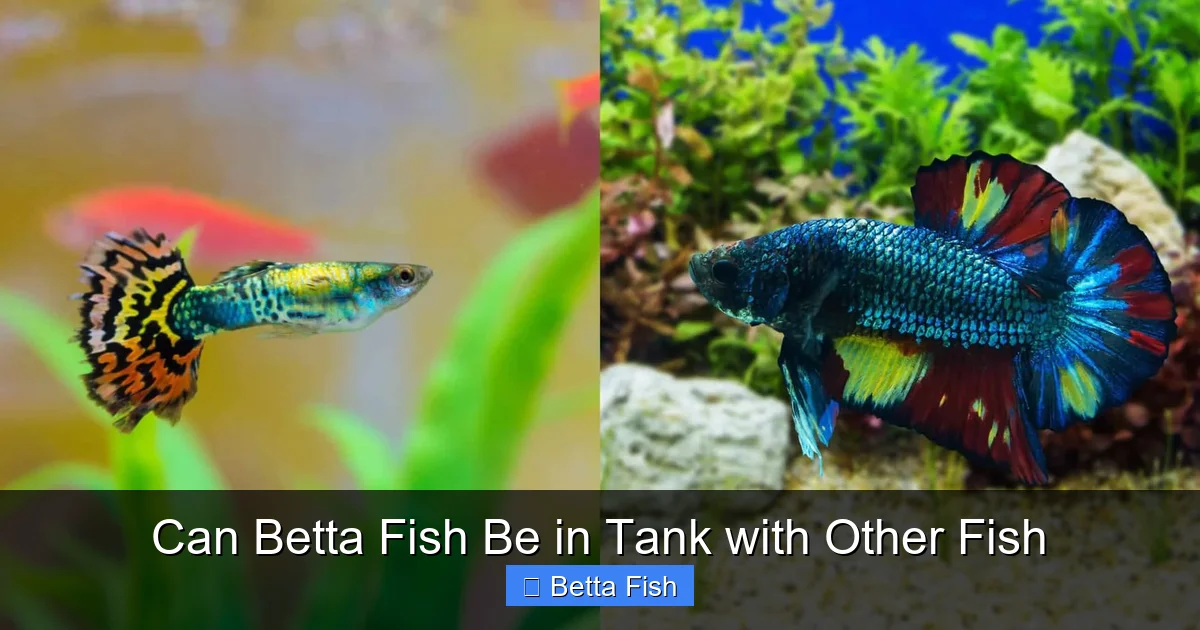
Betta fish can live with other fish, but success depends on tank size, temperament, and careful selection of compatible mates. Choose peaceful, fast‑swimming species, provide plenty of hiding spots, and monitor behavior closely to keep your community tank harmonious.
Key Takeaways
- Tank size matters: A minimum of 20 gallons gives bettas room to establish territory.
- Choose calm, non‑aggressive mates: Small tetras, rasboras, and dwarf gouramis are usually safe.
- Provide hiding places: Plants, caves, and driftwood reduce stress for all fish.
- Male bettas are the toughest: They are most likely to flare at similar‑looking fish.
- Monitor daily: Early signs of fin nipping or stress should trigger immediate action.
- Snails and shrimp can help: They clean the tank and are often ignored by bettas.
- Never force a community: If aggression appears, be ready to separate the betta.
📑 Table of Contents
Introduction: The Betta’s Reputation
Betta fish, also called Siamese fighting fish, have a reputation for being solitary fighters. Their vivid fins and bold personalities make them popular, but many beginners wonder if they can share a home with other fish. The short answer is “yes, with the right conditions.” This article walks you through everything you need to know—tank size, compatible species, setup tips, and red‑flag behaviors—so you can decide confidently.
We’ll keep the tone friendly, like a chat over coffee, and break down the science into easy steps. By the end, you’ll know exactly how to create a peaceful community tank that keeps both your betta and its tank mates happy.
1. Understanding Betta Behavior
1.1 Why Betta Males Flare
Male bettas are naturally territorial. In the wild they guard shallow rice paddies and will flare at any intruder that looks like a rival. The bright colors and large fins are signals of strength. In a small aquarium, this instinct can turn into aggression toward other fish that are similar in size or color.
1.2 Female Betta Temperament
Females are generally less aggressive, but they can still defend a space they consider theirs. When kept in groups, females often establish a hierarchy, similar to guppies or tetras.
1.3 The Role of Environment
A cramped tank feels like a boxing ring. Providing plenty of visual barriers—plants, rocks, and decorations—breaks up sight lines and reduces the chance of a flare.
2. Choosing the Right Tank Size
2.1 Minimum Volume
Experts agree that a 5‑gallon tank is the absolute minimum for a single betta, but when adding companions, aim for at least 20 gallons. This extra space gives each fish a personal zone and dilutes territorial cues.
2.2 Shaping the Space
Long, rectangular tanks are better than tall, narrow ones. A longer layout spreads out the fish horizontally, allowing the betta to claim a corner without feeling boxed in.
3. Ideal Tank Mates for Betta Fish
Not every fish can coexist with a betta. Below are groups that have proven compatible in many community setups.
3.1 Small, Fast‑Swimming Tetras
- Neon Tetras
- Ember Tetras
- Black Skirt Tetras
These species stay near the top or middle of the water column and are quick enough to avoid a betta’s occasional nip.
3.2 Rasboras and Harlequin Rasboras
Rasboras are peaceful, schooling fish that occupy the mid‑level. Their calm demeanor and similar water requirements make them a solid choice.
3.3 Dwarf Gouramis
Despite being gouramis, the dwarf variety is small and generally gets along with bettas when the tank is spacious. They share similar temperature needs.
3.4 Bottom Dwellers
Corydoras catfish, small loaches, and kuhli loaches stay near the substrate, out of the betta’s usual line of sight. They also help clean leftover food.
3.5 Invertebrates: Snails and Shrimp
Snails and shrimp are excellent cleaners and are usually ignored by bettas. For more on snails, see Can Snails Be In A Tank With Betta Fish. Shrimp such as ghost shrimp add activity without crowding the tank.
3.6 What to Avoid
- Fin‑nipping species (e.g., tiger barbs)
- Long‑finned fish that resemble a betta (e.g., fancy guppies)
- Other male bettas unless you have a very large, heavily planted tank
4. Setting Up a Betta Community Tank
4.1 Filtration and Water Quality
Betta fish thrive in warm, soft water (78‑82°F, pH 6.5‑7.5). A gentle sponge filter or low‑flow hang‑on filter keeps the water clear without creating strong currents that stress the betta’s delicate fins.
4.2 Decorating for Peace
Live plants like Java fern, Anubias, and mosses create natural barriers. If live plants are not an option, use silk plants and smooth rocks. Aim for at least three distinct hiding spots per species.
4.3 Lighting and Day‑Night Cycle
Provide 8‑10 hours of light daily. Dim the lights in the evening to mimic a natural dusk, which helps reduce stress.
4.4 Introducing New Fish
Quarantine new arrivals for two weeks to prevent disease. When adding them to the betta’s tank, use a “drift method”: place the new fish in a bag within the tank for 15‑20 minutes to equalize temperature, then gently release.
4.5 Monitoring Behavior
Watch for signs of stress: faded colors, clamped fins, or constant hiding. Aggressive bettas will flare, puff their gills, and chase. If you see repeated attacks, be ready to move the betta to a separate tank.
5. Common Questions Answered
5.1 Can a male betta live with other fish?
Yes, but only in a well‑planted, spacious tank with non‑aggressive, fast‑swimming companions. Male bettas are the most territorial, so extra caution is needed.
5.2 Can two bettas share a tank?
Two male bettas should never be housed together. Two females or a mixed pair can coexist in a large, heavily planted tank, but it requires careful monitoring. For details, read Can Two Male Betta Fish Be In The Same Tank.
5.3 What about other betta species?
Wild‑type or “crowntail” bettas are generally more aggressive than “fancy” varieties. If you want multiple bettas, consider a divided tank or a large community setup with at least 30 gallons.
5.4 Are snails safe with bettas?
Most snails are ignored by bettas. However, very active snails may trigger curiosity. See the full guide at What Can Be In A Tank With Betta Fish for a complete list.
5.5 How often should I feed a community tank?
Feed small amounts 2‑3 times daily, ensuring all fish get food within a few minutes. Use sinking pellets for bottom dwellers and floating flakes for bettas and surface swimmers.
Conclusion: A Happy Betta and Community
Putting a betta fish in a tank with other fish is entirely possible when you respect its territorial nature, provide ample space, and choose compatible mates. Think of the tank as a small neighborhood: each resident needs its own house (hiding spot) and enough street space (water volume) to move around.
Start with a 20‑gallon, well‑planted aquarium, pick peaceful species like neon tetras or dwarf gouramis, and keep a close eye on interactions for the first two weeks. With patience and the right setup, you’ll enjoy a vibrant, lively tank where your betta’s colors shine alongside a school of friendly tank mates.
Frequently Asked Questions
Can betta fish be in a tank with other fish?
Yes, bettas can share a tank with other fish if the tank is large enough, well‑planted, and the chosen mates are peaceful and fast‑swimming.
What fish are safest to keep with a betta?
Small tetras, rasboras, dwarf gouramis, and bottom dwellers like Corydoras are among the safest options.
Do bettas get along with snails?
Most snails are ignored by bettas and can help clean the tank. For more details, see our article on snails and bettas.
How do I know if my betta is stressed?
Signs include faded colors, clamped fins, constant hiding, or frequent flaring. Reduce stress by adding plants and checking water parameters.
Can I keep two male bettas together?
Two male bettas should never be housed together in the same space; they will fight aggressively.
What should I do if aggression occurs?
Immediately separate the aggressive betta into its own tank to prevent injury, then reassess tank size, décor, and species selection.