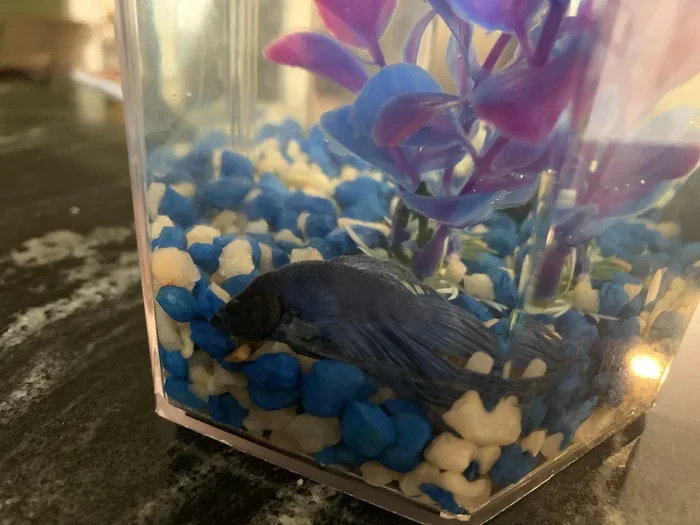
How Much Heat Do Betta Fish Need
Betta fish need a steady water temperature between 78°F and 80°F to thrive. This guide covers exactly how much heat do betta fish need, including the best heater options, warning signs of temperature stress, and simple tips to keep the water stable. A proper heater is not optional—it is essential for your betta’s health and long life.
Betta fish are beautiful, lively creatures that thrive in warm water. If you’ve ever wondered how much heat do betta fish need, you’re in the right place. These tropical fish come from warm climates and need a steady temperature to stay healthy. A heater isn’t just a luxury—it’s a necessity. In this guide, I’ll walk you through everything you need to know about betta fish heat, from the ideal temperature to choosing the right heater. You’ll also learn how to spot temperature trouble and avoid common mistakes. Let’s dive in and make sure your betta stays cozy and happy.
Key Takeaways
- Ideal Range: Keep your betta’s water between 78°F and 80°F for optimal health.
- Heater Is Essential: Even in warm rooms, a heater prevents dangerous temperature drops.
- Watch for Clues: Lethargy, clamped fins, and loss of appetite signal temperature problems.
- Match Heater to Tank Size: Use 5 watts per gallon for consistent warmth.
- Stability Matters: Avoid sudden swings; a thermostat helps maintain a steady temperature.
- Baby Bettas Need Extra Care: Young fish in small tanks cool down fast and need reliable heating.
📑 Table of Contents
Why Heat Matters for Betta Fish
Betta fish are tropical creatures. In the wild, they live in warm, slow-moving waters in Southeast Asia. Their bodies are built for warmth. When the water gets too cool, their metabolism slows down. This can lead to serious health problems.
The Tropical Origins of Betta Fish
Understanding where bettas come from helps you see why heat is so important. They evolved in warm, humid environments with temperatures rarely dropping below 75°F. In an aquarium, you must recreate that stable warmth. Without it, your betta’s immune system weakens. A strong immune system is the first line of defense against disease.
Room temperature is not enough. Most homes stay around 68°F to 72°F, which is too cold for bettas. Even if the room feels comfortable to you, your fish feels the chill. That’s why a dedicated aquarium heater is a must-have piece of essential betta tank equipment. You can learn more about what belongs in a betta setup by checking this guide on what all do you need for a betta fish tank.
How Temperature Affects Betta Health
Warm water holds less oxygen, but bettas are labyrinth fish. They can breathe air from the surface, so this isn’t a big issue. What matters is that warmth keeps their digestion and immune function working properly. In the right temperature range, your betta will be active, eat well, and show off its flowing fins.
When the water is too cold, the opposite happens. Food moves slowly through the gut. Bacteria and parasites can take hold more easily. A betta that is constantly cold will become stressed. Stress leads to illness, and illness shortens life. Keeping the heat steady is one of the simplest ways to add years to your betta’s life.
How Much Heat Do Betta Fish Need: The Ideal Temperature Range
The sweet spot for most betta fish is between 78°F and 80°F. This range supports healthy digestion, strong immunity, and natural behavior. Some breeders and experts stretch the range slightly to 76°F to 82°F, but 78°F to 80°F is the gold standard. If you want your betta to live a long, vibrant life, aim for that middle zone.
The Sweet Spot: 78°F to 80°F
At 78°F to 80°F, your betta’s body works at peak efficiency. The fish can swim actively, process food quickly, and fight off infections. This temperature also encourages natural coloration and fin display. If you notice your betta looking dull or sluggish, the first thing to check is the water temperature.
Use a reliable aquarium thermometer to monitor the water. Glass thermometers with mercury or digital probes both work well. Place the thermometer near the heater but away from direct heater contact for an accurate reading. Check the temperature daily, especially when you first set up the tank.
What Happens If the Water Is Too Cold
Water below 75°F is dangerous for bettas. At these temperatures, the fish become lethargic. You might see your betta hovering near the bottom or resting on the substrate. The immune system weakens, making the fish vulnerable to common illnesses like fin rot and ich. In severe cases, cold shock can be fatal.
Even a slow drop over a few days can cause stress. Bettas are sensitive to change. A sudden cold snap from an open window or an air conditioning vent can be just as harmful. Always place the tank away from drafts and direct sunlight that causes temperature swings.
Can the Water Be Too Warm?
Yes, water above 82°F can also cause problems. Warm water holds less dissolved oxygen, which can make your betta gasp at the surface. High temperatures also increase the metabolic rate, which shortens the lifespan of your fish. If your room gets very hot in summer, you may need a fan or an aquarium chiller to keep the temperature in check.
Choosing the Right Heater for Your Betta Tank
Not all heaters are the same. Picking the right one ensures your betta stays in the ideal range without guessing. The size of your tank and the room temperature both matter when you decide on a heater.
Types of Aquarium Heaters
There are several common types of heaters for betta tanks. Submersible heaters sit fully underwater and are the most popular. They attach to the back of the tank with suction cups. Hang-on-back heaters hang on the rim, but they are less common for small betta setups because they can be less precise.
For a betta tank, a submersible heater with an adjustable thermostat is the best choice. You can set it to your desired temperature and trust it to maintain that setting. Some heaters come with a built-in thermostat that turns the heat on and off automatically. These are simple and safe for beginners.
How Many Watts Do You Need?
A general rule is 5 watts per gallon of water. For a 5-gallon betta tank, a 25-watt heater works well. For a 10-gallon tank, look for a 50-watt heater. If your room is very cool, you might bump up to 3 to 5 watts per gallon to compensate.
Small tanks heat up and cool down faster than large ones. That’s why baby betta fish heaters are so important. A young betta in a tiny bowl or nursery tank needs a small, adjustable heater to keep the water stable. Never use a heater that is too powerful for the tank, as it can create hot spots.
Where to Place the Heater
Position the heater near the filter outflow or in a corner where water circulates. This helps spread the warmth evenly. Avoid placing it behind decorations or deep in the substrate, where the heat can’t spread. Keep the thermostat probe away from the heater’s own heat source for accurate readings.
Signs Your Betta Is Too Cold or Too Hot
Betta fish can’t tell you when they’re uncomfortable. They show it through behavior and physical changes. Learning to read these signs helps you catch temperature problems early.
Behavioral Clues
A betta that is too cold will often stay near the bottom of the tank. It may move slowly or refuse food. You might notice the fins clamped close to the body. In contrast, a betta that is too hot may breathe rapidly at the surface. It might become restless and swim erratically.
If your betta suddenly hides more than usual or stops interacting, check the temperature first. Temperature stress is one of the most common causes of behavioral changes in bettas. Catching it early can prevent a trip to the vet.
Physical Symptoms
Physical signs of temperature trouble include faded colors, loss of appetite, and clamped fins. In cold water, the betta’s body tries to conserve energy. The colors may dull and the fins may fold. In hot water, the fish may appear pale and gasp at the surface.
Sometimes the symptoms overlap with other illnesses. That’s why a temperature check should always be your first step. If you rule out temperature, you can then look into other causes like water quality or disease.
Common Mistakes with Betta Fish Heating
Even experienced fish keepers can make heating mistakes. Avoiding these common errors keeps your betta safe and comfortable.
Relying on Room Temperature Alone
Many beginners think that if the room feels warm, the tank is fine. Room temperature rarely stays consistent. Day and night cycles, air conditioning, and seasonal changes all cause fluctuations. A heater provides a constant baseline that a room cannot guarantee.
If you keep your betta in a bowl, you might wonder whether a betta fish bowl needs a heater. The answer is almost always yes. Bowls have very little water volume, which means the temperature can swing wildly in just a few hours. A small heater or a heater mat designed for bowls can make a big difference.
Using the Wrong Heater Size
A heater that is too weak will struggle to warm the water. A heater that is too strong can overheat a small tank. Always match the wattage to the tank size. If you have a 3-gallon tank, a 10-watt heater is appropriate. For a 20-gallon tank, you’d need 100 watts or more.
Another mistake is buying a heater with a fixed temperature setting. Adjustable heaters let you dial in the exact temperature you need. This is especially important if you keep your home cooler in winter or warmer in summer.
Ignoring Temperature Swings
Consistency is just as important as the number on the thermometer. A temperature swing of more than 2°F in a day can stress your betta. This often happens when the heater is placed near a drafty window or a cold wall. Use a thermometer to check the water at the same time each day. If you see big swings, move the tank or adjust the heater placement.
How to Maintain Stable Heat in Your Betta Tank
Once you have the right heater, keeping the temperature stable is the next step. Small habits make a big difference over time.
Use a Thermostat and Thermometer Combo
Many modern heaters have built-in thermostats, but a separate thermometer gives you a second opinion. Place the thermometer on the opposite side of the tank from the heater. This tells you if the heat is reaching all areas evenly. If one side is warm and the other is cool, adjust the heater position or add a small sponge filter to circulate the water.
Avoid Sudden Changes
Never place the tank near a window with direct sunlight, a heating vent, or a drafty door. Sunlight can heat the water unevenly and promote algae growth. A heater works best in a stable room environment. If you need to move the tank, do it slowly and monitor the temperature closely during the transition.
Quick Tips for Steady Heat
- Check the temperature every morning.
- Use a heater with a protective guard to prevent burns.
- Insulate the tank with a foam board on the outside if the room is very cold.
- Do a partial water change with water that matches the tank temperature.
- Keep the heater cord away from sharp edges to prevent damage.
These simple steps take just a few minutes a day but protect your betta from temperature stress. A stable, warm environment is the foundation of a healthy, colorful fish.
Conclusion
Keeping your betta fish warm and comfortable is one of the most important parts of fish keeping. You now know exactly how much heat do betta fish need: a steady temperature between 78°F and 80°F, maintained by a properly sized heater. Watch for signs of temperature trouble, avoid common mistakes, and make stability a priority. With the right setup, your betta will thrive for years to come. Take action today, adjust your heater, and enjoy watching your betta swim happily in its perfectly warm home.
Frequently Asked Questions
What happens if the water is too cold for a betta fish?
Cold water slows down a betta’s metabolism and weakens its immune system. The fish may become lethargic, stop eating, and develop diseases like fin rot or ich. Prolonged exposure to temperatures below 75°F can be fatal.
Can I use a room heater to warm my betta’s tank?
No, a room heater does not provide the consistent, precise warmth a betta needs. Aquarium heaters are designed to sit in the water and maintain a steady temperature. They are safe and reliable for your fish.
Do betta fish need a heater at night?
Yes, betta fish need heat 24 hours a day. The temperature can drop during the night, especially in cooler rooms. A good heater with a thermostat will maintain the set temperature around the clock.
How can I tell if my betta’s heater is working?
Use an aquarium thermometer to check the water temperature daily. If the temperature stays within the 78°F to 80°F range and your betta is active and eating well, the heater is working properly.
Is a 5-gallon tank too small for a betta heater?
A 5-gallon tank is actually ideal for a betta and works perfectly with a 25-watt submersible heater. Small tanks heat up quickly, but they also cool down fast, so a reliable heater is even more important.
Can I keep a betta in a bowl without a heater?
It’s not recommended. Bowls have very little water volume, and the temperature can change rapidly. If you keep your betta in a bowl, you should use a small bowl heater or a heater mat to maintain a stable warmth.