How to Treat Depressed Betta Fish

Depressed betta fish show clear warning signs like lethargy, loss of appetite, and hiding. Treating a depressed betta fish involves improving tank conditions, adding enrichment, and addressing underlying health issues. With the right care and environment, you can help your betta fish feel happy and healthy again.
Have you noticed your betta fish sitting at the bottom of the tank, barely moving? It might be more than just a lazy day. Depressed betta fish show real, observable changes in behavior, and the good news is that you can help. In this guide, we walk you through everything you need to know about identifying, treating, and preventing depression in your betta. Whether your fish has lost its sparkle or stopped eating, you will find practical steps to bring back its energy and joy.
Betta fish are intelligent and curious creatures. They respond to their environment, and when something is off, they tell us through their behavior. Unfortunately, many fish owners miss the early warning signs. By the time a betta looks really unwell, the problem may have been building for days or even weeks. Learning to read your fish’s body language is the first step toward effective treatment.
Key Takeaways
- Spot the signs early: Lethargy, color fading, and appetite loss are key indicators of a depressed betta fish.
- Tank environment matters: A clean, properly sized tank with the right temperature reduces stress and promotes well-being.
- Enrichment is essential: Plants, caves, and gentle stimulation keep your betta mentally engaged and active.
- Diet plays a role: A varied, high-quality diet supports both physical and emotional health in betta fish.
- Know when to get help: Persistent symptoms may require veterinary attention or treatment for underlying conditions.
- Prevention is simple: Consistent care, proper tank setup, and regular observation go a long way in keeping your betta happy.
📑 Table of Contents
How to Spot a Depressed Betta Fish
Recognizing depression in a betta fish is not as hard as it sounds. These fish have distinct personalities, and when they feel low, their behavior shifts noticeably. Here are the most common signs to watch for.
Lethargy and Low Energy
A healthy betta fish is active and curious. It swims around the tank, explores corners, and responds when you approach the glass. A depressed betta fish often stays in one spot for long periods. It may hover near the bottom or float listlessly at the surface. If your fish barely moves, that is a red flag.
Loss of Appetite
Betta fish are eager eaters. If your fish ignores food or spits it out repeatedly, something is wrong. Appetite loss is one of the strongest signals that your betta is not feeling well. It could be physical illness or emotional distress, but either way, it needs attention.
Faded or Dull Color
Bright, vibrant color is a sign of a healthy betta. When a fish becomes depressed, its colors often fade. You might notice white patches or a general washout look. This color change happens because stress hormones affect the fish’s pigment cells.
Hiding and Isolation
Some bettas like to hide behind plants, and that is normal. But a depressed betta fish may hide constantly and refuse to come out, even during feeding time. If your fish retreats to corners or stays behind decorations all day, it could be feeling overwhelmed or sad.
Clamped Fins
When a betta holds its fins close to its body instead of spreading them out, this is called clamping. Clamped fins signal discomfort, stress, or depression. It is a subtle but important sign that experienced fish keepers learn to spot quickly.
Common Causes of Depression in Betta Fish
Understanding why your betta fish is depressed is just as important as knowing how to treat it. Several common factors can trigger depressive behavior in bettas. Let us break them down.
Small or Empty Tank
Many people keep bettas in tiny bowls with no decoration. While bettas can survive in small spaces, they thrive in larger, enriched environments. A bare bowl with nothing to explore leads to boredom and loneliness. If your tank is under five gallons and has no plants or hiding spots, your fish may be suffering.
Poor Water Quality
Dirty water is one of the biggest stressors for any fish. Ammonia and nitrite buildup irritates the gills and skin. Even if the water looks clear, harmful chemicals can be present. Betta fish water quality should always be a top priority. Test your water regularly and perform partial water changes weekly.
Wrong Water Temperature
Betta fish are tropical creatures. They need warm water between 76 and 82 degrees Fahrenheit. Cold water slows their metabolism and makes them sluggish. If your tank is too cool, your fish may become lethargic and depressed. How to warm a betta fish bowl is a common concern, and using a small heater designed for aquariums makes a big difference.
Lack of Stimulation
In the wild, bettas explore dense vegetation and interact with their surroundings. In a plain tank, there is nothing to do. Without mental stimulation, bettas can become bored and depressed. Adding plants, caves, and gentle objects gives them something to investigate and interact with.
Loneliness
Some people believe bettas should live alone, and that is mostly true. But total isolation can affect some fish negatively. If your betta seems to long for company, you might consider adding peaceful tank mates. Just be careful, as not all species work well with bettas. Research compatibility before adding any new fish.
Sudden Changes or Stress
Moving a betta to a new tank, a loud room, or placing the tank in direct sunlight can cause stress. How to treat a stressed betta fish shares many overlap strategies with treating depression. Reducing sudden changes and keeping the environment stable helps your fish feel safe.
How to Treat a Depressed Betta Fish
Once you have identified the signs and possible causes, it is time to take action. Treating a depressed betta fish requires a multi-step approach. Here is what works.
Step 1: Test and Improve Water Conditions
Start with the basics. Test your water for ammonia, nitrite, nitrate, and pH. Ammonia and nitrite should always be at zero. Nitrates should stay below 20 ppm. If your water is off, do a 25 to 30 percent water change immediately. Use a tap water conditioner for betta fish to remove chlorine and chloramine. Clean water alone can dramatically improve your fish’s mood and energy within days.
Step 2: Adjust the Temperature
Check your tank thermometer. If the temperature is below 76 degrees Fahrenheit, your fish is likely too cold. Add a small aquarium heater and set it to around 78 degrees. Stable warmth helps your betta’s body function properly and supports its immune system. A betta fish tank warmer can be a simple but powerful tool.
Step 3: Add Tank Enrichment
Make your tank more interesting. Add live or silk plants, caves, and gentle decorations. Bettas love to explore and rest among plants. Avoid sharp plastic plants that can tear their fins. A well-decorated tank gives your fish places to hide, explore, and feel secure.
Step 4: Offer a Varied Diet
Feeding the same flakes every day can lead to nutritional gaps and boredom. Offer a mix of high-quality pellets, frozen or live brine shrimp, and bloodworms. Soak dry food before feeding to prevent bloating. A how to make betta fish food at home approach can also add variety and nutrition. Just make sure any homemade food is safe and free of harmful ingredients.
Step 5: Provide Gentle Interaction
Bettas are curious and can recognize their owners. Try sitting near the tank and talking softly. You can also place your finger on the glass and let your fish investigate. Some owners teach their bettas to follow their finger or eat from their hand. This gentle interaction provides mental stimulation and strengthens your bond with your fish.
Step 6: Consider Tank Mates Carefully
If your betta seems lonely, adding a compatible tank mate might help. Snails, like nerite snails, are peaceful and do not bother bettas. Some shrimp species also work well. Avoid flashy, long-finned fish that might trigger territorial behavior. Always introduce new tank mates slowly and monitor interactions closely.
Creating an Enriching Tank Environment for Your Betta
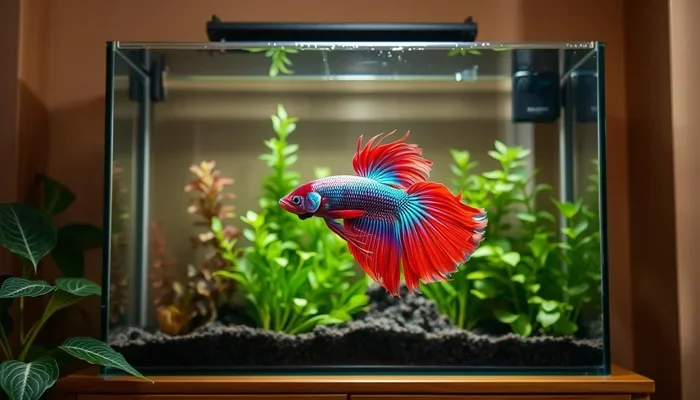
A great tank setup is the foundation of a happy betta fish. When you invest in the right environment, you prevent many problems before they start. Here is how to build a stimulating home for your fish.
Choose the Right Tank Size
A minimum of five gallons is recommended for a single betta. Larger tanks, like ten gallons, give your fish more room to swim and explore. A bigger water volume also stabilizes parameters, making it easier to maintain good betta fish water quality.
Add Live Plants
Live plants do more than look pretty. They absorb nitrates, produce oxygen, and create natural hiding spots. Easy beginner plants like Java fern, Anubias, and Amazon sword work well in betta tanks. If live plants are not an option, silk plants are a good alternative.
Include Hiding Spots
Betta fish feel safer when they have places to retreat. Caves, coconut shells, and dense plant clusters all serve as hiding spots. These give your fish a sense of security, which reduces stress and promotes natural behavior.
Keep the Tank Clean but Not Sterile
A clean tank is important, but a completely sterile environment can feel empty. Maintain a regular cleaning schedule, but leave some natural elements in place. A gentle filter that does not create strong currents is ideal, since bettas prefer calm water.
When to Seek Veterinary Help for Your Betta Fish
Most cases of betta fish depression improve with better tank conditions and enrichment. However, some symptoms may point to an underlying illness that needs medical attention. Do not hesitate to consult a fish veterinarian if you notice any of the following.
If your betta stops eating completely for more than three days, that is a serious concern. Weight loss and a visibly thin body are alarming signs. Fins that are rotting or falling off may indicate a fungal or bacterial infection. White spots on the body could signal how to treat ich on a betta fish, a common parasitic condition that causes distress.
Swollen abdomens and difficulty swimming may point to how to treat dropsy in betta fish or how to treat bloat in betta fish. These conditions require prompt treatment. If your fish shows signs of how to treat betta fish fin loss, such as ragged or disappearing fins, early intervention improves the chances of recovery. How to regrow betta fish fins is possible with proper care, but it starts with identifying the root cause.
Remember, many physical illnesses in betta fish look similar to depression in the early stages. If your fish does not improve after two weeks of environmental changes, a professional evaluation is worth the effort.
Preventing Depression in Your Betta Fish Long-Term
Prevention is always easier than treatment. Once your betta fish is feeling better, you want to keep it that way. Here are simple habits that make a lasting difference.
- Stick to a regular maintenance schedule. Test water weekly and do partial changes every seven to ten days.
- Observe your fish daily. A quick glance each morning helps you catch changes early. Look for energy levels, appetite, and color.
- Keep the environment stable. Avoid moving the tank to different rooms or changing the setup frequently. Bettas do best with routine.
- Rotate enrichment items. Move plants or decorations around occasionally to give your fish a fresh environment to explore.
- Feed a balanced diet. Mix pellet food with frozen or live treats two to three times a week.
- Learn about proper betta care. Resources like how to properly take care of betta fish and how to properly care for betta fish offer excellent guidance for long-term health.
Taking care of a betta fish is a rewarding experience. These little fish have big personalities, and when they are happy, it shows. A bright, active betta swimming around a beautifully planted tank is one of the most satisfying sights in the hobby. Your effort and attention make all the difference.
Final Thoughts
Treating a depressed betta fish comes down to paying attention and making thoughtful changes. Start with water quality, temperature, and tank setup. Add enrichment, variety in diet, and gentle interaction. Watch for signs of improvement over the next one to two weeks. Most bettas respond well to a better environment and show renewed energy and color.
If your fish does not improve, do not give up. Seek advice from experienced fish keepers or a veterinarian who specializes in aquatic animals. Every betta deserves a life that is not just surviving, but thriving. With the knowledge you have gained from this guide, you are well equipped to give your betta the care and happiness it deserves.
Frequently Asked Questions
How can I tell if my betta fish is depressed or just sick?
Depression and illness often share similar signs like lethargy and appetite loss. Look for environmental triggers first, such as a small tank, poor water quality, or lack of stimulation. If improving conditions does not help within two weeks, consider consulting a vet to rule out physical illness.
Can a betta fish die from depression?
While depression itself is not usually fatal, the stress it causes weakens the immune system. A weakened immune system makes your betta vulnerable to diseases like ich, fin rot, and bacterial infections. Treating depression early prevents these secondary health problems.
What tank size is best for preventing betta depression?
A minimum of five gallons is recommended, but ten gallons or larger is even better. A larger tank provides more swimming space and better water stability. It also allows you to add plants and decorations that keep your betta mentally stimulated.
How long does it take for a depressed betta fish to recover?
Most bettas show improvement within one to two weeks of environmental changes. Water quality improvements may produce results in just a few days. Full recovery depends on the cause and severity, so patience and consistent care are key.
Is it okay to keep my betta fish alone?
Yes, bettas are solitary fish and do not need tank mates to be happy. However, you should provide plenty of enrichment, plants, and hiding spots to keep them mentally engaged. Regular interaction with you also helps prevent loneliness and boredom.
What are the best tank mates for a betta fish?
Peaceful species like nerite snails, ghost shrimp, and certain small catfish work well with bettas. Avoid fish with bright colors or long fins, as these can trigger aggression. Always research compatibility and introduce new tank mates slowly to minimize stress.