How to Tell If Betta Fish Water Is Too Hot
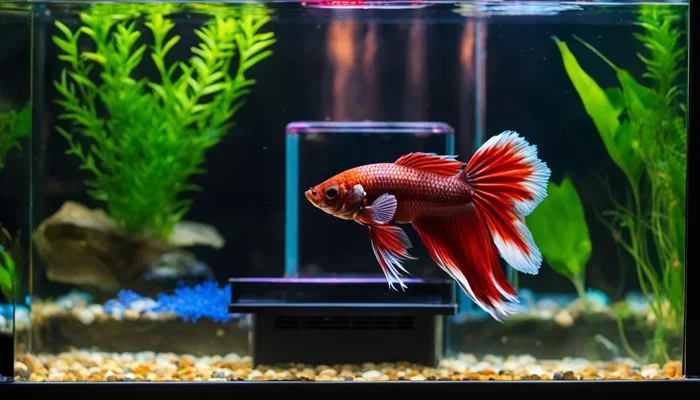
Betta fish thrive in water between 76°F and 80°F. When temperatures rise above 82°F, your fish can suffer from heat stress, oxygen deprivation, and even death. This guide shows you how to spot the warning signs of too-hot water, what to do immediately, and how to prevent it from happening again.
Your betta fish depends on you to keep its world safe. One of the biggest threats to betta health is something easy to overlook: water that is too hot. When the temperature in your betta tank climbs above the safe range, your fish can become stressed, sick, or worse. Many new fish owners don’t realize how sensitive bettas are to heat changes.
Knowing how to tell if betta fish water is too hot can mean the difference between a happy, healthy pet and a tragic loss. In this guide, we walk you through the signs, causes, and solutions step by step. You will learn what to look for, what to do right away, and how to keep your tank at the perfect temperature every single day.
Let us be honest, most people do not think about water temperature until something goes wrong. By the time a betta shows obvious symptoms, the damage may already be underway. That is why this article matters. We want to help you catch problems early and keep your betta thriving.
Key Takeaways
- Signs of too-hot water: Rapid gilling, lethargy, loss of appetite, and erratic swimming are clear indicators that your betta’s environment is too warm.
- Ideal temperature range: Keep betta water between 76°F and 80°F for optimal health and comfort.
- Immediate action matters: If you suspect hot water, test the temperature first, then cool it down gradually to avoid shocking your fish.
- Prevention is simple: Use a reliable aquarium thermometer, position the tank away from direct sunlight, and monitor room temperature.
- Long-term health link: Consistently hot water weakens your betta’s immune system, making it more vulnerable to disease and infection.
- Equipment helps: A good heater with a thermostat and a small fan can make temperature control much easier.
📑 Table of Contents
Why Water Temperature Matters for Betta Fish
Bettas are tropical fish. They come from warm, slow-moving waters in Southeast Asia. In the wild, they live in rice paddies, canals, and shallow ponds where the water stays consistently warm. Your job as a betta owner is to recreate that warm, stable environment in your home.
But warm does not mean hot. There is a fine line between the right temperature and dangerous heat. When water gets too warm, it holds less oxygen. Your betta needs dissolved oxygen to breathe, even though it has a special labyrinth organ that lets it gulp air from the surface. Hot water also speeds up your fish’s metabolism, which means it needs more food and oxygen but gets less of both.
Can water be too hot for betta fish? Absolutely. Even a few degrees above the ideal range can cause stress over time. And sudden temperature spikes are even more dangerous than gradual ones. Understanding this connection is the first step toward being a better fish parent.
The Ideal Temperature Range
Most experts agree that the best temperature for a betta tank is between 76°F and 80°F (24°C to 27°C). This range keeps your betta comfortable, active, and healthy. At this temperature, your fish can digest food properly, fight off infections, and display its beautiful colors.
If the water dips below 74°F, your betta may become sluggish and prone to illness. If it rises above 82°F, you start seeing the warning signs of heat stress. The sweet spot is right in the middle, around 78°F. Using a sick betta fish guide alongside temperature monitoring helps you catch problems early.
How to Tell If Betta Fish Water Is Too Hot
Spotting hot water early is your best defense. Bettas cannot tell you when the water feels wrong, but their behavior gives plenty of clues. Here are the most common signs that your betta’s water temperature is too high.
Rapid Gilling and Surface Breathing
One of the first signs of too-hot water is rapid gilling. If you notice your betta opening and closing its gills very quickly, it is trying to get more oxygen. Warm water holds less dissolved oxygen, so your fish works harder to breathe. You may also see your betta spending more time at the surface, gulping air more frequently than usual.
Some surface breathing is normal for bettas because of their labyrinth organ. But if the gulping looks frantic or constant, the water temperature is likely the culprit.
Lethargy and Unusual Stillness
A healthy betta is an active betta. It swims around its tank, explores, and interacts with its environment. When water gets too hot, bettas often become very lethargic. They may hang near the bottom of the tank or stay in one spot for long periods. This kind of inactivity is a red flag.
Compare this behavior to a happy betta fish, which is curious and energetic. A sudden shift from active to still is a strong signal that something is wrong with the water conditions.
Loss of Appetite
Bettas are generally eager eaters. If your fish suddenly refuses food or shows no interest in pellets or flakes, heat stress could be the reason. High temperatures increase metabolic demands but reduce the fish’s energy levels. The result is a fish that feels too uncomfortable to eat.
Skip feeding for a day or two and observe your betta. If it still refuses food even after the temperature is corrected, you may want to look into other causes. Check out our guide on how to tell if your betta fish is sick for additional symptoms to watch for.
Erratic Swimming and Twitching
Another alarming sign is erratic swimming. Your betta may dart around the tank, swim in circles, or twitch against the gravel. These behaviors often indicate that the water is physically uncomfortable. Heat stress can affect your fish’s nervous system, causing unusual movements that are easy to spot.
If you see this behavior, test the water temperature right away. Erratic swimming can also be a sign of other problems, but hot water is one of the most common causes.
Faded Colors and Clamped Fins
Healthy bettas display vibrant colors and spread their fins proudly. When the water is too hot, their colors may fade, and their fins may clamp close to their body. Clamped fins are a universal sign of stress in fish. Your betta is essentially telling you that it does not feel safe in its environment.
Over time, chronic heat exposure can weaken your betta’s immune system. This makes it more susceptible to diseases like fin rot, ich, and fungal infections. Keeping the temperature stable is one of the simplest ways to protect your fish’s long-term health.
What Causes Betta Tank Water to Get Too Hot
Understanding the causes helps you prevent the problem before it starts. Several common factors can push your betta tank temperature above the safe range.
Direct Sunlight on the Tank
Placing your betta tank near a window or in direct sunlight is one of the fastest ways to overheat the water. Even a few hours of direct sun can raise the temperature by several degrees. The sun’s rays heat the water unevenly, creating hot spots that are especially dangerous.
If your tank is near a window, consider moving it to a different location or use a curtain to block the direct light during peak sun hours.
Room Temperature and Seasonal Changes
The temperature of the room where your betta tank sits matters a lot. In the summer, rooms can get quite warm, especially in homes without air conditioning. Even in winter, a room near a heater or radiator can cause tank temperatures to climb.
Monitor your room temperature alongside your tank temperature. A small room thermometer placed near the tank gives you a good idea of the surrounding conditions.
Overpowered or Malfunctioning Heaters
Sometimes the heater itself is the problem. If you have a heater that is too powerful for your tank size, it can push the water well above the target temperature. Similarly, a broken thermostat on your heater can cause it to keep heating long after the water has reached the set temperature.
Always choose a heater rated for your specific tank size. For a standard 5-gallon betta tank, a 25-watt heater is usually sufficient. For larger tanks, you may need a stronger model, but make sure it has an adjustable thermostat.
Lack of Air Circulation
A tank with a lid tightly sealed and no air circulation can trap heat. Warm air sits on top of the water and transfers back into the tank, creating a greenhouse effect. Even small tanks can overheat quickly without proper ventilation.
If you use a tight-fitting lid for your betta tank, make sure there is some airflow. Small gaps or mesh lids can help heat escape while still keeping your fish safely inside.
How to Cool Down Overheated Betta Water
If you discover that your betta’s water is too hot, do not panic. The key is to cool the water down gradually. Sudden temperature drops can shock your fish just as much as high temperatures can. Here is what to do, step by step.
- Test the water temperature first. Use a reliable aquarium thermometer to confirm the reading. Do not guess.
- Turn off any heaters immediately. If your heater is still running, unplug it right away to stop adding heat.
- Move the tank away from heat sources. If the tank is near a window or heater, relocate it to a cooler spot in your home.
- Use a fan to blow across the water surface. This helps evaporate some water and cools the tank naturally. A small desktop fan works well for this purpose.
- Perform a partial water change with cooler water. Replace about 20% of the tank water with water that is a degree or two cooler than the tank. Do not add cold water directly, as this can cause a sudden temperature drop.
- Monitor the temperature closely. Check the thermometer every 15 to 30 minutes until the water returns to the safe range of 76°F to 80°F.
Once the temperature is back to normal, watch your betta carefully for the next few hours. Most bettas recover quickly from mild heat stress if the water is corrected in time. If your fish shows no improvement or seems to be getting worse, consult a veterinarian who specializes in fish health.
For more guidance on water changes, check out our article on how to do a water change for a betta fish.
Preventing Overheating in the Future
The best way to deal with hot water is to prevent it from happening in the first place. A few simple habits can keep your betta’s tank at a safe, stable temperature year round.
Invest in a Good Thermometer
A reliable thermometer is non-negotiable for any betta tank. Stick-on thermometers are affordable and easy to read. Digital thermometers offer more precision. Whatever type you choose, make it a habit to check the temperature at least once a day.
Use a Heater with a Thermostat
Even in warm climates, a heater with a built-in thermostat helps maintain a stable temperature. The thermostat turns the heater off when the water reaches the set point and turns it back on when the temperature drops. This prevents both overheating and temperature swings.
Look for heaters with adjustable temperature settings and automatic shut-off features. These small investments pay off big when it comes to keeping your betta safe.
Keep the Tank Away from Heat Sources
Place your betta tank in a location that stays at a comfortable room temperature. Avoid spots near radiators, heating vents, sunny windows, and electronics that generate heat. A spot on a desk or stand in a temperature-controlled room is ideal.
Do Regular Water Changes
Regular water changes help maintain stable temperature and water quality. Fresh water that matches the tank temperature keeps everything balanced. For most betta tanks, a 20% to 25% water change every week works well. Learn more about the right frequency in our guide on how many days to change water for betta fish.
Use a Small Fan or Air Pump
A small fan blowing gently across the water surface serves double duty. It cools the water slightly and increases oxygen exchange. An air pump with a gentle airstone also helps keep the water well-oxygenated, which becomes even more important in warmer conditions.
Common Mistakes to Avoid
Even experienced betta owners can make mistakes when it comes to temperature management. Here are some common errors to watch out for.
- Relying on room temperature alone. Most homes are not warm enough year round to keep a betta tank at the right temperature without a heater.
- Using a heater without a thermostat. Unregulated heaters can push water temperatures dangerously high, especially overnight.
- Adding ice cubes to cool the water. This causes a sudden temperature drop that can shock your betta. Always cool water gradually.
- Ignoring the thermometer. Guessing the temperature is never accurate enough. A thermometer takes the guesswork out of temperature management.
- Overcrowding the tank. More fish means more waste and more heat. Keep your betta tank appropriately sized and stocked.
Avoiding these mistakes keeps your betta’s environment stable and safe. Prevention is always easier than treatment when it comes to temperature problems.
Final Thoughts
Now you know exactly how to tell if betta fish water is too hot. You have the signs, the causes, and the solutions. The most important thing to remember is that betta fish water temperature is one of the most important factors in your fish’s overall health and happiness.
Keep your tank between 76°F and 80°F, check the temperature daily, and act quickly if you notice any warning signs. Your betta depends on you for everything. A little attention to temperature goes a long way toward giving your fish a long, healthy, and vibrant life.
If you ever feel unsure about your betta’s health, refer to our articles on how to tell if your betta fish is dying and how to help a sick betta fish for additional support.
Frequently Asked Questions
What temperature is too hot for a betta fish?
Water temperatures above 82°F (28°C) are generally considered too hot for betta fish. Prolonged exposure to temperatures above 84°F can cause serious heat stress and even death. Always keep the water between 76°F and 80°F for the safest environment.
Can betta fish die from hot water?
Yes, betta fish can die from water that is too hot. Hot water holds less oxygen and speeds up metabolism, which can lead to organ failure in severe cases. If you suspect your betta is suffering from heat stress, cool the water down gradually and monitor your fish closely.
How fast does hot water affect a betta fish?
The effects depend on how high the temperature climbs and how long the exposure lasts. A sudden spike above 85°F can cause distress within hours. Gradual increases over days may show symptoms more slowly but still cause long-term health damage.
What should I do if my betta tank overheats?
Turn off the heater immediately, move the tank away from heat sources, and use a fan to cool the water surface. Perform a small partial water change with slightly cooler water. Monitor the temperature every 15 minutes until it returns to the safe range of 76°F to 80°F.
Do betta fish need a heater in warm climates?
Yes, even in warm climates, a heater with a thermostat helps maintain a stable temperature. Room temperatures can fluctuate, and without a heater, the water may drop below the safe range at night or during cooler days. A thermostat-controlled heater prevents both overheating and temperature drops.
How can I keep my betta tank cool in summer?
Move the tank away from direct sunlight, use a small fan to blow across the water surface, keep the room air-conditioned if possible, and avoid placing the tank near heat-generating electronics. A consistent routine of checking the temperature daily helps you catch any summer spikes early.