Wondering if you can house aquatic turtles and betta fish together? In most cases, the answer is no—turtles tend to view bettas as a snack and can damage the tank. However, with the right species, tank size, and strict supervision, a carefully managed setup might work for a short‑term “look‑see” scenario.
Key Takeaways
- Different needs: Turtles require basking spots and strong filtration, while bettas need calm, warm water and limited space.
- Predatory risk: Most turtles will try to eat a betta, making coexistence dangerous.
- Tank size matters: A large, well‑filtered aquarium can reduce stress but does not guarantee safety.
- Species selection: Small, gentle turtle species (e.g., musk turtles) are less likely to attack than larger, aggressive ones.
- Monitoring is essential: Constant observation is required during any shared‑tank trial.
- Alternative setups: Consider a “neighbor” tank with a clear divider instead of full cohabitation.
- Health checks: Test water parameters frequently; turtles can foul the water quickly, endangering the betta.
📑 Table of Contents
Introduction: A Curious Pair
It’s a question you’ve probably heard at pet stores or on online forums: can aquatic turtles live with betta fish? The idea sounds charming—a graceful betta flaring its fins beside a slow‑moving turtle gliding through the water. Yet, the reality is more complicated than a cute Instagram post.
Both turtles and bettas are popular among hobbyists, but they have very different requirements. Turtles need a basking area, UVB lighting, and a robust filtration system to keep the water clean. Bettas thrive in warm, calm water with gentle flow and like to claim their own territory. Mixing the two can lead to stress, disease, or even death if you’re not careful.
In this article we’ll explore the biology of each animal, examine the risks, and give you practical tips if you still want to try a shared environment. We’ll also point you toward reliable resources on related topics, such as Can Turtles Live With Betta Fish and Can Turtles And Betta Fish Live Together. By the end, you’ll know whether the answer to can aquatic turtles live with betta fish is a firm no, a cautious maybe, or a creative alternative.
Understanding the Basics
What Makes a Turtle “Aquatic”?
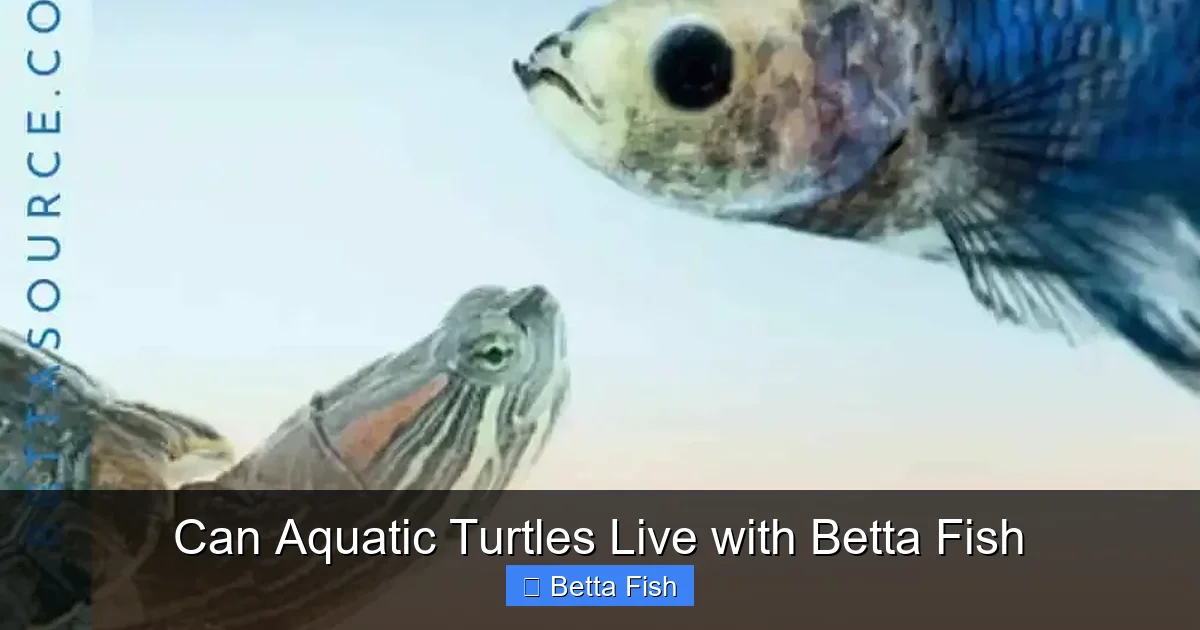
Aquatic turtles spend most of their life in water but still need a dry basking spot to regulate body temperature and absorb UVB rays. Common pet species include:
Visual guide about Can Aquatic Turtles Live with Betta Fish
Image source: bettasource.com
- Musk turtles (Sternotherus spp.) – small, semi‑aquatic, often recommended for beginners.
- Red‑eared sliders (Trachemys scripta elegans) – larger, very active swimmers.
- Painted turtles (Chrysemys picta) – medium size, enjoy both swimming and basking.
All of these turtles produce a lot of waste, which can quickly cloud the water and raise ammonia levels.
Betta Fish Basics
Bettas (Betta splendens) are labyrinth fish that breathe air from the surface using a specialized organ. They love warm water (78‑80°F), low‑flow environments, and places to hide, such as plants or caves. Male bettas are especially territorial and will flare at any “intruder” that enters their line of sight.
Key Compatibility Factors
When you ask can aquatic turtles live with betta fish, you’re really asking whether their environmental and behavioral needs overlap. The main factors to compare are:
- Tank size and volume
- Water temperature and pH
- Flow rate and filtration
- Dietary habits and predatory instincts
- Space for basking vs. swimming
Why Most Experts Say “No”
Predatory Instincts
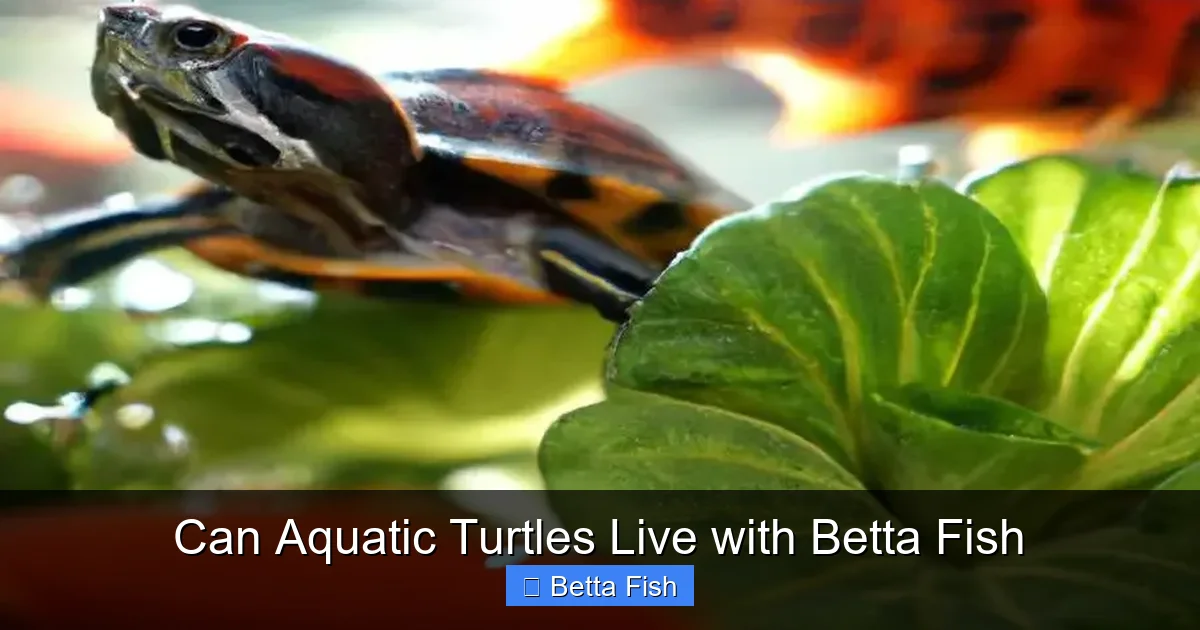
Even the smallest turtle species have a natural instinct to hunt moving prey. A brightly colored betta swimming near the surface is an easy target. Turtles may snap at the betta’s fins, causing injury or death. This is the primary reason many sources, like Can Turtles Live With Betta Fish, advise against cohabitation.
Visual guide about Can Aquatic Turtles Live with Betta Fish
Image source: bettafishworld.com
Water Quality Issues
Turtles produce a lot of waste, and their waste is larger and messier than that of most fish. Bettas are sensitive to high ammonia and nitrite levels. In a shared tank, the turtle’s waste can quickly become toxic for the betta, leading to fin rot, loss of color, or even sudden death.
Temperature Mismatch
Most turtles prefer water temperatures between 72‑78°F, while bettas thrive at 78‑80°F. Keeping the tank at a compromise temperature can stress one or both animals. If you raise the temperature for the betta, you risk overheating the turtle, especially if it spends time basking on a heated rock.
Space and Territory
Bettas need a small, calm area where they can rest without being chased. A turtle that constantly swims around will create currents and disturb the betta’s peace. Even in a large tank, the turtle’s size and speed can dominate the environment.
When Might It Work?
Choosing the Right Turtle Species
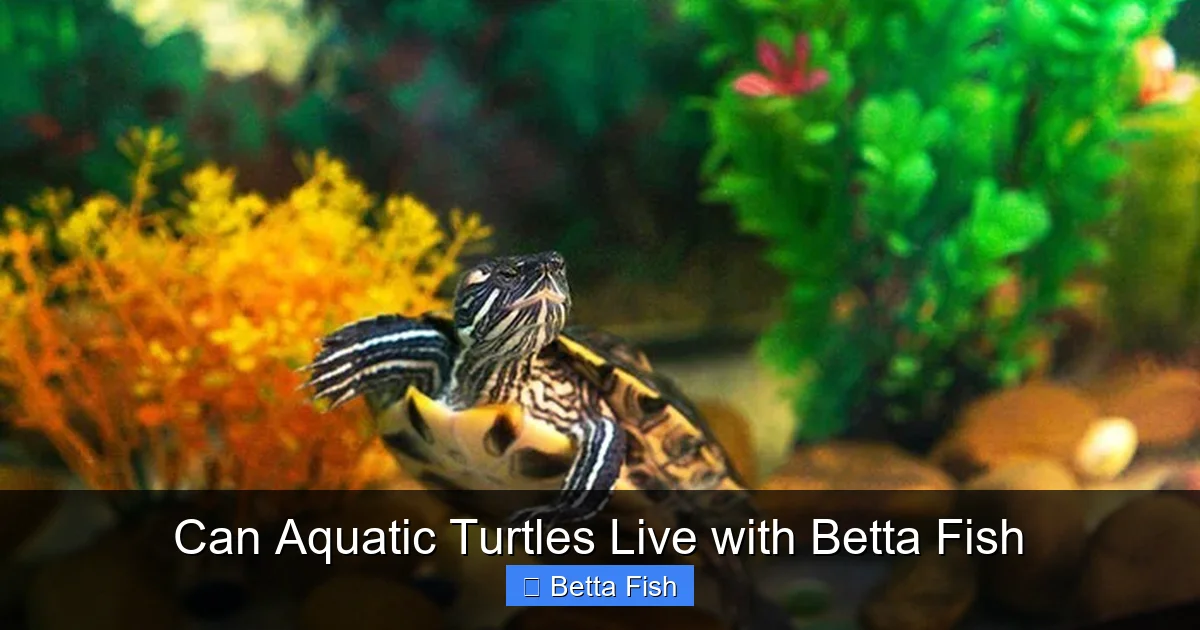
If you’re determined to try, start with the smallest, most docile turtles. Musk turtles are often cited as the “least aggressive” option. They stay under 5 inches, have slower swimming speeds, and are less likely to view a betta as food. However, “less likely” does not mean “safe.”
Visual guide about Can Aquatic Turtles Live with Betta Fish
Image source: aquatic-eden.com
Creating a Divided Habitat
One practical solution is a tank with a clear acrylic divider. This allows visual interaction without physical contact. Both animals can enjoy the same water parameters, but the divider prevents the turtle from reaching the betta.
Tips for a successful divided tank:
- Use a sturdy acrylic or glass barrier that reaches the top of the tank.
- Seal the edges with silicone to prevent water leakage.
- Provide separate filtration in each side if possible.
- Maintain identical temperature and pH on both sides.
Supervised “Look‑See” Sessions
Some hobbyists perform short, supervised meetings in a neutral container (e.g., a 5‑gallon bowl). Place the turtle in the bowl first, let it settle, then gently add the betta in a small, floating cup. Watch for any aggressive behavior. If the turtle shows interest but does not attack, you may be able to allow brief interactions under strict watch.
Step‑by‑Step Guide to Setting Up a Shared Tank
1. Choose the Right Tank Size
For a permanent shared setup (not recommended), aim for at least 55 gallons. This gives the turtle enough swimming space and the betta a quiet corner. A larger tank also dilutes waste more effectively.
2. Install Proper Filtration
Use a canister filter rated for at least double the tank’s volume. Add a sponge filter to provide gentle flow for the betta. Remember, turtles love to root around, so a filter with a strong intake can become a hazard.
3. Set Up Basking Area
Place a sturdy basking platform with a UVB lamp on one side of the tank. The platform should be large enough for the turtle to fully stretch out. Keep the betta’s area far from the heat source to avoid temperature spikes.
4. Add Hiding Places for the Betta
Use live plants (e.g., Java fern, Anubias) or artificial decorations that create caves and foliage. This gives the betta a place to retreat if the turtle gets too close.
5. Cycle the Tank Properly
Run the tank for at least 4‑6 weeks before introducing any animals. Test ammonia, nitrite, and nitrate levels. Only add turtles and bettas once the cycle is stable.
6. Introduce the Animals Carefully
Start with the turtle, allow it to explore the tank for a few days. Then add the betta in a small container within the same water to acclimate slowly. Observe for at least 24 hours before removing the container.
7. Monitor Daily
Check water parameters every day for the first two weeks. Look for signs of stress: faded betta colors, frantic swimming, or turtle lethargy. If any problem appears, separate the animals immediately.
Alternative Options: Keeping Them Apart but Together
Separate Tanks with a Shared Water Source
Run the same filtration system for two tanks placed side by side. This keeps water conditions consistent while preventing direct contact. You can still enjoy the visual of both animals through the glass.
Seasonal Rotation
Some keepers rotate the betta into the turtle’s tank for a few weeks during the summer when water temperature is naturally higher, then move the betta back to its own tank. This requires diligent water testing each time.
Consider Other Tank Mates
If you love community tanks, you might explore species that are proven to coexist with bettas, such as certain small rasboras, snails, or shrimp. Check out our guide on What Other Fish Can Live With Betta Fish for safe options.
Health and Safety Checklist
- Test water temperature daily; keep 78‑80°F for betta, 72‑78°F for turtle.
- Maintain ammonia < 0.25 ppm, nitrite < 0.2 ppm.
- Provide UVB lighting for at least 10‑12 hours for the turtle.
- Feed turtles a diet of pellets, live insects, and occasional veggies; feed bettas high‑quality betta pellets or frozen bloodworms.
- Watch for signs of stress: betta’s fins ragged, turtle’s shell discoloration.
- Never leave the tank unattended for long periods during a trial.
Conclusion: The Verdict on Can Aquatic Turtles Live with Betta Fish
In short, the answer to can aquatic turtles live with betta fish is generally **no** for a permanent, unsupervised setup. The predator‑prey dynamic, differing water needs, and waste production make cohabitation risky. However, with the right species, a large well‑filtered tank, and constant supervision, short‑term “look‑see” interactions can be managed safely.
If you love both animals, consider keeping them in separate but adjacent tanks, using a clear divider, or rotating them seasonally. Always prioritize the health and wellbeing of each creature above the novelty of a mixed tank.
Remember, responsible pet ownership means researching each species thoroughly and being prepared to adjust your setup as needed. For more detailed compatibility guides, explore related articles such as Can Turtles And Betta Fish Live Together and What Other Fish Can Live With Betta Fish. Happy fish‑keeping!
Frequently Asked Questions
Can a small turtle like a musk turtle safely share a tank with a betta?
While a musk turtle is less aggressive than larger species, it still has a natural instinct to chase and possibly eat a betta. Supervised, short‑term interactions are possible, but a permanent shared tank is not recommended.
What temperature should I keep a tank that houses both a turtle and a betta?
Aim for 78°F, which is at the upper end of the turtle’s comfort range and ideal for a betta. Monitor closely; if the turtle shows signs of overheating, provide a cooler basking area.
Do I need a special filter for a turtle‑betta tank?
Yes. Use a high‑capacity canister filter to handle the turtle’s waste, and add a gentle sponge filter to create low flow for the betta.
Can I use a divider to keep them separate but in the same water?
Absolutely. A clear acrylic divider that reaches the top of the tank allows visual interaction while preventing the turtle from reaching the betta.
What are common signs that a betta is stressed by a turtle?
Look for faded colors, torn fins, frantic swimming near the surface, or a tendency to hide constantly. If you see any of these, separate the animals immediately.
Are there any fish that can safely live with both turtles and bettas?
Some peaceful, fast‑swimming fish like small rasboras or certain tetras can coexist, but always test compatibility first. Check our article on What Other Fish Can Live With Betta Fish for detailed options.

