Can Aquatic Frogs Live with a Betta Fish
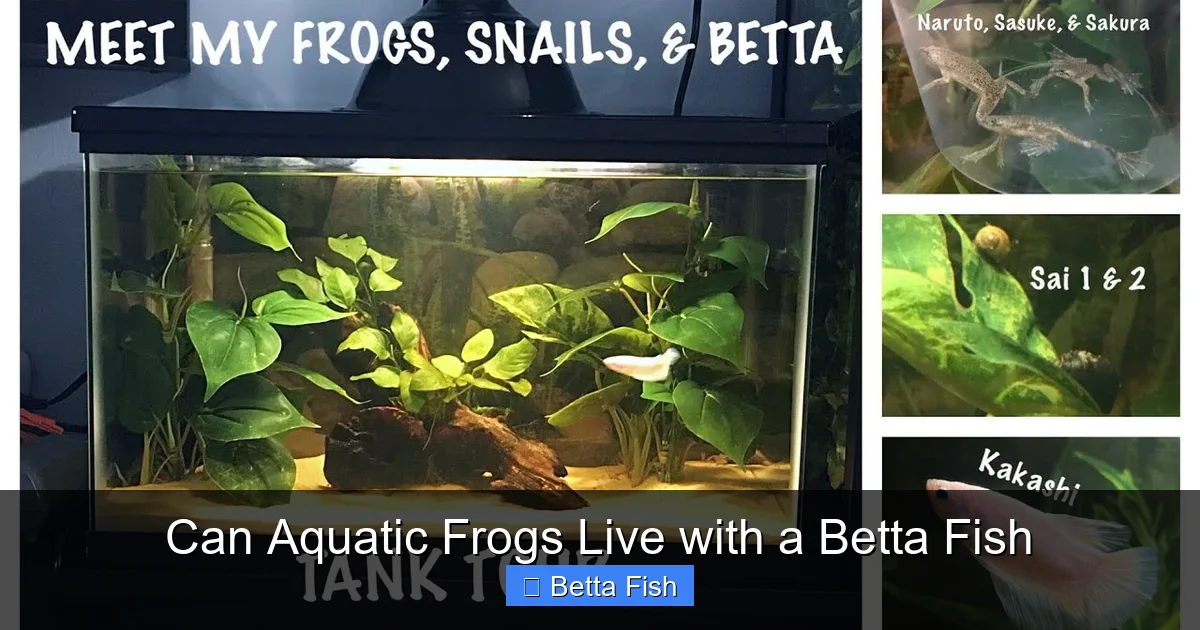
Yes, certain aquatic frogs can share a tank with a betta fish, but success depends on species, tank size, and careful monitoring. Choose peaceful, similarly‑sized frogs, provide plenty of hiding spots, and keep water conditions ideal for both pets.
Key Takeaways
- Species matters: Not all frogs are safe; dwarf African frogs are the best bet.
- Tank size is crucial: A minimum of 20 gallons gives both betta and frog room to breathe.
- Water parameters must match: Keep temperature 75‑80 °F, pH 6.5‑7.5, and soft to moderate hardness.
- Provide plenty of cover: Live plants, caves, and driftwood reduce stress and aggression.
- Watch feeding habits: Feed betta pellets separately to prevent frogs from stealing food.
- Regular health checks: Look for signs of stress, fin rot, or frog skin disease early.
- Start with a test run: Use a quarantine tank for a few days before permanent co‑habitation.
📑 Table of Contents
Introduction: A Curious Pairing
If you’ve ever wondered, can aquatic frogs live with a betta fish, you’re not alone. Many hobbyists love the vivid colors of bettas and the quirky charm of small aquatic frogs, and they imagine a miniature rainforest‑like community in their living room. The idea sounds appealing, but mixing two very different animals can be tricky.
In this guide we’ll walk through everything you need to know before you place a frog and a betta together. We’ll cover the biology of each species, the tank requirements, compatible frog choices, and step‑by‑step tips to keep the peace. By the end you’ll know whether your tank can become a harmonious amphibian‑fish haven or if it’s better to keep them separate.
Understanding the Betta’s Personality
Territorial nature
Bettas (Betta splendens) are famed for their aggression toward other fish, especially those with bright fins or similar body shapes. In the wild, males guard a small territory in shallow rice paddies and will fight any intruder that looks like a rival.
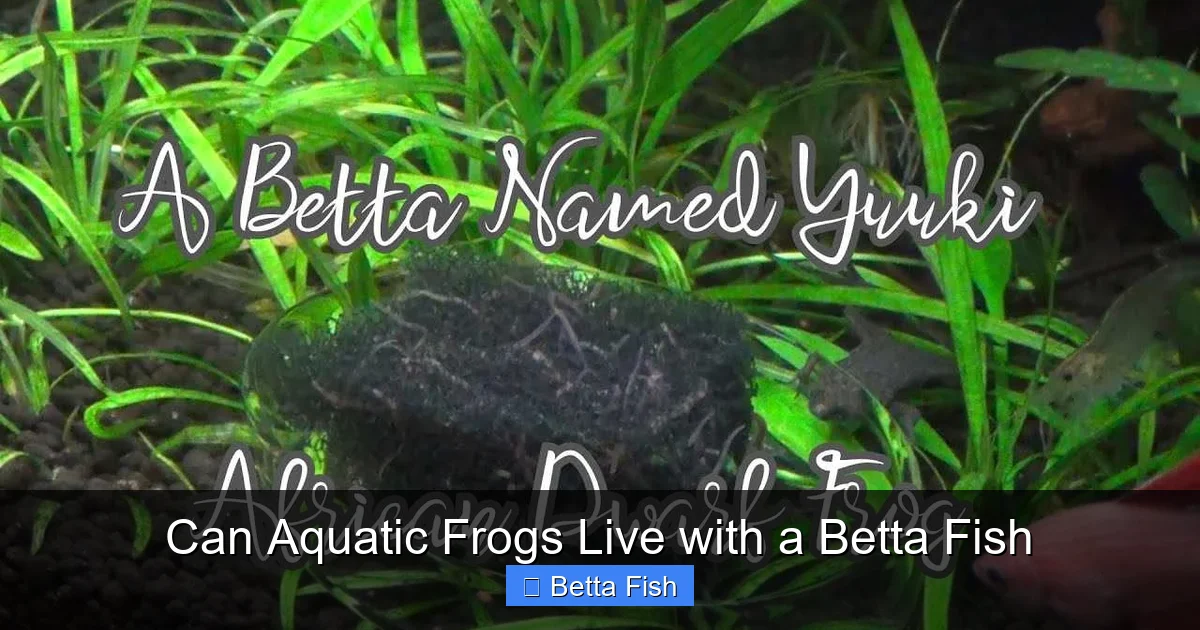
Visual guide about Can Aquatic Frogs Live with a Betta Fish
Image source: vitalfrog.com
Water preferences
These fish thrive in warm water between 75‑80 °F, slightly acidic to neutral pH (6.5‑7.5), and soft to moderately hard water. They also appreciate low‑flow environments because strong currents stress their delicate fins.
Feeding habits
Bettas are carnivorous, preferring live or frozen foods like brine shrimp and daphnia, as well as high‑protein pellets. Over‑feeding can cloud the water, which is a problem for amphibians that need clean conditions.
What Aquatic Frogs Need
Common pet frog species
Several small, fully aquatic frogs are popular in the aquarium trade:

Visual guide about Can Aquatic Frogs Live with a Betta Fish
Image source: i.ytimg.com
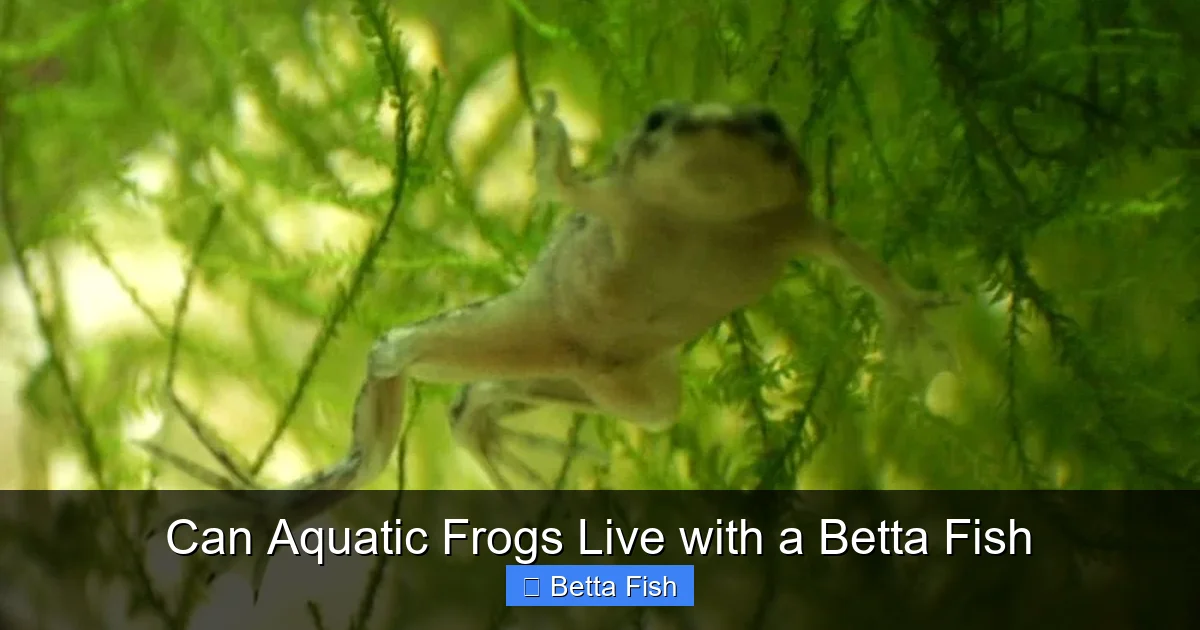
- Dwarf African Frog (Hymenochirus boettgeri) – 1‑2 inches, peaceful, loves plants.
- African Clawed Frog (Xenopus laevis) – larger (up to 6 inches), very active, can be aggressive.
- Fire-Bellied Toad (Bombina orientalis) – semi‑aquatic, prefers cooler water (68‑75 °F).
Among these, the dwarf African frog is the most compatible with bettas because of its small size, calm demeanor, and similar temperature needs.
Water and habitat
Frogs need a semi‑landscape: water deep enough to swim, plus land or driftwood to rest on. They also require a gentle water flow and a substrate that won’t damage their delicate skin. Temperatures should match the betta’s range; most aquatic frogs are comfortable at 75‑78 °F.
Compatibility Checklist
1. Size and temperament
Never place a large, predatory frog with a tiny betta. A dwarf African frog stays under 2 inches and rarely attacks other tank mates, making it a safe choice.
Visual guide about Can Aquatic Frogs Live with a Betta Fish
Image source: nippyfish.net
2. Tank size
At least 20 gallons (75 liters) is recommended. This gives the betta enough vertical space to display its fins and the frog enough room to surface and hide.
3. Hiding places
Live plants like Java fern, Anubias, and floating moss create natural cover. Add caves, PVC tubes, and broad‑leaf plants for the frog to rest on.
4. Water quality
Both animals are sensitive to ammonia and nitrite spikes. A well‑cycled filter (sponge or low‑flow hang‑on) is essential. Perform weekly 25‑30 % water changes.
5. Feeding strategy
Feed bettas in the morning with pellets, and give frogs a separate feeding area (a small cup) with frozen bloodworms or brine shrimp. This prevents the frog from stealing the betta’s food and vice‑versa.
Step‑by‑Step Guide to Introducing a Frog to a Betta Tank
Step 1: Prepare the tank
Set up the aquarium with the recommended temperature, pH, and filtration. Add plants and décor before cycling the tank. Use a gentle filter to avoid strong currents.
Step 2: Cycle the tank
Allow the nitrogen cycle to complete (usually 4‑6 weeks). Test for 0 ppm ammonia, 0 ppm nitrite, and 20‑30 ppm nitrate before adding any animals.
Step 3: Quarantine the frog
Place the frog in a separate quarantine tank for at least two weeks. Observe for signs of disease such as white spots, lethargy, or abnormal shedding.
Step 4: Introduce the betta
If the betta is already in the main tank, monitor its behavior for a few days. If you’re adding a new betta, let it acclimate slowly using the drip method.
Step 5: The first meeting
Use a clear container to gently lower the frog into the main tank. Watch the betta’s reaction. If the betta flares but does not bite, you’re likely okay. If it attacks, remove the frog immediately.
Step 6: Ongoing monitoring
Check daily for the first two weeks. Look for stress signs: betta’s fin torn, frog’s loss of appetite, or excessive hiding. Adjust décor or feeding as needed.
Potential Problems and How to Solve Them
Aggression from the betta
If the betta shows persistent aggression, increase the number of hiding spots and consider a taller tank with vertical plant cover. Sometimes moving the frog to the opposite side of the tank reduces visual contact.
Frog eating the betta’s food
Feed the betta at the opposite end of the tank from the frog, or use a feeding cup that sinks just out of reach of the frog.
Water quality issues
Frogs produce more waste than bettas. Increase weekly water changes to 30 % and consider adding a bio‑ball or extra sponge filter.
Health concerns
Both species can suffer from fungal infections if the water is too warm or dirty. Use a mild aquarium dip for the frog and a betta‑safe medication if needed.
Alternative Tank Mates for Bettas
If a frog proves too risky, there are many other peaceful companions. For example, what fish can live with a male betta includes small rasboras, neon tetras (in a heavily planted tank), and certain shrimp species. You can also explore can a betta fish live with goldfish for larger community setups, though goldfish usually outgrow the tank size bettas need.
Conclusion: Is It Worth Trying?
So, can aquatic frogs live with a betta fish? The answer is a cautious yes—provided you choose the right frog, give both pets plenty of space, and stay vigilant. Dwarf African frogs are the top candidate, while larger or more aggressive species should be avoided. With proper tank preparation, regular water changes, and a good eye on behavior, you can enjoy a unique, lively aquarium that showcases the best of both worlds.
Remember, every tank is different. If you notice any signs of stress, it’s better to separate the animals than risk injury. Happy fish‑keeping!
Frequently Asked Questions
Can a betta fish and dwarf African frog share the same water temperature?
Yes. Both thrive in 75‑80 °F, making temperature compatibility easy.
Will the betta try to eat a small frog?
Generally no, as bettas prefer fish-sized prey, but a very hungry betta might nip at a tiny frog’s tail.
How often should I change the water in a mixed betta‑frog tank?
Change 25‑30 % of the water weekly, and test parameters every few days.
Do I need a special filter for a tank with a frog?
A low‑flow sponge filter works well; it provides biological filtration without creating strong currents.
Can I keep more than one frog with a betta?
It’s risky. Multiple frogs increase waste and competition, which can stress the betta.
What signs show that my betta is stressed by a frog?
Look for faded colors, constant flaring, torn fins, or hiding more than usual.