Is My Betta Fish Sleeping or Dying
Is your betta fish lying still at the bottom of the tank? It can be hard to know if your fish is just resting or if something is seriously wrong. This guide will help you tell the difference between a betta fish sleeping or dying and give you clear signs to watch for.
Many fish owners stare at their tank and wonder, is my betta fish sleeping or dying. It is a scary thought. A betta that stops moving can look very concerning. The good news is that bettas sleep a lot, but sometimes lethargy means trouble. This article will help you tell the difference. You will learn the normal sleep habits of a betta. You will also spot the warning signs of a dying fish.
Understanding your betta’s behavior is the first step toward keeping it healthy. Bettas are not like other fish. They often rest in unusual spots. They may lie on the gravel or float near the surface. This does not always mean something is wrong. However, changes in routine can signal a problem. So how do you know if your fish is just napping or in serious danger? Keep reading to find out.
Key Takeaways
- Sleeping bettas look still but breathe slowly: Their gills move gently and they wake up for food.
- Signs of a dying betta include pale color, clamped fins, and no response: These need urgent attention.
- Poor water quality and cold temperatures cause lethargy: Test your tank parameters often.
- Use a comparison table to spot the difference: Sleeping fish react; dying fish do not.
- Act fast if you suspect illness: Check water, raise temperature slightly, and isolate if needed.
- Preventive care keeps your betta active and healthy: Clean water, warm temperatures, and a balanced diet are key.
- Never assume a motionless betta is dead: Always observe gill movement before concluding.
📑 Table of Contents
How to Tell If Your Betta Is Sleeping
Normal Betta Sleep Patterns
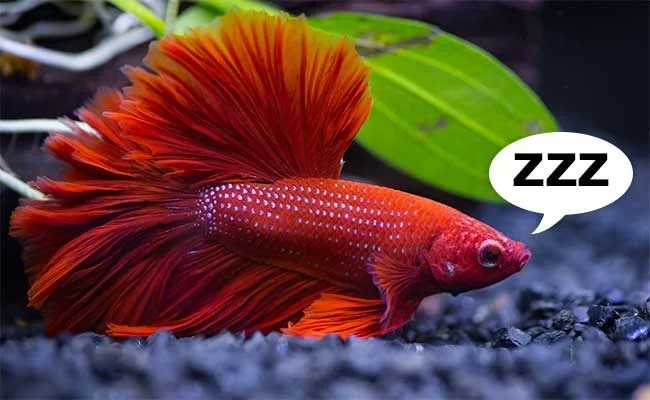
Bettas are crepuscular, meaning they are most active at dawn and dusk. During the night, they sleep deeply. They may also take short naps during the day. A sleeping betta will lie still. Its color may look slightly lighter. Its fins will be relaxed. The gills will move slowly. This is completely normal. A healthy betta needs 8 to 12 hours of sleep each day. If your fish is resting, do not disturb it.
Where and How Bettas Sleep
Bettas love to sleep in cozy spots. They may tuck themselves under a leaf. They can rest on a flat rock or even on the tank floor. Some bettas sleep vertically with their heads down. Others float at the surface. You might see them pressed against the filter outflow. All of these positions can be normal. If your betta wakes up when you tap the glass, it was just sleeping. If you find your betta sleeping all the time, it could be a sign of an underlying problem. Learn more about this in our article on why is my betta fish sleeping so much.
Quick Tips for Identifying Sleep
- Look for slow gill movement – The fish will breathe gently and steadily.
- Wait for a response – Hover your finger near the tank. A sleeping betta will wake up slowly.
- Do not feed a sleeping betta – Wait until it is fully awake.
- Check the time of day – Bettas are most active in the morning and evening.
Common Mistake: Assuming a sleeping betta is dead. Many bettas rest motionless for hours. They may even appear belly-up. Always wait a few minutes before panicking.
Expert Insight: Bettas often rest with their fins still, but their gills will slowly move. If the gills stop moving entirely, that is a red flag.
Warning Signs Your Betta Fish Is Dying
It is hard to watch a betta decline. Knowing the signs of a dying betta can help you act fast. Here are the key symptoms to watch for.
- Pale or white color – A healthy betta has vibrant colors. Loss of color often means stress or illness.
- Clamped fins – Fins held close to the body signal discomfort.
- Rapid breathing – Gills moving quickly can indicate low oxygen or disease.
- Not eating – A betta that refuses food for days is in trouble.
- Body curvature – A curved spine is a serious condition.
- White spots or lesions – These may signal ich or fungal infection.
Sleeping vs Dying: A Quick Comparison
| Sign | Sleeping Betta | Dying Betta |
|---|---|---|
| Position | Relaxed, may rest on bottom or leaf | Stiff, may float sideways or upside down |
| Responsiveness | Wakes slowly to food or light | No response to food or tapping |
| Color | Slightly faded but returns when awake | Pale, white, or gray and does not recover |
| Breathing | Slow, steady gill movement | Rapid, labored, or gills not moving |
| Eating | Eats normally when awake | Refuses food completely |
If you notice any of these signs, it is important to act quickly. For a full list of symptoms, visit why is my betta fish dying.
Common Causes of Lethargy in Betta Fish
If your betta is not just sleeping but constantly lethargic, something is wrong. Betta fish lethargy can stem from many sources. Here are the most common causes.
- Poor water quality – Ammonia and nitrite buildup is toxic. Test the water regularly.
- Low temperature – Bettas need warm water between 78°F and 80°F. Cold water slows their metabolism.
- Stress – Aggressive tankmates, bright lights, or constant noise can stress a betta.
- Disease – Infections, parasites, or fin rot can cause extreme tiredness.
- Old age – Bettas live 3 to 5 years. Older fish naturally sleep more.
To better understand the difference between a sick fish and a dead one, read how can i tell if my betta fish is dying. Quick Tip: Always cycle your tank before adding a betta. This prevents toxic ammonia spikes. Common Mistake: Ignoring cloudy water. Cloudy water often means bacterial bloom, which stresses fish. Expert Insight: Bettas are tropical fish and need stable warm water. A heater is not optional.
What to Do If You Think Your Betta Is Dying
If you suspect your fish is dying, do not panic. Take these steps immediately.
- Test the water – Check ammonia, nitrite, and pH. Do a 50% water change if parameters are off.
- Raise the temperature slightly – Increase to 80°F to boost the immune system.
- Look for physical symptoms – Check for white spots, fin rot, or swelling.
- Isolate if needed – Move the betta to a quarantine tank if you see signs of disease.
- Consult a fish vet – If the fish does not improve in 24 hours, seek professional help.
Quick Tip: Keep a quarantine tank ready at all times. This makes emergency moves easier. Never use medications without knowing the exact illness. Wrong treatment can harm your betta.
Preventive Care to Keep Your Betta Healthy
Prevention is always better than cure. A healthy betta is an active betta. Follow these simple steps to protect your fish.
- Tank size – At least 5 gallons. Larger is better.
- Filtration and heating – Use a gentle filter and a reliable heater.
- Regular water changes – Change 25% of the water weekly.
- Balanced diet – Feed high-quality pellets and occasional treats like bloodworms.
- Enrichment – Add plants, caves, and gentle flow. This keeps your betta active and curious.
- Monitor behavior – Watch for changes in sleeping or eating habits.
Good betta tank conditions make a huge difference. Stable water parameters reduce stress and disease. A clean, warm environment supports strong betta fish health. Keep an eye on your fish every day. Small changes in betta fish behavior can tell you a lot.
Final Thoughts
In the end, it is not always easy to tell if your betta is sleeping or dying. A betta fish sleeping or dying can look similar at first glance. However, by observing breathing, color, and responsiveness, you can make a good judgment. Trust your instincts. If something feels wrong, take action. Your betta depends on you for its health. Use the tips in this guide to keep your fish happy and thriving.
Frequently Asked Questions
How can I tell if my betta fish is sleeping or dead?
A sleeping betta will have slow gill movement and respond to food after a while. A dead betta will be completely unresponsive, may float or sink, and will not breathe at all. If you are unsure, wait a few minutes and observe the gills carefully.
Why is my betta fish sleeping all the time?
Excessive sleep can be caused by poor water quality, low temperature, or illness. Bettas need a warm, clean environment to stay active. If your betta sleeps more than usual, test the water and check for other symptoms like pale color or not eating.
What are the signs of a dying betta fish?
Look for pale color, clamped fins, rapid breathing, refusal to eat, and lying still at the bottom. These signs indicate serious distress. Act quickly by improving water conditions and seeking advice from a fish vet.
Can a stressed betta fish stop eating and sleeping?
Yes, stress can cause both lethargy and loss of appetite. Common stressors include bright lights, aggressive tankmates, and sudden temperature changes. Providing a calm environment with hiding spots can help your betta recover.
How do I know if my betta fish is happy?
A happy betta is active, explores its tank, builds bubble nests, and eats eagerly. Its colors are vibrant, and it swims without difficulty. If your betta shows these behaviors, it is likely content and healthy.
What should I do if my betta fish is not moving but still breathing?
This could be a sign of extreme lethargy or a health issue. Check the water temperature and parameters immediately. If the fish does not improve, consider a water change and look for signs of disease like white spots or fin rot.