Why Is My Betta Fish Not Moving or Eating

When a betta stops swimming and refuses food, it’s a clear sign something’s wrong. This article breaks down the top reasons—water quality, disease, stress, and more—offering simple steps to diagnose and revive your finned friend. Act fast, and you’ll give your betta the best chance to bounce back.
Key Takeaways
- Water quality is king: Bad parameters are the #1 cause of lethargy and loss of appetite.
- Look for disease signs: Spotting fin rot, ich, or swim‑bladder issues early can save your betta.
- Stress triggers: Over‑crowding, bright lights, and sudden changes can make a betta hide and stop eating.
- Nutrition matters: Wrong food type or over‑feeding can turn a healthy eater into a picky one.
- Temperature matters: Betta thrive at 78‑80°F; too cold or too hot slows metabolism.
- Quick interventions: Water changes, quarantine, and proper feeding can often restore activity within 24‑48 hours.
- When to seek help: Persistent symptoms may need a vet or experienced hobbyist’s advice.
📑 Table of Contents
- Introduction: When Your Betta Goes Silent
- 1. Water Quality – The Invisible Enemy
- 2. Disease and Parasites – When Illness Knocks Them Down
- 3. Stress Factors – The Silent Saboteurs
- 4. Nutrition – Feeding the Right Way
- 5. Physical Injuries and Environmental Hazards
- 6. When to Call in the Experts
- Conclusion: Take Action, Stay Calm
Introduction: When Your Betta Goes Silent
Imagine you come home after a long day, flip the tank lid, and your bright‑colored betta is just… floating, barely moving, and ignoring the food you toss in. It’s unsettling, right? Most betta owners know these fish for their bold flares and playful dashes, so a sudden pause feels like a red flag.
Don’t panic yet. Like any pet, a betta will give you clues before things get serious. The key is to read those clues, act quickly, and adjust the environment. In the next few pages we’ll walk through the most common reasons a betta stops moving or eating, how to spot each one, and what you can do today to turn the tide.
1. Water Quality – The Invisible Enemy
Betta fish are unbelievably sensitive to the water they live in. Even if the tank looks crystal clear, hidden problems can be brewing.
1.1. Ammonia, Nitrite, and Nitrate
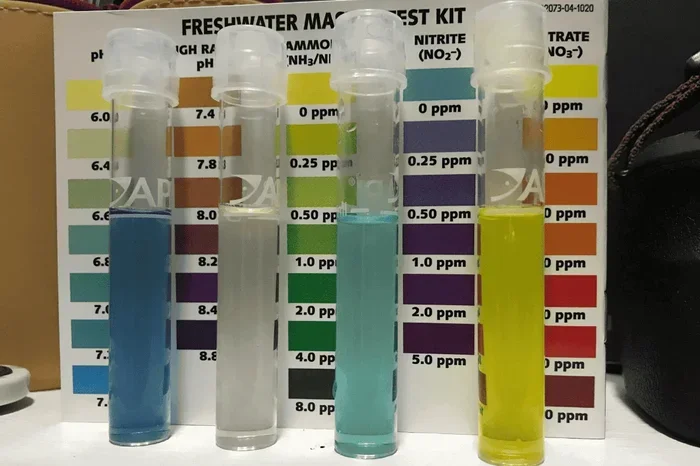
High ammonia or nitrite levels are toxic and will make a betta gasp, hover near the surface, and refuse food. Test kits are cheap and essential. Aim for:
- Ammonia: 0 ppm
- Nitrite: 0 ppm
- Nitrate: < 20 ppm (ideal < 10 ppm)
If any of these numbers are off, perform a 25‑30% water change with dechlorinated water and retest after an hour.
1.2. pH and Hardness
Betta prefer a pH between 6.5 and 7.5. Sudden swings can stress them, causing lethargy. Use a pH buffer if needed, but avoid over‑adjusting—gradual changes are safest.
1.3. Temperature Troubles
Temperatures below 76°F slow metabolism; above 82°F increase oxygen demand and can lead to heat stress. A reliable submersible heater with a thermostat is a must. Check the reading twice a day for the first week after setup.
Quick Fix Checklist
- Test water daily for ammonia, nitrite, nitrate.
- Change 20‑30% of water if any level is high.
- Confirm heater is set to 78‑80°F.
- Use a water conditioner to remove chlorine and chloramines.
2. Disease and Parasites – When Illness Knocks Them Down
Illness often presents as loss of movement and appetite. Here are the most common culprits.
2.1. Fin Rot
Look for frayed, ragged fins with a white or yellow edge. The infection spreads quickly, making the fish weak and uninterested in food.
2.2. Ich (White Spot Disease)
Small white dots (like salt grains) appear on the body and fins. The fish may scratch against objects, become listless, and stop eating.
2.3. Swim Bladder Disorder
When the swim bladder is affected, the betta may float upside down or stay at the bottom. This often follows over‑feeding or constipation.
2.4. Velvet and Columnaris
Velvet gives the skin a dusty gold sheen; columnaris looks like ragged patches. Both cause stress and appetite loss.
How to Treat Quickly
- Isolate the sick betta in a hospital tank with clean, warm water.
- Use a broad‑spectrum antibacterial like Maracyn or a specific ich treatment (copper‑based) per label.
- For swim bladder issues, try fasting for 24‑48 hours, then offer a pea (blanched and shelled) to relieve constipation.
For a more detailed look at feeding problems, see our guide on Why Is My Betta Fish Not Eating.
3. Stress Factors – The Silent Saboteurs
Even a perfect tank can become stressful if other variables aren’t right.
3.1. Over‑Crowding and Aggression
Betta are territorial. A tank shared with aggressive tank mates (even other bettas) can cause a fish to hide and stop eating. If you notice constant flaring or chasing, it’s time to re‑home the extra fish.
3.2. Lighting and Noise
Bright, direct light for 12+ hours can tire a betta. Keep the light on for 8‑10 hours and provide shaded hiding spots like plants or caves.
3.3. Sudden Changes
Moving the tank, changing décor, or a drastic temperature shift can shock a betta. When you need to make changes, do them gradually over a few days.
Stress‑Relief Tips
- Provide live or silk plants for cover.
- Limit tank traffic—avoid tapping on the glass.
- Maintain a consistent day/night cycle with a timer.
4. Nutrition – Feeding the Right Way
Even a healthy betta can refuse food if the diet isn’t right.
4.1. Food Type Matters
Betta are carnivores. High‑quality betta pellets or frozen bloodworms are best. Flake foods designed for community fish often lack the protein they need.
4.2. Over‑Feeding and Food Spoilage
Uneaten food decomposes, raising ammonia levels. Feed only what your betta can eat in 2‑3 minutes, once or twice a day.
4.3. Feeding Tricks
- Soak pellets in a few drops of water to soften them, making them easier to eat.
- Offer a tiny live or frozen daphnia once a week as a treat.
- If your betta is still picky, try a different brand or a “betta‑specific” gel.
Need more ideas? Check out Why Betta Fish Not Moving for behavior‑focused tips.
5. Physical Injuries and Environmental Hazards
Sometimes the cause is as simple as a snag or a broken tank accessory.
5.1. Sharp Decorations
Plastic plants or rough rocks can tear fins, leading to infection and reduced activity.
5.2. Poor Filtration Flow
Strong currents stress bettas, while stagnant water reduces oxygen. A gentle sponge filter set on low flow is ideal.
5.3. Contaminants
Chemicals from soaps, pesticides, or even new aquarium ornaments can leach toxins. Always rinse new items in dechlorinated water before adding them.
6. When to Call in the Experts
If you’ve checked water, treated for disease, reduced stress, and your betta still won’t move or eat after 48‑72 hours, it may be time for professional help. A vet who specializes in fish can run tests for bacterial, fungal, or internal issues.
Signs It’s Time for a Vet
- Rapid weight loss or visible emaciation.
- Visible ulcers, white spots, or black discoloration that doesn’t improve.
- Constant floating sideways or upside down.
- Sudden, severe clouding of the eyes.
For more on diagnosing serious issues, see Is My Betta Fish Dying.
Conclusion: Take Action, Stay Calm
Seeing a betta stop moving and stop eating is stressful, but most problems have a clear, manageable solution. Start with the basics: test the water, adjust temperature, and look for disease signs. Then move on to diet, stress reduction, and finally professional help if needed. By acting quickly and methodically, you give your finned companion the best chance to bounce back to its vibrant, active self.
Remember, a healthy betta is a happy betta. Keep the environment stable, feed a proper diet, and watch for any changes. With a little attention, you’ll enjoy many more colorful displays of fin flares and playful swims.
Frequently Asked Questions
Why is my betta fish floating sideways?
Sideways swimming often points to swim‑bladder trouble, constipation, or a water‑quality issue. Try a short fast, then offer a peeled pea, and check your water parameters.
Can water temperature cause my betta to stop eating?
Yes. Temperatures below 76°F slow metabolism, making the fish less interested in food. Keep the tank at 78‑80°F for optimal appetite.
How long should I wait before treating a sick betta?
Begin treatment as soon as you notice signs like loss of movement or appetite. Early intervention greatly improves recovery chances.
Is it normal for a betta to hide sometimes?
Occasional hiding is natural, especially when the fish is resting. However, constant hiding combined with not eating signals stress or illness.
What should I do if my betta’s fins are turning white?
White or yellow‑edged fins often mean fin rot. Isolate the fish, treat with an antibacterial medication, and improve water quality immediately.
Can over‑feeding make my betta stop moving?
Over‑feeding can lead to poor water quality and swim‑bladder issues, both of which cause lethargy. Feed only what the betta can consume in a few minutes, once or twice daily.