What Causes a Fungus to Grow on a Betta Fish
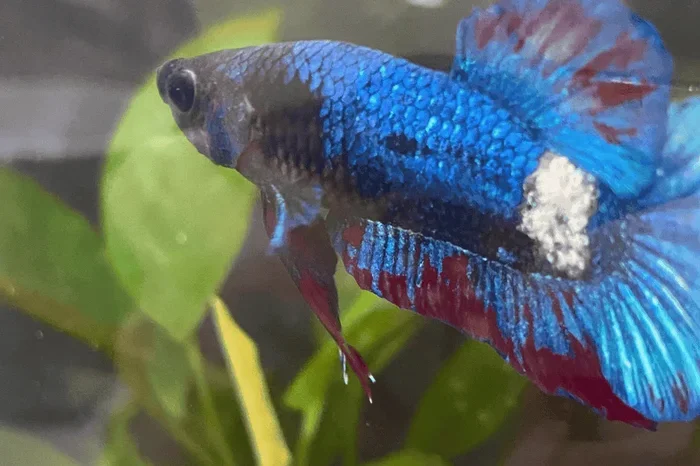
A fungus growing on a betta fish is usually caused by poor water quality, injuries, or a weakened immune system. Fungal spores thrive in dirty tanks, cold water, and stressed fish. Understanding the root cause is the first step toward effective treatment and long-term betta fish care.
Have you ever noticed a fuzzy, white growth on your betta fish and wondered what went wrong? Seeing a fungus on a betta fish can be scary, especially if you are not sure what caused it. The truth is, fungal infections in bettas are more common than most fish owners think, and they almost always point to an underlying problem in the tank environment.
In this guide, we will explore the real fish fungus causes, how to spot the early warning signs, and what you can do to help your betta recover. Whether you are a beginner or a seasoned aquarist, understanding betta fish disease prevention can save your fish a lot of suffering. Let us dive right in.
Key Takeaways
- Poor Water Quality: Dirty or unfiltered water is the #1 cause of fungal growth on betta fish.
- Injuries and Open Wounds: Damaged fins or skin give fungus a perfect entry point.
- Weakened Immune System: Stress, cold water, and poor diet make bettas vulnerable to fungal infection.
- Cotton Wool Disease: The most common visible sign of fungus looks like fluffy white patches.
- Prevention Is Key: Regular tank maintenance and clean water prevent most fungal outbreaks.
- Early Treatment Works: Catching fungus early makes treatment much easier and faster.
- Related Diseases Matter: Conditions like ich and fin rot often accompany or mimic fungal infections.
📑 Table of Contents
What Is a Fungal Infection on a Betta Fish?
A fungal infection happens when tiny fungal spores latch onto your betta fish and start to grow. These spores are everywhere in the water, but they usually only cause problems when conditions are right. A healthy betta fish with clean water and a strong immune system can typically fight off these spores without any issue.
The most well-known type of aquarium fungus is called cotton wool disease. It gets its name from the fluffy, white or gray patches that look like a small tuft of cotton wool stuck to your fish. These patches can appear on the fins, body, mouth, or even the eyes.
Fungal infections are different from bacterial infections and parasites. While ich and fin rot are caused by other organisms, fungus tends to grow on dead tissue or areas where the skin has been damaged. This distinction matters because it tells us a lot about what causes a fungus to grow on a betta fish in the first place.
Common Signs of Fungal Growth
Spotting fungus early makes treatment much easier. Here are the most common betta fish symptoms to watch for:
- White or gray fluffy patches on the skin or fins
- Patches that look like cotton wool or fuzz
- Clamped fins or lethargy
- Loss of appetite
- Patches that grow larger over time
- Redness or inflammation around the affected area
If you notice any of these signs, it is important to act quickly. The longer fungus is left untreated, the harder it becomes to eliminate.
What Causes a Fungus to Grow on a Betta Fish?
Understanding the root fish fungus causes is the most important step in both treatment and prevention. Fungus does not just appear out of nowhere. Something in the environment or the fish’s health creates the perfect conditions for it to thrive.
Poor Water Quality
The number one cause of fungal growth on a betta fish is poor water quality. When the tank water is dirty, full of ammonia, or lacking proper filtration, fungal spores multiply rapidly. Betta fish are sensitive to water changes, and they thrive best in clean, stable environments.
Here is what poor water quality looks like in practice:
- High levels of ammonia or nitrite
- Excess organic waste in the tank
- No filter or an ineffective filter
- Infrequent water changes
- Overfeeding, which leads to excess debris
If you are unsure about what water setup works best, check out our guide on what water to use for a betta fish for detailed tips on keeping the water clean and safe.
Injuries and Open Wounds
Betta fish can get injured in several ways. Sharp decorations, rough tank mates, or even flaring against the glass can cause wounds. When the skin or fins are damaged, fungal spores have a direct path into the tissue. This is why fungal infection betta cases often follow an injury or fin tear.
Common causes of injury include:
- Sharp or rough decorations in the tank
- Aggressive tank mates
- Fins catching on filter intakes
- Flaring too hard against the glass
- Handling the fish roughly during tank cleaning
Always check your tank setup from your betta’s perspective. Remove any sharp edges and make sure the filter flow is not too strong. A betta fish that has too much current can easily become stressed and injured.
Weakened Immune System
A weakened immune system is one of the biggest factors behind fungal outbreaks. When a betta fish is stressed or unhealthy, its body struggles to fight off spores that it would normally handle with ease. Several things can weaken a betta’s immune system:
- Cold or fluctuating water temperature
- Poor nutrition or lack of variety in diet
- Living in a tank that is too small
- Exposure to toxins like ammonia or chlorine
- Chronic stress from bright lights or loud noises
Keeping your betta’s environment stable and comfortable goes a long way in preventing fungal infection treatment from ever becoming necessary. A well-maintained tank with proper tank temperature and a balanced diet keeps the immune system strong.
Old or Dead Tissue
Fungus naturally feeds on dead or decaying organic matter. This includes dead skin cells, dead fin tissue, and even uneaten food that settles on the tank floor. When a betta fish has old fin damage or is shedding skin, fungus can colonize those areas quickly. This is why aquarium cleanliness and removing uneaten food matter so much.
If you notice your betta losing scales or fins, keep a close eye on those areas. Early detection of fungal spores in these spots can prevent a full-blown infection.
Secondary Infections
Fungus often appears as a secondary problem. This means it shows up after another illness has already weakened the fish. For example, a betta fighting ich or fin rot may develop a fungal infection on top of the original disease. If your betta is already dealing with another condition, the fungal infection treatment approach needs to address both issues at once.
Learn more about how to handle related conditions like ich in our guide on how to treat ich on a betta fish, and find out about fin rot treatment in our article on how to cure fin rot on a betta fish.
How to Prevent Fungus on Your Betta Fish
Prevention is always better than cure. The good news is that most cases of betta fish fungus can be avoided with a few simple habits. Here is what you can do to keep your betta healthy and fungus-free.
Maintain Clean Water
Regular water changes are the foundation of good betta fish care. Aim to change 20 to 25 percent of the tank water every week. This removes waste, dilutes ammonia, and keeps fungal spores under control. Always use a water conditioner to neutralize chlorine and other harmful chemicals before adding new water to the tank.
Keep the Tank Temperature Stable
Betta fish are tropical fish and they need warm water to stay healthy. The ideal tank temperature for a betta is between 76 and 82 degrees Fahrenheit. Cold water weakens the immune system and makes the fish more susceptible to fungal infections. Use a reliable heater and a thermometer to keep the temperature steady.
Do Not Overfeed
Overfeeding is one of the most common mistakes new betta owners make. Excess food decays in the water and raises ammonia levels, which creates a perfect breeding ground for fungus. Feed your betta small amounts once or twice a day, and remove any uneaten food after a few minutes.
If you are ever unsure about what to feed your betta, our article on what to feed a betta fish covers the best food options and feeding schedules.
Provide a Stress-Free Environment
Stress is a silent killer for betta fish. A stressed fish has a weaker immune system and is far more likely to develop infections. To keep stress levels low:
- Keep the tank in a quiet area away from loud noises
- Avoid sudden changes in lighting
- Do not overcrowd the tank
- Provide hiding spots and plants for your betta to feel safe
- Handle your betta gently during tank maintenance
Quarantine New Fish and Decorations
If you add new fish or decorations to your tank, always quarantine them first. New arrivals can carry fungal spores or other pathogens that spread to your betta. A quarantine period of two to four weeks gives you time to observe any signs of illness before introducing anything to the main tank.
How to Treat a Fungal Infection on a Betta Fish
If your betta already has a fungal infection, do not panic. Most cases can be treated effectively at home if caught early. Here is a step-by-step approach to fungal treatment.
Step 1: Isolate the Fish
If possible, move your betta to a separate quarantine tank. This prevents the fungus from spreading to other fish and makes it easier to monitor treatment progress. A simple hospital tank with clean, warm water works perfectly.
Step 2: Improve Water Conditions
Before adding any medication, make sure the water quality is excellent. Perform a water change in both the main tank and the quarantine tank. Clean gravel, remove debris, and check that the filter is working properly. Good water quality alone can help a mild fungal infection resolve on its own.
Step 3: Use a Fungal Treatment Product
Over-the-counter antifungal treatments are widely available at pet stores. Look for products specifically designed for aquarium use. Follow the dosage instructions carefully and do not overdose. Some owners also use aquarium salt as a mild antifungal aid, but always research the proper amount for bettas first.
Step 4: Monitor and Adjust
Keep a close eye on your betta during treatment. Look for signs of improvement such as the patches shrinking or the fish regaining its appetite. If there is no improvement after a week, consider consulting a veterinarian who specializes in fish health. For more information on recovery, check out our guide on how to cure fungus on a betta fish.
Fungus vs. Other Common Betta Fish Diseases
It is easy to confuse a fungal infection with other betta fish diseases. Knowing the difference helps you choose the right treatment. Here is a quick comparison of common conditions.
| Condition | Appearance | Cause | Treatment |
|---|---|---|---|
| Fungal Infection | White or gray fluffy patches | Poor water, injury, weak immune system | Antifungal medication, water changes |
| Ich (White Spot Disease) | Tiny white dots all over the body | Parasite, often from temperature drops | Raise temperature, use ich medication |
| Fin Rot | Ragged, discolored fins that fray | Bacterial infection, poor water quality | Antibacterial treatment, water changes |
| Velvet Disease | Gold or rust-colored dusting on skin | Parasite, poor water conditions | Anti-parasitic medication, darken tank |
When in doubt, observe your betta closely. Each disease has distinct signs, and treating the wrong condition can make things worse. If you are ever uncertain, a veterinarian can provide a proper diagnosis.
When to Seek Professional Help
Most mild cases of betta fish fungus respond well to home treatment. However, there are times when professional help is the best option. Seek help from a fish veterinarian if:
- The fungus covers a large area of the body
- Your betta stops eating completely
- The infection does not improve after 7 to 10 days of treatment
- Your betta shows signs of severe lethargy or distress
- Multiple fish in the tank show symptoms
Early intervention is always better than waiting too long. The faster you address the problem, the better your betta’s chances of a full betta fish recovery.
Key Takeaways for Betta Fish Owners
Fungus on a betta fish is a sign that something in the environment or the fish’s health needs attention. The main fish fungus causes include poor water quality, injuries, a weakened immune system, and secondary infections. By keeping the tank clean, maintaining stable water temperature, feeding a proper diet, and reducing stress, you can prevent most fungal outbreaks.
Remember that betta fish prevention starts with daily care habits. A little effort each day goes a long way toward keeping your betta healthy and happy. And if fungus does appear, early detection and prompt treatment give your fish the best chance at a full betta fish recovery.
For more tips on keeping your betta in top shape, explore our other articles on betta fish care and aquarium maintenance. A little knowledge and consistent effort make all the difference.
Frequently Asked Questions
Can a betta fish recover from a fungal infection on its own?
In very mild cases, yes. If the water quality is excellent and the betta is otherwise healthy, a small fungal patch may clear up without medication. However, it is always best to monitor the situation closely and be ready to treat if it gets worse.
Is betta fish fungus contagious to other fish?
Fungal spores are present in most aquariums, but healthy fish rarely develop infections. A sick or stressed fish is more likely to spread the problem. Keeping water clean and quarantining affected fish are the best ways to prevent spreading.
How long does it take to treat a fungal infection on a betta fish?
With proper treatment, most mild fungal infections clear up within 7 to 14 days. Severe cases may take longer, especially if the fish has other underlying health issues. Consistency with water changes and medication is key.
Can poor water temperature cause fungus on a betta fish?
Yes, absolutely. Cold or fluctuating water temperatures weaken the betta’s immune system, making it much easier for fungal spores to take hold. Keeping the tank at a stable 76 to 82 degrees Fahrenheit is essential for prevention.
What is the difference between cotton wool disease and fin rot?
Cotton wool disease is a fungal infection that appears as fluffy white patches, while fin rot is a bacterial infection that causes fins to look ragged and discolored. They can look similar in early stages but require different treatments.
Can I use tea tree oil to treat fungus on my betta fish?
Some aquarists use small amounts of tea tree oil as a natural antifungal, but it must be used very carefully. Too much can harm your betta. Always research the proper dosage and consult a fish vet if you are unsure.
=== CONCLUSION ===
What causes a fungus to grow on a betta fish comes down to a few key factors: poor water quality, injuries, a weakened immune system, and secondary infections. By understanding these causes, you can take proactive steps to keep your betta healthy and fungus-free. Regular tank maintenance, stable water temperature, a balanced diet, and a low-stress environment are your best tools for prevention.
If you ever spot those telltale white patches, act quickly. Early treatment with antifungal medication and clean water gives your betta the best shot at a full recovery. Your betta fish depends on you for its well-being, and a little knowledge goes a long way in giving it a happy, healthy life.