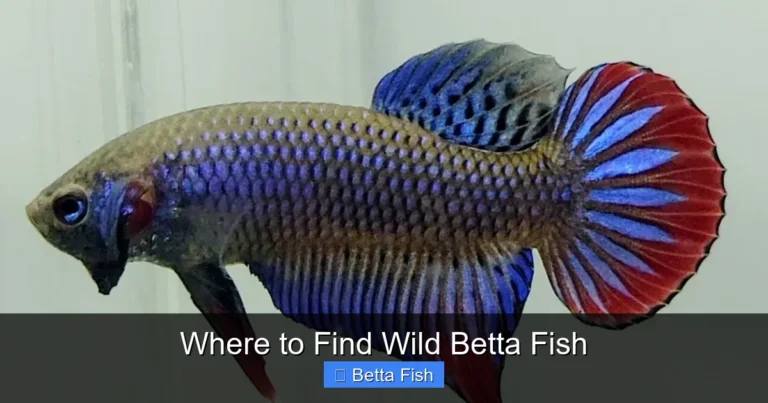
Can Baby Betta Fish Eat Flakes
Baby betta fish can eat flakes, but only specific types and in tiny amounts. Choosing high‑quality, small‑particle flakes and supplementing with live or frozen foods ensures healthy growth and strong fins.
Key Takeaways
- Flake size matters: Only very fine, high‑protein flakes are suitable for baby bettas.
- Frequency is low: Feed 2‑3 small meals per day to avoid over‑feeding.
- Supplement is essential: Add live or frozen foods for a balanced diet.
- Watch water quality: Over‑feeding flakes can cloud water and harm fry.
- Transition slowly: Introduce flakes gradually to prevent digestive upset.
- Read labels: Look for flakes formulated for tropical or betta fry.
- Monitor growth: Healthy fry should show steady size increase and active swimming.
📑 Table of Contents
- Introduction: Why the Flake Question Matters
- Understanding Baby Betta Nutrition
- Are Flakes Safe for Baby Betta Fish?
- Choosing the Right Flakes for Fry
- Feeding Techniques: From Flakes to Live Foods
- Monitoring Health and Growth
- Transitioning from Fry to Adult Diet
- Conclusion: Feeding Baby Betta Fish Flakes with Confidence
Introduction: Why the Flake Question Matters
When you bring home a batch of baby betta fish, the first thing on your mind is food. The tiniest fry have delicate mouths and fast metabolisms, so getting the diet right is crucial. Many new owners wonder, can baby betta fish eat flakes? The answer isn’t a simple yes or no—it depends on the flake type, size, and how you feed it.
In this article we’ll break down everything you need to know: the science behind flake digestion, the best flake brands for fry, how to combine flakes with live foods, and practical feeding schedules. By the end, you’ll feel confident feeding your baby bettas safely and effectively.
Understanding Baby Betta Nutrition
What makes fry different from adult bettas?
Baby bettas, also called fry, are less than a month old and typically measure 5‑7 mm. Their digestive tracts are still developing, so they need highly digestible, protein‑rich foods. Protein fuels rapid growth, while fats provide energy for swimming and immune function.

Visual guide about Can Baby Betta Fish Eat Flakes
Image source: petscareworld.com
Key nutrients for healthy development
- Protein (40‑50% of diet): Supports muscle and fin growth.
- Essential fatty acids: Promote vibrant colors and healthy brain development.
- Vitamins A, D, and E: Boost immunity and eye health.
- Minerals (calcium, potassium): Strengthen bones and scales.
Flakes can supply many of these nutrients, but the challenge is delivering them in a size that a fry can actually eat.
Are Flakes Safe for Baby Betta Fish?
Flake size and texture
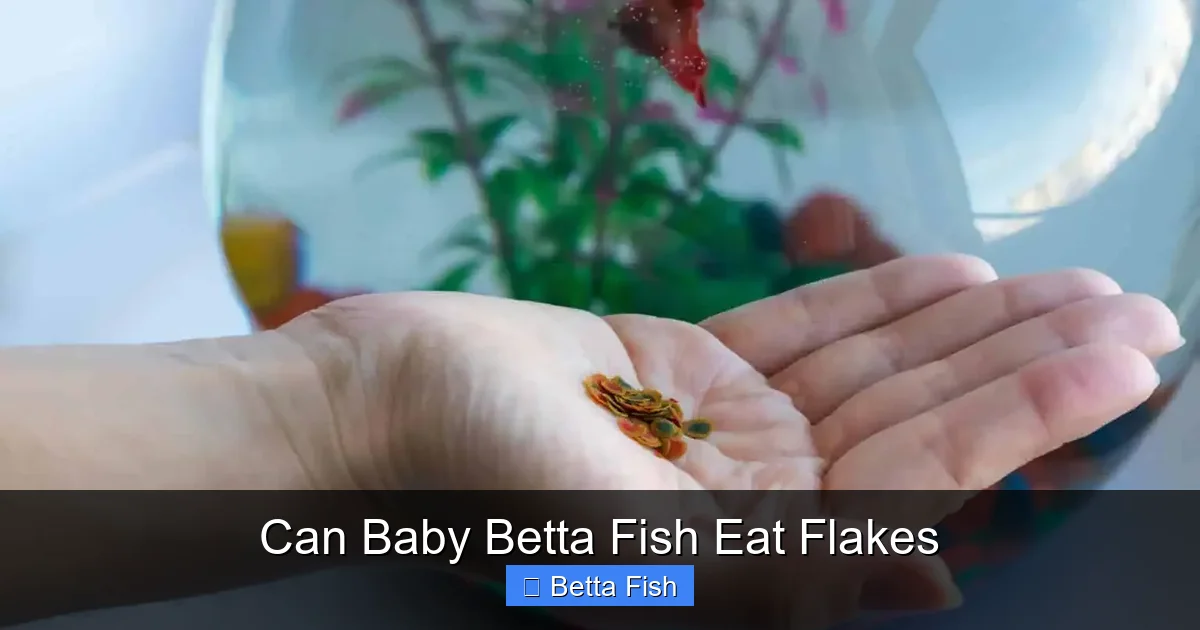
Most standard betta flakes are too large for fry. Look for “micro‑flake” or “tropical fry” varieties that dissolve quickly or crumble to a powder. When a flake is too big, fry will either ignore it or gulp air, leading to swim‑bladder issues.
Visual guide about Can Baby Betta Fish Eat Flakes
Image source: bettasource.com
Protein content matters
High‑protein flakes (≥ 40% protein) are ideal. Low‑protein “goldfish” flakes lack the amino acids fry need and can stunt growth. For a detailed comparison of flake types, see our guide on Can Betta Fish Eat Tropical Flakes.
Potential drawbacks
- Water quality: Uneaten flakes break down, raising ammonia.
- Digestive overload: Over‑feeding can cause constipation.
- Nutrient gaps: Flakes alone rarely meet all vitamin and mineral needs.
Choosing the Right Flakes for Fry
Top recommended brands
- Tetra Betta Flakes – Fry Formula: Tiny particles, 45% protein, fortified with vitamins.
- Hikari Betta Baby Food: Soft pellets that dissolve within seconds, rich in DHA.
- API Betta Bites – Micro‑Flake: Low ash, high digestibility, great for water‑clear tanks.
How to test flake size
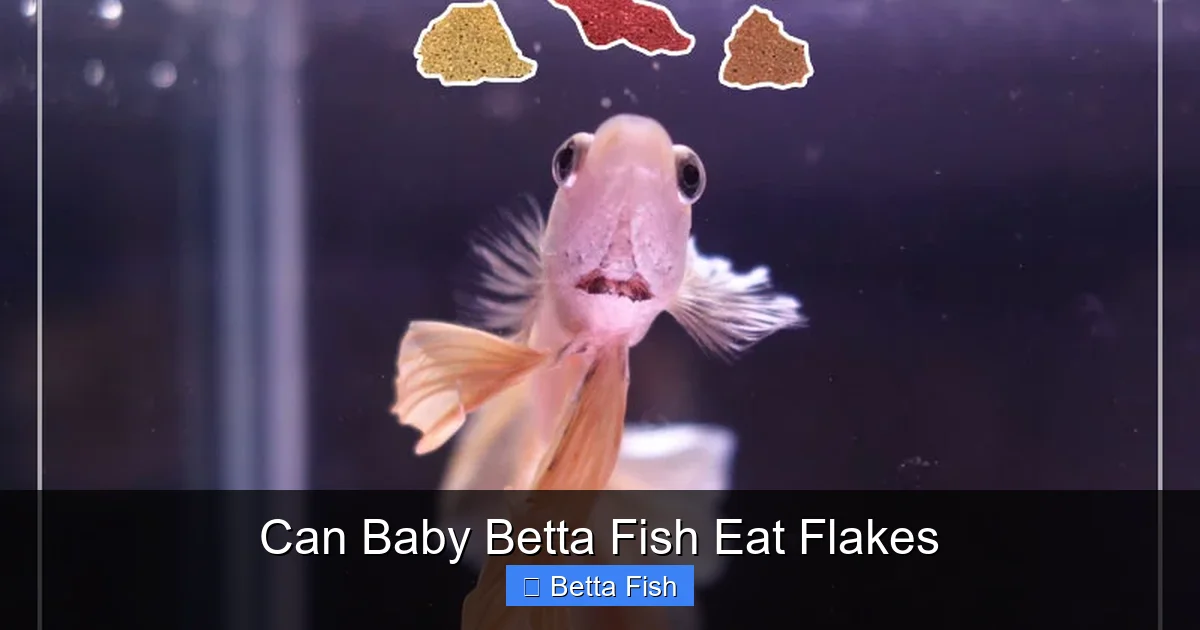
Place a pinch of flakes in a glass of water. If they dissolve or become a fine powder within 30 seconds, they are safe for fry. If they remain chunky, crush them with a mortar and pestle before feeding.
Visual guide about Can Baby Betta Fish Eat Flakes
Image source: smartaquariumguide.com
Reading labels
Look for keywords: “tropical fry,” “micro‑flake,” “high protein,” and “no fillers.” Avoid anything listing wheat, soy, or corn as primary ingredients, as these are hard for fry to digest.
Feeding Techniques: From Flakes to Live Foods
Step‑by‑step flake feeding
- Warm the water to 78‑80 °F (25‑27 °C) – fry feed best in warm water.
- Crush the flakes into a fine powder.
- Suspend the powder in a small drop of water using a pipette or turkey baster.
- Drop the suspension onto the water surface near the fry.
- Observe: fry should rush to the food within a few seconds.
Why you should supplement with live or frozen foods
Live foods like newly hatched Artemia (brine shrimp) and microworms are virtually 100% protein and trigger natural hunting instincts. Frozen foods retain nutrients and are safer than live prey in some cases. Combining flakes with these foods creates a balanced diet.
For more ideas on what else bettas can eat, check out What Can Betta Fish Eat.
Feeding schedule for baby bettas
- Days 1‑7: 4‑6 tiny feedings of crushed flakes mixed with microworm solution.
- Days 8‑14: Reduce to 3 feedings; introduce baby brine shrimp twice a week.
- Weeks 3‑4: 2 feedings of flakes plus daily live/frozen supplement.
Always remove uneaten food after 2‑3 minutes to keep water clean.
Monitoring Health and Growth
What healthy fry look like
Healthy baby bettas are active, display a slight sheen, and grow about 1‑2 mm per day. Their fins should be transparent and un‑spotted. Any discoloration, lethargy, or bloating signals a problem.
Signs of over‑feeding
- Cloudy water within hours.
- Fry floating upside down (possible swim‑bladder issue).
- Excess waste on the tank bottom.
Adjusting the diet
If you notice any of the above, cut back flake portions by half and increase live food frequency. Water changes (25% daily) will also help restore balance.
Transitioning from Fry to Adult Diet
When to wean off flakes
By the time fry reach 10‑12 mm (about 4‑6 weeks), they can handle regular betta flakes and pellets. Gradually increase flake size while reducing live food to 2‑3 times per week.
Introducing adult betta foods
Start mixing adult betta flakes with the remaining fry‑specific flakes. Observe for any feeding reluctance and adjust texture accordingly.
Long‑term dietary plan
A balanced adult diet includes high‑protein flakes, occasional frozen or live treats, and a weekly vegetable supplement (e.g., blanched peas) for fiber.
Conclusion: Feeding Baby Betta Fish Flakes with Confidence
Yes, baby betta fish can eat flakes—provided you choose the right kind, crush them to a fine powder, and feed in tiny, controlled amounts. Pairing flakes with live or frozen foods fills nutritional gaps and encourages natural hunting behavior. By monitoring water quality and fry health, you’ll see your tiny bettas grow into vibrant, active adults.
Remember, the goal is a varied, high‑protein diet that supports rapid growth without compromising water conditions. With the tips above, you’re ready to give your baby bettas the best start possible.
Frequently Asked Questions
Can baby betta fish eat regular betta flakes?
Regular adult flakes are usually too large and low in protein for fry. Choose micro‑flake or fry‑specific varieties instead.
How often should I feed baby betta fish?
Feed 4‑6 small meals per day for the first week, then reduce to 2‑3 meals as they grow, always removing uneaten food quickly.
What is the best live food for betta fry?
Newly hatched brine shrimp (Artemia) and microworms are excellent because they are tiny, highly digestible, and rich in protein.
Will feeding flakes affect water quality?
Uneaten flakes decompose fast, raising ammonia and clouding water. Feed only what fry can consume in a few seconds and perform regular water changes.
Can I switch to adult betta flakes once fry are 10 mm?
Yes. Gradually mix adult flakes with the remaining fry flakes, watching for acceptance. By 4‑6 weeks they should handle regular betta food.
Are there any risks of over‑feeding baby bettas?
Over‑feeding can cause constipation, swim‑bladder problems, and poor water quality. Keep portions tiny and monitor fry activity daily.