Can Aquarium Plants Kill Betta Fish
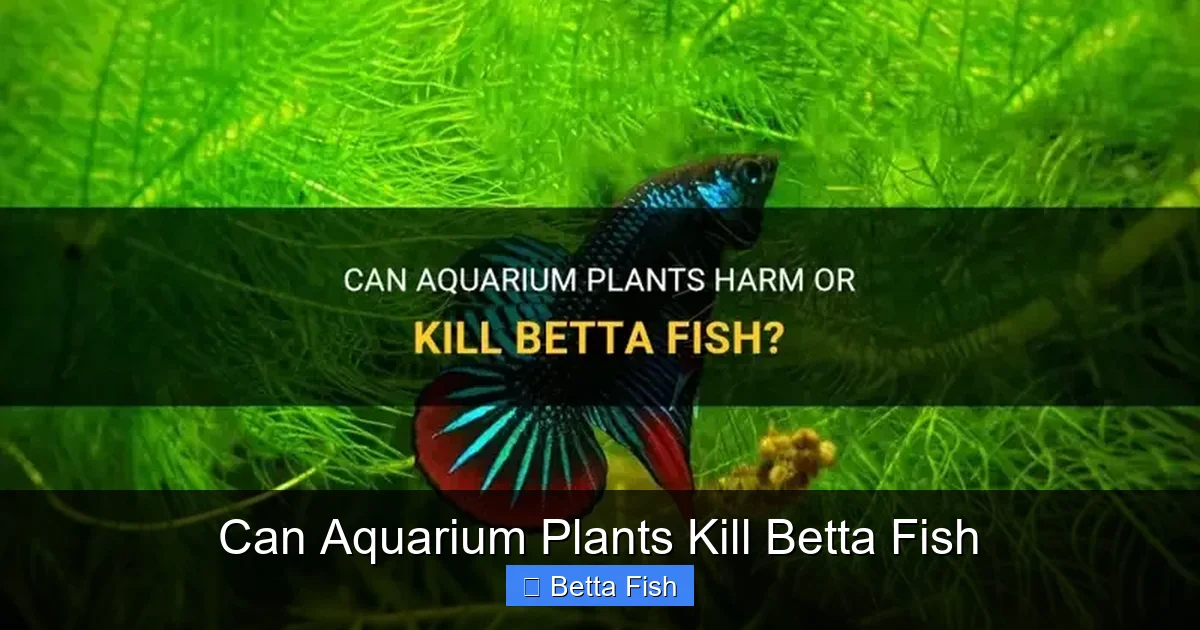
Wondering if your live plants could be harming your betta? In most cases, healthy aquarium plants are safe and even beneficial, but certain species, chemicals, or poor tank conditions can pose risks. Follow our guide to pick the right plants and avoid common pitfalls that could endanger your betta.
Key Takeaways
- Most live plants are safe: They improve water quality and provide hiding spots when chosen wisely.
- Toxic species exist: Some ornamental or terrestrial plants release harmful compounds that can stress or kill bettas.
- Water parameters matter: Poor pH, ammonia spikes, or low oxygen caused by over‑planting can harm your fish.
- Proper planting techniques prevent stress: Secure roots, avoid sharp leaves, and give enough open swimming space.
- Regular maintenance is key: Trim dead leaves, control algae, and monitor water changes to keep both plant and fish healthy.
- Use reputable sources: Buy live plants from reputable sellers to avoid pests and chemicals.
- Know the signs: Early symptoms of plant‑related stress include gasping, faded colors, and fin rot.
📑 Table of Contents
- Introduction: The Curious Case of Plants and Betta Health
- 1. How Live Plants Influence Betta Health
- 2. Toxic Plants: The Ones You Should Avoid
- 3. Safe Plant Choices for Betta Tanks
- 4. Setting Up a Betta‑Friendly Planted Tank
- 5. Common Problems and How to Fix Them
- 6. When to Seek Professional Help
- Conclusion: Grow Green, Keep Safe
Introduction: The Curious Case of Plants and Betta Health
Betta fish, with their dazzling fins and charismatic personalities, are often the star of a small aquarium. Many hobbyists quickly add live plants to create a natural‑looking “jungle” that mimics the betta’s native waters of Southeast Asia. The question that pops up a lot is simple yet crucial: can aquarium plants kill betta fish? The short answer is “usually no,” but the longer answer involves understanding plant toxicity, water chemistry, and tank setup.
In this article we’ll walk through the science behind plant‑fish interactions, list safe and unsafe species, share practical tips for planting, and answer the most common concerns. By the end you’ll feel confident that your planted tank will be a thriving oasis—not a hidden danger.
1. How Live Plants Influence Betta Health
Oxygen Production and Gas Exchange
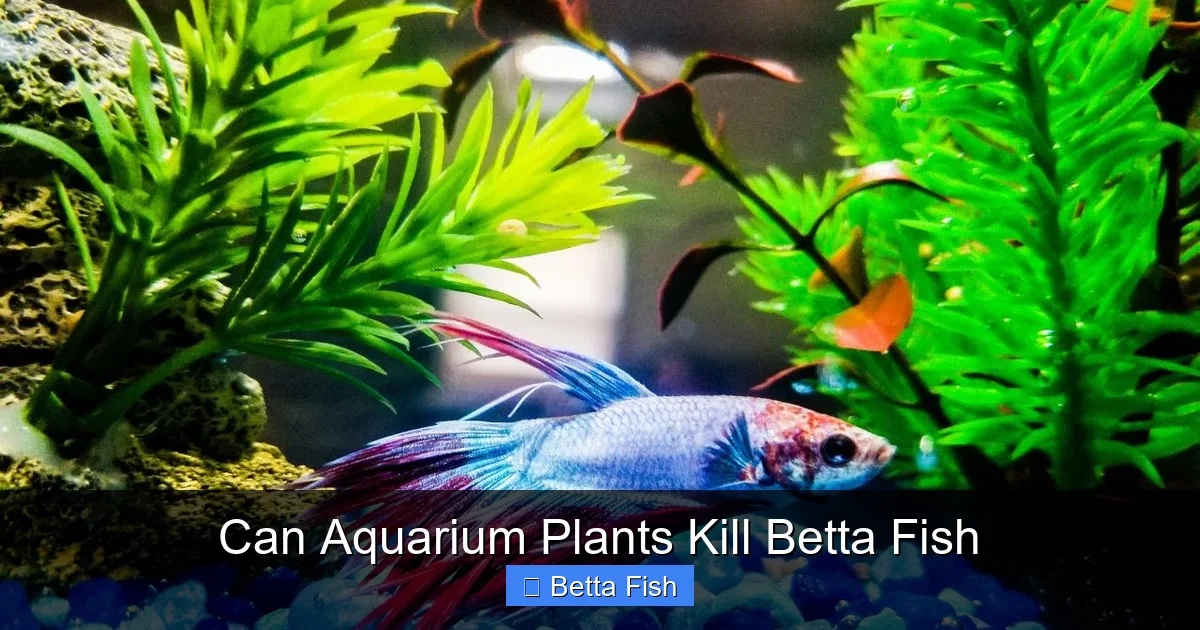
During photosynthesis, healthy plants release oxygen into the water, which bettas use for respiration. In a well‑lit tank, this can raise dissolved oxygen (DO) levels, especially during the daylight hours. However, at night plants switch to respiration and consume oxygen, so over‑planting in a small, poorly‑aerated tank can actually lower DO when the lights are off.
Visual guide about Can Aquarium Plants Kill Betta Fish
Image source: agribotix.com
Natural Filtration
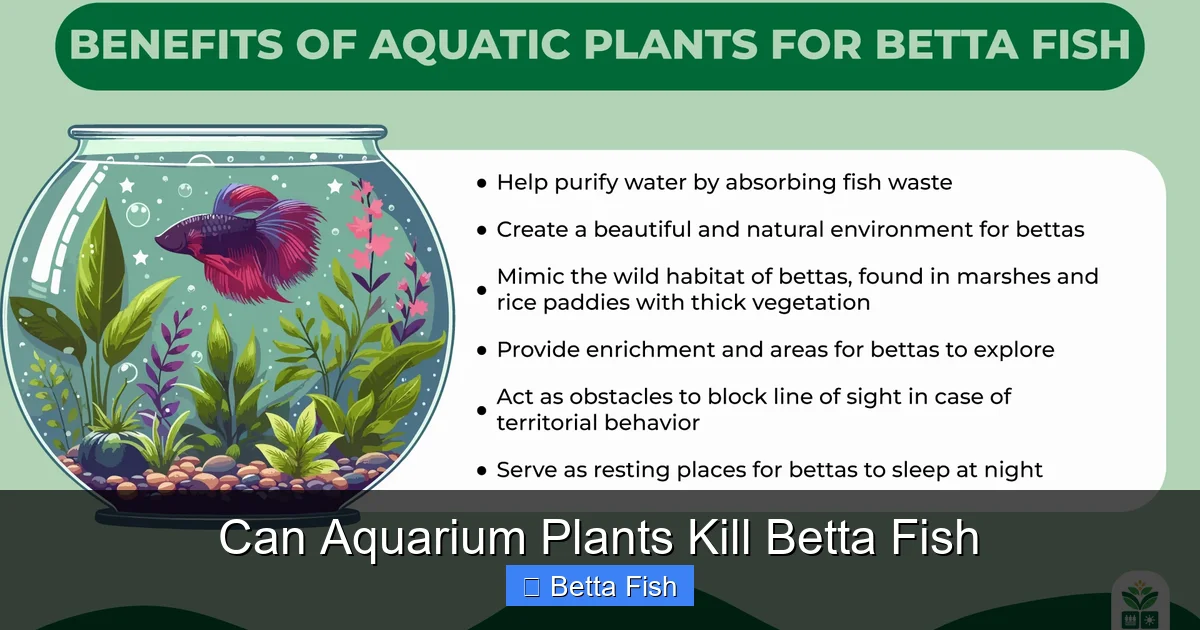
Plants absorb nitrates, phosphates, and some ammonia, acting as a biological filter. This helps keep the water clearer and reduces the likelihood of harmful spikes that could stress a betta. A modest “leaf‑litter” of fast‑growing species like Java moss or Hornwort can make a noticeable difference in water quality.
Behavioral Enrichment
Betta fish love to explore, rest under leaves, and display their fins in front of plants. Providing vertical surfaces and gentle currents near foliage mimics their natural habitat and can reduce aggression and boredom.
2. Toxic Plants: The Ones You Should Avoid
Common Toxic Species
While most aquarium‑grade plants are safe, a few popular ornamental varieties are not meant for submerged life and release toxins:
Visual guide about Can Aquarium Plants Kill Betta Fish
Image source: agribotix.com
- Peace Lily (Spathiphyllum): Contains calcium oxalate crystals that can irritate gills.
- Philodendron and Pothos: Both have insoluble calcium oxalate; even a small leaf fragment can cause respiratory distress.
- Dieffenbachia (Dumb Cane):** Also rich in oxalates, it can cause rapid gill inflammation.
These plants are often sold as “decor” for terrariums, not as true aquatic specimens. If you accidentally drop one into your tank, remove it immediately and perform a partial water change.
Why Some “Aquarium Plants” Turn Out Bad
Some retailers sell “semi‑aquatic” plants that can survive short periods underwater but are not truly adapted. They may release tannins or other organic compounds that temporarily cloud water and lower pH. While not instantly lethal, a sudden pH drop can stress a betta, making it more susceptible to disease.
3. Safe Plant Choices for Betta Tanks
Hardy, Low‑Light Species
If you have a small tank (2‑5 gallons), choose plants that thrive in low light and don’t require a CO₂ injection:
Visual guide about Can Aquarium Plants Kill Betta Fish
Image source: agribotix.com
- Java Fern (Microsorum pteropus): Attaches to rocks or driftwood, gentle leaves, no substrate needed.
- Anubias nana: Slow‑growing, sturdy, and tolerant of a wide pH range.
- Marimo Moss Balls: Fun, low‑maintenance, and actually safe—see our article on Can Moss Balls Kill Betta Fish for details.
Medium‑Light, Fast‑Growing Options
For a slightly larger tank (5‑10 gallons) with moderate lighting, you can add:
- Amazon Sword (Echinodorus amazonicus): Provides broad leaves for betta to rest under.
- Cryptocoryne spp.: Tolerates low to moderate light and adapts to varying water hardness.
- Hornwort (Ceratophyllum demersum): Floats freely, creating a natural “canopy” and absorbs excess nutrients.
Where to Buy Quality Live Plants
Buying from reputable sources reduces the risk of pests, chemicals, or mislabeled toxic plants. Check out our guide on Where To Buy Live Plants For Betta Fish for trusted vendors and tips on quarantining new foliage.
4. Setting Up a Betta‑Friendly Planted Tank
Choosing the Right Substrate
A fine‑grained, inert substrate (e.g., sand or fine gravel) works well for most bettas. If you want a rooted plant like Amazon Sword, a nutrient‑rich substrate such as a planted‑tank soil can be added in a thin layer, then topped with sand to protect the betta’s delicate fins.
Lighting and Photoperiod
Most live plants need 6‑8 hours of light daily. Use a low‑wattage LED fixture and a timer to prevent algae overgrowth. Too much light can cause rapid algae blooms, which deplete oxygen at night and create a stressful environment for your betta.
Plant Placement for Betta Comfort
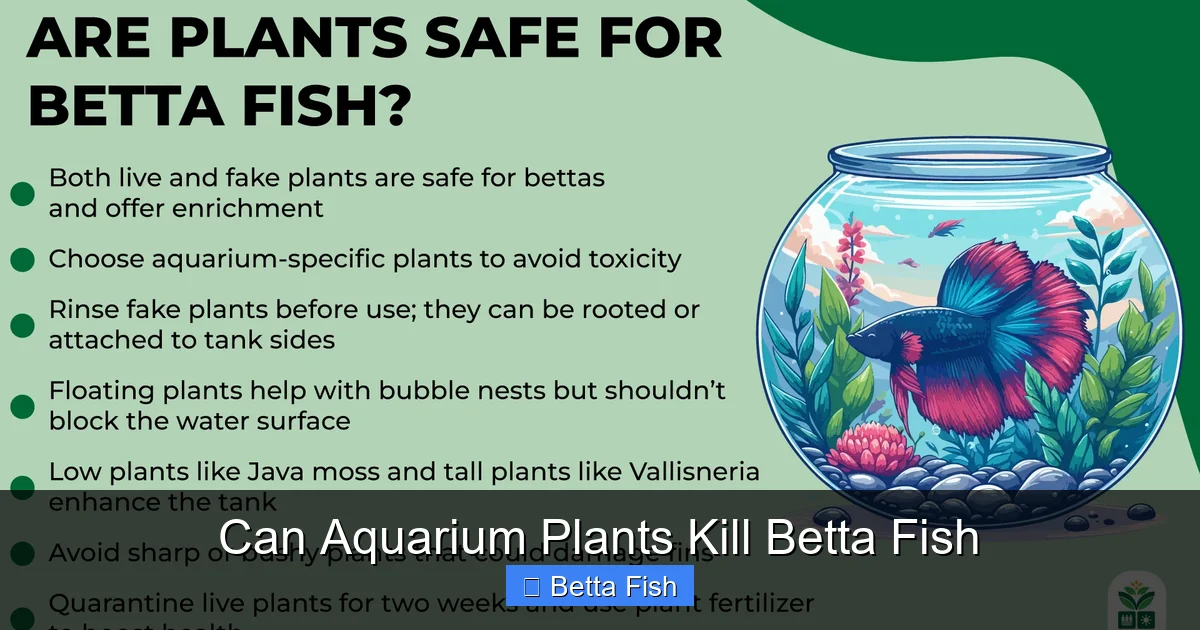
- Leave an open swimming lane: Betta fish love to flare their fins; a 2‑inch wide clear space lets them display fully.
- Use tall plants as background: Anubias or Java Fern attached to driftwood creates depth without crowding.
- Avoid sharp leaves: Cut back any spiky foliage that could tear delicate betta fins.
Water Parameters to Monitor
Betta fish thrive in water that is:
- pH: 6.5‑7.5
- Temperature: 76‑82°F (24‑28°C)
- Ammonia: 0 ppm
- Nitrite: 0 ppm
- Nitrate: < 20 ppm (lower is better)
Regular testing (once a week) helps you catch any plant‑related spikes early. If you notice a sudden rise in nitrates after adding new foliage, perform a 25 % water change.
5. Common Problems and How to Fix Them
Algae Overgrowth
Algae can smother plants and reduce oxygen. To control it:
- Reduce light duration by 1–2 hours.
- Introduce a few algae‑eating snails (but check compatibility; see our article on Can Snails Kill Betta Fish).
- Trim fast‑growing plants to keep nutrient levels balanced.
Fin Damage from Plant Edges
If you see ragged or torn fins, examine the plant leaves. Some species like Baby Tears have fine, serrated edges that can nick delicate betta fins. Replace them with softer foliage or trim the edges.
Sudden Fish Death After Adding New Plants
Possible causes include:
- Acclimation shock from a drastic pH shift.
- Presence of pesticides or herbicides on the plant.
- Introduction of a toxic species.
When this happens, remove the plant, perform a 50 % water change, and test water parameters immediately. Use a water conditioner to neutralize chlorine and chloramine.
Over‑Planting and Low Oxygen
In a tiny tank, too many plants can block water flow, causing low DO at night. Maintain a balance: for a 3‑gallon tank, limit the total plant mass to roughly 30 % of the tank volume. Adding a gentle air stone can offset nighttime oxygen consumption.
6. When to Seek Professional Help
If your betta shows persistent signs of stress—gasping at the surface, loss of color, or frequent hiding—despite proper water changes and plant care, consider consulting a veterinarian who specializes in fish. Sometimes the issue is unrelated to plants, such as an underlying disease or a hidden parasite.
Conclusion: Grow Green, Keep Safe
In most situations, aquarium plants are allies, not enemies, to betta fish. By selecting non‑toxic species, maintaining proper water parameters, and giving your betta enough open space, you create a vibrant habitat that promotes health and natural behavior. Remember to monitor for any sudden changes, keep a regular maintenance schedule, and enjoy watching your betta dance among the leaves. With the right care, the answer to “can aquarium plants kill betta fish?” is a confident “no.”
Frequently Asked Questions
Can a betta fish be harmed by the chemicals in plant fertilizers?
Yes. Liquid or granular fertilizers can release ammonia or heavy metals if overdosed. Use aquarium‑specific fertilizers sparingly and always follow the label instructions.
Are there any fully safe “decorative” plastic plants?
Plastic plants eliminate the risk of toxicity, but they don’t provide oxygen or natural filtration. If you choose plastic, clean them regularly to prevent algae buildup.
What should I do if my betta stops eating after I add new live plants?
Check water parameters for sudden shifts, remove the new plant temporarily, and perform a partial water change. Offer a familiar food source to see if appetite returns.
Do bettas need a specific type of lighting for live plants?
Betas themselves don’t need special lighting, but live plants do. A modest 6‑8 hour LED cycle is enough for low‑light plants; higher‑light species may need stronger fixtures and CO₂ supplementation.
Can I keep snails with my betta to help clean plant debris?
Yes, many snails coexist peacefully, but some bettas may see them as food. Review our guide on Can Snails Kill Betta Fish to choose compatible species.
Is it okay to use tap water with chlorine for a planted betta tank?
Never add untreated tap water directly. Use a water conditioner to neutralize chlorine and chloramine, which can harm both plants and bettas.