Is Goldfish Food Good for Betta Fish
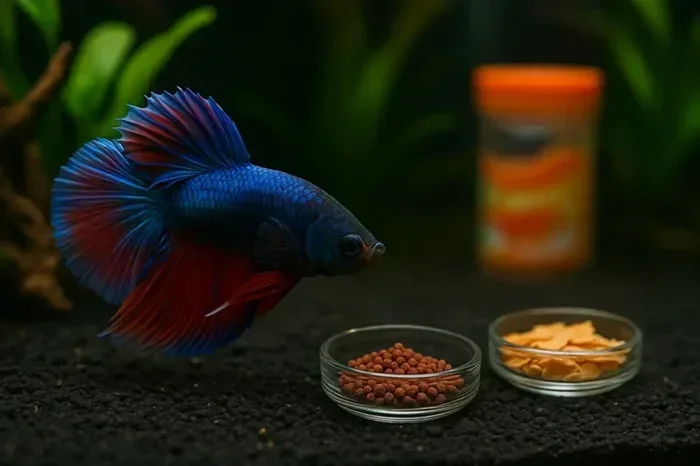
Is goldfish food good for betta fish? The short answer is no. Goldfish food lacks the protein levels and nutrients that betta fish need to thrive. While an occasional nibble won’t harm your betta, making goldfish food a regular meal can lead to serious health problems. This guide breaks down exactly why goldfish food falls short and what you should feed your betta instead.
You just got a beautiful betta fish. You are excited to make it feel right at home. Then you realize you are out of betta food. The only thing in the pantry is a container of goldfish food. So you wonder, is goldfish food good for betta fish?
This is a question a lot of fish owners ask. It makes sense. Fish food is fish food, right? Not exactly. Different fish species have very different nutritional needs. And feeding your betta the wrong food can cause real problems over time.
In this article, we will explore everything you need to know about is goldfish food good for betta fish. We will look at what bettas really need to eat, why goldfish food falls short, and what you should be feeding your betta instead. By the end, you will know exactly how to keep your betta healthy and well-fed.
Key Takeaways
- Goldfish food is not ideal for bettas: It is formulated for a completely different species with different nutritional needs.
- Betta fish need high protein: Bettas are carnivores and require 30-50% protein in their diet, which goldfish food does not provide. Feeding the wrong food can cause health issues: Long-term use of goldfish food can lead to malnutrition, bloating, and a weakened immune system.
- Better alternatives exist: There are many betta-specific foods that are affordable and widely available.
- Occasional nibbles are okay: A small amount of goldfish food won’t hurt, but it should never replace a proper betta diet.
- Always check the ingredients: Look for high-quality protein sources like fish meal, shrimp, and insects on the label.
- A proper feeding schedule matters: Feed your betta 2-3 small meals a day for optimal health and longevity.
📑 Table of Contents
- Understanding Betta Fish Nutritional Needs
- What Is in Goldfish Food?
- Why Goldfish Food Is Bad for Betta Fish
- What Should You Feed Your Betta Fish Instead?
- How Often Should You Feed Your Betta?
- Can Bettas and Goldfish Share the Same Tank?
- Common Mistakes People Make When Feeding Bettas
- Final Thoughts
Understanding Betta Fish Nutritional Needs
Before we dive into whether goldfish food works, let us talk about what bettas actually need. Bettas are carnivorous fish. That means their bodies are designed to digest and use animal-based proteins. They are not omnivores like goldfish. This is a huge difference.
Why Bettas Need a High-Protein Diet
Betta fish come from the warm, shallow waters of Southeast Asia. In the wild, they eat insects, larvae, and small crustaceans. Their bodies are built to process protein-rich foods efficiently. A healthy betta diet should contain around 30 to 50 percent protein.
When bettas do not get enough protein, things start to go wrong. Their colors fade. Their energy drops. Their immune system weakens. Over time, they become more vulnerable to diseases. A proper betta diet keeps their colors vibrant, their fins flowing, and their immune system strong.
Key Nutrients Bettas Require
Bettas need more than just protein. Here are the essential nutrients they require:
- Protein: The building block for muscle, fins, and overall growth.
- Fiber: Helps with digestion and prevents bloating.
- Fatty acids: Support healthy fins and skin.
- Vitamins: Especially vitamins A, C, and E for immune health.
- Minerals: Calcium and phosphorus for strong bones and scales.
Now, let us compare this to what goldfish food offers. Goldfish are omnivores. They eat both plant matter and small animals. Their food is designed to be lower in protein and higher in carbohydrates. This is the first major problem with using goldfish food for bettas.
What Is in Goldfish Food?
To understand why goldfish food is not great for bettas, it helps to look at what is actually in it. Most goldfish flakes and pellets contain similar ingredients. Let us break it down.
Common Ingredients in Goldfish Food
Goldfish food typically includes:
- Plant-based proteins: Like soy and wheat germ.
- Carbohydrates: From grains like corn and wheat.
- Lower animal protein: Usually around 15 to 25 percent.
- Fillers: Ingredients that add bulk but little nutrition.
- Artificial colors: To make the food more appealing to fish owners.
None of these ingredients are ideal for a betta fish. Bettas struggle to digest plant matter and carbohydrates. Their digestive systems are short and designed for animal-based proteins. When you feed them goldfish food, they may eat it, but they are not getting the nutrition they truly need.
Can You Feed Your Betta Fish Goldfish Food in a Pinch?
If you are in a pinch and have nothing else, a small amount of goldfish food will not kill your betta. But it should not become a habit. Think of it like a human eating a meal without vegetables. One missed meal is fine. But long-term poor nutrition leads to serious health issues.
If you ever find yourself without betta food, Can Betta Fish Live Without Food For A Week is a helpful article to read. Bettas can survive short periods without food, but you should not test that limit regularly.
Why Goldfish Food Is Bad for Betta Fish
Now that we know what goldfish food contains, let us look at the specific problems it causes for bettas. This is where things get important.
Nutritional Imbalance
The biggest issue is the nutritional imbalance. Goldfish food is too low in protein and too high in fillers and carbohydrates. Over time, this can lead to malnutrition. Your betta might look fine on the outside for a while, but internally, its body is not getting what it needs.
Malnutrition in bettas can show up as:
- Faded colors: Bettas lose their vibrant reds, blues, and greens.
- Clamped fins: Fins fold close to the body instead of flowing gracefully.
- Low energy: Your betta becomes less active and playful.
- Loss of appetite: A malnourished betta may stop eating altogether.
Digestive Problems
Bettas have a sensitive digestive system. They are not designed to process large amounts of plant matter. Goldfish food is loaded with fillers like wheat and corn. These can cause bloating, constipation, and swim bladder issues in bettas.
Swim bladder problems are especially serious. They can make it hard for your betta to swim properly. Your fish might float sideways or struggle to stay upright. It is not a pretty sight, and it is entirely preventable with the right food.
Weakened Immune System
A betta that does not get proper nutrition has a weakened immune system. This makes it more susceptible to common fish diseases like fin rot, ich, and fungal infections. A strong diet is one of the best ways to keep your betta healthy and disease-free.
What Should You Feed Your Betta Fish Instead?
The good news is that there are plenty of great food options for bettas. You do not need to spend a fortune either. Let us look at the best choices.
Betta-Specific Flakes and Pellets
The easiest and most convenient option is betta-specific food. High-quality betta flakes and pellets are formulated to meet all of your betta’s nutritional needs. Look for brands that list a protein source as the first ingredient.
When shopping, check the label. The first ingredient should be something like fish meal, shrimp meal, or insect protein. Avoid foods where wheat, corn, or soy are listed first. These are fillers, not nutrition.
If you want to learn more about choosing the right food, What Is The Best Food For Betta Fish is a great resource that dives deeper into top product recommendations.
Live and Frozen Foods
Bettas love live and frozen foods. These are the closest thing to what they would eat in the wild. Great options include:
- Brine shrimp: Rich in protein and easy to find.
- Bloodworms: A betta favorite. High in protein and very appetizing.
- Daphnia: Great for digestion and helps prevent bloating.
- Mosquito larvae: A natural betta treat they will go crazy for.
Frozen foods are convenient and just as nutritious as live foods. You can buy them in small cubes and thaw them before feeding. They are a great staple to keep on hand.
Freeze-Dried Foods
Freeze-dried foods are another excellent option. They are convenient, long-lasting, and packed with protein. Just make sure to soak them in tank water before feeding. This prevents them from expanding in your betta’s stomach, which can cause bloating.
Freeze-dried brine shrimp and bloodworms are widely available and affordable. They make a great supplement to your betta’s regular diet.
Homemade Betta Food
If you are feeling adventurous, you can make homemade betta food. Simple recipes include blending cooked shrimp, fish, or insects into a paste. You can freeze small portions and thaw them as needed. Just make sure to avoid any seasonings, oils, or additives.
How Often Should You Feed Your Betta?
Feeding frequency matters just as much as food quality. Overfeeding is one of the most common mistakes betta owners make. It can lead to obesity, bloating, and dirty tank water.
Recommended Feeding Schedule
Here is a simple feeding guide for your betta:
- Feed 2 to 3 times a day: Small portions, not large ones.
- Amount per feeding: Only what your betta can eat in 2 to 3 minutes.
- Skip one day a week: This helps with digestion and prevents overfeeding.
If you ever need to leave your betta alone for a few days, remember that Can Betta Fish Live Without Food For 2 Days is a common concern. Bettas can easily handle a weekend without food. In fact, a short fasting period can be beneficial for their digestive system.
Signs You Are Overfeeding
Watch out for these signs that you are feeding too much:
- Food left uneaten after 5 minutes.
- Cloudy or dirty tank water shortly after feeding.
- Your betta looks bloated or has a swollen belly.
- Your betta is less active than usual.
If you notice any of these, cut back on the amount and frequency of feedings. Your betta will be healthier for it.
Can Bettas and Goldfish Share the Same Tank?
This is a related question that comes up often. While we are on the topic of goldfish and betta food, some owners wonder if these two fish can live together. The short answer is no. Bettas and goldfish have very different needs.
Goldfish produce a lot of waste and need cooler water temperatures. Bettas need warm water, typically between 78 and 80 degrees Fahrenheit. Goldfish also grow quite large and need much bigger tanks. Keeping them together is stressful for both fish.
If you are considering tank mates for your betta, look for species that share similar water parameters and temperament. Is A 5 Gallon Tank Good For A Betta Fish is a useful guide to help you set up the right environment for your betta.
Common Mistakes People Make When Feeding Bettas
Let us quickly go over some of the most common feeding mistakes betta owners make. Avoiding these will keep your fish healthy and happy.
Mistake 1: Feeding Only Flakes
Flakes alone do not provide a complete diet for bettas. They lack the protein density and variety that bettas need. Use flakes as a supplement, not the main course.
Mistake 2: Overfeeding
Bettas have small stomachs. They look hungry all the time, but they do not need as much food as you think. A few pellets or a small pinch of flakes per feeding is plenty.
Mistake 3: Ignoring Food Quality
Cheap fish food is full of fillers and artificial ingredients. Spending a little more on quality food pays off in better health and a longer lifespan for your betta.
Mistake 4: Changing Food Too Quickly
If you want to switch your betta’s food, do it gradually. Mix the new food with the old food over a week. Sudden diet changes can cause digestive upset.
Final Thoughts
So, is goldfish food good for betta fish? The answer is clear. Goldfish food is not a suitable replacement for a proper betta diet. It lacks the protein and nutrients that bettas need to thrive. While a tiny nibble in an emergency is not the end of the world, it should never be a regular meal.
Invest in quality betta-specific food. Your fish will live longer, look more vibrant, and stay healthier. A good diet is one of the simplest and most effective ways to care for your betta. Combine that with clean water, a proper tank size, and a consistent feeding schedule, and your betta will be happy for years to come.
If you want to explore more about betta care, check out Can You Feed Your Betta Fish Goldfish Food for additional insights on this topic. Your betta deserves the best. Start with the right food and everything else will fall into place.
Frequently Asked Questions
Can goldfish food kill a betta fish?
Goldfish food will not kill a betta fish immediately. However, feeding it regularly can lead to malnutrition, digestive problems, and a weakened immune system over time. These issues can shorten your betta’s lifespan significantly. Always choose betta-specific food for regular meals.
What happens if my betta eats goldfish food?
If your betta eats a small amount of goldfish food, it will likely be fine. You might notice some bloating or digestive discomfort. If it happens once, there is no need to panic. Just make sure it does not become a habit and return to feeding proper betta food as soon as possible.
How long can a betta fish go without food?
A healthy adult betta can go without food for up to two weeks, though this is not recommended. Most bettas do well with a feeding schedule of 2 to 3 small meals per day. Skipping one day a week can actually benefit their digestion. For more details, see our guide on Can Betta Fish Live Without Food For A Week.
Is betta food the same as goldfish food?
No, they are very different. Betta food is formulated with high protein levels to match a betta’s carnivorous diet. Goldfish food contains more carbohydrates and plant-based ingredients suited for omnivorous goldfish. Using the wrong food can lead to nutritional deficiencies in your fish.
Can I feed my betta goldfish flakes once a week?
Feeding goldfish flakes once a week is unlikely to cause harm, but it is not necessary. There is no nutritional benefit for your betta. Stick to a consistent diet of betta-specific food supplemented with occasional treats like frozen brine shrimp or bloodworms for the best results.
What is the best food for betta fish?
The best food for betta fish is high-quality betta-specific pellets or flakes with a protein content of at least 30 percent. Look for brands that list real animal protein as the first ingredient. Supplementing with frozen or freeze-dried foods like brine shrimp and bloodworms adds variety and extra nutrition.
=== INTERNAL LINKS USED ===
1. What Is The Best Food For Betta Fish
2. Can Betta Fish Live Without Food For A Week
3. Can Betta Fish Live Without Food For 2 Days
4. Is A 5 Gallon Tank Good For A Betta Fish
5. Can You Feed Your Betta Fish Goldfish Food