How Many Times Do Betta Fish Need to Be Feed
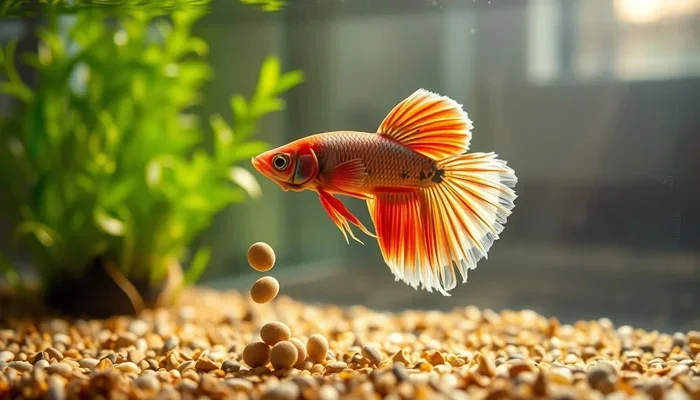
How many times do betta fish need to be feed? Most experts recommend feeding your betta fish 2 to 3 times a day in small portions. A proper feeding routine keeps your betta healthy, active, and free from common issues like overfeeding and bloating.
If you own a betta fish, you have probably wondered how many times do betta fish need to be feed. This is one of the most common questions new fish owners ask. The answer might surprise you. Unlike some other pets, betta fish do not need large meals. They thrive on small, frequent feedings that mimic their natural eating habits in the wild.
Getting the feeding frequency right is one of the simplest yet most powerful things you can do for your betta’s health. A good betta fish feeding schedule boosts energy, improves color, and can even extend your fish’s lifespan. On the other hand, poor feeding habits lead to bloating, poor water quality, and stress. This guide covers everything you need to know about feeding your betta the right way.
Whether you are a complete beginner or have had bettas for years, you will find practical tips here. We will cover how often to feed, what to feed, portion sizes, and common mistakes to avoid. By the end, you will feel confident about your betta fish care routine. Let us dive in.
Key Takeaways
- Feed 2 to 3 times daily: This is the ideal frequency for most adult betta fish to maintain energy and health.
- Small portions matter: Only give what your betta can eat in 2 minutes to prevent overfeeding and water contamination.
- Variety is key: Rotate between pellets, frozen bloodworms, and daphnia for balanced betta fish nutrition.
- Watch for warning signs: Loss of appetite, bloating, and lethargy often signal feeding problems that need quick attention.
- Consistency beats quantity: A steady feeding schedule does more for your betta’s health than large, infrequent meals.
- Adjust for special needs: Baby bettas, sick fish, and fish on vacation all require different feeding approaches.
📑 Table of Contents
- How Many Times Do Betta Fish Need to Be Feed Each Day
- What to Feed Your Betta Fish for Optimal Health
- Signs You Are Feeding Your Betta Too Much or Too Little
- Creating the Perfect Feeding Schedule for Your Betta
- Special Feeding Situations You Should Know About
- Common Betta Feeding Mistakes to Avoid
- Conclusion: Mastering Your Betta Fish Feeding Routine
How Many Times Do Betta Fish Need to Be Feed Each Day
The short answer is 2 to 3 times a day. This is the standard recommendation from most aquarium experts and experienced betta keepers. But why this number? Betta fish have small stomachs. In the wild, they eat tiny amounts of food throughout the day rather than one big meal.
Feeding your betta two to three times daily helps replicate this natural pattern. Each meal should be small. Think of it like snacking throughout the day instead of eating three large meals. This approach keeps your betta’s metabolism steady and prevents digestive issues.
If you are new to betta keeping, you might wonder whether how many times do betta fish need to be feed changes with age. The answer is yes. Baby bettas, also called fry, need more frequent feedings. Adult bettas do well with twice or three times daily. Senior fish may need slightly less. We will cover these differences in more detail below.
Why Frequency Matters More Than Quantity
Many beginners make the mistake of feeding their betta one large meal. They think fewer feedings mean less work. But this approach can backfire. A single large meal can cause bloating, constipation, and swim bladder problems. Your betta’s digestive system works best with small, regular meals.
Portion control is just as important as frequency. A good rule of thumb is to offer only what your betta can finish in about 2 minutes. If food falls to the bottom of the tank and sits there, you are giving too much. Uneaten food decays quickly and pollutes the water, which harms your fish.
What to Feed Your Betta Fish for Optimal Health
Not all fish food is created equal. Bettas are carnivores by nature. They need a diet rich in protein. Understanding what to feed is just as important as knowing how many times do betta fish need to be feed.
The Best Foods for Betta Fish
Here are the top food options for your betta:
- Betta pellets: These are specifically formulated for bettas. They sink slowly, which is perfect for your fish’s feeding behavior. Look for high-quality pellets with real fish meal as the first ingredient. Many owners rely on pellets as their betta’s staple food.
- Frozen bloodworms: These are a favorite treat for bettas. They are packed with protein and smell irresistible to your fish. Use them as a supplement, not a main meal. A small amount once or twice a week works great.
- Daphnia: Also called water fleas, daphnia are excellent for bettas. They act as a natural laxative and help prevent constipation. You can buy freeze-dried or frozen daphnia at most pet stores.
- Brine shrimp: Another great protein source. Live or frozen brine shrimp make an excellent occasional treat that boosts your betta’s energy and color.
Can You Feed Betta Fish Other Types of Food?
Some owners wonder about alternatives like flakes or even goldfish food. The truth is, betta pellets are far superior. Flakes often lack the protein content bettas need. If you want to learn more about food options, check out this article on whether goldfish food can be fed to betta fish for important safety information.
You should also avoid feeding your betta human food. Bread, crackers, and processed snacks offer no nutritional value and can seriously harm your fish. Stick to foods designed for bettas or other carnivorous fish.
Signs You Are Feeding Your Betta Too Much or Too Little
One of the trickiest parts of betta care is finding the right balance. Both overfeeding and underfeeding cause problems. Learning to read your fish’s body language helps you adjust the routine quickly.
Signs of Overfeeding
Overfeeding is the number one mistake betta owners make. Watch for these red flags:
- Bloating: If your betta’s belly looks swollen and tight, you are likely feeding too much. A healthy betta has a slightly rounded belly, not a bloated one.
- Uneaten food in the tank: Food sitting on the substrate or floating after feeding is a clear sign you are giving too much.
- Cloudy water: Excess food decays fast and can cause ammonia spikes. If your water turns cloudy shortly after feeding, reduce the amount.
- Lethargy: An overfed betta may become less active and spend more time resting near the bottom of the tank.
Signs of Underfeeding
Underfeeding is less common but still a concern. Signs include:
- Weight loss: A visibly thin or gaunt betta is not getting enough food.
- Loss of color: Bettas that are underfed often look faded and dull. Their vibrant colors may fade noticeably.
- Aggressive behavior: Some bettas become more aggressive or restless when they are hungry.
- Refusing food occasionally: This can be normal, but if it happens regularly, your fish may need more food or a different type of food.
Creating the Perfect Feeding Schedule for Your Betta
A consistent feeding schedule does wonders for your betta’s health and behavior. Bettas thrive on routine. When you feed them at the same times each day, they become more active and excited during feeding time.
Sample Daily Feeding Schedule
Here is a simple and effective schedule you can follow:
- Morning feeding (8-9 AM): Offer 2 to 3 betta pellets. This starts your fish’s day with energy. Morning feedings work well because bettas are naturally active during the day.
- Afternoon feeding (1-2 PM): Give a small pinch of pellets or 1 to 2 frozen bloodworms. This mid-day meal keeps your betta satisfied.
- Evening feeding (6-7 PM): Offer another small portion of pellets. This is the last meal before your betta rests for the night.
If you find this schedule too complex, simply feeding twice a day with small portions works perfectly fine. The key is consistency. Pick times you can stick to every day, even on weekends.
How Many Pellets Per Feeding
Portion size depends on the size of the pellets and your fish. As a general guide, 2 to 3 pellets per feeding is a safe starting point. If your betta finishes all the food within 2 minutes, you can add one more pellet next time. For detailed guidance on portions, you can also read this helpful guide on how many pellets to feed betta fish daily.
Special Feeding Situations You Should Know About
Not every betta feeding situation is the same. Certain circumstances require adjustments to your normal routine. Being prepared for these situations keeps your fish healthy and stress-free.
Feeding Baby Betta Fish (Fry)
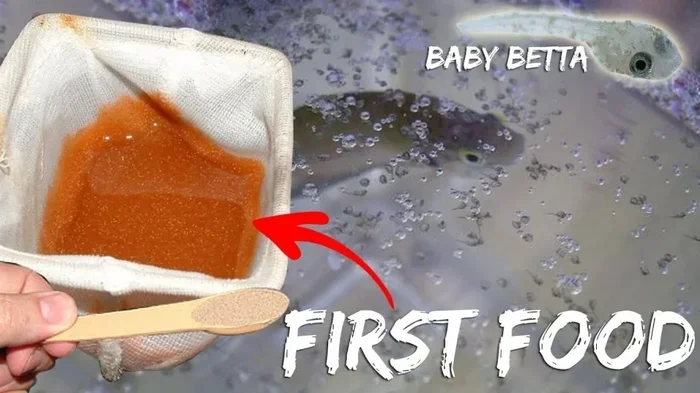
Baby bettas need more frequent meals than adults. Fry should be fed 3 to 5 times a day with very small amounts of food. Infusoria, baby brine shrimp, and finely crushed pellets work well for young bettas. Their tiny stomachs cannot handle large meals, so frequent small feedings are essential.
Feeding Your Betta While on Vacation
Going on vacation does not mean your betta goes hungry. For trips lasting 2 to 3 days, your betta can safely skip meals. Bettas can go without food for several days without any harm. For longer trips, consider an automatic feeder or ask a friend to feed your fish. Learn more about this topic in our article on how to feed your betta fish for practical vacation feeding tips.
Feeding a Sick or Recovering Betta
If your betta is recovering from illness, its appetite may change. Offer smaller, more frequent meals during recovery. Soaking pellets in tank water before feeding can make them easier to digest. You might also try offering live or frozen daphnia, which has a gentle laxative effect that supports digestion.
Do Betta Fish Need to Be Fed Every Day?
Yes, adult bettas should be fed every day. Skipping a day occasionally is not harmful and can even help with digestion. But making a habit of skipping days is not recommended. For more details on this topic, check out whether betta fish have to be fed every day.
Common Betta Feeding Mistakes to Avoid
Even experienced betta owners sometimes make feeding errors. Here are the most common mistakes and how to avoid them:
- Feeding too much at once: This is the most common mistake. Large meals cause bloating and water quality issues. Always stick to small portions your betta can finish quickly.
- Skipping days regularly: Some owners think bettas need fasting days like goldfish. This is a myth. Bettas do best with daily feeding in consistent amounts.
- Relying on one food type: A varied diet keeps your betta healthy. Rotate between pellets, frozen foods, and occasional treats for the best results.
- Feeding at random times: Irregular feeding schedules stress your betta. Set specific times and stick to them. Your fish will thank you with better behavior and color.
- Ignoring uneaten food: Food left in the tank decays and releases harmful ammonia. Always remove any uneaten food within a few minutes of feeding.
Quick Tips for Better Betta Feeding
Keep these quick tips in mind every time you feed your betta:
- Always wash your hands before feeding to avoid introducing contaminants.
- Use a small feeding spoon or tweezers for precise portion control.
- Watch your betta eat to ensure it is actually consuming the food.
- Adjust portions based on your fish’s body condition and activity level.
- Keep the tank lights on during feeding to encourage natural eating behavior.
Conclusion: Mastering Your Betta Fish Feeding Routine
So, how many times do betta fish need to be feed? The answer is clear: 2 to 3 times a day with small, protein-rich portions. This simple routine, combined with the right food and consistent timing, sets the foundation for a healthy and happy betta fish.
Remember that every betta is slightly different. Age, activity level, and overall health all play a role in determining the perfect feeding plan. Start with the guidelines in this article and adjust based on your fish’s behavior and appearance. A well-fed betta displays vibrant colors, active swimming, and a healthy appetite.
Take the time to build a feeding routine that works for you and your fish. Small, consistent efforts make a big difference over time. Your betta will reward you with years of beauty and companionship. Happy feeding.
Frequently Asked Questions
How many times a day should I feed my betta fish?
Most experts recommend feeding your betta fish 2 to 3 times a day. Each feeding should be a small portion that your fish can finish within 2 minutes. This routine mimics how bettas eat in the wild and keeps their digestion working properly.
Can I feed my betta fish once a day?
While once-daily feeding will not immediately harm your betta, it is not ideal. Bettas do best with 2 to 3 smaller meals spread throughout the day. If you can only feed once a day, make sure the portion is appropriate and consider adding a day of fasting each week to support digestion.
What happens if I overfeed my betta fish?
Overfeeding causes bloating, constipation, and swim bladder issues in bettas. Excess food also decays quickly, polluting the water and raising ammonia levels. This can lead to serious health problems and even death if not addressed quickly.
How do I know if I am feeding my betta enough?
A well-fed betta has a slightly rounded but not swollen belly, vibrant colors, and steady energy levels. If your fish is losing weight, looking dull, or acting restless, it may need more food or a different feeding schedule. Adjust gradually and observe your fish’s response.
Is it okay to skip feeding my betta for a day?
Yes, skipping one day of feeding occasionally is perfectly fine. In fact, a light fasting day can help your betta’s digestion. However, making a habit of skipping days is not recommended for long-term health and vitality.
What is the best food to feed a betta fish?
High-quality betta pellets should form the foundation of your fish’s diet. Supplement these with frozen or live foods like bloodworms, daphnia, and brine shrimp for variety. Avoid flakes and human food, as they lack the protein bettas need.