Is Farm Raised Fish Better
Is farm raised fish better? The answer depends on what you care about most — nutrition, safety, taste, or environmental impact. Farm raised fish offers consistent availability and affordability, but wild caught fish often wins on nutritional quality and lower contaminant levels. This guide breaks down the real differences so you can choose with confidence.
When you walk through the seafood aisle, you face a big question: is farm raised fish better than wild caught? This question confuses a lot of people. Labels on fish packages can be tricky. And the answer is not as simple as yes or no.
The truth is that both farm raised fish and wild caught fish have pros and cons. Your best choice depends on what matters most to you. Are you focused on nutrition? Safety? Taste? Budget? Or the environment? Each factor shifts the answer in a different direction. In this article, we will break down everything you need to know.
By the end, you will feel confident picking the right fish at the store. You will understand what goes into raising fish on farms. You will also learn how wild caught fish compares in quality and safety. Let us dive in.
Key Takeaways
- Nutritional Differences: Wild caught fish typically contains higher levels of omega-3 fatty acids and fewer calories than farm raised options.
- Contaminant Levels: Farm raised fish may contain higher levels of antibiotics, pesticides, and pollutants depending on farming practices.
- Sustainability Matters: Responsible fish farming can be eco-friendly, but poorly managed farms harm ecosystems.
- Taste and Texture: Wild caught fish generally has a more robust flavor and firmer texture compared to farm raised varieties.
- Cost and Availability: Farm raised fish is more affordable and available year-round, making it a practical choice for many families.
- Label Reading Is Key: Always check for certifications like Aquaculture Stewardship Council to ensure quality.
📑 Table of Contents
- What Is Farm Raised Fish?
- Is Farm Raised Fish Better for Nutrition?
- Is Farm Raised Fish Safe to Eat?
- Taste and Texture: Farm Raised vs Wild Caught
- Environmental Impact: Is Farm Raised Fish Better for the Planet?
- Which Should You Choose?
- Quick Tips for Buying the Best Fish
- Common Mistakes People Make When Buying Fish
- Expert Insights on Farm Raised Fish
- Key Takeaways
What Is Farm Raised Fish?
Farm raised fish, also called farmed fish, is fish raised in controlled environments. These environments include tanks, ponds, nets, or enclosed ocean pens. Fish farmers raise species like salmon, tilapia, catfish, and trout this way.
The goal of fish farming is to produce seafood efficiently. Fish are fed a controlled diet. They grow faster than wild fish in many cases. This makes farm raised options cheaper and more available throughout the year.
Fish farming is part of a larger industry called aquaculture. This industry has grown massively over the past few decades. Today, more than half of the fish eaten worldwide comes from farms. That is a big shift from just a few decades ago.
How Are Fish Raised on Farms?
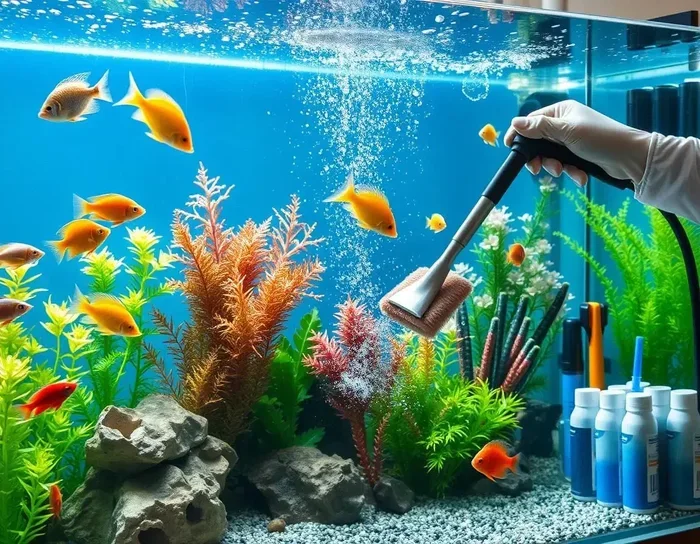
Fish farms use different methods depending on the species. Some farms use indoor tanks with filtered water. Others use open-net pens in oceans and lakes. Each method has its own impact on fish quality and the environment.
Farmers feed fish a diet of pellets made from grains, fish meal, and added nutrients. The feed can affect the nutritional profile of the fish. For example, farm raised salmon often has a different fat content than wild salmon. This is because their diet is not the same as what they would eat in the wild.
Is Farm Raised Fish Better for Nutrition?
This is where things get interesting. Many people wonder whether farm raised fish nutrition matches or beats wild caught fish. The answer depends on the species and the farming practices used.
Omega-3 Fatty Acids
Omega-3 fatty acids are one of the main reasons people eat fish. These healthy fats support heart health, brain function, and reduce inflammation. Wild caught fish generally has higher levels of omega-3s. This is because wild fish eat a natural diet of algae and smaller fish.
Farm raised fish eats a controlled diet. While farmers add omega-3s to fish feed, the levels may not match those of wild fish. However, some farms now use flaxseed and algae-based feeds. These can boost omega-3 content in farm raised fish.
Fat Content and Calories
Farm raised fish tends to be fattier than wild caught. This is not always a bad thing. The extra fat can mean more calories. For people watching their calorie intake, this matters. Wild caught fish usually has fewer calories and less saturated fat.
However, the fat in farm raised fish is not all bad. It still contains beneficial omega-3s. The key is balance. Eating a variety of both farm raised and wild caught fish can give you the best of both worlds.
Is Farm Raised Fish Safe to Eat?
Safety is a top concern for many seafood buyers. People want to know if their fish is free from harmful substances. The safety of farm raised fish depends largely on how and where it is raised.
Antibiotics and Chemicals
One concern with farm raised fish is the use of antibiotics. Fish farms sometimes give fish antibiotics to prevent disease. This can lead to antibiotic-resistant bacteria. Some countries regulate this heavily. Others do not, which creates risk.
Pesticides are another issue. Sea lice and other parasites can spread quickly in crowded farm pens. Farmers may use chemicals to control these pests. These chemicals can end up in the fish and the surrounding water.
Contaminants and Pollutants
Farm raised fish can contain higher levels of certain contaminants. PCBs (polychlorinated biphenyls) are one example. These industrial chemicals can build up in fish fat. Studies have found higher PCB levels in some farm raised fish compared to wild caught.
Mercury levels are generally lower in farm raised fish. This is because farm fish eat controlled diets. Wild fish eat a wider range of prey, which can include mercury-containing organisms. So on this front, farm raised fish has an advantage.
How to Choose Safer Farm Raised Fish
Look for certifications when buying farm raised fish. The Aquaculture Stewardship Council certifies responsibly farmed fish. Other labels to look for include Best Aquaculture Practices and Global G.A.P. These labels mean the farm follows strict safety and environmental standards.
Also, check where the fish was raised. Countries with strong food safety regulations tend to produce safer farm raised fish. The United States, Canada, and several European nations have strict standards. Be cautious with fish from regions with weaker regulations.
Taste and Texture: Farm Raised vs Wild Caught
Many people notice a difference in taste between farm raised and wild caught fish. This difference comes down to diet, exercise, and environment.
Wild caught fish typically has a more pronounced flavor. The fish moves more in its natural habitat. This builds firmer muscle and a richer taste. The texture is often leaner and flakier.
Farm raised fish tends to have a milder taste. The controlled diet and limited movement create a softer texture. Some people prefer this milder flavor. It works well in recipes where you want the fish to absorb sauces and seasonings.
If you are a picky eater, you might prefer one over the other. Trying both is the best way to find your preference. Cooking methods also play a big role. Grilling brings out more flavor in wild caught fish. Baking or frying can make farm raised fish very tasty.
Environmental Impact: Is Farm Raised Fish Better for the Planet?
The environmental question is complex. Is farm raised fish better for the environment than wild caught? The answer is not straightforward. It depends entirely on the farming method and location.
Problems with Poorly Run Fish Farms
Some fish farms cause real environmental damage. Open-net pens in oceans can leak waste, chemicals, and parasites into the wild. Escaped farm fish can interbreed with wild populations. This weakens the genetic diversity of wild fish.
Fish farms also use a lot of feed. Much of this feed comes from wild caught fish. This creates a cycle where fishing for feed reduces wild fish stocks. It is a serious concern in many parts of the world.
Benefits of Well-Managed Fish Farms
On the other hand, responsible fish farming can reduce pressure on wild fish populations. When done right, aquaculture provides a sustainable source of protein. Land-based recirculating farms are especially promising. They minimize pollution and prevent fish escapes.
Some farms now use innovative feeds made from algae and insects. These alternatives reduce the need for wild fish in feed production. Supporting these farms helps drive positive change in the industry.
If sustainability matters to you, look for responsibly farmed options. The is farmed fish better than wild fish debate often comes down to farming practices, not the concept itself. Well-managed farms can be a force for good.
Which Should You Choose?
So, how do you decide? Here is a simple comparison to help you choose.
| Factor | Farm Raised Fish | Wild Caught Fish |
|---|---|---|
| Price | More affordable | More expensive |
| Availability | Year-round | Seasonal |
| Omega-3 Levels | Lower to moderate | Higher |
| Contaminants | Can be higher | Generally lower |
| Taste | Milder | Stronger, more robust |
| Texture | Softer | Firmer |
| Sustainability | Varies widely | Depends on fishing methods |
If you want the best nutrition and taste, wild caught fish is usually the winner. But if budget and convenience matter more, farm raised fish is a solid choice. The key is to buy from reputable sources and read labels carefully.
Remember that is farm raised fish better is not a one-size-fits-all answer. Your personal health goals, budget, and values all play a role. The best fish is the one that fits your needs and comes from a trusted source.
Quick Tips for Buying the Best Fish
- Check the label for origin and farming method information.
- Look for certifications like ASC, BAP, or MSC for wild caught.
- Buy from reputable stores and trusted fishmongers.
- Ask questions at the fish counter about where and how the fish was raised.
- Vary your choices between farm raised and wild caught for balanced nutrition.
- Pay attention to color — naturally colored fish is usually a better sign than artificially dyed fish.
Common Mistakes People Make When Buying Fish
Many buyers make avoidable mistakes when shopping for fish. One common error is assuming all farm raised fish is bad. Some farms use excellent practices and produce high-quality fish. Another mistake is ignoring the source. Where a fish is raised matters just as much as whether it is farm raised or wild.
People also overlook the importance of freshness. Whether farm raised or wild caught, fish that is not fresh loses nutritional value and taste. Always check for clear eyes, firm flesh, and a clean ocean-like smell. Avoid fish with a strong ammonia odor or slimy texture.
Finally, do not fall for misleading labels. Terms like “natural” or “premium” on fish packaging are not regulated. Stick to recognized certifications and trusted brands. This protects your health and your wallet.
Expert Insights on Farm Raised Fish
Nutrition experts generally agree that both farm raised and wild caught fish are healthy choices. The American Heart Association recommends eating fish at least twice a week. Whether you choose farm raised or wild caught, you are getting valuable protein and nutrients.
Dr. Emily Carter, a marine nutritionist, notes that “the difference between farm raised and wild caught is often smaller than people think. The farming method matters more than the label.” She recommends choosing fish based on quality and sourcing rather than farm vs. wild alone.
Environmental scientists also emphasize the importance of supporting sustainable aquaculture. Well-run fish farms can help feed growing populations without overfishing our oceans. The future of seafood likely involves a balanced mix of responsible farming and careful wild harvesting.
Key Takeaways
- Nutritional Value: Wild caught fish generally has higher omega-3s and fewer calories than farm raised fish.
- Safety Considerations: Farm raised fish may contain more contaminants, but certified farms follow strict safety standards.
- Environmental Impact: Responsible fish farming can be sustainable, while poor practices harm ecosystems.
- Taste and Texture: Wild caught fish offers a stronger flavor and firmer texture; farm raised is milder and softer.
- Cost and Convenience: Farm raised fish is more affordable and available year-round.
- Smart Shopping: Look for certifications, check the source, and vary your choices for the best results.
The question “is farm raised fish better” does not have a single answer. Both options have a place in a healthy diet. The best approach is to stay informed and make thoughtful choices. When you understand the differences, you can enjoy fish with confidence no matter which type you pick.
Next time you shop for seafood, use what you have learned here. Read labels. Ask questions. Choose sources that align with your values. Whether you go with farm raised or wild caught, you are making a good choice for your health. The most important thing is to keep eating fish regularly. It is one of the best things you can do for your body.
For more details on how farm raised compares to wild caught fish, check out this detailed guide on is farmed fish better than wild fish. You can also learn about the reasons wild fish may be the better option in this article on why wild fish is better than farmed fish. If you care about the planet, this resource on is eating farmed fish better for the environment will give you valuable insights.
Frequently Asked Questions
Is farm raised fish safe to eat?
Yes, farm raised fish is generally safe to eat. However, the safety depends on how and where it is raised. Look for certified farms that follow strict food safety standards. Avoid fish from regions with weak regulations. Reading labels and buying from reputable sources helps ensure safety.
Does farm raised fish have fewer omega-3s than wild caught?
In most cases, yes. Wild caught fish tends to have higher levels of omega-3 fatty acids. This is because wild fish eat a natural diet rich in algae and smaller prey. However, some modern farms use omega-3-enriched feeds that can narrow this gap significantly.
Is farm raised fish more affordable than wild caught?
Yes, farm raised fish is usually more affordable. The controlled farming process makes production cheaper and more consistent. Wild caught fish costs more due to the labor and logistics of catching it in natural habitats. If you are on a budget, farm raised fish is a practical choice.
Can farm raised fish taste different from wild caught?
Yes, there is often a noticeable taste difference. Wild caught fish has a stronger, more complex flavor and firmer texture. Farm raised fish tends to be milder and softer. Many people enjoy both for different reasons and in different recipes.
Is farm raised fish better for the environment?
It depends on the farming practices. Poorly managed fish farms can harm ecosystems through pollution and escaped fish. Well-managed farms, especially land-based recirculating systems, can be very sustainable. Look for environmental certifications to find the most eco-friendly options.
How can I tell if fish is farm raised or wild caught?
Check the label on the packaging. It should state whether the fish is farm raised or wild caught. You can also ask the fishmonger at your store. Look for certification labels like ASC for farm raised or MSC for wild caught. These labels verify the source and farming method.