Are Fish Bowls Okay for Bettas
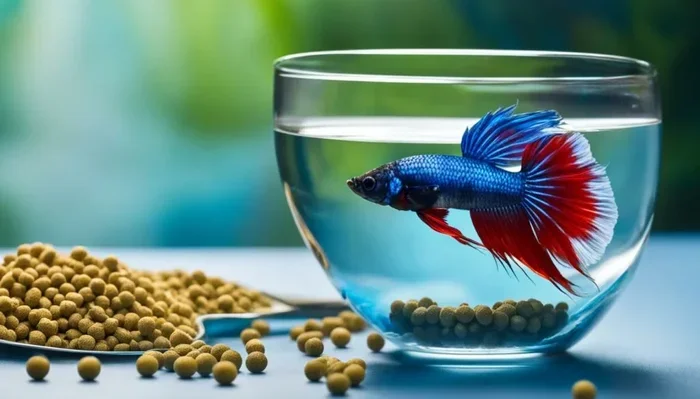
Fish bowls may look cute, but they often lack the space, filtration, and stability bettas need to thrive. Switching to a properly sized, filtered tank can prevent stress, disease, and a short lifespan for your betta.
Key Takeaways
- Size matters: A minimum of 5 gallons is recommended for a single betta.
- Filtration is essential: Without it, waste builds up quickly, harming your fish.
- Temperature control: Betta fish need stable warm water (76‑82°F) that bowls rarely provide.
- Stress reduction: Proper space and hiding spots lower aggression and fin‑rot risk.
- Long‑term health: A well‑set‑up tank promotes growth, vibrant colors, and a longer life.
- Cost vs. benefit: A small upfront investment in a tank saves money on vet bills and replacements.
- Alternative options: If space is limited, consider a 2.5‑gallon breeder tank with a heater and filter.
📑 Table of Contents
Introduction: The Bowl Myth
When you first see a betta swimming in a tiny glass bowl, it looks adorable, doesn’t it? The bright colors, the flaring fins, the little bubbles – it seems like the perfect starter pet. But beneath that cute picture lies a common misconception: many people still believe a bowl is “good enough” for a betta.
In reality, the answer to are fish bowls okay for bettas is a firm “no” for anyone who wants a healthy, active fish. Betta fish are not “low‑maintenance” in the way a goldfish might be; they have specific needs for space, water quality, and temperature that most bowls can’t meet.
Let’s dive into why bowls fall short, what the ideal setup looks like, and practical steps you can take right now to give your betta the best home possible.
Why Bowls Fail Betta’s Basic Needs
1. Not Enough Space
Betta fish are surprisingly active. Though they can survive in small volumes for a short time, they quickly become stressed when cramped. A 1‑gallon bowl forces the fish to swim in circles, limits exercise, and reduces the oxygen that dissolves in the water.
Visual guide about Are Fish Bowls Okay for Bettas
Image source: publicdomainpictures.net
Experts recommend at least a 5‑gallon tank for a single betta. This recommendation is explained in detail in what size tank for a betta fish, and it’s based on the fish’s need for a stable environment and room to display natural behaviors.
2. Lack of Filtration
Bowls typically have no filtration system. Without a filter, waste products (ammonia, nitrite) accumulate fast, leading to cloudy water and disease. A gentle sponge filter or a low‑flow hang‑on filter keeps the water clean without stressing the betta’s delicate fins.
3. Temperature Instability
Betta fish are tropical and thrive at 76‑82°F (24‑28°C). Small bowls lose heat quickly, especially in cooler rooms. A heater rated for at least 5 gallons is essential to maintain a stable temperature, as discussed in what temperature should water be for a betta fish.
4. Poor Water Quality Management
Without a proper substrate, water changes become messy, and beneficial bacteria have nowhere to colonize. In a bowl, you’re forced to change most of the water every few days, which stresses the fish and removes good bacteria.
5. Limited Enrichment
Betta fish love to explore, hide, and rest under leaves or decorations. A bowl offers barely any surface area for plants or ornaments, leading to boredom and fin‑rot from constant stress.
Designing the Ideal Betta Habitat
Choosing the Right Tank
Start with a clear glass or acrylic tank of at least 5 gallons. A longer tank (e.g., 10 gallons) provides even more swimming space and makes temperature regulation easier. If you’re short on floor space, a tall, narrow tank works well.
Visual guide about Are Fish Bowls Okay for Bettas
Image source: publicdomainpictures.net
Setting Up Filtration and Heating
Install a low‑flow filter—betta fish prefer gentle currents. A sponge filter is quiet, cheap, and provides biological filtration. Pair it with a submersible heater set to 78°F (25.5°C) and a reliable thermometer.
Substrate, Plants, and Hiding Spots
Use fine sand or smooth gravel as a substrate. Add live plants like Java moss or Anubias—they improve water quality and give your betta places to rest. For a list of suitable plants, see which live plants are good for betta fish.
Decoration and Layout Tips
- Leave open swimming area: Arrange decorations on one side, leaving a clear zone.
- Use smooth decorations: Avoid sharp edges that can tear fins.
- Provide a lid: Betta fish can jump, and a lid prevents escapes.
Water Maintenance Routine
Test water weekly for ammonia, nitrite, and nitrate. Perform a 25‑30% water change every week, using conditioned water that matches the tank’s temperature. For more on water changes, read how often change water for betta fish.
Common Questions About Bowls and Betta Health
Will a bowl cause my betta to die?
Not immediately, but prolonged exposure to poor water conditions, temperature fluctuations, and stress dramatically shortens a betta’s lifespan—from the typical 3‑5 years down to a few months.
Visual guide about Are Fish Bowls Okay for Bettas
Image source: publicdomainpictures.net
Can I use a bowl temporarily while setting up a tank?
Yes, a bowl can serve as a short‑term holding container (no more than a week) if you keep the water clean, maintain temperature with a heater, and change the water daily.
What signs show my betta is stressed in a bowl?
Look for faded colors, clamped fins, lethargy, rapid breathing at the surface, or frequent hiding. These are red flags that the environment is inadequate.
Transitioning From a Bowl to a Tank
Acclimation Process
Don’t just dump the fish into the new tank. Float the bag (or the bowl) in the new tank for 15‑20 minutes to equalize temperature, then slowly add small amounts of tank water to the bowl over another 15 minutes. Finally, gently release the betta.
Cleaning the Old Bowl
Rinse the bowl with warm water (no soap). Discard any old water, as it may contain harmful bacteria. Use the bowl later for quarantine or as a temporary carrier.
Monitoring After the Move
Watch your betta for 48‑72 hours. It should begin exploring the new space, displaying its fins, and eating normally. If you notice stress signs, check water parameters and ensure the heater is stable.
Cost‑Effective Alternatives When Space Is Tight
Breeder Tanks
A 2.5‑gallon breeder tank with a heater and filter can be a compromise for very limited spaces. It still offers more volume than a typical bowl and allows for proper filtration.
DIY Filters
Simple sponge filters can be made from aquarium sponges and airline tubing, costing under $5 and providing essential bio‑filtration.
Reusable Water Conditioner
Invest in a good water conditioner that removes chlorine and chloramine. This reduces the need for frequent full water changes and protects your betta’s gills.
Conclusion: Make the Right Choice for Your Betta
The short answer to are fish bowls okay for bettas is no—unless you’re prepared to accept a shorter, less vibrant life for your fish. By upgrading to a properly sized, filtered, and heated tank, you give your betta the chance to show off its natural colors, explore its environment, and live a healthy life for years.
Investing a little time and money now prevents heartache later and turns your betta from a “decorative” pet into a thriving, interactive companion. Remember, a happy betta is a sign of a well‑maintained tank, and a well‑maintained tank starts with the right container.
Frequently Asked Questions
Are fish bowls ever acceptable for bettas?
Only as a very short‑term holding container (a few days) while you set up a proper tank. Long‑term use leads to poor water quality and stress.
What is the minimum tank size for a betta?
Most experts agree on at least 5 gallons (19 liters) for a single betta, providing enough space for swimming and stable water conditions.
Do bettas need a filter?
Yes. A gentle filter removes waste, maintains beneficial bacteria, and keeps the water clear without creating strong currents.
How often should I change the water in a betta tank?
Perform a 25‑30% water change weekly, testing for ammonia and nitrite each time to ensure a healthy environment.
Can I keep live plants with a betta in a small tank?
Absolutely. Live plants improve water quality and provide hiding spots. Choose hardy, low‑light plants like Java moss or Anubias.
What temperature should my betta’s water be?
Maintain a stable temperature between 76‑82°F (24‑28°C) with a reliable aquarium heater and thermometer.