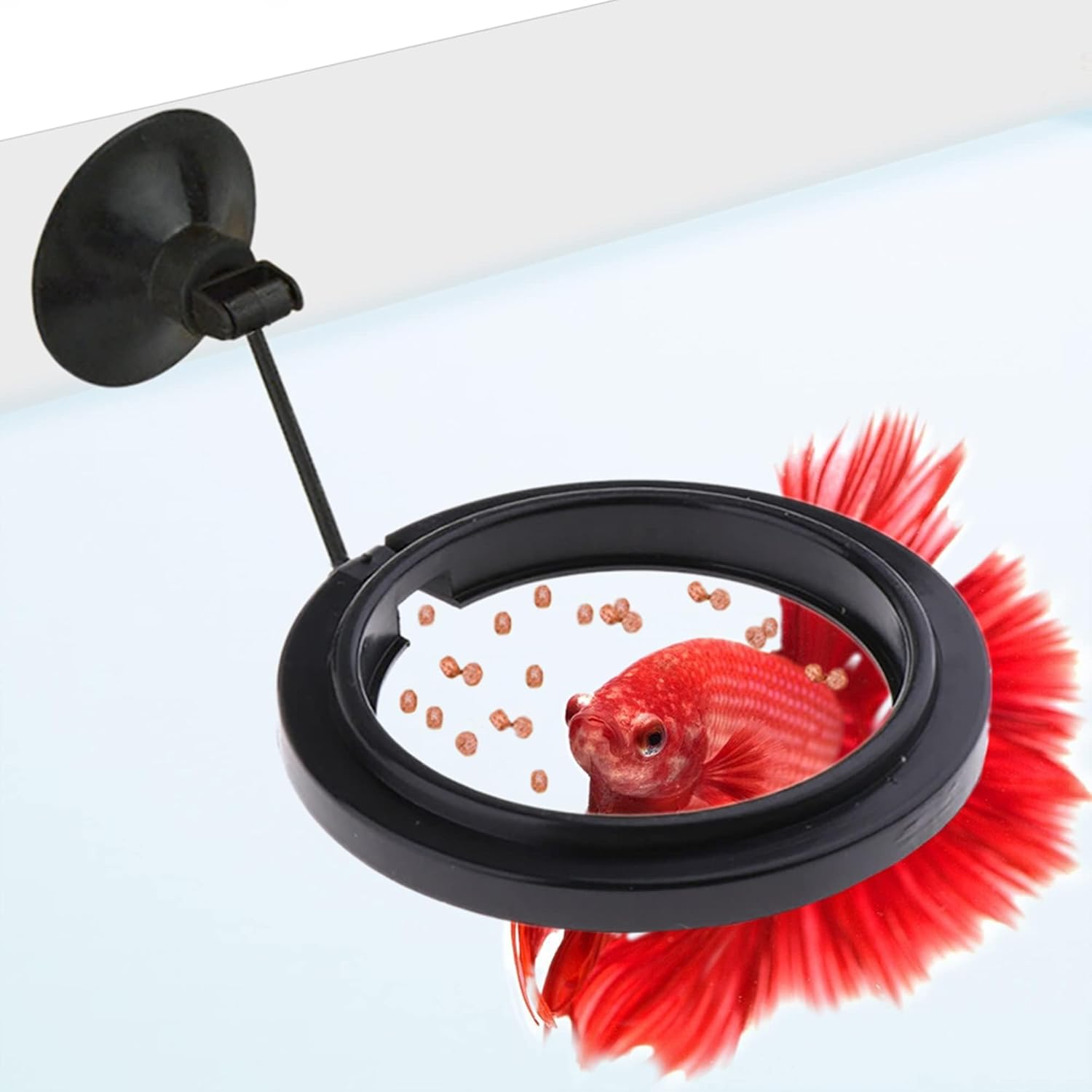
Can Frogs Eat Betta Fish Food
Can frogs eat betta fish food? The short answer is yes, but only as an occasional treat, not a staple diet. While betta fish food won’t immediately harm most frogs, it lacks the proper nutrition frogs need to thrive long-term. Understanding your frog’s dietary needs is essential for keeping your amphibian pet healthy and happy.
Key Takeaways
- Frogs can eat betta fish food occasionally — It won’t cause immediate harm, but it should never replace a proper frog diet.
- Betta food lacks essential nutrients for frogs — Frogs need a varied, protein-rich diet that betta pellets alone cannot provide.
- Live prey is the best food for frogs — Crickets, mealworms, and other insects should make up the bulk of a frog’s diet.
- Overfeeding betta food can cause health problems — Too much fish food can lead to obesity, bloating, and nutritional deficiencies in frogs.
- Different frog species have different needs — Aquatic frogs like African Dwarf Frogs may tolerate betta food better than terrestrial species.
- Supplements are important — Calcium and vitamin dusting on food helps prevent metabolic bone disease in frogs.
- Always consult a vet for dietary advice — An exotic pet veterinarian can provide species-specific feeding recommendations.
📑 Table of Contents
- Can Frogs Eat Betta Fish Food? What Every Pet Owner Needs to Know
- Understanding a Frog’s Natural Diet
- What Is Betta Fish Food Made Of?
- Can Different Frog Species Eat Betta Fish Food?
- The Risks of Feeding Betta Food to Frogs
- Safe Ways to Offer Betta Food to Frogs
- Better Food Alternatives for Your Frog
- What About Keeping Frogs and Betta Fish Together?
- Signs Your Frog Is Eating the Wrong Food
- Conclusion
Can Frogs Eat Betta Fish Food? What Every Pet Owner Needs to Know
If you’ve ever found yourself staring at a container of betta fish food and wondering whether your frog could snack on it, you’re not alone. This is one of the most common questions pet owners ask when they keep both fish and amphibians in their homes. Maybe you ran out of frog food late at night. Maybe you’re trying to simplify your pet care routine. Or maybe you just want to know if sharing food between your pets is safe.
The answer isn’t a simple yes or no. Frogs can eat betta fish food in certain situations, but whether they should is a different story entirely. The dietary needs of frogs and betta fish are quite different, even though both are carnivorous animals that enjoy protein-rich meals. Understanding these differences is crucial for keeping your frog healthy and avoiding serious health complications down the road.
In this comprehensive guide, we’ll break down everything you need to know about feeding betta fish food to frogs. We’ll explore the nutritional content of betta food, examine which frog species might tolerate it better, discuss the potential risks, and give you practical tips for providing the best diet possible for your amphibian friend. Let’s dive in.
Understanding a Frog’s Natural Diet
What Do Frogs Eat in the Wild?
Frogs are opportunistic carnivores. In the wild, they eat just about any small creature they can catch and swallow. Their diet primarily consists of insects like crickets, flies, moths, beetles, and grasshoppers. Larger frog species may also eat small fish, worms, spiders, and even other smaller frogs. The key word here is variety. Wild frogs don’t eat the same thing every single day. They consume a diverse range of prey, which gives them a balanced intake of proteins, fats, vitamins, and minerals.
This variety is something that’s hard to replicate in captivity. When we keep frogs as pets, we have to be intentional about providing a diet that mimics what they would naturally eat. Simply dropping a few pellets into their enclosure isn’t going to cut it for most species. Frogs need movement to trigger their hunting instincts, and live prey provides both the physical activity and the nutritional balance they require.
How a Frog’s Digestive System Works
A frog’s digestive system is designed to process whole prey items. When a frog eats a cricket, for example, it’s consuming not just the muscle tissue but also the exoskeleton, organs, and gut contents of the insect. This whole-prey approach provides fiber, chitin, and a broad spectrum of micronutrients that processed foods simply cannot match.
Frogs also have relatively simple digestive tracts compared to mammals. They don’t have the same ability to break down complex plant materials or heavily processed foods. This means that the quality and type of food you offer matters enormously. Low-quality or inappropriate food can lead to digestive blockages, nutrient malabsorption, and a host of other health issues.
What Is Betta Fish Food Made Of?
Typical Ingredients in Betta Pellets and Flakes
Betta fish food is specifically formulated for the nutritional needs of Betta splendens, also known as Siamese fighting fish. These fish are carnivorous and require a high-protein diet. Most quality betta foods contain ingredients like fish meal, shrimp meal, wheat flour, soybean meal, and various vitamins and minerals. Some premium brands also include ingredients like krill, spirulina, and garlic to boost immune health and enhance coloration.
The protein content in betta fish food typically ranges from 30% to 50%, which is quite high. This makes sense for betta fish, which are active, aggressive predators in their natural habitat. The food is designed to be small enough for a betta’s mouth and to break down slowly in water so the fish can nibble on it over time.
Nutritional Profile of Betta Food
From a purely nutritional standpoint, betta fish food does offer some benefits that overlap with what frogs need. It’s high in protein, which is essential for both fish and amphibians. It also contains fats for energy and a range of added vitamins like A, D, and E. However, the source of these nutrients matters. Betta food is designed to be digested by a fish’s digestive system, which processes nutrients differently than a frog’s system.
One major concern is the filler content. Many betta foods contain wheat, soy, and other plant-based ingredients that frogs have difficulty digesting. Frogs are not equipped to process large amounts of carbohydrates or plant matter. Over time, a diet heavy in these fillers can lead to digestive problems and nutritional imbalances in frogs.
Can Different Frog Species Eat Betta Fish Food?
African Dwarf Frogs
African Dwarf Frogs are fully aquatic frogs that are commonly kept in home aquariums, sometimes even alongside betta fish. These frogs are the most likely candidates for eating betta fish food because they share the same aquatic environment. African Dwarf Frogs are bottom feeders that will eat just about anything small enough to fit in their mouths, including sinking pellets and frozen foods.
Many African Dwarf Frog owners report successfully feeding their frogs betta pellets as part of a varied diet. Because these frogs live entirely in water, they naturally encounter fish food in their environment. However, even for African Dwarf Frogs, betta food should be a supplement rather than the main course. Bloodworms, brine shrimp, and daphnia are much better primary food options for these little amphibians.
Pacman Frogs
Pacman Frogs are terrestrial amphibians with enormous appetites. They’ll try to eat almost anything that moves near their mouths. While a Pacman Frog might eat a betta pellet if you placed it in front of them, it’s not an ideal food source. Pacman Frogs need live prey to stimulate their feeding response. A motionless pellet is unlikely to trigger their hunting instinct.
If you do offer betta food to a Pacman Frog, it should be an extremely rare occurrence. These frogs thrive on a diet of live crickets, nightcrawlers, and the occasional pinky mouse for larger adults. Their nutritional needs are best met through whole prey items that provide complete nutrition.
Tree Frogs and Dart Frogs
Tree frogs and dart frogs are arboreal species that feed almost exclusively on small live insects. They have no interest in fish food pellets and are unlikely to eat them even if offered. These frogs are visual hunters that rely on movement to identify prey. A stationary pellet simply doesn’t register as food in their brains.
If you’re keeping tree frogs or dart frogs, stick to appropriately sized live insects like fruit flies, pinhead crickets, and springtails. These species have very specific dietary requirements that betta fish food cannot meet.
The Risks of Feeding Betta Food to Frogs
Nutritional Deficiencies
The biggest risk of feeding betta fish food to frogs is nutritional deficiency. While betta food is high in protein, it doesn’t provide the full spectrum of nutrients that frogs need. Frogs require calcium for bone health, vitamin D3 for calcium absorption, and a range of trace minerals that aren’t always present in fish food formulations.
Over time, a frog fed primarily on betta food may develop metabolic bone disease, a serious and potentially fatal condition. Symptoms include lethargy, difficulty moving, soft or deformed bones, and loss of appetite. This condition is entirely preventable with a proper diet that includes calcium supplementation.
Digestive Problems
As mentioned earlier, betta fish food contains fillers and plant-based ingredients that frogs struggle to digest. Wheat, soy, and other grains can cause bloating, constipation, and intestinal blockages in amphibians. Frogs have short, simple digestive tracts that are optimized for processing animal protein, not complex carbohydrates.
If your frog does eat betta food and shows signs of bloating, lethargy, or refusal to eat, it may be experiencing digestive distress. In such cases, it’s best to withhold food for a day or two and consult an exotic pet veterinarian if symptoms persist.
Obesity and Fatty Liver Disease
Betta fish food is calorie-dense, and frogs that eat too much of it can quickly become overweight. Obesity in frogs leads to a host of health problems, including fatty liver disease, reduced mobility, and a shortened lifespan. Frogs in captivity are already prone to obesity because they get far less exercise than their wild counterparts.
Portion control is essential when feeding any processed food to frogs. A couple of betta pellets once in a blue moon won’t cause obesity, but making it a regular part of the diet certainly can.
Safe Ways to Offer Betta Food to Frogs
As an Emergency or Occasional Treat
Life happens. Sometimes you run out of frog food on a Sunday night when all the pet stores are closed. In these situations, offering a few betta pellets to your frog is perfectly fine as a one-time emergency measure. It’s much better for your frog to eat a small amount of betta food than to go without food entirely.
Just make sure this is truly an exception and not a habit. Think of betta food for frogs the way you might think of fast food for humans — fine in a pinch, but not something you want to build your diet around.
Proper Portion Sizes
If you do offer betta food to your frog, keep the portions tiny. One or two small pellets is more than enough for a single feeding. Remember that betta pellets are designed for fish, which have much smaller body masses than most pet frogs. Overfeeding can lead to the digestive and obesity issues we discussed earlier.
For aquatic frogs like African Dwarf Frogs, drop the pellets near where the frog likes to hang out at the bottom of the tank. For terrestrial species, you can place the pellet on a small dish or feeding platform. Remove any uneaten food after a few hours to prevent it from fouling the enclosure.
Supplementing with Calcium and Vitamins
If betta food is going to be any part of your frog’s diet, even occasionally, it’s wise to dust the pellets with a calcium supplement before offering them. This helps offset the calcium deficiency that fish food typically has. You can find reptile and amphibian calcium powder at most pet stores.
Vitamin D3 is another important supplement, especially for frogs that don’t receive adequate UVB lighting. Without D3, frogs can’t properly absorb calcium, which again puts them at risk for metabolic bone disease. A light dusting of a calcium-D3 supplement on occasional treats is a simple way to help protect your frog’s health.
Better Food Alternatives for Your Frog
Live Insects
Live insects should be the cornerstone of any frog’s diet. Crickets are the most popular choice because they’re widely available, affordable, and nutritionally balanced. Mealworms, superworms, dubia roaches, and waxworms are also excellent options. Each type of insect offers a slightly different nutritional profile, so rotating between several varieties is the best approach.
When feeding live insects, always choose prey that’s appropriately sized for your frog. A good rule of thumb is to offer insects that are no larger than the space between your frog’s eyes. Oversized prey can cause choking or digestive blockages, while undersized prey may not provide enough nutrition per feeding.
Frozen and Freeze-Dried Foods
Frozen bloodworms, brine shrimp, and daphnia are excellent food options, especially for aquatic frogs. These foods are convenient to store and offer good nutritional value. Simply thaw a small portion in tank water before feeding. Freeze-dried versions are also available and can be rehydrated before offering to your frog.
One advantage of frozen foods over betta pellets is that they more closely resemble the natural prey items frogs would encounter in the wild. They also tend to have fewer fillers and additives, making them easier for frogs to digest.
Commercial Frog and Amphibian Diets
Several pet food companies now offer diets specifically formulated for frogs and other amphibians. These products are designed with the unique nutritional needs of amphibians in mind and are a much better option than repurposing fish food. Look for brands that offer high protein content, added calcium, and minimal fillers.
While these specialized diets can be more expensive than betta food, they’re worth the investment. Your frog’s health and longevity depend heavily on the quality of its diet. Cutting corners on food is one of the false economies that leads to expensive veterinary bills later on.
What About Keeping Frogs and Betta Fish Together?
Can Aquatic Frogs Live With Betta Fish?
This is a related question that many pet owners wonder about. The short answer is that it depends on the species and the individual animals involved. Can aquatic frogs live with betta fish? It’s possible, but it requires careful planning and monitoring. African Dwarf Frogs are the most common species kept with betta fish, and while it can work, there are risks involved.
Betta fish can be territorial and aggressive, especially toward other animals that occupy the same space in the tank. Frogs may nip at a betta’s flowing fins, and bettas may attack frogs that venture too close to their territory. If you do decide to house them together, make sure the tank is large enough (at least 10 gallons) and has plenty of hiding spots for both animals.
Feeding Challenges in a Shared Tank
One of the biggest challenges of keeping frogs and bettas together is feeding. Both animals have different dietary needs and eating habits. Betta fish are surface feeders, while African Dwarf Frogs are bottom feeders. This can actually work in your favor, as you can offer different foods at different levels of the tank.
However, you need to make sure each animal is getting the right nutrition. Don’t assume that your frog is eating well just because there’s food in the tank. Watch both animals during feeding time to ensure they’re both consuming their meals. If one animal is outcompeting the other for food, you may need to feed them in separate areas or at different times.
Signs Your Frog Is Eating the Wrong Food
Physical Symptoms to Watch For
Knowing the signs of poor nutrition in frogs can help you catch problems early. Watch for weight loss or excessive weight gain, changes in skin color or texture, lethargy, and difficulty moving. A healthy frog should be alert, responsive, and have smooth, moist skin. If your frog looks dull, skinny, or bloated, its diet may be the culprit.
Other warning signs include refusal to eat, regurgitation of food, and unusual stool consistency. Frogs that are nutritionally deficient may also develop tremors or seizures in severe cases. If you notice any of these symptoms, it’s time to reassess your frog’s diet and consult a veterinarian.
Behavioral Changes
A frog’s behavior can also tell you a lot about its nutritional status. A well-fed, healthy frog will be active during its normal waking hours, show interest in food, and exhibit natural behaviors like hunting and exploring. A poorly nourished frog may become unusually lethargic, hide more than normal, or show a decreased interest in food.
Keep a feeding log to track what your frog eats and how it responds. This can be incredibly helpful if you ever need to visit a vet, as it provides a clear picture of your frog’s dietary history and any changes that may have occurred.
Conclusion
So, can frogs eat betta fish food? Technically, yes — but it should only be an occasional treat or emergency substitute, not a regular part of their diet. Betta fish food lacks the complete nutritional profile that frogs need, and relying on it too heavily can lead to serious health problems including metabolic bone disease, digestive issues, and obesity.
The best diet for your frog is one that closely mimics what it would eat in the wild. Live insects like crickets, mealworms, and dubia roaches should form the foundation of their meals. Frozen foods like bloodworms and brine shrimp are excellent supplements. And if you’re ever in a pinch, a few betta pellets won’t hurt — just don’t make it a habit.
Remember that different frog species have different dietary needs. Aquatic frogs like African Dwarf Frogs may tolerate betta food better than terrestrial species like Pacman Frogs or tree frogs. When in doubt, consult with an exotic pet veterinarian who can provide species-specific advice. Your frog depends on you for its nutrition, so take the time to get it right. A well-fed frog is a happy, healthy frog that will bring you joy for years to come.
Frequently Asked Questions
What is can frogs eat betta fish food?
can frogs eat betta fish food is an important topic with many practical applications.