How Long Do Betta Fish Not Eat
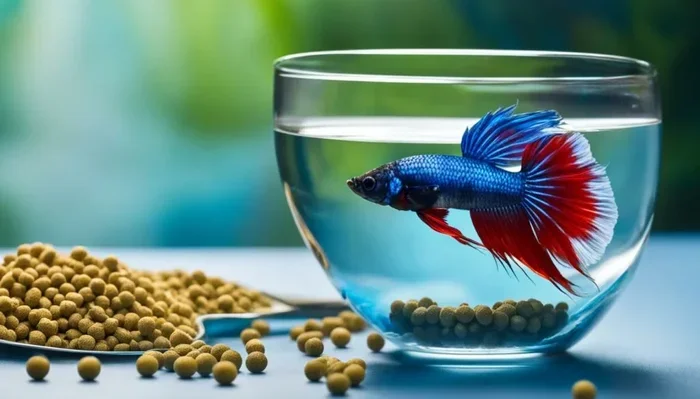
So, how long do betta fish not eat? Healthy adult bettas can survive 10 to 14 days without food, but going beyond 3–4 days is risky. Understanding your betta’s feeding habits, appetite changes, and survival limits helps you keep your fish happy and healthy. This guide covers everything from normal fasting periods to warning signs you should never ignore.
Every betta fish owner has wondered at some point: how long do betta fish not eat before it becomes a real problem? Maybe you’re going on vacation. Maybe your fish just refuses food for a day or two. Either way, understanding your betta’s fasting limits and appetite patterns is essential for proper betta fish care.
The short answer is that a healthy adult betta can survive 10 to 14 days without eating. But “survive” does not mean “thrive.” Skipping meals for too long weakens the betta fish immune system and opens the door to serious health problems. In this article, we break down everything you need to know about betta fish fasting, appetite loss, and how to keep your fish feeding on schedule.
Whether you are a beginner or a seasoned hobbyist, this guide gives you practical advice backed by real betta fish care experience. Let us dive in and make sure your finned friend stays healthy and well-fed.
Key Takeaways
- Healthy bettas can go 10–14 days without eating, but this is not recommended as a regular practice.
- 3–4 days is the safe limit for occasional fasting, such as after treatment or travel.
- Loss of appetite often signals illness, stress, or poor water conditions.
- Young bettas and fry should never skip meals — they need frequent feeding to grow.
- Watch for warning signs like bloating, lethargy, and faded colors when your betta stops eating.
- A consistent feeding schedule supports a strong immune system and longer lifespan.
📑 Table of Contents
- How Long Can Betta Fish Actually Go Without Food?
- Why Would a Betta Fish Stop Eating?
- How Fasting Affects Betta Fish Health
- Creating the Right Feeding Schedule
- Warning Signs That Fasting Has Gone Too Far
- Common Mistakes Bettas Owners Make with Fasting
- Expert Tips for Keeping Your Betta Well-Fed
- Conclusion
How Long Can Betta Fish Actually Go Without Food?
The betta fish survival time without food depends on several factors. Age, overall health, tank conditions, and prior diet all play a role. Let us break this down so you know exactly what to expect.
Healthy Adult Bettas
A full-grown, healthy betta can technically go 10 to 14 days without food. Their bodies store energy in the form of fat reserves, which keeps them alive during short periods of fasting. However, this does not mean you should test this limit. Extended fasting causes muscle wasting, organ stress, and a weakened immune system.
Most experts agree that 3 to 4 days is the safest maximum for an occasional fast. This applies to situations like post-treatment recovery or short travel periods. Beyond that window, you start risking your betta’s well-being.
Young Bettas and Fry
Young bettas and baby fry have much higher metabolisms. They need frequent meals — sometimes 2 to 3 times a day — to support rapid growth. Skipping even a single day can stunt their development. If you are raising betta fry, never skip feedings unless directed by a vet.
Senior Bettas
Older bettas may eat less naturally, but they still need regular nutrition. A senior fish that suddenly stops eating could be signaling a health issue. Monitoring appetite in older bettas is one of the best ways to catch problems early.
Why Would a Betta Fish Stop Eating?
Appetite loss in bettas is not normal behavior. If your fish is ignoring food, something is wrong. Let us explore the most common reasons behind betta fish appetite loss.
Stress and Environmental Factors
Bettas are sensitive creatures. Changes in tank conditions — like temperature swings, water quality drops, or a new tank mate — can cause stress. A stressed betta often refuses to eat as its first warning sign. Keep your water temperature stable between 76°F and 82°F to reduce stress.
Illness and Disease
Many betta fish illnesses start with a loss of appetite. Swim bladder disease, fin rot, and internal parasites are common culprits. If your fish stops eating and shows other symptoms like clamped fins, bloating, or lethargy, act quickly.
Overfeeding and Constipation
This surprises many owners. Overfeeding can actually cause constipation in bettas, which makes them refuse food. If your fish’s belly looks swollen and it is not pooping regularly, try a single thawed pea (no shell) to help things move along.
Boredom with Food
Yes, bettas get bored. If you have been feeding the same betta fish food for months, your fish may simply lose interest. Variety helps. Rotate between betta pellets, frozen bloodworms, and brine shrimp to keep meals exciting.
How Fasting Affects Betta Fish Health
Skipping meals affects more than just your betta’s hunger. Short-term fasting can actually be beneficial, but long periods without food take a serious toll.
The Immune System Connection
A well-fed betta has a strong immune system that fights off infections and disease. When you skip meals for too long, the body diverts energy away from immune function and toward basic survival. This makes your fish more vulnerable to illness.
If your betta recently went through treatment or medication, it may need a few days to recover its appetite. In that case, quarantine and careful monitoring are essential. Check out our guide on how long to quarantine your betta fish after treatment for more details.
Weight Loss and Muscle Wasting
During extended fasting, bettas burn through fat stores first. Once those are gone, the body starts breaking down muscle tissue. You may notice your betta looking thinner or less vibrant. Color fading is often an early sign that your fish is not getting enough nutrition.
Impact on Lifespan
Regular, proper feeding directly affects how long betta fish live. A well-nourished betta in clean water can live 3 to 5 years on average, and some even reach 7 years or more. Neglecting the feeding schedule shortens that potential significantly. For more on betta fish lifespan, see our article on how long do betta fish live.
Creating the Right Feeding Schedule
Consistency is key when it comes to betta fish feeding habits. A regular schedule helps regulate your fish’s metabolism and keeps its appetite strong.
How Often Should You Feed Your Betta?
Most experts recommend feeding adult bettas 2 times a day, with small portions each time. The amount should be what your fish can eat in 2 to 3 minutes. Overfeeding leads to uneaten food rotting in the tank, which spikes ammonia levels and harms water quality.
If you want a more detailed feeding guide, check out how often do betta fish eat for expert-backed recommendations.
What to Feed Your Betta
Not all fish food is created equal. Bettas are carnivorous by nature, so they need protein-rich meals. Here are the best food options:
- High-quality betta pellets — the staple diet for most owners
- Frozen bloodworms — a great treat 2 to 3 times a week
- Brine shrimp — packed with protein and easy to digest
- Daphnia — helps with digestion and acts as a natural laxative
- Live food — the most natural option but requires careful sourcing
Can You Skip Days?
Occasional fasting — skipping one day per week — can actually benefit your betta. It gives the digestive system a rest and helps prevent constipation and bloating. This is a normal and healthy practice. Just do not confuse a planned weekly fast with involuntary appetite loss.
Warning Signs That Fasting Has Gone Too Far
Knowing the difference between a healthy fast and a dangerous one is critical. Watch for these warning signs that your betta has gone too long without food:
- Extreme lethargy — your fish barely moves or stays at the bottom of the tank
- Faded or dull colors — vibrant colors fade when nutrition is lacking
- Clamped fins — fins pressed close to the body signal stress or illness
- Visible weight loss — you can see the spine or temples becoming prominent
- Refusing food for more than 5 days — this is not normal and needs attention
- Labored breathing — rapid or shallow breathing at the water surface
If you notice any combination of these signs, test your water parameters immediately and consider a partial water change. Poor water quality is the number one hidden cause of appetite loss in bettas.
Common Mistakes Bettas Owners Make with Fasting
Even well-meaning owners make mistakes when it comes to betta fish feeding routines. Here are the most common ones to avoid.
Assuming Your Betta Can Fast Indefinitely
The internet is full of stories about bettas surviving weeks without food. While technically possible in rare cases, this does not mean it is safe. Each fish is different, and pushing the limits risks permanent damage or death.
Confusing Appetite Loss with Picky Eating
Some owners think their betta is just a picky eater when it is actually sick. A betta that consistently refuses food for more than 2 days needs a closer look. Do not wait too long before investigating the cause.
Overcompensating After a Fast
After a period of not eating, many owners feed a huge meal to “make up for it.” This often causes digestive problems and bloating. Instead, offer a small, normal portion and let your fish’s appetite return gradually.
Expert Tips for Keeping Your Betta Well-Fed
Follow these practical tips to maintain a healthy feeding routine and avoid appetite problems:
- Stick to a consistent schedule. Feed your betta at the same times every day — morning and evening work best.
- Use an automatic feeder if you travel often. These devices dispense small portions at set times.
- Monitor water quality weekly. Ammonia and nitrite spikes directly affect appetite and overall health.
- Keep a varied diet. Rotate between pellets, frozen foods, and live options for complete nutrition.
- Observe your fish daily. Watching your betta eat is one of the easiest ways to catch health issues early.
- Do not skip more than one day unless medically necessary and under guidance.
Remember that every betta is unique. Some eat eagerly every meal, while others are more selective. The key is to know your fish’s normal behavior and act quickly when something changes. For more insights on how long betta fish survive in different conditions, explore our article on how long do betta fish last.
Conclusion
Understanding how long do betta fish not eat is one of the most important aspects of responsible fish keeping. A healthy adult betta can survive 10 to 14 days without food, but you should never push that limit intentionally. The safe zone is 3 to 4 days at most, and even then, only for specific reasons like post-treatment recovery or short travel.
Watch for appetite changes, warning signs, and behavioral shifts. These are your betta’s way of telling you something is wrong. A consistent feeding schedule, high-quality food, and clean tank conditions are the foundation of a long, healthy life for your fish.
Take action today. Review your current feeding routine, check your water parameters, and make sure your betta is getting the nutrition it deserves. A well-fed betta is a happy betta — and a happy betta brings joy to your home for years to come.
Frequently Asked Questions
How long can I safely leave my betta fish without food?
For healthy adult bettas, 3 to 4 days is the safe maximum. Going beyond this increases the risk of weakened immunity, muscle loss, and stress. Always arrange for someone to feed your fish if you will be away longer than 2 days.
What happens if a betta fish doesn’t eat for a week?
A betta that goes a full week without food will start burning through fat reserves and then muscle tissue. Weight loss, color fading, and lethargy are common. After 7 days, the immune system weakens significantly, making the fish vulnerable to disease.
Can I fast my betta fish on purpose?
Yes, a planned 24-hour fast once a week can benefit digestion and prevent constipation. This is different from involuntary fasting. Never fast your betta for more than 2 days without a specific reason and veterinary guidance.
Why has my betta fish stopped eating suddenly?
Sudden appetite loss usually points to stress, illness, or poor water quality. Check your tank parameters first, then look for physical symptoms like clamped fins, bloating, or unusual behavior. Early intervention makes a big difference in recovery.
Do baby betta fish need to eat every day?
Yes, baby bettas and fry need frequent feeding — ideally 2 to 3 small meals per day. They have fast metabolisms and cannot go long without food. Skipping meals can stunt their growth and even be fatal.
How can I tell if my betta is hungry or just picky?
A hungry betta will show excitement at feeding time — swimming to the surface and begging for food. A picky betta may ignore food but still appear active and healthy. If your fish consistently refuses food for more than 2 days, treat it as a potential health issue rather than pickiness.