How to Teach Betta Fish to Do Tricks
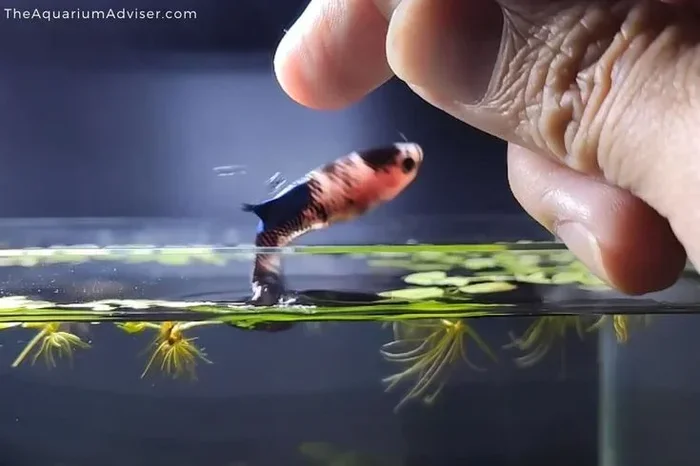
Teaching your betta fish to do tricks is easier than you think. With patience, the right technique, and a few treats, you can train your betta to follow your finger, jump through hoops, and more. This guide covers everything from basic steps to advanced tricks so you can start betta fish training today.
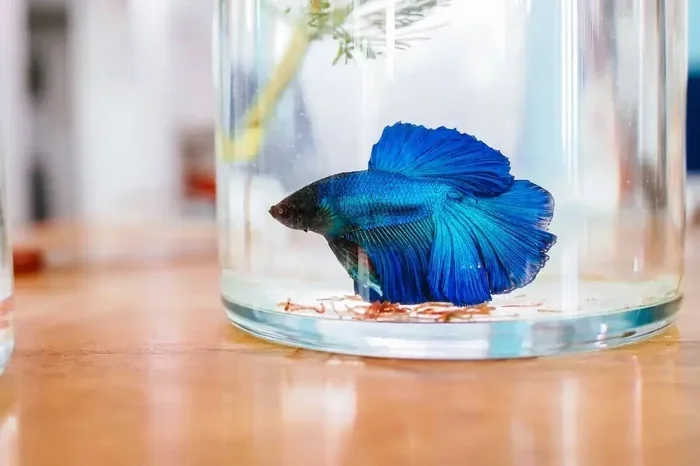
Have you ever watched your betta fish swim around its tank and thought, “I wish I could teach that fish something cool”? Well, good news. Teaching betta fish to do tricks is not only possible, it is also a lot of fun. Betta fish are smarter than most people give them credit for. With the right approach, you can train your betta to follow your finger, swim through hoops, and even jump on command.
This guide will walk you through everything you need to know about betta fish training. We will cover simple beginner tricks, advanced techniques, and the science behind why bettas can learn at all. Whether you are a complete beginner or have trained fish before, you will find useful tips here.
Betta fish training is not just about showing off. It is also a great way to bond with your fish and keep them mentally stimulated. A bored betta can become stressed, and stress leads to health problems. Training gives your fish something to do and keeps their mind active. Let us dive in and explore how to teach your betta fish to do tricks.
Key Takeaways
- Betta fish are smarter than most people think: They can learn a wide range of tricks with consistent training.
- Positive reinforcement is the best method: Use food rewards and gentle encouragement to build trust and speed up learning.
- Short training sessions work best: Keep sessions to 5-10 minutes to avoid stressing your fish.
- Start with simple tricks first: Target training and following your finger are great beginner tricks that build a foundation.
- Patience is essential: Every betta learns at their own pace, so stay consistent and never force your fish.
- Health comes first: A well-fed, stress-free betta will learn faster and enjoy training more.
- Advanced tricks are possible: Once your betta masters basics, you can move on to jumping, spinning, and more complex behaviors.
📑 Table of Contents
Why Betta Fish Can Learn Tricks
Many people think fish are simple creatures that just swim around all day. That is far from the truth. Betta fish have small but functional brains that allow them to learn and remember behaviors. Studies on betta fish intelligence have shown that these fish can recognize their owners, respond to signals, and form associations between actions and outcomes.
So how does this work? It all comes down to a concept called positive reinforcement. When your betta does something you want, you reward it. Over time, your fish starts to repeat that behavior because it knows a reward is coming. This is the same basic principle used to train dogs, cats, and even marine mammals.
Betta fish behavior plays a big role in training success. Bettas are naturally curious and territorial. They like to explore and investigate new things in their environment. You can use this natural curiosity to your advantage during training sessions. A curious betta is an engaged betta, and an engaged betta learns faster.
The Science Behind Fish Learning
Fish learning is a real thing. Researchers have studied how fish process information and respond to stimuli. Bettas, in particular, have shown the ability to associate specific cues with specific outcomes. For example, if your betta learns that swimming to the front of the tank means it gets food, it will start doing that behavior on purpose.
This type of learning is called associative learning. It is the foundation of all fish tricks training. The key is to be consistent. Every time your betta performs the desired behavior, the reward should follow immediately. This creates a clear connection in your fish’s mind between the action and the payoff.
Getting Ready for Training
Before you start teaching betta fish tricks, you need to set yourself up for success. Preparation matters more than most people realize. A poorly prepared training session can stress your fish and set back your progress.
Set Up the Right Environment
Your betta’s tank should be clean and comfortable before any training begins. Make sure the water temperature is between 76 and 82 degrees Fahrenheit. Do a water change a day or two before you plan to train. Fresh water helps keep your betta active and alert.
Here are a few things to check before each training session:
- The tank is clean and the water is clear
- The temperature is stable and within the ideal range
- Your betta has eaten recently but is not overly full
- The room is quiet with minimal distractions
- The tank light is on but not too bright
Choose the Right Rewards
Every successful training betta fish session needs good rewards. Bettas respond best to small, high-value food items. Live or frozen brine shrimp and bloodworms are excellent choices. You can also use small pieces of pellets your betta already eats.
The key is to use tiny portions. You do not want to overfeed your fish during training. Break the food into very small pieces so your betta can eat quickly and get back to training. This keeps the session moving and maintains your fish’s motivation.
If you are wondering how often to feed your betta in general, check out this guide on how often to feed a betta fish for helpful feeding schedules.
Gather Your Training Tools
You do not need a lot of equipment for betta fish training. Here is a simple list of what you will need:
- A small cup or pipette for delivering food
- A target stick (a chopstick or pen works great)
- Small pieces of your betta’s favorite treat
- A quiet, distraction-free room
- Patience and a calm attitude
That is it. You do not need expensive equipment. The most important tool you have is consistency. Show up every day, keep sessions short, and reward your betta generously.
Beginner Tricks to Start With
Every betta fish tricks guide should start with the basics. You would not teach a dog to roll over before it learns to sit. The same logic applies here. Start with simple tricks that build your betta’s confidence and understanding of the training process.
Following Your Finger
This is the easiest and most rewarding beginner trick. Start by placing your finger on the outside of the tank. Wait for your betta to notice it. When your betta swims toward your finger, immediately reward it with a small piece of food.
Do this several times in a row during each session. Over a few days, your betta will start to associate your finger with food and will follow it willingly. Once your betta follows your finger consistently, you can move your finger around the tank to guide it in different directions.
Target Training
Target training is a stepping stone to more advanced tricks. Use a chopstick or the end of a pen as your target. Touch the target to the water near your betta. When your betta swims toward it, reward immediately.
Gradually move the target further away. Eventually, you can guide your betta through the tank just by moving the target. This trick teaches your betta to focus on you and follow cues, which is essential for all future training.
Swimming Through a Hoop
Once your betta masters following and targeting, you can try a hoop trick. You can make a hoop from a plastic pipe cleaner bent into a circle. Submerge it in the tank and hold it near your betta.
Use your target stick to guide your betta through the hoop. The moment your betta swims through, give it a treat and lots of praise. Start with the hoop near the surface and gradually lower it deeper into the water as your betta gets more comfortable.
Advanced Tricks for Experienced Bettas
Once your betta has mastered the basics, you can move on to more impressive tricks. These require more patience and longer training sessions, but the results are worth it.
Jumping on Command
Betta fish are natural jumpers, and teaching them to jump on command is one of the most crowd-pleasing tricks. Start by holding a small piece of food just above the water surface. Wait for your betta to jump up to get it.
Say a simple word like “jump” just before the jump happens. Over time, your betta will associate the word with the action. Eventually, you can say the word and your betta will jump even without the food visible at first.
Spinning in Circles
Spinning is a fun and easy trick once your betta understands the training process. Use your target stick to guide your betta in a small circle. Reward any attempt to follow the circle, even if it is only partial at first.
With practice, your betta will learn to spin all the way around on cue. This trick works especially well because bettas naturally swim in circular patterns when they investigate new objects in their tank.
Playing Ball
Some bettas can be trained to push a small floating ball with their nose or mouth. Start by placing a tiny ball in the tank near your betta. When your betta touches it, reward immediately.
Over time, guide the ball toward a specific spot in the tank. This trick is more about exploration than strict command-following, but it is still a fun way to interact with your fish and provide mental stimulation.
Common Mistakes to Avoid
Even the most dedicated fish owner can make mistakes during training. Being aware of these common pitfalls will save you time and frustration.
Training Sessions That Are Too Long
This is the number one mistake people make. Betta fish training sessions should last no more than 5 to 10 minutes. Longer sessions tire out your fish and can cause stress. Your betta has a small brain and a limited attention span. Work with it, not against it.
Skipping the Reward
If your betta performs the right behavior and you forget to reward it, the training loses its effectiveness. Consistency is everything in reward-based training. Always have small food pieces ready before you start a session.
Moving Too Fast
It is tempting to rush through tricks, especially when your betta seems to be picking things up quickly. But every fish learns at its own pace. If you move on to a new trick too soon, your betta may get confused and frustrated. Make sure your betta has truly mastered one trick before introducing the next.
Ignoring Your Fish’s Stress Signals
Watch your betta closely during every session. If your fish stops eating, hides, or appears lethargic, stop training immediately. A stressed betta will not learn. If you notice signs of stress, take a break and try again another day. You can also learn more about treating a stressed betta fish to make sure your training environment stays positive.
How Often Should You Train Your Betta?
Consistency is the secret sauce of successful betta fish training. Aim for one training session per day, ideally at the same time each day. Bettas thrive on routine, and a predictable schedule helps them feel safe and focused.
Most experts recommend training at the same time you feed your betta. This way, the training session doubles as a feeding opportunity, and your fish is already motivated by hunger. Just make sure you account for the training treats in your daily feeding amount so you do not overfeed.
Some people also like to do two short sessions per day of about 5 minutes each. This can speed up learning, but only if your betta seems to enjoy it. Never push your fish beyond its comfort zone. Training should always be a positive experience for both of you.
Expert Tips for Faster Results
Want to speed up your betta fish learning? Here are some expert-backed tips that make a real difference.
- Use a clicker or a consistent sound: A small clicker or even a click of your tongue can serve as a marker sound. Click the moment your betta does the right thing, then immediately follow with a treat. This helps your fish understand exactly which behavior earned the reward.
- Keep the tank light on during training: Bettas are more active and alert in well-lit conditions. Training during daylight hours or with the tank light on gives you the best results.
- Change up the rewards: Sometimes use brine shrimp, sometimes use bloodworms, and sometimes use pellets. Variety keeps your betta interested and prevents it from getting bored with the same treat.
- End on a positive note: Always finish a training session with a trick your betta has already mastered. This leaves your fish feeling confident and eager for the next session.
- Be patient and celebrate small wins: Even the smallest progress is still progress. Every time your betta tries something new, that is a win worth acknowledging.
Remember that teaching betta fish tricks is a journey, not a race. Some tricks may take days, while others may take weeks. The bond you build with your fish along the way is just as valuable as the tricks themselves. If you ever feel stuck, revisit the basics and rebuild from there.
Training also connects to overall betta fish care. A healthy, well-cared-for betta will always learn better than a stressed or neglected one. Make sure you are meeting all of your betta’s needs beyond training. Regular water changes, proper feeding, and a clean tank are the foundation of a happy, trainable fish.
Conclusion
Teaching betta fish to do tricks is one of the most rewarding parts of fish keeping. It challenges the misconception that fish are simple creatures and reveals the surprising intelligence these beautiful animals possess. With patience, consistency, and positive reinforcement, you can teach your betta a wide variety of behaviors that will delight you and enrich your fish’s life.
Start with the basics, keep sessions short, and always make training a positive experience. Your betta will surprise you with what it can learn. So grab some treats, set up your training area, and begin your betta fish training journey today. You and your fish are going to have a great time.
Frequently Asked Questions
Can all betta fish learn tricks?
Most betta fish can learn at least some tricks, but individual personality plays a big role. Some bettas are naturally more curious and eager to learn, while others may be more shy or slow to respond. With patience and consistency, nearly any healthy betta can learn basic tricks like following your finger or target training.
How long does it take to teach a betta fish a trick?
The timeline varies depending on the trick and your betta’s personality. Simple tricks like following your finger can be learned in a few days. More complex tricks like jumping or spinning may take two to four weeks of consistent daily training. The key is to keep sessions short and always end on a positive note.
What is the best food to use as a training reward?
Small pieces of live or frozen brine shrimp work best for most bettas. Bloodworms and tiny pellet pieces are also effective. The reward should be small enough for your betta to eat in one bite so the training session flows smoothly without your fish getting too full.
Is it cruel to train betta fish to do tricks?
No, training is not cruel as long as it is done responsibly. Keep sessions short, never force your fish, and always use positive reinforcement. Training actually provides mental stimulation that benefits your betta’s overall well-being. If your fish shows signs of stress, stop immediately and give it time to rest.
Can I train my betta fish with a clicker?
Yes, clicker training works well for betta fish. The click sound serves as a marker that tells your fish exactly when it has done the right thing. Click the moment your betta performs the desired behavior, then immediately follow with a food reward. Over time, your betta will learn to associate the click with a positive outcome.
Should I train my betta fish every day?
Daily training is ideal, but sessions should be short. Five to ten minutes per day is enough. Bettas respond well to routine, so training at the same time each day helps your fish know what to expect. If your betta seems tired or uninterested, skip that day and try again when it is more active.