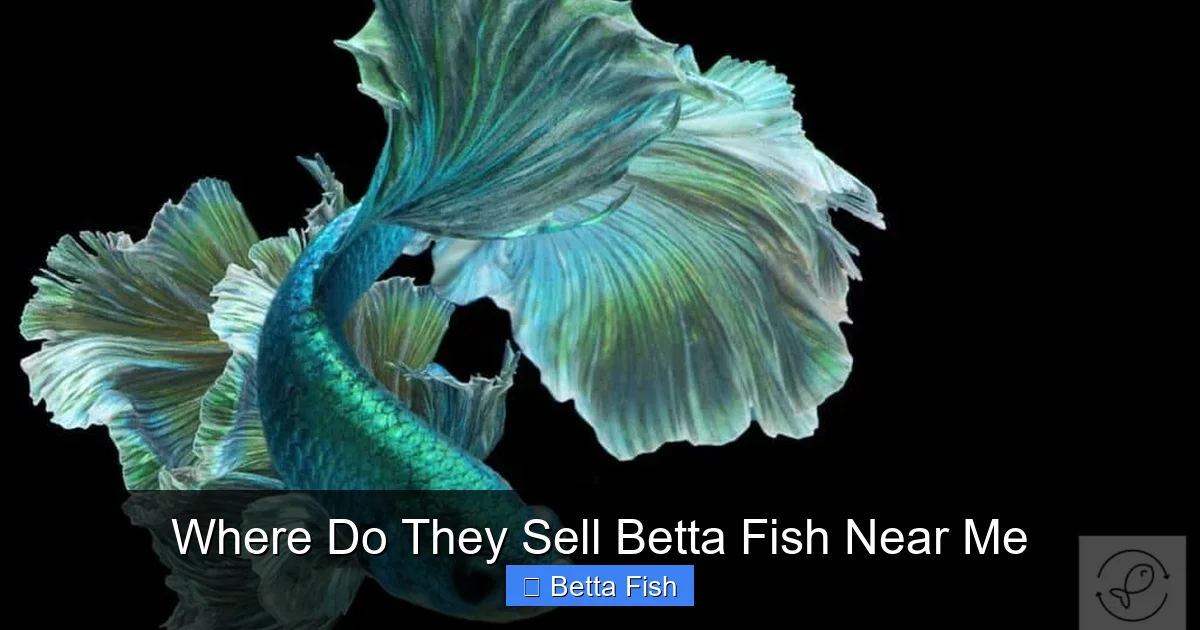
Where Do They Sell Betta Fish Near Me
Finding a healthy betta fish from a reputable local source is crucial for its well-being. This guide explores the top places to search, from big-box pet stores to specialized local breeders and fish clubs. Learn how to evaluate a seller’s quality, what signs of a healthy betta to look for, and important ethical considerations. We provide a step-by-step strategy to locate and choose the perfect betta from a seller near you.
Key Takeaways
- Local Sellers Vary Widely: Quality and animal welfare standards differ significantly between large chain stores, independent pet shops, local breeders, and aquarium specialty stores.
- Health is the Priority: Always inspect the betta’s body, fins, and behavior for signs of illness or stress, regardless of where you purchase it.
- Ask the Right Questions: Inquire about the fish’s origin, age, water parameters, and feeding habits. A reputable seller will have knowledgeable answers.
- Breeders Offer Advantages: Local betta breeders often provide healthier, better-socialized fish with known genetics and can offer specific, expert advice.
- Support Ethical Practices: Seek out sellers who prioritize fish welfare over high turnover, with clean tanks and proper husbandry.
- Do Your Homework First: Before you even search “where do they sell betta fish near me,” ensure you have a fully cycled, properly sized aquarium ready at home.
- Fish Clubs are a Hidden Gem: Local aquarium societies and clubs are excellent resources for finding high-quality, ethically sourced bettas and gaining ongoing support.
📑 Table of Contents
- Why Your Choice of Seller Matters More Than You Think
- The Local Landscape: Types of Sellers You’ll Find
- Your Action Plan: How to Find and Vet Sellers
- What a Healthy Betta Looks Like: Your In-Store Checklist
- Beyond the Purchase: Ethical and Practical Considerations
- Conclusion: Your Journey Starts with a Choice
Why Your Choice of Seller Matters More Than You Think
So, you’ve decided to bring a betta fish into your life. You’ve probably already been mesmerized by their flowing fins and vibrant colors online. But before you type “where do they sell betta fish near me” into a search engine, it’s vital to understand that where you get your betta is the single most important factor determining its future health and happiness. Betta fish, or Siamese fighting fish, are often victims of severe industry neglect. They are frequently shipped long distances in tiny, toxic cups, subjected to poor water quality, and overfed with incompatible tankmates at many large-scale retailers. The stress from this treatment can weaken their immune systems, making them prone to diseases like fin rot or dropsy from the moment you bring them home.
Choosing a local, reputable seller isn’t just about convenience; it’s an act of advocacy. A seller who invests in proper fish care—maintaining clean, heated, filtered systems and understanding species-specific needs—is sending a message to the industry. You’re more likely to receive a robust, genetically sound fish that has been raised in conditions closer to its natural needs. Furthermore, these sellers become invaluable resources. They can offer specific advice on your new betta’s personality, dietary preferences, and potential health quirks, advice a big-box store clerk simply cannot provide. Your search for “betta fish near me” should be a mission to find a partner in responsible fishkeeping, not just a point of sale.
The Local Landscape: Types of Sellers You’ll Find
When you start looking, you’ll encounter several distinct types of sellers. Each has its own pros, cons, and typical standards of care. Understanding these categories will help you filter your search for “where do they sell betta fish near me” effectively.
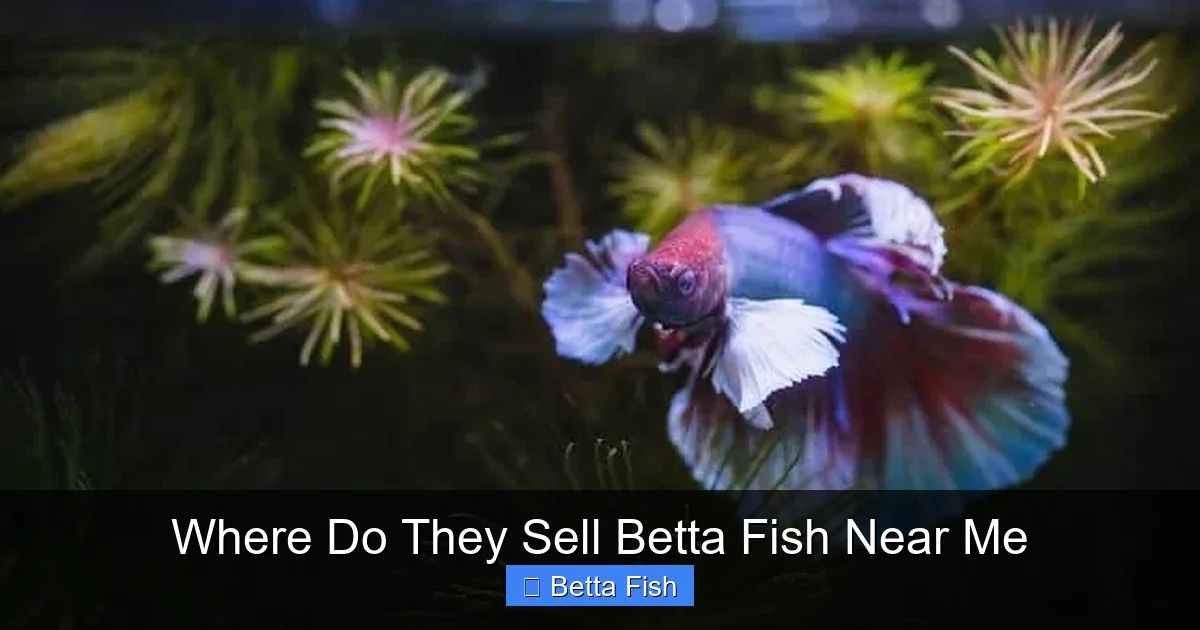
Visual guide about Where Do They Sell Betta Fish Near Me
Image source: fishkeepingworld.com
Big-Box Pet Store Chains (PetSmart, Petco, etc.)
These are the most visible and accessible options. You’ll almost certainly find bettas in small cups on shelves. The major issue is the “cup system.” Betta fish are often kept in less than 1 cup of water, without adequate heating or filtration, for weeks. While corporate policies have improved in recent years, with some chains promoting “betta barracks” (a shared, filtered system), conditions vary wildly by individual store management. The fish are typically sourced from large commercial farms in Southeast Asia.
- Pros: Ubiquitous, consistent pricing, often have starter kits, easy return policies within a short window.
- Cons: High-stress environment, higher risk of disease, limited genetic variety (mostly common colors and fin types), staff knowledge can be inconsistent.
- What to Look For: If you must buy here, choose a store where the betta cups are clean, the water is clear, and the fish are alert with fully extended fins. Avoid any with clamped fins, frayed edges, pale colors, or lethargy. Ask if they are on a “barracks” system.
Independent Local Pet Shops
These are the charming, family-owned stores in your town or nearby suburbs. They are a significant step up in quality and care from chains. The owners usually have a genuine passion for fish and curate their stock more carefully. They often source from a mix of local breeders and reputable wholesalers. Their bettas are typically housed in larger, filtered, heated quarantine systems, not solitary cups.
- Pros: Better husbandry standards, healthier fish, more knowledgeable staff, potential to special order specific varieties, stronger community connection.
- Cons: May have a smaller selection, prices can be slightly higher, location may require a bit more research.
- What to Look For: Observe the overall store cleanliness. Are the fish tanks sparkling? Do the bettas have ample space (at least 1-2 gallons per fish in a community setup)? Are they active and eating? Talk to the owner—their passion and answers to your questions are your best indicator.
Specialized Aquarium/Fish Stores
These are stores dedicated solely to fish and aquatic life, not general pet supplies. They are the gold standard for local retail. The staff are almost always seasoned aquarists. Betta fish here are treated as the delicate, tropical species they are. You’ll find them in species-specific setups with pristine water quality, often alongside other community fish they are compatible with.
- Pros: Exceptional fish health and welfare, vast variety including rare halfmoon, plakat, and fancy types, expert advice on tank setup and cycling, high-quality food and supplies.
- Cons: Can be more expensive, may be located in larger cities or industrial areas, selection changes frequently.
- What to Look For: This should be your primary target. The store should smell clean (like a pond, not ammonia). Bettas should be in tanks with heaters, filters, and hiding spots. The staff should be able to discuss the specific lineage or breeder of their fish.
Local Betta Breeders
This is the pinnacle for sourcing a betta. Breeders raise fish from egg to adult, controlling every aspect of their environment, diet, and genetics. They are passionate hobbyists or small-scale professionals. Finding one requires digging deeper than a simple Google search for “pet store.”
- Pros: Healthiest possible start, known genetics and temperament, often better社会化 (socialized) to humans, direct access to the expert for lifelong questions, support ethical breeding practices.
- Cons: Can be difficult to find, may have waiting lists, prices vary widely based on quality, often sell via local pickup or fish club meetings.
- How to Find Them: Search for “[Your City/State] betta breeder,” join local aquarium society Facebook groups, attend fish club auctions, or ask for referrals at the high-quality aquarium stores mentioned above.
Online with Local Pickup (A Modern Hybrid)
Many breeders and specialty shops now use platforms like Instagram, Facebook Marketplace, or dedicated breeder websites to showcase their available stock. They will then arrange a safe, local meeting point for pickup. This combines the genetic quality of a breeder with the convenience of local sourcing.
- Pros: Access to a national-level quality of betta without shipping stress, direct communication with the breeder, often see photos/videos of the exact fish you’ll get.
- Cons: Requires trust and clear communication, meeting logistics need to be safe and planned, no “in-person” pick before purchase.
- Safety Tip: Always meet in a public, daylight location. Use secure payment methods. A legitimate breeder will be proud to show you their facility if they offer tours.
Your Action Plan: How to Find and Vet Sellers
Armed with knowledge of seller types, it’s time to execute your search. The phrase “where do they sell betta fish near me” is your starting point, not your endpoint. Here is a strategic, multi-step approach.
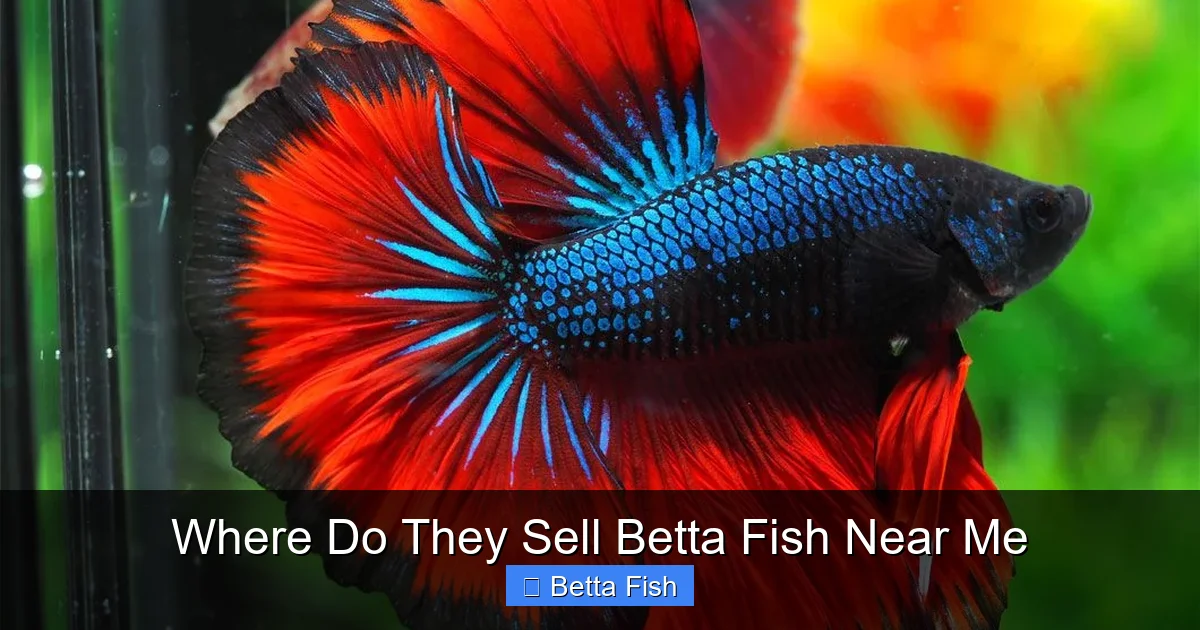
Visual guide about Where Do They Sell Betta Fish Near Me
Image source: petfishplants.com
Step 1: The Digital Deep Dive
Start with your exact phrase, but go beyond the first page of results. Use different keywords: “betta fish for sale [Your City],” “aquarium store [Your Zipcode],” “betta breeder [Your State].” Immediately shift to review platforms. scour Google Reviews, Yelp, and Facebook for any store or breeder that appears. Look for reviews that specifically mention betta fish health, tank conditions, and staff knowledge. Be wary of places with multiple reviews about “dying fish within a week.”
Step 2: Leverage Your Local Community
This is your secret weapon. Search for and join local aquarium societies, fish club Facebook groups (e.g., “Greater Chicago Aquarium Society”), or even subreddits for your city/state. Post a simple question: “Hi everyone, I’m a new betta keeper looking for a reputable local source. Does anyone have recommendations for a store or breeder in the [Your Area] with healthy, well-kept bettas?” You will get authentic, experience-based answers from fellow enthusiasts. These communities are also where local breeders often post about available stock or upcoming club auctions, which are fantastic events to buy fish directly from breeders in a group setting.
Step 3: The In-Person Investigation
Once you have a shortlist of 2-3 physical stores or breeders, it’s time for reconnaissance. Visit the stores without the intention to buy immediately. This is your fact-finding mission.
- Observe the Betta Tanks: Are they clean? Is the water clear? Is there a heater and gentle filtration? Are there hiding spots (plants, caves)? Are the fish active, exploring, or at least responsive to your presence?
- Ask Targeted Questions: Don’t just ask “How much?” Ask: “Where do you source your bettas from?” “How long have these particular fish been here?” “What do you feed them?” “What’s your water change schedule for the betta system?” A good seller will have detailed, confident answers.
- Assess the Overall Inventory: Are there other fish showing signs of illness (clamped fins, spots, lethargy)? Are there dead fish in tanks? This indicates poor overall management.
- Gauge Staff Knowledge: Ask a trick question: “Can bettas live with other fish?” A knowledgeable answer will discuss careful, specific tankmates (like certain rasboras or snails) and the risks, not just “yes, they’re fine with anything.”
What a Healthy Betta Looks Like: Your In-Store Checklist
Even from the best seller, you need to be your fish’s final health inspector. Use this checklist on every potential betta you consider. Bring a small notebook or use your phone to note observations.

Visual guide about Where Do They Sell Betta Fish Near Me
Image source: aqueon.com
The Physical Exam: From Head to Tail
Body: Should be robust, elongated, and not lumpy or emaciated. There should be no raised scales, sores, or visible holes (which can indicate internal parasites or advanced infections like dropsy). The belly should look full, not sunken.
Fins: This is a betta’s pride. Fins should be whole, undamaged, and fully extended when the fish is alert. Look for tears, fraying, blackened edges (fin rot), or cotton-like growths (fungus). Fins should also be clean, not clumped or stuck together.
Scales and Color: Scales should lie flat and smooth. The color should be vibrant and even. Be cautious of fish with large white patches, fuzzy growths (columnaris), or a dusty, peppered appearance (ich). Some stress can cause temporary color paling, but a healthy fish should perk up and color up when fed or stimulated.
Eyes: Should be clear, bright, and protruding normally. Cloudy, white, or bulging eyes (pop-eye) are severe red flags.
Gills: When the fish breathes, the gill covers should move rhythmically. They should not be red and inflamed (a sign of ammonia poisoning or infection) or covered in a fuzzy growth.
Behavioral Cues: The Active Test
A betta’s behavior is the ultimate tell. Is it alert? When you approach the cup or tank, does it swim over, flare its gills (a sign of curiosity/assertion), or follow your finger? A lethargic betta that floats listlessly or rests on the bottom is a major concern. Does it eat? Ask the seller to feed it. A healthy betta will eagerly chase and consume food like pellets or frozen brine shrimp. Refusal to eat is a sign of severe stress or illness. How does it move? It should swim smoothly and purposefully. Watch for swimming upside down, in circles, or struggling to maintain depth (swim bladder issues).
Beyond the Purchase: Ethical and Practical Considerations
Finding the fish is just the beginning. Your responsibility as a keeper starts the moment you decide to search for “betta fish near me.”
The Mandatory Pre-Purchase Checklist
You must have a fully cycled aquarium ready before you bring a betta home. A “cycle” means establishing beneficial bacteria that process toxic fish waste (ammonia and nitrite). This takes 4-6 weeks. Bringing a betta home to an uncycled tank is a death sentence. Your tank should be a minimum of 5 gallons (a 10-gallon is even better), heated to 78-80°F (25.5-26.5°C) with a gentle filter (a sponge filter is ideal), and have a secure lid (bettas jump!). Have water conditioner, a test kit, and appropriate food (high-quality pellets, occasional frozen or live foods) on hand. Buying the fish first and then setting up the tank is the most common and tragic mistake new keepers make.
The True Cost of a Cheap Betta
A $5 betta from a cup might seem like a bargain, but it’s a false economy. That fish has a high statistical probability of being sick. You’ll then spend $20-$50 on medications, maybe more, and endure the emotional toll of watching a sick pet. A $25-$40 betta from a reputable local breeder or specialty store has been raised in optimal conditions, is genetically stronger, and has a far higher chance of living its full 3-5 (or more) year lifespan with minimal health issues. You are paying upfront for health and welfare, which saves money and heartache long-term.
Conclusion: Your Journey Starts with a Choice
The search for “where do they sell betta fish near me” is more than a transaction—it’s the first step in a rewarding 3-5 year companionship. By prioritizing local, ethical sellers—whether a dedicated aquarium shop, a passionate independent breeder, or a vetted online source with local pickup—you dramatically increase your chances of bringing home a vibrant, healthy companion. You support better industry practices and gain a trusted advisor. Remember to go in prepared with a cycled tank and a critical eye for fish health. Your perfect betta is out there, being well-cared for by someone who loves the species as much as you will. Take your time, do the research, ask the questions, and you’ll find not just a fish, but a source of joy and a beautiful living artwork for your home.
Frequently Asked Questions
Can I keep a betta fish from a cup in a small bowl?
No, this is the most common and harmful mistake. Bettas need a minimum of 5 gallons of heated, filtered water to thrive. A small bowl is a slow death sentence due to rapidly deteriorating water quality and lack of temperature stability. Always start with a properly cycled aquarium.
How can I tell if a betta at a store is healthy?
Look for vibrant, even color; fully extended, undamaged fins; a robust, non-emaciated body; and active, curious behavior. It should respond to your presence and readily eat when fed. Avoid any fish with clamped fins, pale or patchy color, frayed fins, lethargy, or visible spots/sores.
Are betta fish from breeders really worth the extra cost?
Absolutely. You are paying for superior genetics, optimal early-life care, and the breeder’s expertise. These fish are healthier, hardier, and have known temperaments. The higher initial cost often prevents much higher future vet bills and emotional distress from a chronically sick fish from a cup.
What questions should I ask a potential betta seller?
Ask: “Where are your bettas sourced from?” “How long have they been in your care?” “What is their water change schedule?” “What do you feed them?” “Can I see the parent fish?” A reputable seller will welcome these questions and have clear, knowledgeable answers.
Can I buy a betta online and have it shipped?
While possible, shipping live fish is incredibly stressful and has a high mortality risk. It should be a last resort. If you do, only use the most reputable, specialized breeders who use professional, insulated shipping with heat/cold packs and a guarantee. Local pickup is always preferable for the fish’s welfare.
What is a “betta barracks” system at a pet store?
It’s a shared filtration system where individual bettas are kept in small containers (cups or tubes) that are all connected to a central, heated, and filtered sump. This provides cleaner, warmer water than solitary cups. It’s a significant welfare improvement, but the containers are still too small for long-term housing. It’s better than cups, but not as good as individual tanks.