A Marine Betta Fish
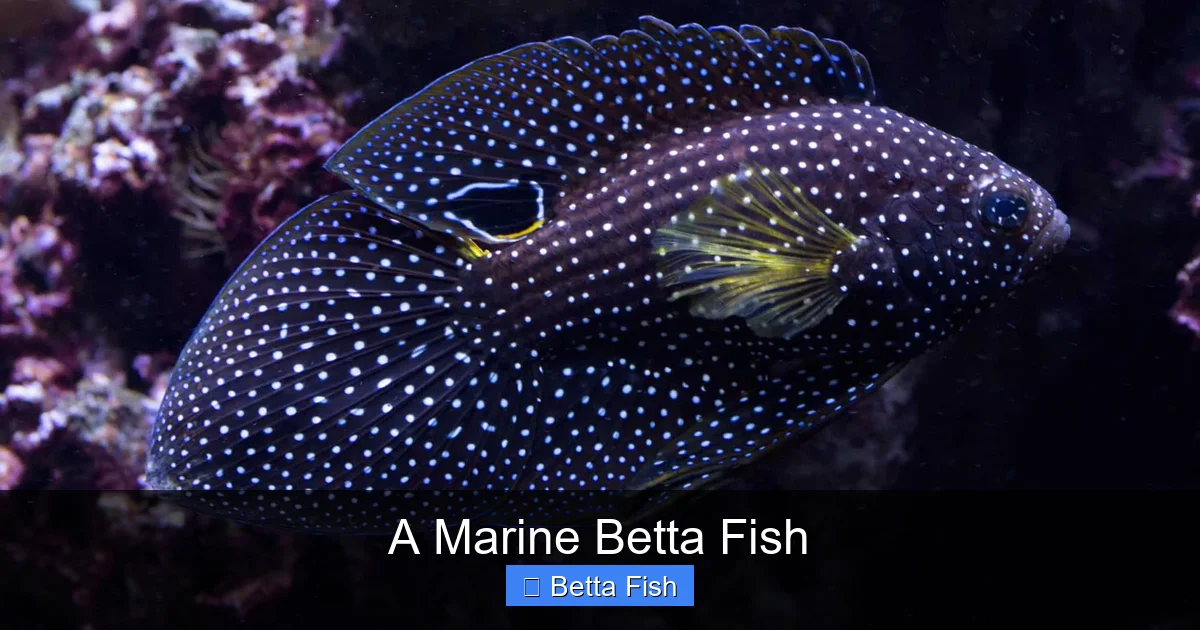
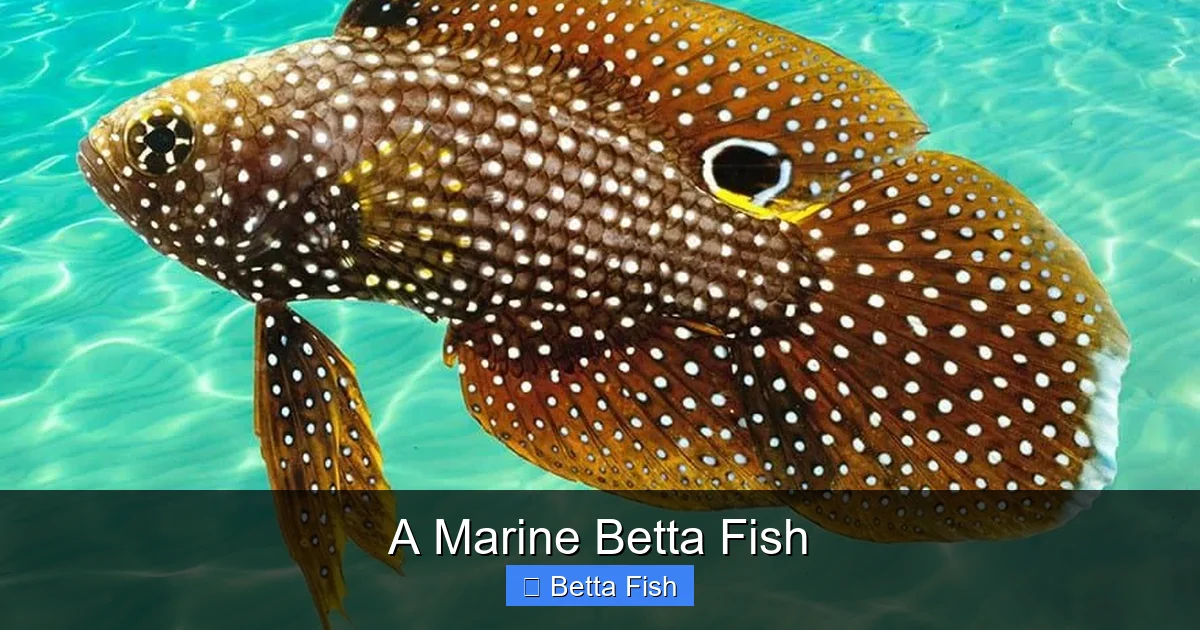
A marine betta fish is a vibrant, hardy species that thrives in well‑maintained saltwater aquariums. Learn how to set up the perfect habitat, feed properly, and keep your fish healthy for years of colorful enjoyment.
Key Takeaways
- Ideal water parameters: Keep salinity at 1.020‑1.025 SG, temperature 76‑82°F, and pH 8.1‑8.4.
- Tank size matters: A minimum of 20 gallons provides space for swimming and stable water chemistry.
- Diet diversity: Offer a mix of frozen mysis, brine shrimp, and high‑quality marine betta pellets.
- Compatibility: Choose peaceful, similarly sized marine fish; avoid fin‑nippers and aggressive species.
- Regular maintenance: Perform 20‑30% water changes weekly and test parameters twice a week.
- Lighting & flow: Moderate lighting and gentle water movement mimic their natural reef edge habitat.
- Lifespan: With proper care, a marine betta fish can live 3‑5 years, sometimes longer.
📑 Table of Contents
- Introduction: Why the Marine Betta Fish Captivates Hobbyists
- 1. Understanding the Marine Betta’s Natural Habitat
- 2. Setting Up the Perfect Tank
- 3. Feeding Your Marine Betta Fish
- 4. Compatibility and Tank Mates
- 5. Health, Disease Prevention, and Common Problems
- 6. Long‑Term Care and Lifespan
- Conclusion: Bringing the Marine Betta Into Your Home
Introduction: Why the Marine Betta Fish Captivates Hobbyists
If you’ve ever been dazzled by the shimmering fins of a Siamese fighting fish, imagine that beauty set against a salty backdrop. The marine betta fish (often called the “saltwater betta”) brings the same flamboyant colors and personality, but thrives in a reef‑style aquarium. Unlike its freshwater cousin, this species enjoys the gentle currents and slightly alkaline water of coastal lagoons. For beginners and seasoned aquarists alike, the marine betta offers a rewarding blend of visual drama and relatively easy care—provided you respect its specific needs.
In this guide we’ll walk through everything from tank setup to feeding, and we’ll sprinkle in practical tips you can start using today. Think of it as a chat over coffee with a friend who just got a new fish and wants to make sure it thrives.
1. Understanding the Marine Betta’s Natural Habitat
Where Do They Come From?
Marine bettas are native to the shallow, brackish waters of Southeast Asia, especially around mangrove roots and tidal pools. These environments are warm, slightly salty, and full of hiding spots—perfect for a fish that loves to explore but also needs places to retreat.
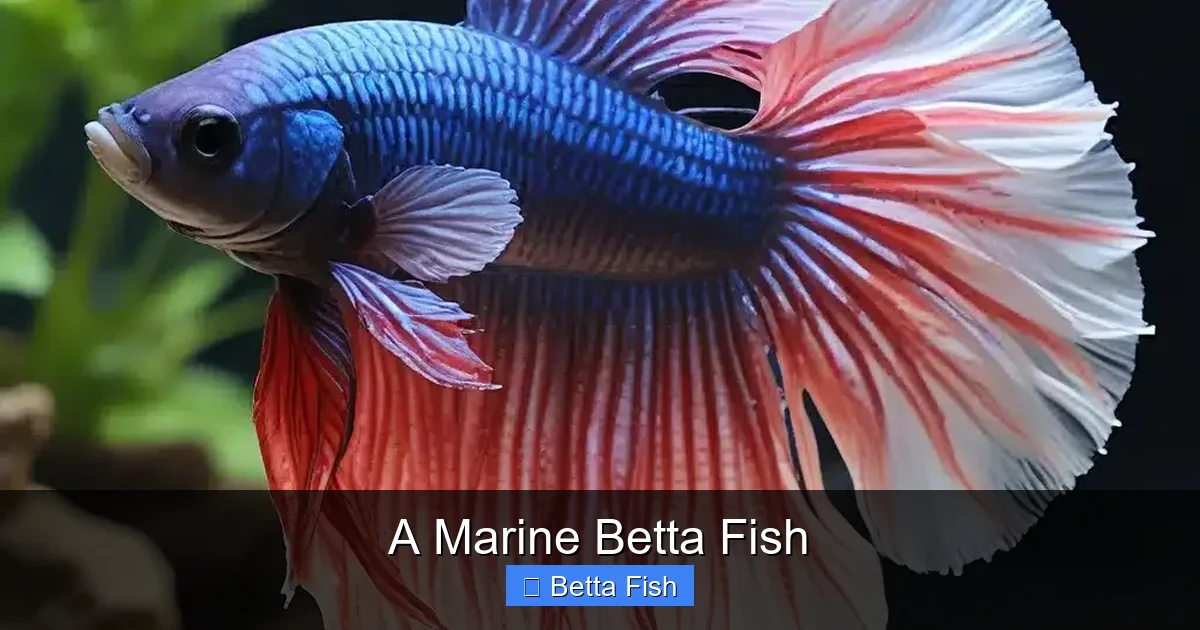
Visual guide about A Marine Betta Fish
Image source: kingaquarium.com
Key Water Parameters
- Salinity (Specific Gravity): 1.020‑1.025 SG – measured with a hydrometer or refractometer.
- Temperature: 76‑82°F (24‑28°C). Consistency is crucial; sudden drops can stress the fish. For more on temperature basics, see What Temperature Should Water Be For A Betta Fish.
- pH: 8.1‑8.4 – slightly alkaline, mimicking reef water.
- Ammonia/Nitrite: 0 ppm – any detectable level is a red flag.
- Hardness: 8‑12 dKH.
Keeping these parameters stable is the cornerstone of a healthy marine betta.
2. Setting Up the Perfect Tank
Choosing the Right Size
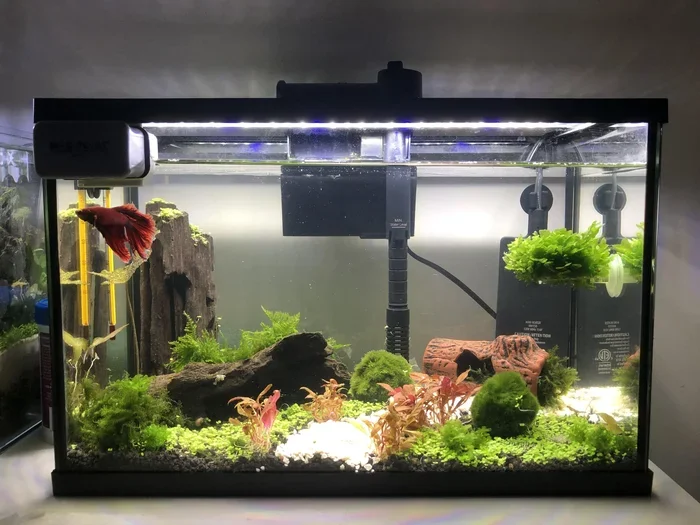
A marine betta needs room to swim and to establish a stable environment. The smallest recommended tank is 20 gallons (≈75 L). Larger tanks (30‑40 gallons) make water chemistry easier to manage and give you space for compatible tank mates.
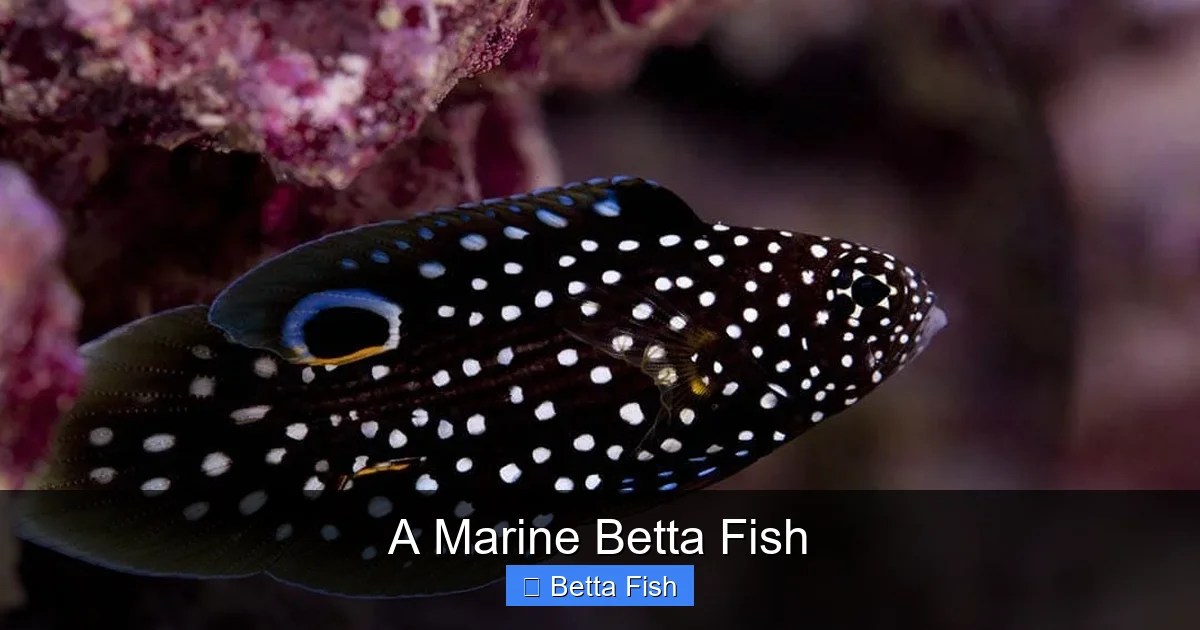
Visual guide about A Marine Betta Fish
Image source: hepper.com
Filtration and Water Flow
Use a reliable hang‑on‑back (HOB) filter or a canister system rated for at least double the tank volume per hour. Install a gentle powerhead to create a soft current—think of a lazy river rather than a waterfall. This mimics the fish’s natural lagoon habitat and helps keep debris suspended for the filter to remove.
Substrate, Live Rock, and Décor
Fine sand or crushed coral substrate works well, offering a natural look and buffering capacity. Add 1‑2 pounds of live rock per gallon; it provides hiding spots, beneficial bacteria, and a place for micro‑fauna that the betta may nibble.
Lighting
Moderate LED lighting (10‑12 hours per day) is sufficient. Too much intensity can stress the fish, while a dark tank hides its colors. A dimmable fixture lets you adjust based on the fish’s behavior.
Acclimation Process
When your marine betta arrives, float the sealed bag in the tank for 15‑20 minutes to equalize temperature. Then, slowly add tank water to the bag over an hour before gently releasing the fish. This gradual transition helps avoid shock.
3. Feeding Your Marine Betta Fish
Diet Composition
Marine bettas are carnivorous. A balanced diet includes:
Visual guide about A Marine Betta Fish
Image source: forthefishes.org
- Frozen or freeze‑dried mysis shrimp (high protein).
- Brine shrimp (good for conditioning).
- Specialized marine betta pellets (formulated with essential fatty acids).
- Occasional live foods like copepods for enrichment.
Feeding Schedule
Offer a small portion 2‑3 times daily. The fish should consume the food within 2‑3 minutes; any leftovers should be removed to prevent water quality issues.
Portion Control Tips
Start with a pinch of pellets or a few shrimp pieces. If the fish leaves food, reduce the amount next feeding. Overfeeding leads to cloudy water and increased nitrate levels.
4. Compatibility and Tank Mates
Choosing Compatible Species
Marine bettas are semi‑peaceful but can be territorial around similar‑looking fish with long fins. Good companions include:
- Small gobies (e.g., neon goby).
- Pygmy or dwarf shrimp (e.g., cherry shrimp).
- Quiet, non‑aggressive reef fish like chromis or small blennies.
Species to Avoid
Avoid aggressive damselfish, large lionfish, and other fin‑nipping species. Also, keep them away from other bettas unless you have a large, well‑planted tank with plenty of visual barriers.
Reference for Compatibility
For a broader view on tank mates, read What Fish Is Compatible With A Betta Fish and What Fish Can Live With A Male Betta.
5. Health, Disease Prevention, and Common Problems
Spotting Early Signs of Trouble
Healthy marine bettas are active, display bright colors, and flare their fins occasionally. Watch for:
- Lethargy or hiding all day.
- White spots (possible ich).
- Frayed or torn fins.
- Loss of appetite.
Preventive Care
Maintain water quality with weekly 20‑30% water changes. Use a marine‑safe test kit to monitor ammonia, nitrite, nitrate, and pH. Quarantine new arrivals for at least two weeks to avoid introducing pathogens.
Treating Common Ailments
If you notice ich, raise the temperature by 2°F and add a copper‑based medication following the label instructions. For fungal infections, a dip in a marine‑safe antifungal solution can help.
When to Seek Help
If the fish stops eating for more than 48 hours or shows rapid deterioration, consult a specialist or a reputable marine aquarium store.
6. Long‑Term Care and Lifespan
How Long Do Marine Bettas Live?
With optimal conditions, a marine betta can live 3‑5 years, sometimes reaching 6 years. Longevity depends on water stability, diet, and stress levels. For a deeper dive into betta lifespans, see What Is The Lifespan Of A Betta Fish.
Seasonal Adjustments
In summer, keep an eye on temperature spikes; use a chiller if water exceeds 82°F. In winter, ensure the heater maintains the lower end of the range.
Enrichment and Behavior
Marine bettas love to explore. Add small caves, live rock overhangs, and occasional floating algae balls for grazing. Changing the décor slightly every few months keeps them mentally stimulated.
Conclusion: Bringing the Marine Betta Into Your Home
A marine betta fish is more than just a pretty face—it’s a curious, active swimmer that rewards attentive care. By setting up the right tank, maintaining stable water parameters, feeding a varied diet, and providing compatible companions, you’ll enjoy a vibrant centerpiece that brightens any marine aquarium. Remember, consistency is key; small, regular maintenance tasks prevent big problems later. With the tips shared here, you’re ready to welcome a marine betta into your aquatic family and watch it flourish for years to come.
Frequently Asked Questions
What type of water does a marine betta fish need?
A marine betta requires fully salted seawater with a specific gravity of 1.020‑1.025, a temperature of 76‑82°F, and a pH around 8.1‑8.4.
Can a marine betta live with other fish?
Yes, if you choose peaceful, similarly sized species such as small gobies or dwarf shrimp. Avoid aggressive or fin‑nipping tank mates.
How often should I change the water in a marine betta tank?
Perform a 20‑30% water change weekly, testing parameters twice a week to keep ammonia and nitrite at zero.
What do marine bettas eat?
A varied diet of frozen mysis shrimp, brine shrimp, high‑quality marine betta pellets, and occasional live copepods provides balanced nutrition.
Do marine bettas need special lighting?
Moderate LED lighting for 10‑12 hours a day is ideal. Too much intensity can stress the fish, while a dim tank hides its colors.
What is the average lifespan of a marine betta fish?
With proper care, a marine betta can live 3‑5 years, sometimes longer if water conditions remain stable and stress is minimized.