A Lot of Bubbles in My Betta Fish Tank
Seeing a lot of bubbles in my betta fish tank can be confusing, but most of the time it’s perfectly normal. Learn the common reasons behind bubble formation, when to worry, and easy fixes to maintain crystal‑clear water for your finned friend.
Key Takeaways
- Normal behavior: Betta fish often create bubbles for breathing and bubble‑nest building.
- Equipment causes: Air stones, filters, and heaters can introduce excess bubbles.
- Water quality matters: Poor parameters encourage surface agitation and unwanted foam.
- Temperature & oxygen: Warm water holds less oxygen, prompting bettas to gulp air.
- Quick fixes: Adjust flow, clean décor, and use a surface skimmer to reduce excess bubbles.
- When to act: Persistent frothy water or distressed fish signals a problem that needs attention.
- Preventive care: Regular water changes and proper tank setup keep bubble issues at bay.
📑 Table of Contents
- Introduction: Why the Bubbles Matter
- 1. The Science Behind Betta Bubbles
- 2. When Bubbles Are a Red Flag
- 3. Diagnosing the Source in Your Tank
- 4. Practical Solutions to Reduce Unwanted Bubbles
- 5. Long‑Term Maintenance for a Bubble‑Free Tank
- 6. When to Seek Professional Help
- Conclusion: Bubbles Are Usually a Blessing, Not a Curse
Introduction: Why the Bubbles Matter
If you’ve ever stared at the surface of your betta’s home and thought, “Why are there a lot of bubbles in my betta fish tank?” you’re not alone. New betta owners often panic when they see a foam‑filled water line or tiny bubbles clinging to the glass. The good news is that most of these bubbles are harmless and can even be a sign that your fish is healthy.
In this article we’ll walk through the most common sources of bubbles, how to tell good bubbles from bad, and practical steps you can take right now. By the end, you’ll feel confident that a bubbly surface is just another part of betta care—not a looming disaster.
1. The Science Behind Betta Bubbles
How bettas breathe
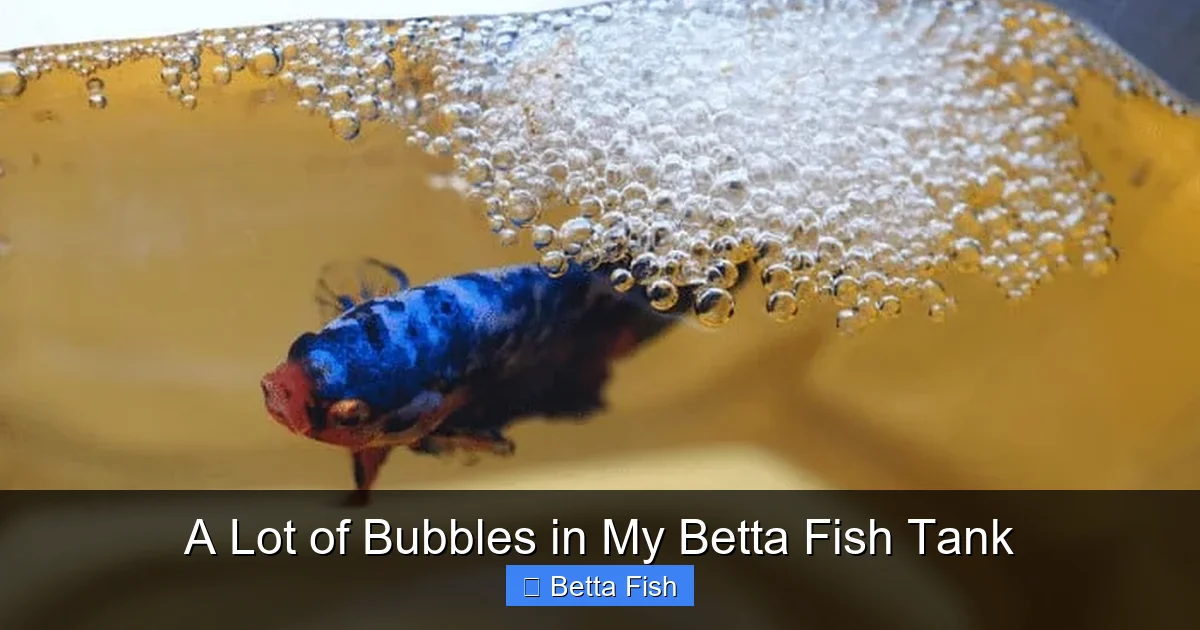
Betta fish are labyrinth fish. They have a special organ that lets them gulp air from the surface, supplementing the oxygen they get from the water. When a betta takes a breath, it often releases a tiny bubble that rises to the top. Over time, these tiny bubbles can collect and look like a foam line.
Visual guide about A Lot of Bubbles in My Betta Fish Tank
Image source: aquariumsphere.com
Bubble‑nest building
Male bettas are famous for building bubble nests. They blow a cluster of bubbles at the water’s surface, coat them with saliva, and use the nest to protect their eggs. If you see a lot of bubbles in my betta fish tank during the breeding season, it’s likely a nest in progress. The nest can look like a thick, white‑ish mat that stretches across the water.
Equipment‑generated bubbles
Many tank accessories unintentionally add bubbles:
- Air stones and sponge filters: These create a fine stream of bubbles that can accumulate.
- Powerheads or pumps: Strong water flow agitates the surface, trapping air.
- Heaters: Some heaters release micro‑bubbles as they heat the water.
If you’ve recently added a new filter or aeration device, check whether it’s the culprit.
2. When Bubbles Are a Red Flag
Foamy water vs. natural bubbles
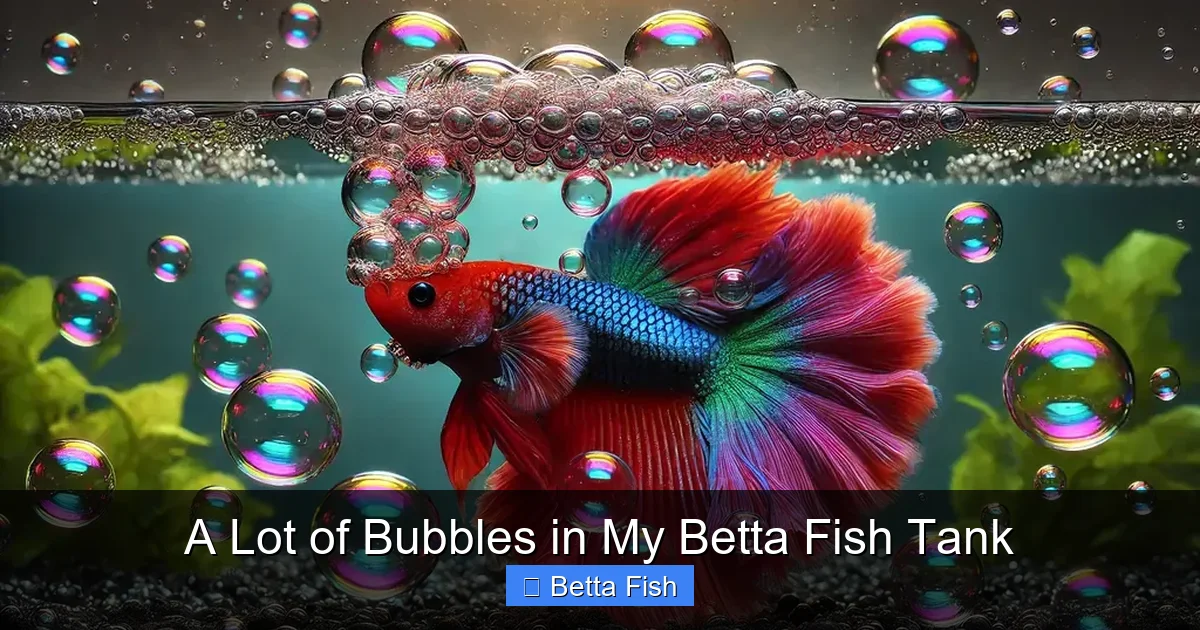
Normal bubbles are clear, round, and rise straight up. Foamy water looks like a milk‑white film that clings to the glass and may spread across the surface. Foam often signals:
Visual guide about A Lot of Bubbles in My Betta Fish Tank
Image source: healthyhomeaquarium.com
- Poor water quality (high organics, ammonia, or nitrate).
- Excessive surface agitation from high‑flow filters.
- Detergent residue from cleaning tools.
If the foam persists after a water change, it’s time to investigate water parameters.
Signs your betta is stressed
Even if the bubbles themselves aren’t harmful, they can be a symptom of a stressed fish. Watch for:
- Lethargic swimming or staying at the surface all day.
- Clamped fins, faded colors, or torn fins.
- Rapid gulping of air (mouth opening and closing repeatedly).
Stress can stem from low oxygen, temperature swings, or a dirty tank. Addressing the root cause will reduce the bubble activity.
3. Diagnosing the Source in Your Tank
Step‑by‑step checklist
Use this quick checklist to pinpoint why you have a lot of bubbles in my betta fish tank:
Visual guide about A Lot of Bubbles in My Betta Fish Tank
Image source: petshun.com
- Inspect equipment: Turn off air stones, reduce filter flow, or adjust the heater.
- Test water: Use a reliable test kit for ammonia, nitrite, nitrate, and pH.
- Observe fish behavior: Is the betta building a nest or gasping?
- Check décor: Rough surfaces (like certain rocks or driftwood) can trap bubbles.
- Perform a water change: Replace 25‑30% of the water to dilute any organics.
Useful tools
A good water test kit and a small aquarium vacuum are essential. If you’re unsure how to test water, see our guide on how to change the water in a betta fish tank for step‑by‑step instructions.
4. Practical Solutions to Reduce Unwanted Bubbles
Adjusting filtration
Many beginners use a strong filter that creates a turbulent surface. Switch to a gentle sponge filter or add a pre‑filter sponge to the intake. This slows the water flow and lets bubbles escape naturally.
Using a surface skimmer
A small surface skimmer or a piece of fine mesh placed just below the water line can collect excess bubbles before they accumulate. It’s an inexpensive way to keep the top of the tank clear.
Cleaning décor and glass
Residues on rocks, plants, or the glass can act as nucleation sites where bubbles cling. Wipe the glass with an algae pad (no soap) and gently rinse décor in tank water during each water change.
Temperature control
Warmer water holds less dissolved oxygen, prompting bettas to gulp more air. Keep the tank temperature between 78°F‑80°F (25.5°C‑26.5°C). If you need a heater, choose one with an adjustable thermostat and place it away from the water’s surface.
Limit aeration
While bettas can tolerate low‑oxygen environments, a small amount of aeration is still helpful. If you use an air stone, try a finer‑bubble stone or reduce the airflow to a gentle hiss.
5. Long‑Term Maintenance for a Bubble‑Free Tank
Regular water changes
Changing 20‑30% of the water weekly removes dissolved organics that create foam. Use a siphon to vacuum the substrate, which also removes trapped debris.
Proper feeding
Overfeeding leads to excess waste, which fuels bacterial growth and foam. Feed your betta 2‑3 small pellets once or twice daily, and remove any uneaten food after five minutes.
Monitoring water parameters
Test weekly for the first month, then bi‑weekly once the tank is stable. Aim for:
- Ammonia: 0 ppm
- Nitrite: 0 ppm
- Nitrate: < 20 ppm
- pH: 6.5‑7.5 (stable)
Stable parameters keep the water clear and reduce bubble formation.
Choosing the right tank size
A cramped tank increases waste concentration and surface agitation. The ideal minimum for a single betta is 5 gallons (≈19 liters). Larger tanks dilute waste and give your fish more room to explore. For more details on tank size, read how big of a tank for betta fish.
6. When to Seek Professional Help
Persistent foam despite action
If you’ve tried the steps above and the foam remains, there could be an underlying issue such as a hidden leak, a malfunctioning filter, or a disease affecting the fish’s gills. In such cases, consult a local aquarium specialist or a vet experienced with fish.
Sudden fish illness
Sometimes a sudden increase in bubbles coincides with a betta’s rapid decline. If your betta shows signs of illness—loss of appetite, white spots, or frantic swimming—check out why did my betta fish die in a week for possible causes and next steps.
Conclusion: Bubbles Are Usually a Blessing, Not a Curse
Seeing a lot of bubbles in my betta fish tank can feel alarming, but most of the time it’s just your fish breathing, building a nest, or reacting to equipment. By understanding the natural reasons, monitoring water quality, and making a few simple adjustments, you can keep the surface calm and your betta thriving.
Remember: a clear, gently rippling surface is a sign of a well‑balanced aquarium. When you notice excess bubbles, run through the checklist, make one small change at a time, and enjoy watching your betta’s vibrant colors dance in a healthy home.
Frequently Asked Questions
Why does my betta create a bubble nest?
Male bettas build bubble nests to protect their eggs. The bubbles are coated with saliva and form a floating “nest” where the male guards the fertilized eggs.
Can I use an air stone with a betta tank?
Yes, but keep the airflow low. Betta fish prefer calm water, and a strong air stone can create too many surface bubbles and stress the fish.
Is foam on the water surface harmful?
Foam often indicates poor water quality or excessive agitation. While not immediately lethal, it can reduce oxygen exchange and signal that a water change is needed.
How often should I change the water to prevent bubbles?
Change 20‑30% of the water weekly for a new tank, and every 2‑3 weeks once the tank is stable. Regular changes keep organics low and reduce foam.
My betta is constantly gulping air—what should I do?
Check temperature (keep it 78‑80°F), ensure the water is well‑filtered but not overly turbulent, and test for ammonia or nitrite spikes that could lower oxygen levels.
Do I need a heater for my betta?
Betta fish are tropical and thrive at 78‑80°F. In cooler rooms, a reliable heater maintains a stable temperature, which also helps keep oxygen levels consistent.