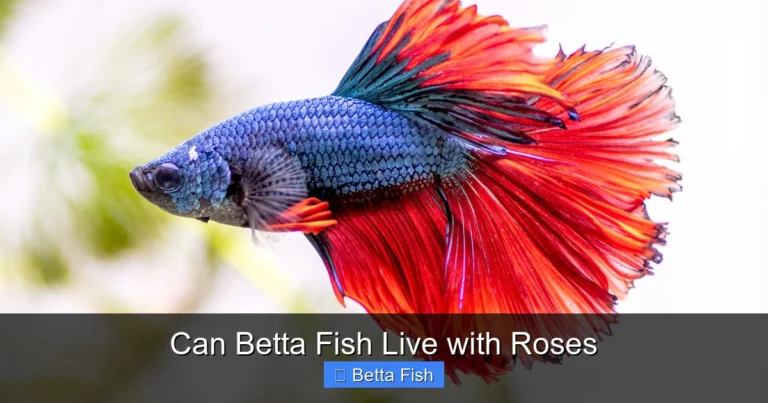
A Nice Betta Fish Decorations
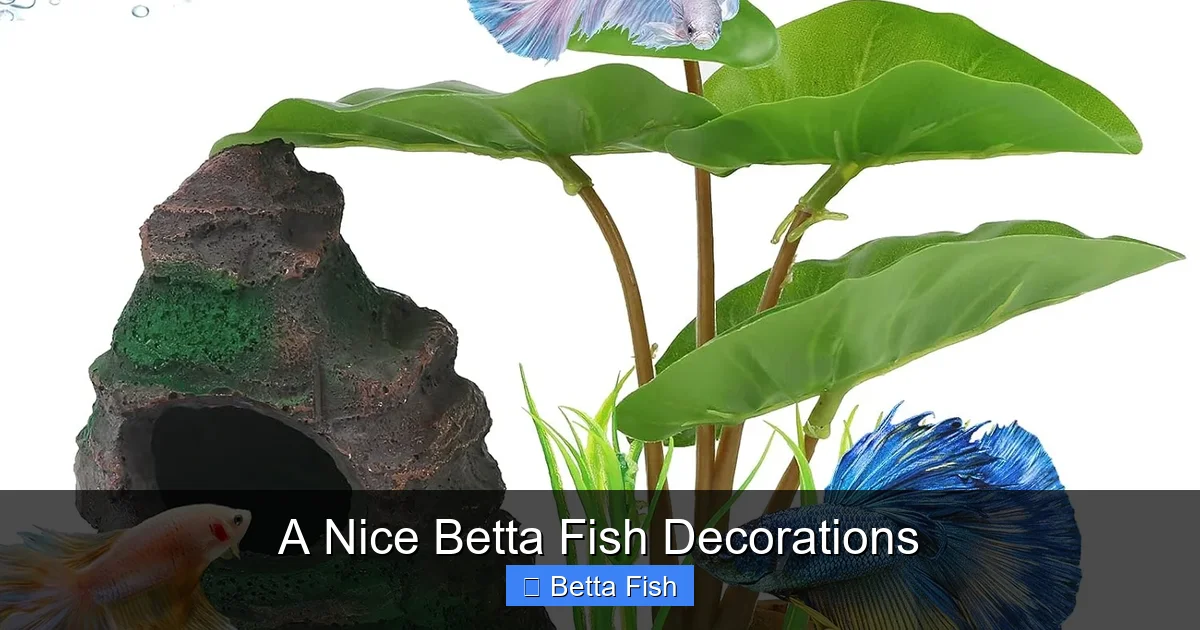
Transform your betta’s home with the right decorations. From natural plants to creative hides, the right “nice betta fish decorations” keep your fish happy, reduce stress, and make your aquarium a visual treat. Follow our friendly guide for safe, beautiful setups every betta lover will love.
Key Takeaways
- Safety first: Choose smooth, non‑sharp decorations to protect delicate betta fins.
- Natural feel: Live or silk plants mimic the wild habitat and encourage natural behavior.
- Space matters: Keep the tank open enough for swimming while providing cozy hideouts.
- Easy maintenance: Opt for decorations that are simple to clean and won’t trap debris.
- Creative flair: Add themed or colorful ornaments to match your décor without harming the fish.
- Compatibility: Some decorations double as homes for beneficial shrimp or snails.
- Budget friendly: DIY options can be just as safe and attractive as store‑bought pieces.
📑 Table of Contents
- Why Decorations Matter for Betta Fish
- Types of Nice Betta Fish Decorations
- How to Choose Safe Decorations
- Setting Up Your Tank with Nice Betta Fish Decorations
- Creative Ideas for Unique Betta Décor
- Maintaining a Beautiful Betta Habitat
- Common Mistakes to Avoid
- Choosing the Right Size Tank for Your Decorations
- Final Thoughts: Making Your Betta’s World Shine
Why Decorations Matter for Betta Fish
Betta fish are solitary explorers. In the wild they glide through rice paddies, dense vegetation, and drifting roots. Replicating that environment in a home aquarium does more than look pretty—it reduces stress, encourages natural hunting instincts, and can even improve coloration.
When you search for nice betta fish decorations, think of them as furniture for a tiny, fin‑tastic roommate. Each piece should serve a purpose: a place to rest, a spot to hide, or a surface to explore. The right mix creates a balanced world where your betta can thrive.
Health benefits of a well‑decorated tank
- Stress reduction: Hiding spots let bettas escape sudden movements or bright lights.
- Better water quality: Live plants absorb nitrates, keeping the water cleaner.
- Stimulated activity: Varied terrain encourages swimming, which strengthens muscles.
Types of Nice Betta Fish Decorations
Not all decorations are created equal. Below are the main categories you’ll encounter, along with tips on choosing the best options for your finned friend.
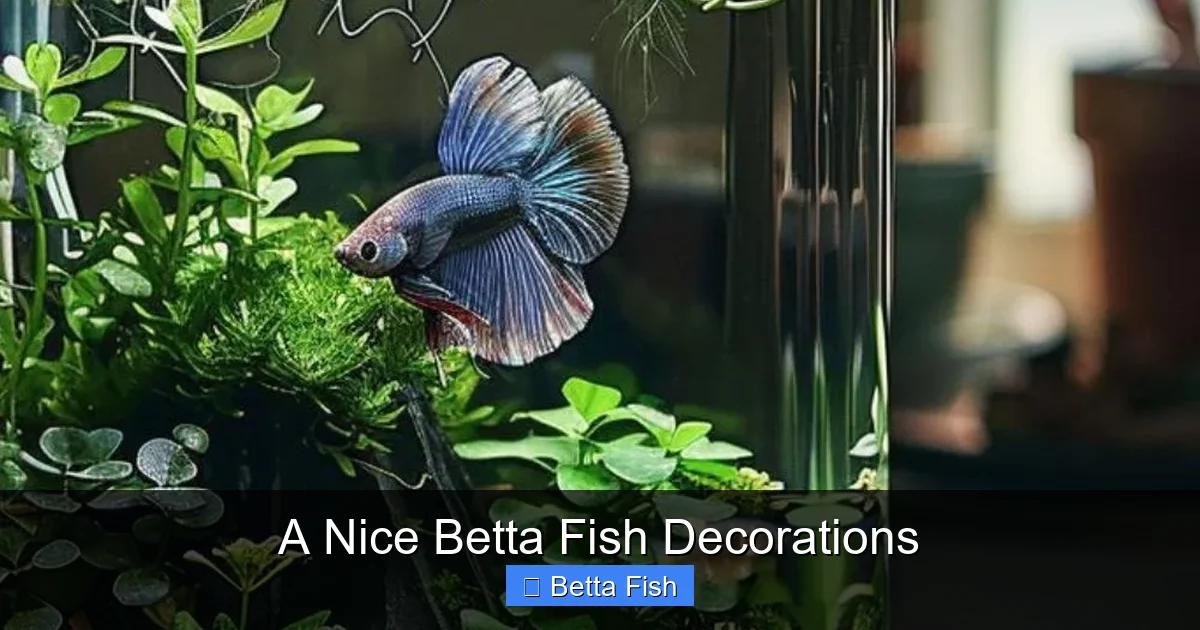
Visual guide about A Nice Betta Fish Decorations
Image source: i.pinimg.com
1. Live Plants
Live plants are the gold standard for nice betta fish decorations. They provide oxygen, absorb waste, and create a natural look. Choose hardy varieties such as:
- Java fern (Microsorum pteropus)
- Amazon sword (Echinodorus amazonicus)
- Marimo moss balls
Anchor them with rocks or suction cups to keep them from floating. If you’re new to plant care, start with Java fern—it tolerates low light and doesn’t need a substrate.
2. Silk or Plastic Plants
When live plants feel like too much work, silk or high‑quality plastic plants make great alternatives. Look for soft, flexible stems that won’t tear betta fins. Avoid cheap plastic that can become brittle and sharp over time.
3. Natural Driftwood and Roots
Driftwood adds a rustic vibe and offers plenty of nooks. Make sure any wood you buy is aquarium‑safe; many hobby stores sell pre‑treated pieces that won’t leach tannins excessively. Soak the wood for a few days, then boil or scrub before placing it in the tank.
4. Ceramic and Resin Caves
Caves give your betta a cozy den. Choose smooth‑finished ceramic or resin caves with wide entrances. Small “mushroom” ornaments work well too, as they provide a perch for bubble‑nest building.
5. Decorative Backgrounds and Backdrops
While not placed inside the water, a themed backdrop can enhance the overall look. Look for backgrounds that are easy to clean and won’t fog up.
How to Choose Safe Decorations
Safety is the top priority when selecting nice betta fish decorations. Follow these simple checks before you buy.
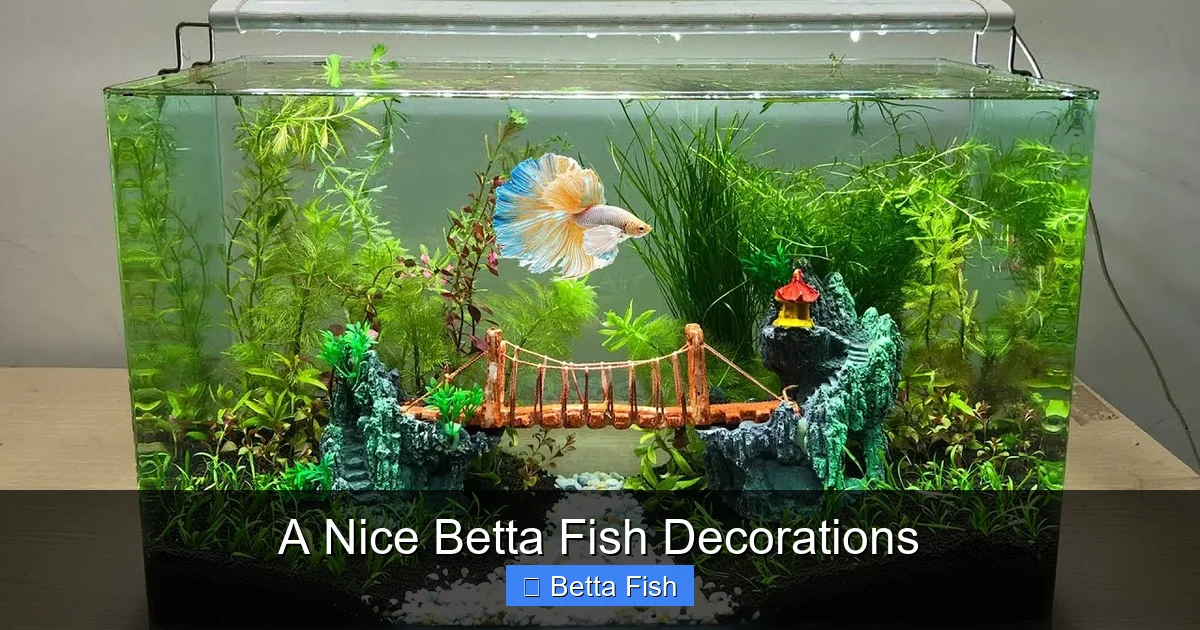
Visual guide about A Nice Betta Fish Decorations
Image source: i.ytimg.com
Check for Sharp Edges
Run your finger over the surface. If you feel any rough spots, sand them down or discard the item. Even tiny splinters can tear a betta’s delicate fins.
Material Matters
Prefer aquarium‑grade silicone, smooth ceramics, and food‑grade plastics. Avoid painted decorations that may leach toxic pigments.
Size and Scale
Betta tanks are usually 2.5 to 5 gallons. A good rule of thumb: decorations should occupy no more than 20% of the total volume. This leaves enough open water for swimming.
Cleaning Compatibility
Choose items that can be removed and scrubbed with a soft brush during water changes. Porous rocks can harbor algae, so opt for sealed surfaces.
Setting Up Your Tank with Nice Betta Fish Decorations
Now that you have a list of decoration types, let’s walk through a step‑by‑step setup.
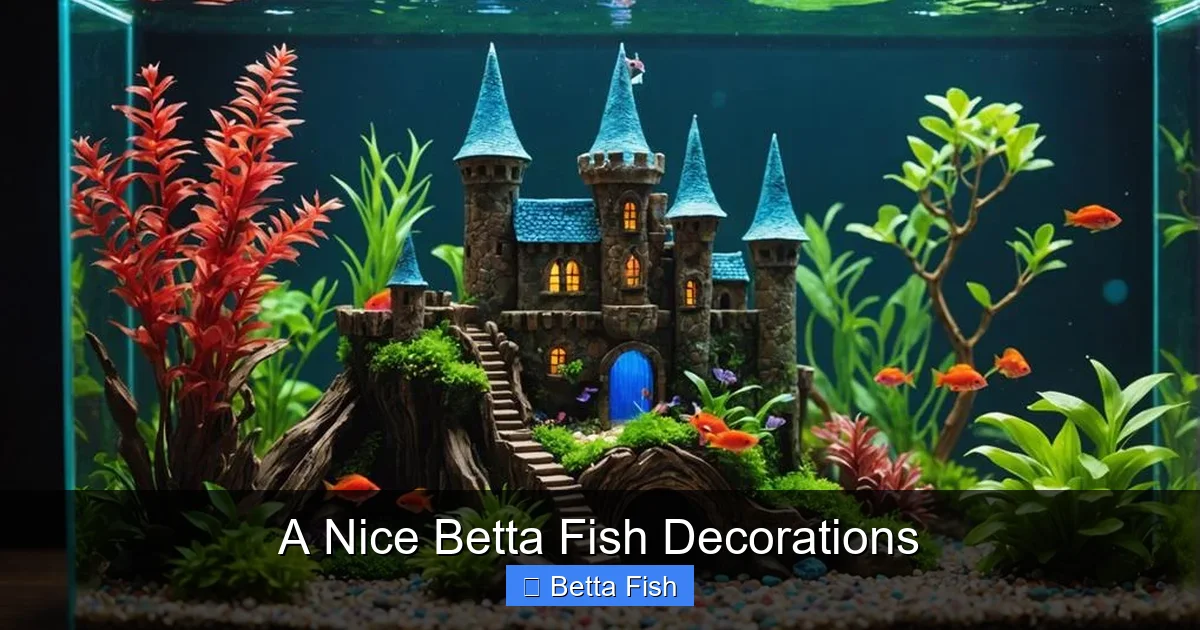
Visual guide about A Nice Betta Fish Decorations
Image source: fishkeepersguide.com
Step 1: Prepare the Substrate
A thin layer of sand or fine gravel works well. Rinse it thoroughly to remove dust. If you use live plants, a nutrient‑rich substrate helps them root.
Step 2: Arrange Hardscape First
Place driftwood, rocks, and caves in a pleasing layout. Keep larger pieces toward the back and smaller hides up front. This creates depth and visual interest.
Step 3: Add Plants
Insert live or silk plants around the hardscape. Position taller plants at the back and shorter ones near the front for a natural gradient.
Step 4: Fill with Conditioned Water
Use a water conditioner to remove chlorine and chloramines. Check the temperature—most bettas thrive at 78‑80°F. For more details on temperature, see What Temperature Should A Betta Fish Water Be.
Step 5: Cycle the Tank
Even a small betta tank needs a nitrogen cycle. Let the tank run for at least 2 weeks before adding your fish, testing for ammonia, nitrite, and nitrate levels.
Step 6: Introduce Your Betta
Acclimate your betta slowly using the drip method. Once settled, observe how it interacts with the decorations. Does it explore the caves? Does it build a bubble nest under a leaf? Adjust as needed.
Creative Ideas for Unique Betta Décor
Beyond the basics, you can add personality to your tank with a few imaginative touches.
DIY Decorations
- Clay caves: Shape non‑porous air‑dry clay into a tiny cave, bake, and sand smooth.
- Leafy hideouts: Use a clean, dried Indian almond leaf for a natural perch.
- Recycled bottle caps: Clean and paint the inside of a small cap, then attach a suction cup.
Themed Setups
Try a “rainforest” theme with dense silk foliage, moss, and a driftwood branch. Or go “minimalist” with a single smooth stone and a few live plants. The theme should match your home décor and your betta’s temperament.
Multi‑Purpose Decorations
Some ornaments double as homes for beneficial shrimp or snails. A small ceramic pot can host a Nerite snail, which helps clean algae while staying out of the betta’s way.
Maintaining a Beautiful Betta Habitat
Even the nicest decorations need care. Regular maintenance keeps the tank safe and sparkling.
Weekly Water Changes
Replace 25‑30% of the water each week. Gently vacuum the substrate to remove uneaten food and waste that can collect under decorations.
Cleaning Decorations
Remove each decoration during water changes and scrub with a soft brush. For live plants, trim yellow leaves and replace if they start to decay.
Monitoring Plant Health
If you notice algae overgrowth, reduce light to 6‑8 hours per day and consider adding a few floating plants that compete for nutrients.
Checking for Wear
Inspect ceramic caves and driftwood for cracks. Replace any piece that shows signs of deterioration to avoid sharp edges.
Common Mistakes to Avoid
Even enthusiastic hobbyists can slip up. Here are pitfalls to watch for.
- Over‑decorating: Too many objects limit swimming space and can trap waste.
- Using toxic materials: Painted plastics or untreated wood may release harmful chemicals.
- Ignoring water parameters: Decorations that leach tannins can lower pH unexpectedly.
- Skipping the cycle: Adding a betta before the nitrogen cycle is complete can cause fatal ammonia spikes.
Choosing the Right Size Tank for Your Decorations
The size of your tank dictates how many decorations you can safely use. A 5‑gallon tank offers enough room for a few plants, a piece of driftwood, and a cave, while still giving your betta room to swim.
For detailed guidance on tank sizing, see What Size Tank For A Betta Fish. Remember: larger tanks are more stable and forgiving, especially when you experiment with new decorations.
Final Thoughts: Making Your Betta’s World Shine
Choosing nice betta fish decorations is a blend of safety, aesthetics, and practicality. By selecting smooth, natural‑looking items, arranging them thoughtfully, and keeping up with regular maintenance, you’ll create a vibrant underwater stage where your betta can flaunt its colors and personality.
Take the time to observe how your fish interacts with each piece. Adjust the layout until you see confident swimming, relaxed hiding, and maybe even a bubble nest tucked under a leaf. With the right décor, your betta’s tank becomes more than a fish bowl—it turns into a living work of art.
Frequently Asked Questions
What kind of decorations are safest for betta fish?
Smooth, aquarium‑grade ceramics, sealed driftwood, and soft silk plants are the safest. Avoid anything with sharp edges or toxic paints.
Can I use live plants with a betta in a small tank?
Yes. Hardy plants like Java fern and Anubias work well in small setups because they need little light and substrate.
How often should I clean the decorations?
During each weekly water change, remove and gently scrub decorations to prevent algae and debris buildup.
Do decorations affect water temperature?
Large pieces of driftwood can slightly lower temperature, but the effect is minimal. Always monitor with a reliable thermometer.
Can I keep snails or shrimp with my betta?
Peaceful snails such as Nerite can coexist and help clean algae, but watch the betta’s temperament; some are aggressive.
Is it okay to mix plastic and live plants?
Mixing is fine as long as the plastic items are smooth and the live plants receive proper lighting and nutrients.