What Kinda Fish Can You Put with a Betta
Wondering what kinda fish can you put with a betta? Not all tank mates are created equal—some will thrive beside your vibrant fighter, while others may trigger aggression. This guide breaks down safe species, tank set‑up tips, and common pitfalls so you can build a happy, harmonious aquarium.
Key Takeaways
- Size matters: Choose small, non‑aggressive fish that won’t be seen as rivals.
- Temperament is key: Peaceful, mid‑water swimmers are the safest bet.
- Tank size matters: A 10‑gallon (or larger) community tank gives everyone room to breathe.
- Water parameters must match: Keep temperature, pH, and hardness consistent for all species.
- Introduce slowly: Use a quarantine or “shuttle” tank to let bettas acclimate to newcomers.
- Watch for signs of stress: Hiding, frayed fins, or constant flaring mean it’s time to re‑evaluate.
- Alternative companions: Snails and shrimp can often coexist safely and help with tank cleanup.
📑 Table of Contents
- Introduction: The Betta’s Social Reputation
- 1. Understanding Betta Behavior and Compatibility Basics
- 2. Top Fish Candidates – Safe Choices for a Community Betta Tank
- 3. Species to Avoid – Common Mistakes
- 4. Setting Up the Tank for Success
- 5. Monitoring and Maintaining Harmony
- 6. Alternatives to Fish – Snails, Shrimp, and More
- Conclusion: Crafting a Peaceful Betta Community
Introduction: The Betta’s Social Reputation
Betta fish, often called Siamese fighting fish, are famous for their flamboyant fins and feisty personality. Many new owners picture a solitary fish gliding in a tiny bowl, but the reality is more nuanced. Betta males can be territorial, especially toward fish that look or behave like rivals. Females, while slightly less aggressive, still need space and proper tank mates.
So, what kinda fish can you put with a betta without turning your aquarium into a battlefield? The answer depends on a few core factors: tank size, water conditions, and the temperament of both the betta and potential companions. In this article we’ll walk through the best choices, set‑up strategies, and troubleshooting tips to help you create a peaceful community tank.
1. Understanding Betta Behavior and Compatibility Basics
Territorial instincts
Male bettas guard their space fiercely, especially when they see bright colors, flowing fins, or fast movements. This instinct evolved from wild ancestors who defended shallow rice paddies. In a cramped environment, even a tiny fish can trigger a flare‑up.

Visual guide about What Kinda Fish Can You Put with a Betta
Image source: content.tupaki.com
Female vs. male dynamics
Female bettas are often less confrontational, but they can still become aggressive if overcrowded. A community tank with several females (a “sorority”) can work, yet it requires careful monitoring.
Key water parameters
Betta fish thrive at 76‑82°F (24‑28°C), pH 6.5‑7.5, and soft to moderately hard water. Any tank mate must share these ranges; otherwise stress and disease become inevitable.
2. Top Fish Candidates – Safe Choices for a Community Betta Tank
Neon Tetras
These tiny, shimmering fish swim in the mid‑water column and stay well below the betta’s surface level. Their peaceful nature and bright colors add visual interest without resembling a rival.

Visual guide about What Kinda Fish Can You Put with a Betta
Image source: thumb-nss.xhcdn.com
Corydoras Catfish
Bottom‑dwelling “couch potatoes” like Cory catfish are perfect because they keep to the substrate, leaving the betta’s vertical space untouched. They also help clean leftover food.
Harlequin Rasboras
Rasboras form schools of six or more, creating a moving “wall” that distracts the betta. Their calm demeanor and slightly larger size (about 2 inches) make them robust enough for most community setups.
Otocinclus (Otos) Algae Eaters
These tiny algae grazers are gentle and stay low in the tank. They’re also excellent for keeping glass clean, a win‑win for any betta owner.
Endler’s Livebearers
Similar to guppies but smaller and less flamboyant, Endler’s livebearers are fast enough to avoid confrontation and add a splash of color.
For a deeper dive into compatible species, see our article on what other fish can you put with a betta.
3. Species to Avoid – Common Mistakes
Other Betta Males
Two males in the same tank almost always ends in a fight. Even if you think you have a large tank, the visual line of sight will spark aggression.

Visual guide about What Kinda Fish Can You Put with a Betta
Image source: skinandxxx.com
Fin‑nipping fish
Species like tiger barbs or loaches may nip at a betta’s long fins, causing stress and infection.
Large, aggressive swimmers
Guppies, especially the males with bright tails, can be seen as rivals. The same goes for bright-colored gouramis.
Goldfish
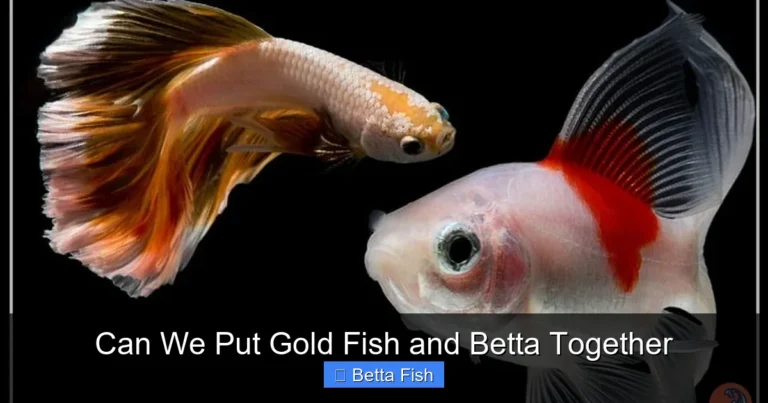
Goldfish produce a lot of waste and prefer cooler water, making them a poor match for bettas. Read more about why a goldfish can’t live with a betta fish.
4. Setting Up the Tank for Success
Choosing the right size
A minimum of 10 gallons is recommended for a community tank with a betta. This provides enough horizontal space to break line‑of‑sight and reduces territorial disputes.
Plants and décor
Live plants like Java fern, Anubias, and Vallisneria create natural barriers. Add driftwood and smooth rocks for hiding spots. The more visual breaks you create, the less likely the betta will see other fish as intruders.
Filtration and flow
Betas prefer calm water, so use a gentle sponge filter or a hang‑on‑back (HOB) filter with a flow reducer. Strong currents can stress the betta and make it harder for slower swimmers to keep up.
Acclimation process
Introduce new fish via a “shuttle” tank: a small container placed in the main tank for 30‑60 minutes. This lets the betta see the newcomers without direct contact, reducing surprise aggression.
5. Monitoring and Maintaining Harmony
Daily observations
Watch for flaring, chasing, or hiding. A healthy betta will display occasional flares when curious, but constant aggression signals a problem.
Health checks
Inspect fins for ragged edges, check for white spots (Ich), and ensure all fish are eating. Stress can suppress the immune system, leading to disease.
When things go wrong
If aggression persists, consider moving the betta to a separate tank or swapping out the problematic tank mate. Sometimes a simple rearrangement of décor can break up territories.
Need more ideas on what can live with your betta? Check out what fish can live with a male betta for additional options.
6. Alternatives to Fish – Snails, Shrimp, and More
Apple Snails
These peaceful grazers eat algae and leftover food. Their shells provide extra décor, and they’re generally ignored by bettas.
Cherry Shrimp
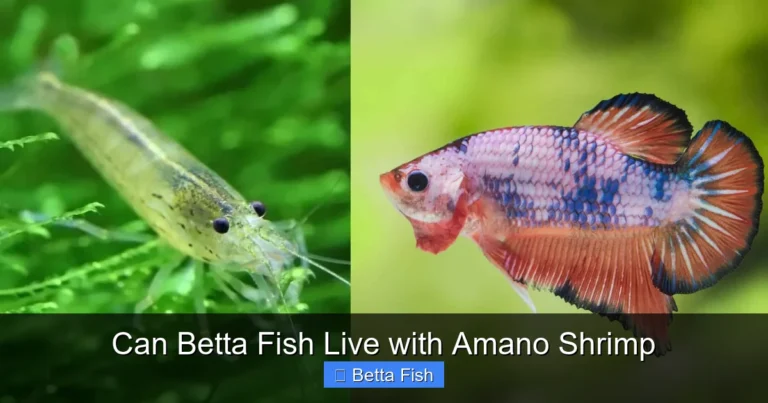
Small, colorful, and active, cherry shrimp can coexist with bettas if the latter isn’t overly aggressive. Provide plenty of hiding places like moss or dense plants.
Other invertebrates
While most snails are safe, be cautious with larger or more active species that might trigger curiosity. For a full guide, see can you have a snail with a betta fish.
Conclusion: Crafting a Peaceful Betta Community
Answering the question “what kinda fish can you put with a betta” isn’t a one‑size‑fits‑all formula. It hinges on tank size, water conditions, and the individual personality of your betta. By selecting small, peaceful, mid‑ to bottom‑dwelling species, providing ample hiding spots, and monitoring behavior closely, you can enjoy a vibrant, dynamic aquarium that showcases the betta’s beauty without constant drama.
Remember, patience is key. Start with a few compatible tank mates, watch the dynamics, and adjust as needed. With the right choices, your betta can share its home happily, turning a simple fish tank into a thriving aquatic community.
Frequently Asked Questions
Can I keep a male betta with a female betta?
Generally no. Even females can become territorial, and the risk of accidental breeding and aggression is high. Separate tanks are safer.
Are neon tetras safe for a betta?
Yes, neon tetras are small, fast, and swim in the middle of the tank, making them good companions for most bettas.
What size tank do I need for a betta and community fish?
A minimum of 10 gallons is recommended. Larger tanks give each fish more space and reduce territorial disputes.
Can I add live plants to a betta tank?
Absolutely. Live plants provide hiding spots and improve water quality, helping to keep the betta calm.
Do snails cause any problems for bettas?
Most snails, like apple or mystery snails, are ignored by bettas and can help clean algae. Just ensure the tank isn’t over‑stocked.
How do I know if my betta is stressed?
Signs include constant flaring, hiding, loss of color, ragged fins, or refusal to eat. Reduce stressors and check water parameters immediately.