What Causes Betta Fish to Bloat
Betta fish bloat is a common and sometimes serious health issue caused by overfeeding, poor water quality, bacterial infections, constipation, and parasites. Recognizing the early signs of a swollen belly can help you act fast and save your fish. This guide covers every major cause and gives you practical steps to prevent and address betta fish bloat effectively.
Watching your betta fish swim around with a swollen belly can be really worrying. Betta fish bloat is one of the most common health problems fish owners face. It can strike suddenly and make your fish look completely different overnight. The good news is that most causes of bloat are preventable if you know what to look for.
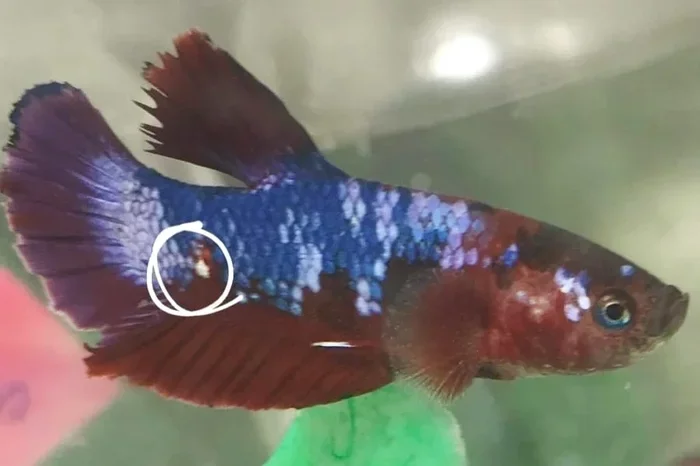
When a betta fish bloats, its belly fills with gas or fluid, making it look puffy and round. Sometimes the scales even stick out like a pinecone. This condition can range from mild to life threatening. Understanding what triggers bloat is the first step toward keeping your fish healthy and happy.
In this article, we will explore every major cause of betta fish bloat. We will also cover how to spot the early signs, what you can do to prevent it, and when it is time to call a vet. Whether you are a new fish keeper or a seasoned hobbyist, this guide has everything you need to know about betta fish bloat and how to keep your fish thriving.
Key Takeaways
- Overfeeding is the #1 cause: Betta fish have tiny stomachs, and too much food leads to constipation and bloat.
- Poor water quality triggers health issues: Ammonia and nitrite buildup weakens the immune system and causes digestive problems.
- Bacterial infections and parasites are hidden threats: These can cause fluid buildup and a swollen belly that worsens quickly.
- Early detection saves lives: Watch for symptoms like a pinecone scales pattern, floating upside down, and loss of appetite.
- Prevention is simple: Proper feeding, clean water, and a good tank setup go a long way in keeping your betta healthy.
- Know when to see a vet: If bloat persists beyond two days, professional diagnosis and treatment may be necessary.
📑 Table of Contents
What Is Betta Fish Bloat?
Betta fish bloat is a condition where the belly of your fish becomes swollen and enlarged. It happens when the digestive system or internal organs get disrupted in some way. The belly may feel firm or soft depending on the cause. Some fish float uncontrollably. Others sink and struggle to rise.
The swim bladder plays a big role in this condition. The swim bladder is a small gas filled organ that helps your betta control its balance and depth in the water. When the stomach or intestines swell, they press against the swim bladder. This throws off your fish’s buoyancy and causes it to float oddly or sink to the bottom.
The swim bladder disease is closely related to bloat. In fact, the two conditions often overlap. A fish with bloat may also show signs of swim bladder problems. This makes it even more important to catch the issue early. The faster you respond, the better the chances of a full recovery.
Bloat is not a disease on its own. It is a symptom of an underlying problem. That means something else is causing the swelling. This could be anything from eating too much to a serious infection. Figuring out the root cause is the key to treating betta fish bloat effectively.
Common Causes of Betta Fish Bloat
There are several reasons why a betta fish might develop bloat. Each cause has its own triggers and warning signs. Let us break down the most common ones so you can better understand what might be affecting your fish.
Overfeeding Your Betta
Overfeeding is the number one cause of bloat in betta fish. These little fish have tiny stomachs, about the size of their eye. Many new fish owners do not realize this and end up feeding too much. When a betta eats more than it can digest, the food sits in the gut and starts to rot.
This leads to constipation and a swollen abdomen. The undigested food releases toxins that harm the fish from the inside. Over time, this can cause serious health problems. A feeding schedule that is too frequent or too heavy is the fastest way to trigger bloat.
To avoid overfeeding, give your betta small portions twice a day. A good rule is to feed only what your fish can eat in two minutes. If you are unsure about the right betta fish diet, check out our guide on what to feed betta fish for helpful tips on portion sizes and food types.
Dry foods like flakes and pellets are especially problematic. They expand when they touch water. This means they swell up inside your fish’s stomach if it eats them too quickly. Soaking the food for a few minutes before feeding can help prevent this issue.
Poor Water Quality
Dirty water is another major culprit behind betta fish bloat. When ammonia and nitrite levels rise in the tank, your fish gets stressed. A stressed betta is more likely to develop digestive issues and infections. Poor water quality weakens the immune system over time.
This makes your fish vulnerable to bacteria and parasites that cause bloat. Even small amounts of toxins in the water can do serious damage. Fish in dirty tanks often show signs of betta fish illness before the problem becomes obvious. Cloudy water, a strong odor, or green algae blooms are all warning signs.
Regular water changes are essential for good fish tank maintenance. You should change about 25 to 30 percent of the water every week. Testing the water parameters with a kit helps you catch problems early. If you are wondering how often water changes are really needed, our article on do betta fish have to have water changes explains everything you need to know.
A proper betta tank setup also plays a role. Tanks that are too small or lack filtration allow toxins to build up fast. A minimum five gallon tank with a gentle filter is the best setup for a single betta. This gives your fish room to swim and keeps the water cleaner for longer.
Bacterial and Viral Infections
Bacterial infections can attack the internal organs of your betta fish. When harmful bacteria invade the digestive tract, the gut becomes inflamed. This inflammation leads to fluid buildup and a swollen belly. Bacterial infections often come from dirty tanks or contaminated food.
Some bacterial infections enter through open wounds or stressed fish. When a betta’s immune system is already weak, it cannot fight off these invaders easily. The result can be rapid swelling and a serious decline in betta fish health. If left untreated, bacterial bloat can be fatal within days.
Signs of a bacterial infection include clamped fins, loss of appetite, and a pale body color. The belly may feel soft and fluid filled. You might also notice redness or inflammation near the vent area. If you see these symptoms along with bloating, act quickly. Early treatment with the right medication can save your fish’s life.
Viral infections are less common but still possible. They are harder to treat because there are few antiviral medications available for fish. The best defense against any infection is a clean tank and a healthy, stress free environment.
Constipation and Digestive Blockages
Constipation is a very common reason for betta fish bloat. When your fish cannot pass waste properly, the buildup puts pressure on the swim bladder. The belly swells and the fish becomes lethargic. A constipated betta may also stop eating and hide at the bottom of the tank.
Dry foods like flakes and pellets can expand inside the stomach. This causes blockages that are hard for a betta to pass. The constipation in betta fish happens more often than most owners realize. It is especially common in fish that eat only dry pellets without any variety.
If your betta is not eating, it could be a sign of constipation or another issue. Learn more about what to do when your betta fish won’t eat to help your fish feel better. Fasting your fish for one to two days can often relieve constipation. During this time, the digestive system gets a chance to clear out any blockages.
Offering live or frozen foods like bloodworms and brine shrimp can also help. These foods are easier to digest than dry pellets. A varied betta fish diet keeps the digestive system working smoothly and reduces the risk of blockages.
Intestinal Parasites
Parasites are tiny organisms that live inside your fish’s body. They feed on nutrients and damage the intestinal lining. This can lead to bloating, weight loss, and a general decline in health. Intestinal parasites are one of the sneakiest causes of bloat because they are hard to detect early.
Parasites often enter the tank through new fish or contaminated plants. They can also come from live food that was not properly quarantined. Once inside, they multiply quickly and cause significant damage to the digestive system. A fish with parasites may look thin but still have a swollen belly.
If your betta has a bloated belly but is still eating, parasites could be the cause. Look out for thin feces or a lack of energy. These are warning signs that should not be ignored. A vet can prescribe anti parasite medication that targets the specific organism causing the problem.
Regular observation of your fish’s betta fish behavior helps you catch parasites early. If your fish suddenly becomes less active or starts hiding more, something may be wrong. Catching these changes quickly gives you a better chance of successful treatment.
How to Identify Bloat in Your Betta Fish
Spotting bloat early gives your fish the best chance of recovery. The symptoms can vary depending on the cause, but there are some clear signs to watch for. Here are the most common betta fish symptoms of bloat:
- A swollen or round belly that does not go down
- Scales that stick out like a pinecone
- Difficulty swimming or floating sideways
- Loss of appetite or refusal to eat
- Lethargy and hiding in corners
- Clamped fins close to the body
Not all of these symptoms mean bloat. Some of them can also point to other health issues. However, if you notice several of these signs together, bloat is likely the cause. Trust your instincts as a fish owner. You know your fish better than anyone.
The pinecone appearance is a serious sign. It means fluid is building up under the scales. This condition, also known as dropsy in betta fish, requires immediate attention. By the time scales start sticking out, the internal damage is already significant. Do not wait if you notice this symptom.
A fish that floats upside down or struggles to maintain balance may be dealing with bloat combined with swim bladder issues. A swollen belly fish that suddenly changes its swimming pattern needs your attention right away. The faster you identify the problem, the faster you can take action.
Prevention Tips for a Healthy Betta
Preventing betta fish bloat is much easier than treating it. A few simple habits can keep your fish healthy and bloat free. Here is what you can do every day to protect your betta:
- Feed small amounts twice a day. Do not overfeed. Remove any uneaten food after a few minutes.
- Keep the water clean. Perform regular water changes and test the parameters often.
- Soak dry food before feeding. This helps the food expand outside the fish’s stomach instead of inside.
- Quarantine new fish. Always isolate new additions for at least two weeks before adding them to your main tank.
- Provide a balanced diet. Include live or frozen foods like bloodworms and brine shrimp along with pellets.
- Maintain a proper tank setup. Make sure the tank is at least five gallons and has a gentle filter.
Following these steps dramatically reduces the risk of bloat. Your betta will live a longer and happier life. Good betta fish care is all about consistency. Small daily efforts add up to big health benefits over time.
Also, pay attention to your fish’s betta fish treatment needs before problems arise. A stress free environment with stable water parameters is the best medicine. Avoid sudden temperature changes and keep the tank away from direct sunlight. These simple steps create a thriving home for your betta.
When to See a Vet
Some cases of bloat resolve on their own with simple changes. Fasting your fish for a day or two and raising the water temperature slightly can help mild cases. But others need professional help. If your betta’s belly does not go down after two days of fasting and warm water, it is time to consult a vet.
A veterinarian who specializes in fish can diagnose the exact cause. They may prescribe antibiotics, anti parasites, or other medications. The sooner you seek help, the better the chances of recovery. Waiting too long can make the condition much worse.
Do not wait until your fish stops moving entirely. By that point, the condition may be too far gone. Trust your instincts as a fish owner. If something looks wrong, it probably is. Early intervention is always better than reactive treatment when dealing with betta fish bloat.
Keep a close eye on your fish during the recovery period. Monitor its eating habits, swimming behavior, and belly size. If you notice any worsening symptoms, contact your vet again right away. Your attentiveness can make all the difference in your fish’s recovery.
Conclusion
Betta fish bloat is a serious but manageable condition. The main causes include overfeeding, poor water quality, bacterial infections, constipation, and parasites. By staying proactive with your fish care routine, you can prevent most of these issues before they start. A clean tank, proper feeding, and a balanced diet go a long way toward keeping your betta healthy.
If your betta does develop bloat, do not panic. Start with simple steps like fasting and warm water. Monitor your fish closely and look for improvement. For more information on treating bloat, check out our guide on how to treat bloat in betta fish. A healthy betta is a happy betta. With the right knowledge and a little effort, you can keep your fish bloat free for years to come.
Frequently Asked Questions
Can overfeeding really cause betta fish bloat?
Yes, overfeeding is the most common cause of bloat in betta fish. Their stomachs are very small, about the size of their eye. When they eat too much, the food expands in their gut and causes constipation, leading to a swollen belly. Feeding small amounts twice a day is the best way to prevent this.
How can I tell if my betta fish has bloat or dropsy?
Bloat usually causes a swollen belly, while dropsy makes the scales stick out like a pinecone. Dropsy is a more serious condition that involves fluid buildup under the scales. Both conditions require attention, but dropsy is harder to treat and needs immediate action.
What should I feed a betta fish that is bloated?
For a bloated betta, stop feeding for one to two days to let the digestive system rest. After fasting, offer easily digestible foods like soaked pellets or live brine shrimp. Avoid dry flakes or pellets during recovery. You can also find more feeding tips in our article on what to feed betta fish.
Can poor water quality cause bloat in betta fish?
Absolutely. Dirty water with high ammonia or nitrite levels stresses your betta and weakens its immune system. This makes it much more susceptible to bacterial infections and digestive problems that lead to bloat. Regular water changes and proper filtration are essential for preventing this.
Is betta fish bloat contagious to other fish?
Bloat itself is not contagious, but the underlying causes like bacterial infections or parasites can spread to other fish in the tank. If you suspect an infection, it is best to quarantine the affected fish and treat the tank accordingly to protect your other fish.
How long does it take for betta fish bloat to go away?
Mild cases of bloat caused by overfeeding or constipation can improve within one to two days of fasting and warm water. Bacterial infections or parasites may take longer and require medication. If there is no improvement after two days, consult a vet for proper diagnosis and treatment.