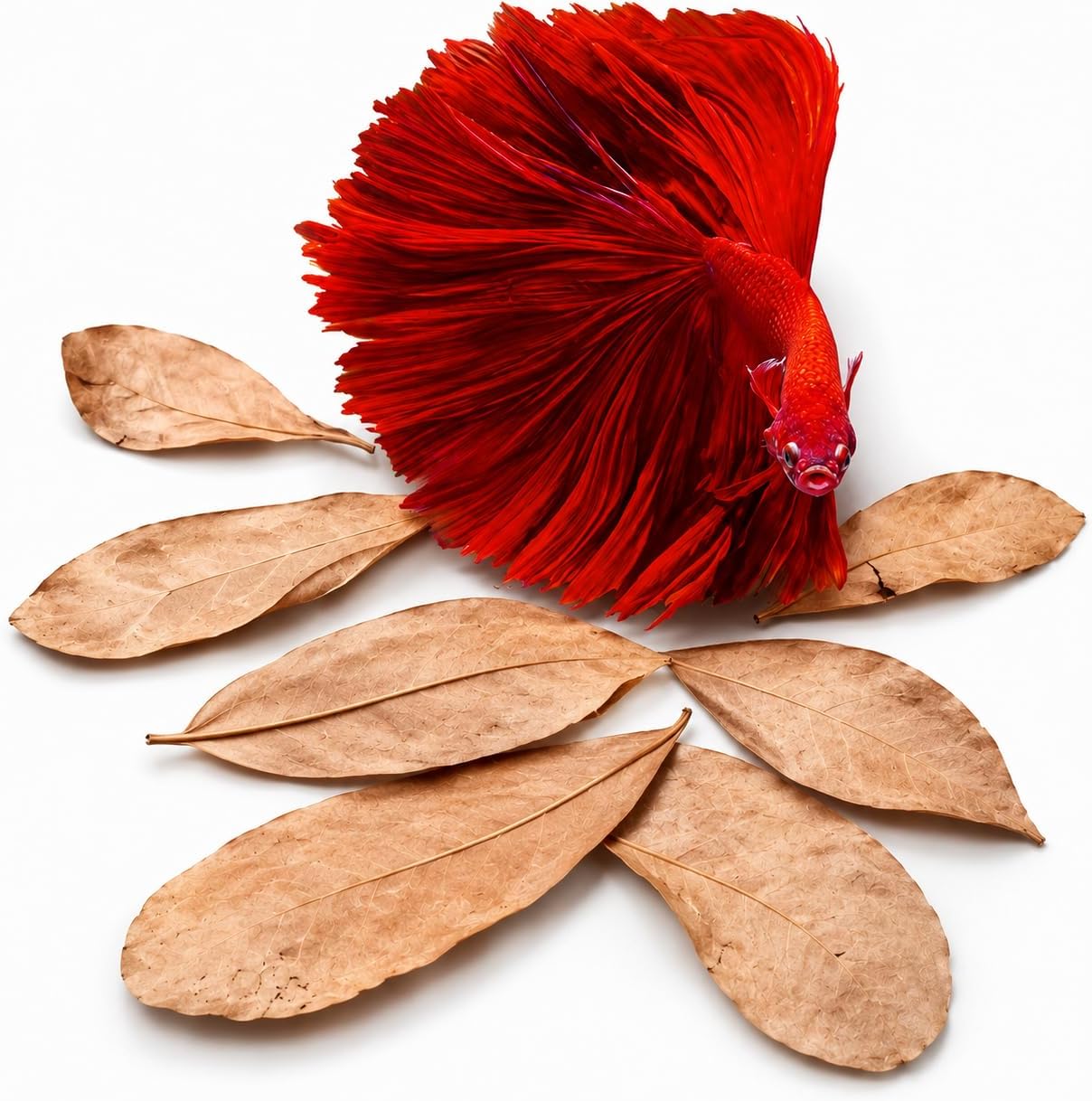
A betta fish flaring is a natural display of excitement, stress, or territorial behavior. Understanding the reasons behind the flare helps you create a safer, happier environment for your vibrant companion.
Key Takeaways
- Understanding a betta fish flaring: Provides essential knowledge
📑 Table of Contents
- Introduction: The Spectacle of a Betta Fish Flaring
- What Exactly Is a Betta Fish Flaring?
- Key Triggers That Lead to Flaring
- Reading the Body Language: Is It a Threat or a Hello?
- How to Calm a Flaring Betta
- When Flaring Signals a Health Problem
- Creating the Ideal Environment to Minimize Unnecessary Flares
- Conclusion: Embrace the Flare, But Keep It in Check
Introduction: The Spectacle of a Betta Fish Flaring
If you’ve ever watched a betta fish flare, you know it’s hard to look away. The bright, flowing fins and the sudden puffing of the gill covers turn a tiny aquarium into a miniature stage. For many new owners, the first flare is both awe‑inspiring and a little scary. Is the fish angry? Is it sick? Or is it just being a betta?
In this guide we’ll break down everything you need to know about betta fish flaring. We’ll explore the science behind the display, the everyday triggers you can control, and the steps you can take to keep your betta calm and thriving. By the end, you’ll be able to read your fish’s body language like a seasoned aquarist and create a home where flares are rare and always meaningful.
What Exactly Is a Betta Fish Flaring?
Definition and Visual Cues
A betta fish flaring is a rapid expansion of the opercular (gill) covers and the dorsal, anal, and caudal fins. The fish often turns sideways, faces the perceived “threat,” and may even display a bubble nest or vibrate its body.

Visual guide about A Betta Fish Flaring
Image source: house-wave.co.jp
Why It Happens: The Three Core Reasons
- Territorial defense: Betta fish are naturally aggressive toward rivals. A male will flare to warn another male or to protect his space.
- Courtship: During breeding season, a male flares to attract a female and demonstrate his fitness.
- Stress or fear: Sudden changes in water temperature, poor water quality, or a new tank mate can cause a defensive flare.
Key Triggers That Lead to Flaring
Water Quality and Temperature
Betta fish are sensitive to ammonia, nitrite, and sudden temperature shifts. If the water temperature drops below 75°F (24°C) or spikes above 82°F (28°C), the fish may flare as a warning signal. Maintaining stable conditions is essential. For detailed temperature guidelines, see our article on what temperature should a betta fish water be.
Tank Size and Layout
Even though many people keep bettas in small bowls, a cramped space can increase aggression. A minimum of 5 gallons with plenty of plants and hiding spots gives your betta room to establish a territory without feeling threatened. Learn more about tank sizing in what size tank for a betta fish.
Tank Mates and Compatibility
Introducing another fish—especially a male betta—can trigger immediate flaring. If you want companions, choose peaceful species that won’t be seen as rivals, such as certain snails or shrimp. Our guide on what fish is compatible with a betta fish offers safe pairing ideas.
Lighting and Reflections
Bright lights or reflections from windows can be mistaken for other fish, prompting a flare. Dim the lights slightly or use a background that reduces reflections.
Reading the Body Language: Is It a Threat or a Hello?
Duration and Frequency
A short flare lasting a few seconds, followed by normal swimming, is usually a normal territorial display. Repeated, prolonged flaring (over a minute) often signals ongoing stress.

Visual guide about A Betta Fish Flaring
Image source: 1.bp.blogspot.com
Fin Position and Color Intensity
When a betta flares, the fins become fully extended and may appear brighter. If the colors look dull or the fins are ragged, it could be a sign of illness.
Gill Movement
Rapid gill movement during a flare indicates the fish is taking in more oxygen—often a sign of excitement or agitation. Slow, labored gill movement suggests respiratory distress.
How to Calm a Flaring Betta
Immediate Steps
- Check water parameters: Test for ammonia, nitrite, and pH. Perform a partial water change if needed.
- Adjust temperature: Bring the water to the optimal range (78°F‑80°F or 25‑27°C).
- Reduce visual stimuli: Cover one side of the tank with a dark background or move the tank away from direct sunlight.
Long‑Term Strategies
- Upgrade the tank: Move from a bowl to a 5‑gallon tank with live plants.
- Provide hiding spots: Use driftwood, caves, or silk plants to give your betta places to retreat.
- Establish a feeding routine: Consistent feeding reduces anxiety. Feed high‑quality betta pellets twice daily.
When Flaring Signals a Health Problem
Signs of Illness to Watch For
If flaring is accompanied by loss of appetite, clamped fins, white spots, or unusual swimming patterns, your betta may be battling an infection or parasite. In such cases, consult a vet experienced with fish.
Common Diseases Linked to Excessive Flaring
- Fin rot: Bacterial infection causing frayed fins; the fish may flare to relieve irritation.
- Ich (white spot disease): The fish often flares to increase water flow over its body.
- Swim bladder disorder: Causes difficulty staying upright, prompting frantic flares.
Creating the Ideal Environment to Minimize Unnecessary Flares
Setting Up the Perfect Betta Tank
A well‑filtered, heated, and lightly planted tank is the foundation. Use a gentle sponge filter to avoid strong currents that can stress a betta.
Choosing the Right Decorations
Live plants like Java fern or Anubias not only look great but also improve water quality. If live plants aren’t an option, silk plants are safe alternatives.
Consistent Maintenance Routine
Weekly 25% water changes, monthly substrate vacuuming, and regular filter cleaning keep parameters stable, reducing flare triggers.
Conclusion: Embrace the Flare, But Keep It in Check
Betta fish flaring is a beautiful, instinctual behavior that tells you a lot about your fish’s mood and environment. By understanding the why behind the flare—whether it’s a territorial warning, a courtship dance, or a stress response—you can make informed adjustments to water quality, tank setup, and daily care. The goal isn’t to stop all flares; it’s to ensure they happen for the right reasons and not because your betta is uncomfortable or ill. With the right knowledge and a well‑maintained tank, you’ll enjoy a vibrant, confident betta who flares only when the moment calls for it.
Frequently Asked Questions
Why does my betta fish flare when I walk by?
Betta fish may interpret sudden movements or shadows as a threat. The flare is a defensive response to protect its territory.
Can a betta fish flare because of the water temperature?
Yes. Temperatures that are too low or too high cause stress, prompting the fish to flare. Keep the water in the 78‑80°F (25‑27°C) range.
Is flaring a sign that my betta is ready to breed?
During breeding season, male bettas flare to attract females and show off their fins. If you see a bubble nest forming, breeding is likely.
How long should a normal flare last?
A typical territorial flare lasts only a few seconds to a minute. If it continues longer, check water conditions and look for signs of illness.
Should I separate my betta if it flares at other fish?
Yes. If the flare is aggressive toward tank mates, consider moving the betta to a solo tank or choosing more compatible companions.
What can I do if my betta flares constantly?
Test water quality, adjust temperature, add hiding spots, and reduce visual stressors. Persistent flaring may require a vet check.