Can a Betta Fish Kill Itself
Betta fish don’t intentionally “kill themselves,” but stress, poor water, and improper care can lead to fatal outcomes. Understanding the signs of distress and providing a clean, stable environment will help your betta thrive and avoid accidental death.
Key Takeaways
- Stress is the biggest killer: Over‑crowding, wrong tank mates, and sudden changes can push a betta over the edge.
- Water quality matters: Ammonia, nitrite, and improper pH are silent threats that can quickly kill a healthy fish.
- Over‑feeding is dangerous: Too much food leads to constipation, swim‑bladder issues, and water fouling.
- Temperature stability is critical: Betta’s ideal range is 76‑82°F; rapid swings cause shock and disease.
- Observe behavior daily: Lethargy, loss of color, or frantic fin‑fluttering signal a problem that needs immediate action.
- Proper tank setup prevents accidents: A covered, filtered tank with gentle flow reduces the risk of jumping or injury.
- Seek help early: A quick visit to a knowledgeable retailer or vet can save a struggling betta.
📑 Table of Contents
- Introduction: Why the Question Matters
- 1. The Myth of “Suicidal” Fish
- 2. Stress: The Silent Killer
- 3. Water Quality – The Foundation of Health
- 4. Feeding Mistakes That Can Be Fatal
- 5. Temperature and Habitat – Getting the Basics Right
- 6. Recognizing and Responding to Warning Signs
- Conclusion: You Hold the Power
Introduction: Why the Question Matters
When you bring a bright, flowing‑fin betta home, you expect it to sparkle for years. Yet many owners wonder, “Can a betta fish kill itself?” The short answer is that bettas don’t plot suicide, but the combination of stress, poor water, and neglect can lead to a self‑inflicted‑looking death. Understanding the difference between accidental death and intentional self‑harm is the first step toward keeping your fish safe.
In this guide we’ll explore the most common ways a betta can die from its own environment, how to spot early warning signs, and practical steps you can take today. By the end, you’ll feel confident that your betta’s life is in your hands—not the other way around.
1. The Myth of “Suicidal” Fish
What “self‑kill” Really Means
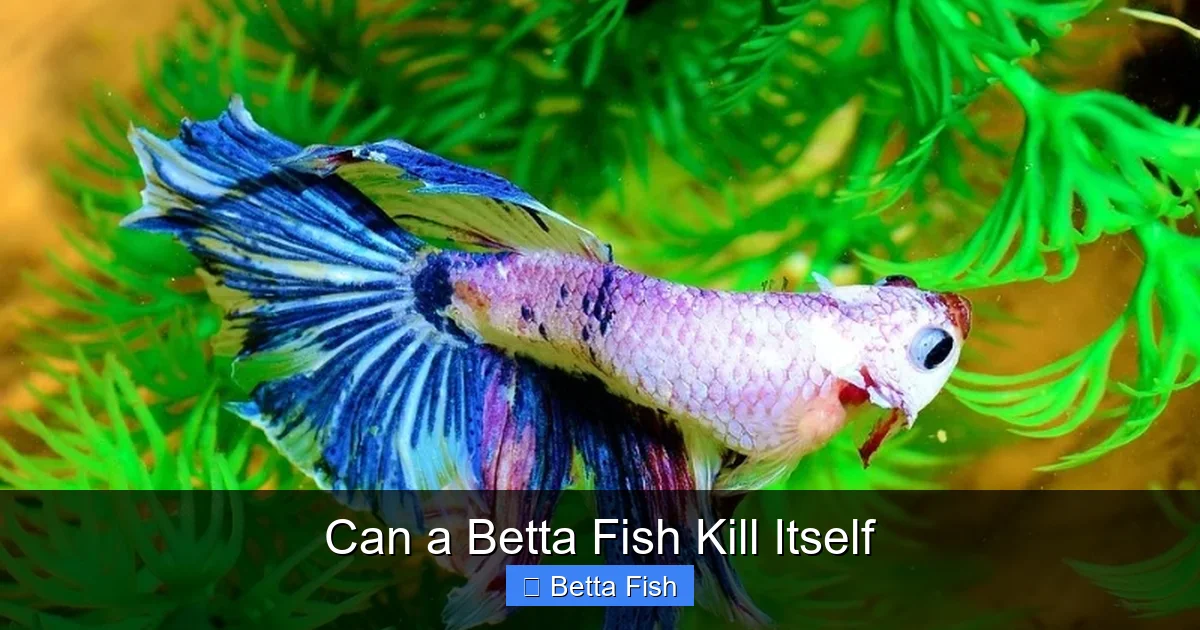
Animals don’t have the same concept of intent that humans do. When a betta appears to “kill itself,” it is usually reacting to a harmful condition it cannot escape. Common scenarios include jumping out of a tank, swimming into a glass, or suffocating because of low oxygen.
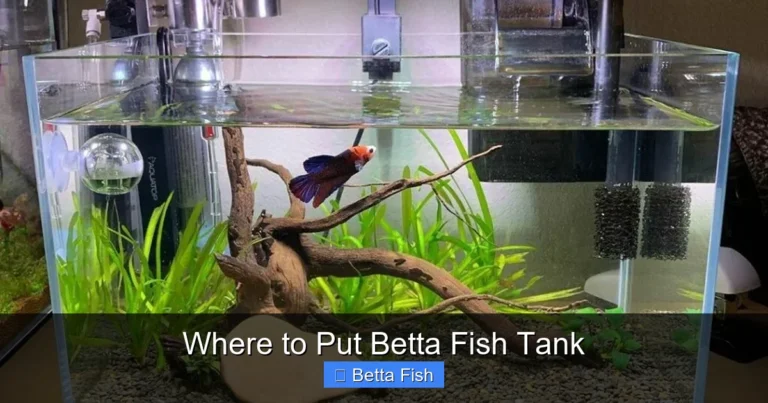
Visual guide about Can a Betta Fish Kill Itself
Image source: infishtank.com
Common Misconceptions
- “My betta jumped out because it wanted to be free.” – In reality, the fish was likely startled by a sudden change in temperature or a loud noise.
- “Betta’s bright colors mean it’s happy.” – Dull or faded colors often signal stress, disease, or poor water quality.
2. Stress: The Silent Killer
Sources of Stress
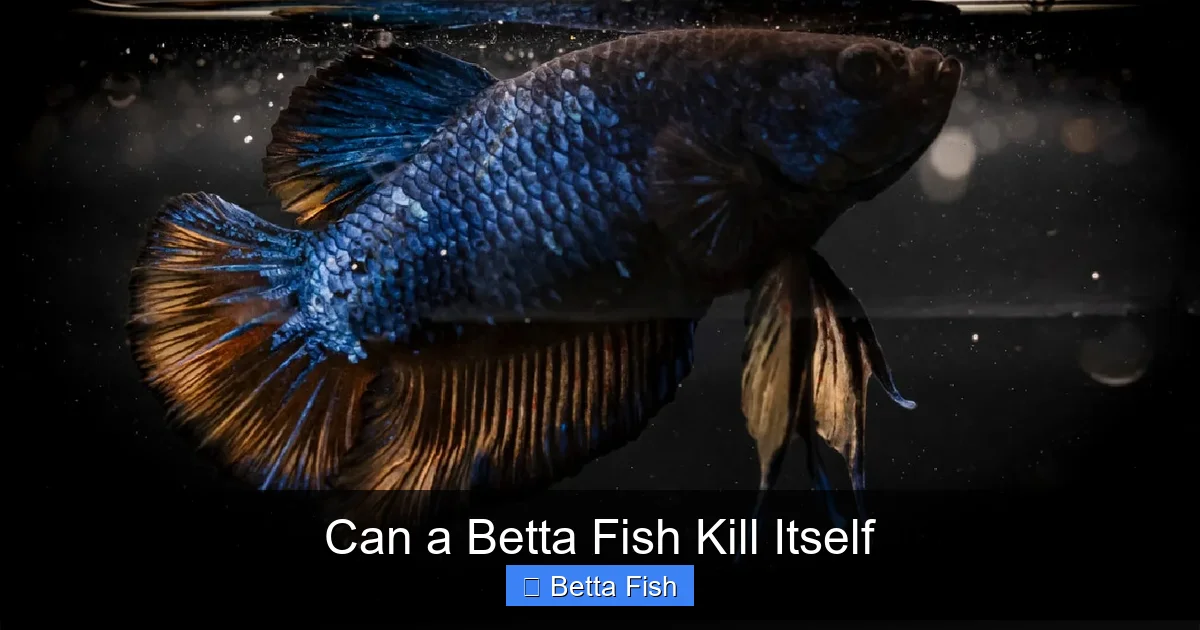
Betta fish are territorial and sensitive. Stress can come from:
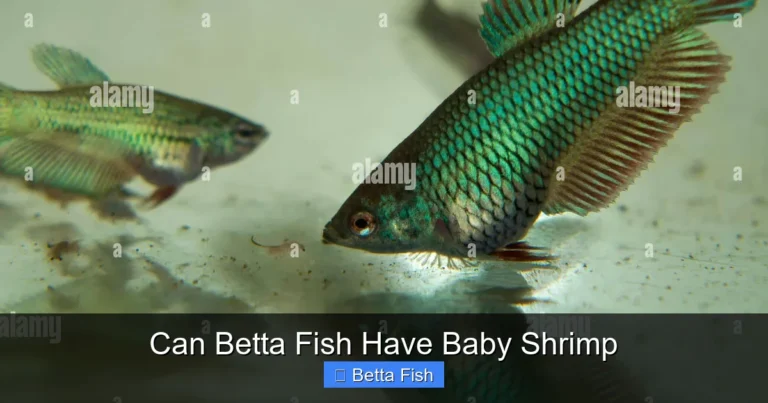
Visual guide about Can a Betta Fish Kill Itself
Image source: buildyouraquarium.com
- Incompatible tank mates (e.g., aggressive fin‑nippers).
- Constant bright lighting without a proper day/night cycle.
- Frequent moves or changes in décor.
- Noise and vibrations near the tank.
How Stress Leads to Death
When stressed, a betta’s immune system weakens, making it vulnerable to ich, velvet, and fungal infections. Chronic stress also raises cortisol, which can cause loss of appetite and organ failure.
Practical Tips to Reduce Stress
- Use a lid or cover to prevent jumps – see our article on Can You Cover A Betta Fish Tank for the best options.
- Provide plenty of hiding spots with live plants or silk decorations.
- Maintain a consistent 12‑hour light cycle with a dimming timer.
3. Water Quality – The Foundation of Health
Key Parameters to Monitor
Betta fish thrive in clean water with the following ranges:
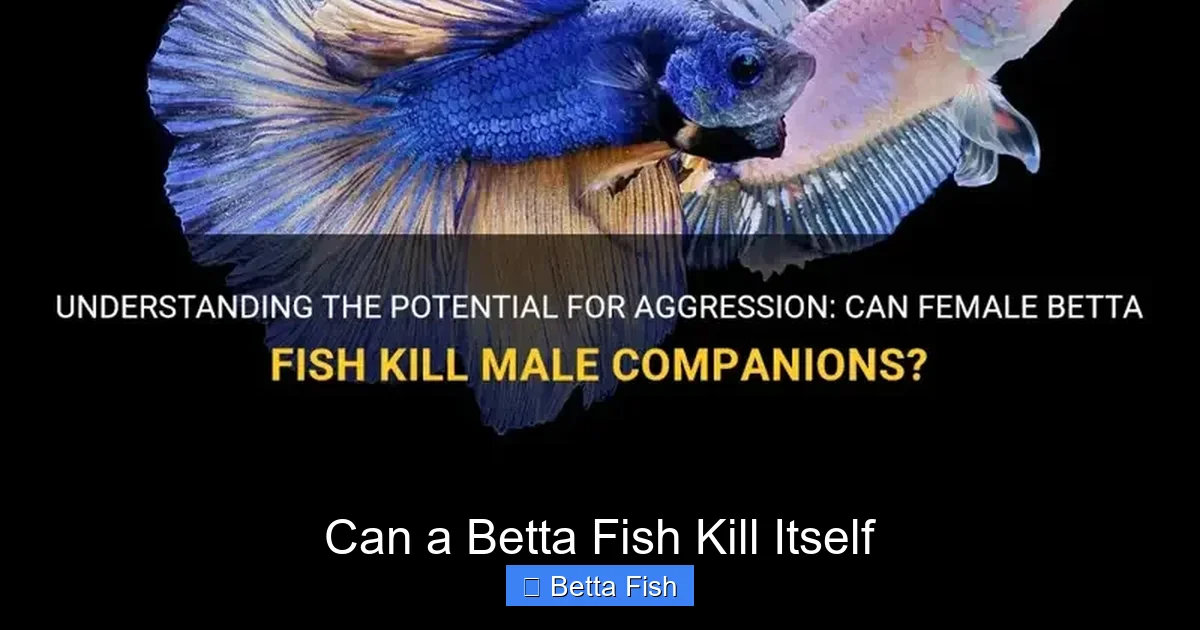
Visual guide about Can a Betta Fish Kill Itself
Image source: wildbettablog.com
- Temperature: 76‑82°F (24‑28°C)
- pH: 6.5‑7.5
- Ammonia: 0 ppm
- Nitrite: 0 ppm
- Nitrate: < 20 ppm (ideal)
Why Bad Water Can Feel Like “Self‑Harm”
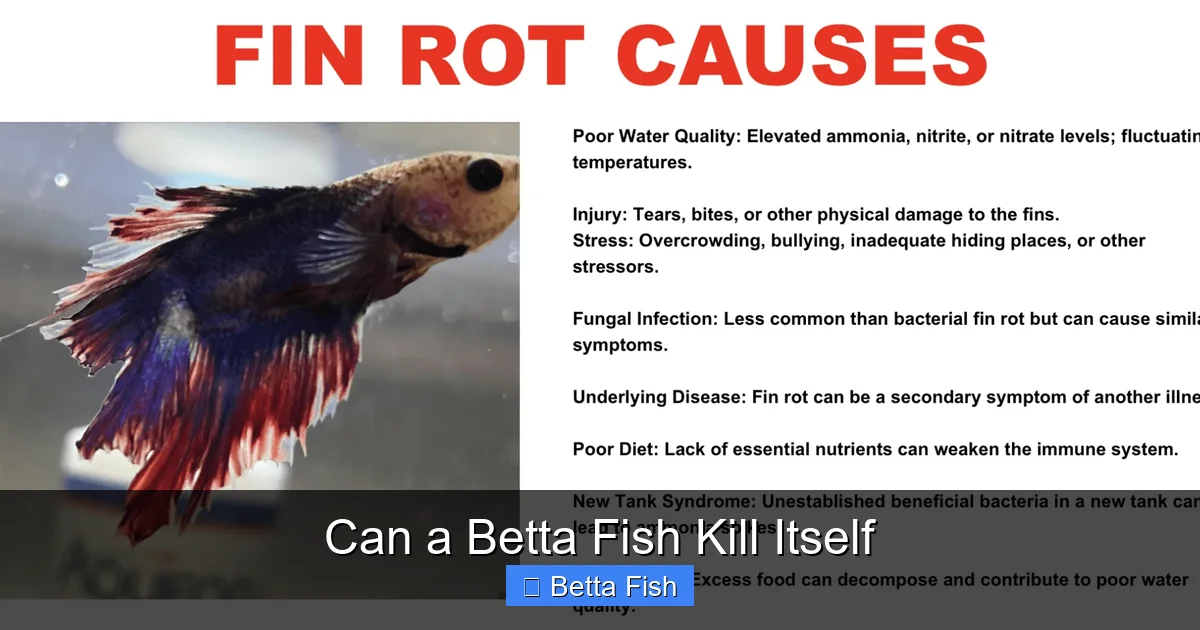
High ammonia irritates gills, causing the fish to gasp at the surface. Low oxygen or high nitrate can lead to lethargy and, eventually, death. Because the fish cannot escape the tank, the outcome looks like it “gave up.”
Easy Water‑Care Routine
- Test water weekly with a reliable kit.
- Perform 25‑30% water changes every 5‑7 days.
- Use a gentle filter designed for bettas – low flow prevents fin damage.
- Condition tap water with a dechlorinator before adding it to the tank.
4. Feeding Mistakes That Can Be Fatal
Over‑Feeding and Its Consequences
Betta fish have tiny stomachs. Feeding more than they can eat in two minutes leads to constipation, bloating, and swim‑bladder problems. Uneaten food also pollutes the water, creating a breeding ground for harmful bacteria.
How to Feed Properly
- Offer 2‑3 tiny pellets once or twice daily.
- Remove excess food after 5 minutes.
- Rotate with frozen or live foods like daphnia for nutrition variety.
For a deeper dive on over‑feeding, read Can Overfeeding A Betta Fish Kill It.
Bad Foods to Avoid
Bread, human snacks, and goldfish flakes lack essential nutrients and can cause digestive upset. Stick to high‑quality betta pellets and occasional treats designed for tropical fish.
5. Temperature and Habitat – Getting the Basics Right
Why Temperature Fluctuations Are Dangerous
Betas are tropical; a sudden drop below 74°F can cause shock, while temperatures above 84°F increase the risk of bacterial growth. Use a reliable heater and a thermometer to keep the water steady.
Tank Size and Setup
A minimum of 2.5‑5 gallons is recommended. Smaller bowls often lack filtration and temperature control, leading to rapid water degradation. Learn more about proper tank size in our guide Can You Keep Betta Fish In A Bowl.
Creating a Betta‑Friendly Environment
- Use a soft, silk plant or a live Java fern.
- Provide a smooth surface for the betta to rest – no sharp décor.
- Keep the water surface calm; strong currents stress the fish.
6. Recognizing and Responding to Warning Signs
Behavioral Red Flags
- Lethargic or lying on the bottom.
- Frayed or clamped fins.
- Loss of color or faded scales.
- Rapid gulping at the surface (gasping).
Physical Indicators
Look for bloating, white spots, or fungal growth. A torn fin or a torn tail can indicate aggression from a tank mate.
Immediate Action Steps
- Test water and perform a partial change if parameters are off.
- Isolate the betta in a hospital tank with clean, conditioned water.
- Adjust temperature and reduce lighting to 10‑12 hours.
- Consult a specialist or reputable pet store if symptoms persist.
Conclusion: You Hold the Power
Betta fish cannot consciously end their own lives, but they are vulnerable to the conditions we create. By keeping water pristine, feeding wisely, maintaining stable temperature, and minimizing stress, you give your betta the best chance to live a long, vibrant life. Remember, a healthy betta is a happy betta, and happy bettas rarely “kill themselves.”
Frequently Asked Questions
Can a betta fish die from jumping out of its tank?
Yes. Jumping often results from stress or sudden temperature changes. A secure lid prevents this accidental death.
Is over‑feeding a betta fish a common cause of death?
Absolutely. Over‑feeding leads to constipation, swim‑bladder issues, and water fouling, all of which can be fatal.
How often should I change my betta’s water?
Change 25‑30% of the water every 5‑7 days, and test parameters weekly to keep the environment stable.
Can poor water temperature cause a betta to die?
Yes. Temperatures below 74°F cause shock, while above 84°F promote disease. Keep the water between 76‑82°F.
What signs indicate my betta is stressed?
Look for faded colors, clamped fins, frantic swimming, or frequent hiding. Stress often precedes illness.
Should I keep my betta with other fish?
Betas can coexist with peaceful, non‑fin‑nipping species, but many owners prefer a solo setup to avoid aggression. See What Fish Can Live With A Male Betta for compatible options.