A Betta Fish Fighting

Betta fish fighting is a natural display of territory and dominance, but it can quickly become dangerous. By understanding triggers, proper tank setup, and safe separation methods, you can keep your bettas healthy and stress‑free. Follow these practical tips to enjoy vibrant, peaceful bettas without the drama.
Key Takeaways
- Know the cause: Aggression stems from territory, gender, and visual stimulation.
- Tank size matters: A minimum of 5‑10 gallons per male betta reduces conflict.
- Use dividers wisely: Clear acrylic or mesh barriers prevent injuries while allowing water flow.
- Monitor water conditions: Stable temperature (78‑80°F) and clean water calm aggressive behavior.
- Separate when needed: Quick removal to a quarantine tank stops fights before they turn fatal.
- Choose compatible tank mates: Certain peaceful species can coexist with a single male betta.
- Observe body language: Flaring fins, gill covers, and rapid swimming signal an upcoming showdown.
📑 Table of Contents
- Introduction: The Drama Behind Betta Fish Fighting
- 1. Why Do Betta Fish Fight?
- 2. Setting Up a Tank to Minimize Aggression
- 3. Recognizing the Early Signs of a Betta Fight
- 4. What To Do When a Fight Breaks Out
- 5. Long‑Term Strategies to Prevent Future Fights
- 6. When to Consider a Single Betta Lifestyle
- Conclusion
Introduction: The Drama Behind Betta Fish Fighting
Betta fish, often called Siamese fighting fish, have earned their reputation for bold colors and dramatic flares. Their name alone hints at a natural tendency to “fight.” While a single male betta can be a stunning centerpiece, placing two or more together can quickly turn your aquarium into a battlefield.
Understanding why betta fish fighting occurs is the first step to preventing it. In this guide we’ll explore the science behind aggression, the best tank setups, and practical steps you can take the moment you see fins flaring. Whether you’re a beginner who just bought a pair of bettas or a seasoned hobbyist looking to expand your collection, the tips below will help you keep the peace.
1. Why Do Betta Fish Fight?
Territorial Instincts
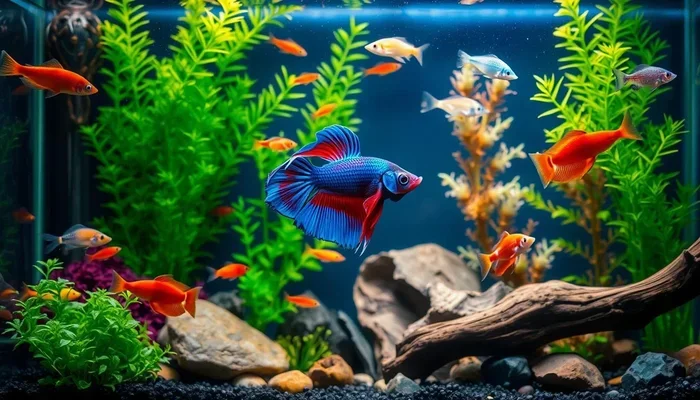
Betta fish are fiercely territorial. In the wild they defend small puddles or rice paddies, and they carry that instinct into home aquariums. When another betta enters a perceived territory, the resident fish will flare its fins, spread its gill covers, and charge.

Visual guide about A Betta Fish Fighting
Image source: pics.dmm.co.jp
Gender and Hormones
Male bettas produce higher levels of testosterone, which amplifies aggression. Female bettas can also fight, especially when kept together in groups, but the intensity is usually lower. Hormonal spikes after feeding or during breeding season can trigger sudden bouts of fighting.
Visual Triggers
Betta fish have excellent eyesight and can see reflections and colors clearly. A mirror, reflective tank décor, or even a brightly colored tank background can be interpreted as an intruder, prompting a flaring response.
Stress Factors
Poor water quality, incorrect temperature, and overcrowding all raise cortisol levels, making fish more irritable. A stressed betta is more likely to attack anything it perceives as a threat.
2. Setting Up a Tank to Minimize Aggression
Choosing the Right Size
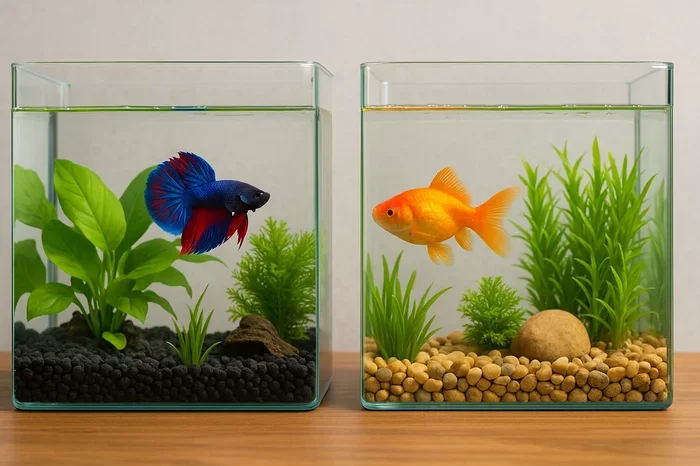
Many beginners think a 2‑gallon bowl is enough, but for a single male betta, a 5‑gallon tank is the minimum. If you plan to keep two males separated by a divider, aim for at least 10 gallons total. Larger water volume dilutes waste, stabilizes temperature, and gives each fish more room to establish its own territory.
Visual guide about A Betta Fish Fighting
Image source: o.quizlet.com
What Size Tank For A Betta Fish provides detailed guidelines on volume and dimensions.
Water Temperature and Quality
Betta fish are tropical; a stable temperature between 78°F and 80°F (25.5°C‑26.5°C) is ideal. Use a reliable heater and a thermometer to avoid fluctuations. Regular water changes (20‑30% weekly) keep ammonia and nitrite low, reducing stress that can spark fighting.
Read more about optimal conditions in What Temperature Should Water Be For A Betta Fish.
Lighting and Hiding Places
Gentle, dimmable lighting mimics the betta’s natural environment and reduces visual stimulation. Provide plenty of live or silk plants, caves, and driftwood. These structures break line‑of‑sight, giving each fish a place to retreat.
Using Dividers Effectively
If you must house two males together, a clear acrylic or mesh divider is essential. The barrier should be at least 2 inches thick to prevent bites, yet allow water flow so both sides share the same filtration. Place the divider so each betta has a distinct “front” and “back” zone, reducing the urge to rush the other side.
3. Recognizing the Early Signs of a Betta Fight
Body Language Cues
- Flaring fins: The most obvious sign; the fish spreads its dorsal, caudal, and pectoral fins to look larger.
- Gape and gill cover expansion: Often accompanied by a “gasping” sound as the fish takes in more water.
- Rapid, erratic swimming: A betta may dart back and forth, circling the tank’s perimeter.
- Color change: Brightening of the body and iridescent sheen indicate heightened aggression.
Behavioral Patterns
Before a full‑blown fight, you may notice one fish consistently hovering near a particular spot, guarding a plant or decoration. The other fish will test the boundary, leading to a standoff. Intervening at this stage—by rearranging décor or adding a divider—can prevent injuries.

Visual guide about A Betta Fish Fighting
Image source: i.pinimg.com
4. What To Do When a Fight Breaks Out
Immediate Separation
Act quickly but calmly. Using a clear container, gently net the aggressor or the victim and move it to a quarantine tank (minimum 2‑gallon, heated, and filtered). This stops the damage and gives both fish a chance to recover.
Assess Injuries
Look for torn fins, missing scales, or bleeding spots. Minor fin nicks usually heal within a week with good water quality. Severe injuries may require a salt dip (1 teaspoon of aquarium salt per gallon for 5 minutes) to prevent infection.
Re‑evaluate Tank Setup
After a fight, consider whether the divider was adequate, if the tank is too small, or if water parameters need adjustment. Adding more plants or rearranging existing ones can break sight lines that trigger aggression.
5. Long‑Term Strategies to Prevent Future Fights
Limit Visual Stimuli
Cover one side of the tank with a dark background or place a decorative rock to block the view of the opposite side. Avoid mirrors and highly reflective décor.
Choose Compatible Tank Mates
If you want a community tank, opt for peaceful, fast‑swimming species that stay in the upper or middle levels, such as neon tetras, harlequin rasboras, or small shrimp. Avoid fin‑nipping species and other aggressive fish.
Explore which fish are safe in What Fish Is Compatible With A Betta Fish.
Maintain Consistent Feeding Routines
Feed small amounts 2‑3 times daily. Overfeeding can increase competition and aggression, especially if food sinks to the bottom where bettas may guard it.
Regular Health Checks
Watch for signs of disease, parasites, or stress. A healthy betta is less likely to resort to fighting as a defensive measure.
6. When to Consider a Single Betta Lifestyle
The Peaceful Choice
Many hobbyists find that keeping a single male betta in a well‑decorated tank provides the most stunning display without the risk of fighting. A solo setup allows you to focus on breeding, bubble‑nest building, and showcasing the fish’s natural colors.
Breeding Considerations
If breeding is your goal, you’ll need a separate breeding tank (2‑3 gallons) with a gentle water flow and a soft substrate. After spawning, remove the male to prevent him from eating the fry.
Conclusion
Betta fish fighting is a natural behavior rooted in territory, gender, and visual cues. By providing adequate space, stable water conditions, and thoughtful tank décor, you can dramatically lower the chances of a showdown. When aggression does surface, quick separation and proper care can save lives. Whether you choose a single‑betta showcase or a carefully divided community, the key is to respect each fish’s need for its own domain.
With the right preparation, you’ll enjoy the vibrant beauty of bettas without the drama of constant fighting. Happy fish‑keeping!
Frequently Asked Questions
Why does my betta fish flare its fins?
Flaring is a warning sign. The betta is displaying its size to deter a perceived intruder or to establish dominance.
Can two female bettas live together peacefully?
Female bettas can sometimes coexist, but they often establish a hierarchy that may lead to occasional fights. Provide plenty of hiding spots and monitor closely.
Is a divider enough to keep two male bettas safe?
A sturdy acrylic or mesh divider can prevent physical injuries, but visual contact may still cause stress. Ensure each side has its own décor and hiding places.
How often should I change the water to reduce aggression?
Change 20‑30% of the tank water weekly. This keeps ammonia low and maintains stable parameters, both of which calm aggressive behavior.
What temperature should the water be to keep bettas calm?
Maintain the water between 78°F and 80°F (25.5°C‑26.5°C). Consistent temperature prevents stress spikes that can trigger fights.
Can I keep a betta with a snail or shrimp?
Yes, many snails and peaceful shrimp coexist well with a single male betta, as they occupy different zones of the tank and are not seen as competition.