How Do Betta Fish Mate If They Hate Each Other
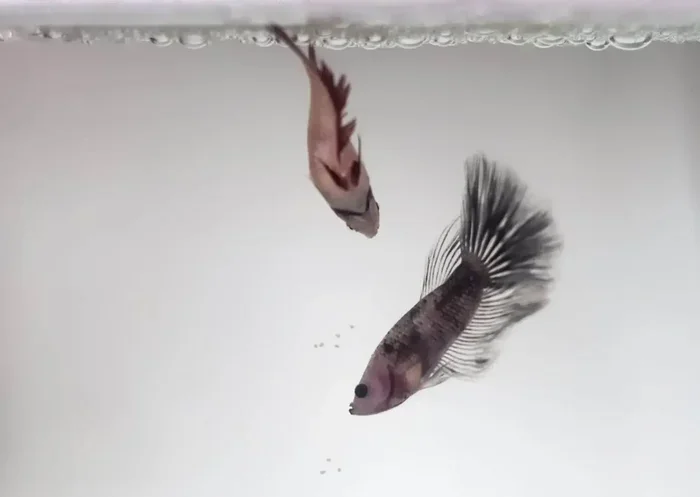
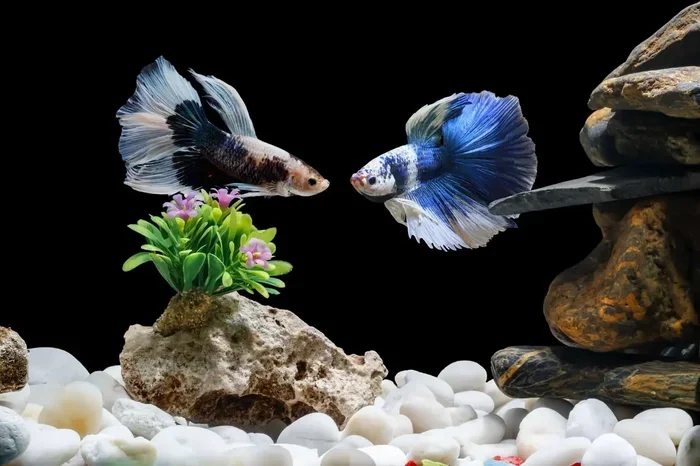
Betta fish can mate even when they show aggression toward each other. The betta fish mating process involves a unique courtship ritual where males build bubble nests and females release eggs. Understanding betta fish behavior during breeding helps you create a safer environment and avoid serious injury or death.
Betta fish are some of the most beautiful and fascinating pets you can keep. But if you have ever watched two bettas glare at each other through the glass, you know they can be fiercely territorial. So here is the big question: how do betta fish mate if they hate each other?
The answer might surprise you. Even when bettas show strong aggression, the urge to reproduce can push them through a complex mating process. Male bettas build bubble nests, perform elaborate courtship dances, and carefully guide females to release eggs. It is a wild and sometimes dangerous process that happens despite their natural dislike for one another.
In this article, we will walk you through every step of the betta fish mating process. You will learn why bettas fight, how they breed, and what you can do to keep both fish safe. Whether you are a beginner or a seasoned fish keeper, this guide has practical tips you can use today.
Understanding betta fish aggression during mating is the first step. Let us dive in and break it all down.
Key Takeaways
- Betta fish can mate despite aggression: Even hostile bettas may complete the mating process if conditions are right.
- Bubble nests are a key sign: Males build bubble nests to prepare for spawning and egg care.
- Separate tanks are essential: Always have a backup plan to remove the female after mating to prevent harm.
- Watch for stress signals: Fin flaring, chasing, and hiding are signs that mating may not be safe.
- Water conditions matter: Proper temperature and pH reduce aggression and support healthy breeding.
- Post-mating care is critical: Both fish need attention after spawning to recover and stay healthy.
📑 Table of Contents
Why Do Betta Fish Hate Each Other?
Betta fish, especially males, are naturally aggressive. In the wild, they defend territory from other males. This instinct does not disappear in captivity. When two male bettas share a tank, they often flare their fins, chase each other, and even fight to the death.
Female bettas can also be aggressive, though usually less so. When you place a male and female together for breeding, the initial reaction is often hostility. The female may see the male as a threat, and the male may see the female as an intruder.
Betta fish fighting is a natural behavior rooted in survival. They do not hate each other the way humans do. Instead, they respond to perceived threats. Understanding this helps you manage the mating process more safely.
The Role of Territory
Betta fish are solitary creatures by nature. Each fish claims a small area in the wild and defends it fiercely. When another fish enters that space, the betta responds with fin flaring and aggressive posturing.
This territorial behavior is the main reason bettas hate each other. It is not personal. It is instinct. During mating, this instinct creates a lot of tension, which is why careful tank setup is so important.
How Do Betta Fish Mate?
The betta fish mating process is fascinating and complex. It involves several stages that happen over hours or even days. Let us break it down step by step.
Step 1: Bubble Nest Building
Before any mating happens, the male betta builds a bubble nest. He blows tiny bubbles that stick together and float on the water surface. This nest is where the eggs will be stored after spawning.
A healthy bubble nest is a sign that the male is ready to breed. The nest can range from a small cluster to a large, thick mat of bubbles. Some males build nests in corners, while others spread them across the surface.
Step 2: Courtship Display
Once the bubble nest is ready, the male begins his courtship display. He flares his fins, twists his body, and circles the female. This display is meant to attract the female and signal that he is ready to mate.
The female may respond by darkening in color and developing vertical stripes, known as breeding bars. These bars are a clear sign that she is ready to release eggs. If she does not show these signs, the mating process may not proceed.
Step 3: The Embrace
The actual mating act is called the embrace. The male wraps his body around the female, squeezing gently to trigger egg release. As the female releases eggs, the male fertilizes them externally.
This process may happen several times over a few hours. Each time, the male collects the eggs and places them gently into the bubble nest. It is a delicate process that requires patience and careful monitoring.
Step 4: Post-Mating Separation
After all the eggs are released and fertilized, the female must be removed immediately. The male becomes very protective of the nest and may attack the female if she stays too long. This is where many fish keepers make mistakes.
Leaving the female in the tank after mating can lead to serious injury or death. Always have a separate container ready to transfer her safely.
Can Betta Fish Mate If They Hate Each Other?
This is the core question, and the answer is yes. Betta fish can mate even when they show strong aggression toward each other. The biological drive to reproduce is powerful enough to override their natural dislike.
However, this does not mean the process is safe or stress-free. In fact, mating between hostile bettas carries significant risks. Both fish can sustain injuries from fin nipping, chasing, and physical struggle during the embrace.
Do betta fish kill each other when they mate? In some cases, yes. If the aggression is too intense, the male may harm or even kill the female during or after the mating process. This is why gradual introduction and close monitoring are absolutely essential.
For more on this topic, check out our detailed guide on why betta fish hate each other to understand the root causes of their aggression.
Signs That Mating Is Too Risky
Not every pair of bettas should be bred together. Watch for these warning signs that mating could be dangerous:
- Constant fin flaring without any courtship behavior
- Refusing to eat for more than a day before introducing them
- Visible injuries like torn fins or open wounds
- Persistent chasing that does not stop after several hours
- The female hiding constantly and showing no breeding bars
If you notice any of these signs, it is best to separate the fish immediately. Forcing mating in these conditions can cause lasting harm.
How to Prepare for Safe Betta Fish Mating
Preparation is the key to a successful and safe mating process. Rushing into breeding without proper setup can lead to disaster. Here is what you need to do before introducing any two bettas.
Set Up a Breeding Tank
Use a separate tank that is at least 10 gallons. Fill it with warm water kept between 78 and 82 degrees Fahrenheit. Add a sponge filter to keep the water clean without creating strong currents that could disturb the bubble nest.
Include floating plants or a spawning mop. These give the female a place to hide and help the male feel secure while building his nest. A calm, well-planted environment reduces stress for both fish.
Condition the Fish
Before introducing the pair, feed both fish a high-quality diet of live or frozen brine shrimp and bloodworms. This conditioning process should last about two weeks. It prepares their bodies for the physical demands of breeding.
Healthy fish recover faster from the stress of mating. They are also less likely to show extreme aggression during the process.
Introduce Gradually
Never place a male and female directly into the same tank right away. Start by placing them on opposite sides of the breeding tank, separated by a clear divider. Let them see each other for several hours or even a full day.
Watch their reactions closely. If the aggression seems manageable and the female shows breeding bars, you can remove the divider. If either fish shows extreme distress, keep them separated and try again later.
What Happens After Mating?
The betta fish breeding cycle does not end when the eggs are in the bubble nest. There is still important work to do to ensure the fry survive and both parent fish recover.
Caring for the Eggs
The male betta takes full responsibility for the eggs after mating. He will carefully pick up any eggs that fall from the nest and place them back. He will also guard the nest aggressively against any threats.
During this time, the male should be left alone as much as possible. Disturbing the tank can cause him to abandon or eat the eggs. Keep the lights dim and avoid making sudden movements near the tank.
Recovering the Female
The female needs her own quiet space to recover from the mating process. Place her in a separate tank with clean, warm water and minimal decorations. Offer her small amounts of food once she starts eating again.
She may look tired and pale for a day or two. This is completely normal. Within a week, she should return to her normal color and behavior.
Caring for the Fry
After about 24 to 48 hours, the eggs will hatch into tiny fry. The male will continue to guard them and keep them in the bubble nest. After another day or two, the fry will start swimming freely.
At this point, you should remove the male from the tank. He may start eating the fry now that they are free-swimming. Feed the fry infusoria or liquid fry food for the first week, then gradually introduce baby brine shrimp.
For more on how bettas behave after mating, read our article on do betta fish die after they lay eggs to understand the full post-breeding picture.
Common Mistakes During Betta Fish Mating
Even experienced fish keepers make mistakes during the breeding process. Here are the most common errors and how to avoid them.
Skipping the Quarantine Period
Never introduce a new fish into your breeding tank without quarantining it first. Sick fish can spread disease to the breeding pair, which weakens both parents and the eggs.
Quarantine new fish for at least two weeks in a separate tank. Watch for signs of illness like lethargy, loss of color, or unusual swimming patterns.
Ignoring Water Quality
Dirty water increases stress and aggression in bettas. Test the water parameters daily during the breeding process. Keep the pH between 6.5 and 7.5, and the ammonia and nitrite levels at zero.
Perform small water changes regularly, but avoid vacuuming the bottom of the tank too aggressively. You do not want to disturb the bubble nest or stress the male.
Forcing Mating Too Soon
Patience is everything when breeding bettas. If the pair is not showing signs of compatibility after a full day of introduction, separate them and try again another time.
Forcing the process leads to injuries and wasted effort. A successful mating takes time, preparation, and careful observation.
Expert Insights on Betta Fish Mating Behavior
Many aquarists wonder whether betta fish aggression during mating is a sign that something is wrong. The truth is, some level of aggression is completely normal. Males flare at females during courtship, and females may resist mating at first.
However, there is a big difference between normal courtship behavior and dangerous aggression. Courtship involves brief flaring, circling, and chasing that stops after the embrace. Dangerous aggression involves continuous fighting, torn fins, and one fish bullying the other relentlessly.
If you are unsure whether your bettas are ready to mate, consult with experienced breeders or a knowledgeable fish store professional. They can help you assess the situation and recommend the best next steps.
Understanding the difference between normal and harmful behavior is one of the most valuable skills you can develop as a betta fish keeper. It keeps your fish safe and increases your chances of a successful breeding experience.
Conclusion
The answer to how do betta fish mate if they hate each other comes down to biology and instinct. Despite their natural aggression, bettas can and do mate when the conditions are right. The process involves bubble nest building, courtship displays, the embrace, and careful post-mating care.
But mating between hostile bettas is not without risk. You must be prepared to monitor the fish closely, separate them when needed, and provide proper care before, during, and after breeding. With patience and the right setup, you can help your bettas navigate this intense process safely.
Remember that every betta fish is different. Some pairs will mate with relatively little conflict, while others will need more time and preparation. The key is to stay observant, stay patient, and always put the health and safety of your fish first.
Whether you are breeding bettas as a hobby or trying to understand their behavior better, the more you know about their mating process, the better equipped you are. Start with small steps, learn from each experience, and enjoy the incredible journey of betta fish breeding.
Frequently Asked Questions
Can betta fish mate with fish other than bettas?
No, betta fish typically only mate with other bettas. They cannot successfully breed with other fish species. Their mating behaviors and biological processes are specific to their own species. Attempting to breed bettas with other fish will not produce viable offspring.
How long does the betta fish mating process take?
The full process can take anywhere from a few hours to several days. Bubble nest building happens first, followed by courtship, and then the actual embrace. After mating, the male guards the eggs for about 24 to 48 hours until they hatch. Each stage requires patience and careful observation.
Should I intervene if my bettas are fighting during mating?
Yes, if the fighting becomes intense and one fish is clearly being harmed, you should separate them immediately. Some chasing and flaring is normal during courtship, but persistent aggression can cause serious injuries. Always have a backup tank ready for quick separation.
What should I feed betta fish before mating?
Feed both fish a rich diet of live or frozen brine shrimp, bloodworms, and daphnia for about two weeks before breeding. This conditioning improves their health and increases the chances of successful mating. Avoid overfeeding, as excess food can dirty the water quickly.
How do I know if my female betta is ready to mate?
A ready female will develop vertical breeding bars on her body and may darken in color. She will also show interest in the male by approaching the bubble nest. If she refuses to eat or hides constantly, she may not be ready yet. Wait a few more days and try again.
Can I breed two female bettas together?
Female bettas can sometimes live together in groups called sororities, but breeding typically requires a male and female pair. Two females alone will not produce offspring without a male to fertilize the eggs. If you want to breed bettas, you will need a healthy male as well.