Can Any Other Fish Live with a Female Betta
Female bettas can coexist with certain peaceful community fish when the tank is properly sized, well‑planted, and carefully monitored. Choosing the right tank mates, providing plenty of hiding spots, and maintaining stable water conditions are key to a harmonious aquarium.
Key Takeaways
- Understanding can any other fish live with a female betta: Provides essential knowledge
📑 Table of Contents
Introduction: The Question Behind the Tank
If you’ve ever wondered can any other fish live with a female betta, you’re not alone. Many new betta owners love the vivid colors and personality of a female betta, but they also crave a lively community tank. The good news is that, with the right approach, a female betta can share her home with a variety of peaceful tank mates. The challenge lies in understanding the betta’s natural behavior, providing enough space, and selecting companions that won’t trigger aggression.
In this guide we’ll walk through everything you need to know—from tank size and water conditions to the best species to consider and how to introduce them safely. By the end, you’ll be confident in creating a beautiful, balanced aquarium where a female betta and her new friends can thrive together.
Understanding Female Betta Behavior
Temperament Compared to Males
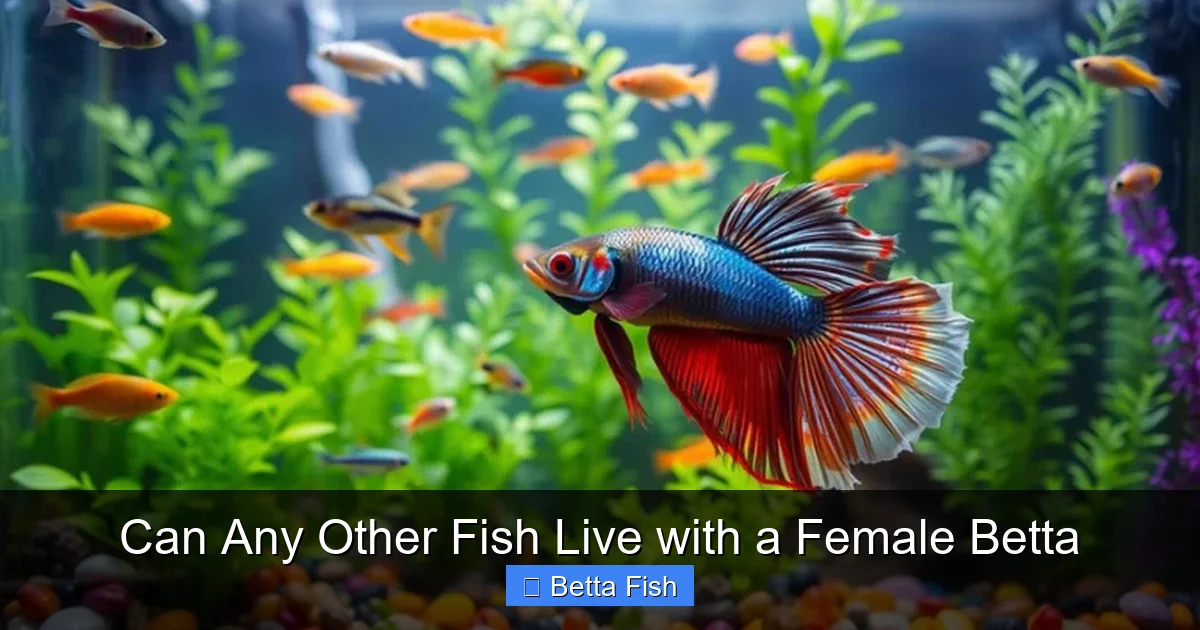
Female bettas are generally less aggressive than their male counterparts, but they are still territorial. While a male will flare at its reflection, a female may still defend her space, especially if the tank is crowded or the water quality drops. Knowing this helps you choose tank mates that are unlikely to provoke a defensive response.
Visual guide about Can Any Other Fish Live with a Female Betta
Image source: infishtank.com
Space Requirements
Even though many think a 5‑gallon bowl is enough, a female betta benefits from a larger environment. A minimum of 20 gallons provides enough room for swimming, hiding, and establishing separate territories. More space also dilutes any potential aggression, making it easier for other fish to coexist.
Water Parameters
Betas prefer warm water (78‑80°F / 25‑27°C), a pH of 6.5‑7.5, and soft to moderately hard water. Consistency is key—rapid changes can stress the betta and make her more likely to act aggressively toward new fish.
Choosing the Right Tank Mates
General Rules for Compatibility
- Fish should be smaller than the betta’s dorsal fin height to avoid being seen as a threat.
- Prefer species that swim at the bottom or mid‑level, keeping clear space above the betta.
- Avoid fin‑nipping species such as tiger barbs or aggressive loaches.
- Select peaceful, slow‑moving fish that won’t challenge the betta’s territory.
Top Candidates for Female Betta Community Tanks
Below are some of the most reliable companions. Each entry includes size, temperament, and care tips.

Visual guide about Can Any Other Fish Live with a Female Betta
Image source: fishkeepertank.com
1. Neon Tetras
These tiny, shimmering fish (up to 1½ inches) stay near the lower to mid‑water column. Their peaceful nature and bright colors complement a betta’s display. Keep them in groups of six or more to reduce stress.
2. Ember Tetras
Similar to neon tetras but with a warm orange hue, ember tetras are also small (about 1 inch) and thrive in heavily planted tanks. Their calm demeanor makes them an excellent match.
3. Harlequin Rasboras
Growing to about 2 inches, rasboras are schooling fish that occupy the middle of the tank. Their slightly larger size can hold their own without challenging the betta.
4. Corydoras Catfish
These bottom‑dwelling “catfish” range from 2‑3 inches and love to sift through substrate. Their calm, gentle nature and preference for the tank floor keep them out of the betta’s line of sight.
5. Kuhli Loaches
While a bit more active, Kuhli loaches (up to 4 inches) hide in crevices and under driftwood. They’re nocturnal and rarely interact with the betta, making them a low‑risk option.
6. Small Shrimp (e.g., Cherry Shrimp)
Although not fish, shrimp add color and help clean algae. Female bettas sometimes view shrimp as snack, so keep a well‑covered lid and provide plenty of hiding spots.
Species to Avoid
Fin‑nippers (e.g., tiger barbs), large gouramis, aggressive cichlids, and fast‑swimming loaches can provoke a betta. Even some dwarf cichlids may be too territorial. Always research a species’ temperament before adding it.
Setting Up the Tank for Harmony
Choosing the Right Size and Shape
A rectangular tank of at least 20 gallons offers horizontal swimming space, which is crucial for both bettas and schooling fish. Avoid tall, narrow tanks that limit horizontal movement.
Visual guide about Can Any Other Fish Live with a Female Betta
Image source: petfishonline.com
Landscaping for Peace
Live plants such as Java fern, Anubias, and Vallisneria create natural barriers. Use driftwood and rock caves to break sight lines. The more visual obstacles, the less likely the betta will feel the need to defend her territory.
Filtration and Flow
Betas prefer gentle water movement. Choose a sponge filter or a low‑flow hang‑on‑back filter. The filter should provide adequate biological filtration without creating strong currents that stress the betta.
Lighting and Temperature
Provide 8‑10 hours of subdued lighting to mimic a natural day‑night cycle. Use a heater to maintain a stable 78‑80°F. Consistent temperature prevents territorial aggression triggered by cold spots.
Introducing New Fish Safely
Quarantine First
All new fish should spend at least two weeks in a separate quarantine tank. This prevents the spread of disease and allows you to observe the newcomer’s health and behavior.
Acclimation Process
Float the bag containing the new fish in the betta’s tank for 15‑20 minutes to equalize temperature. Then, gradually add tank water to the bag over 30 minutes before releasing the fish.
Observation Period
After introduction, watch for the following signs:
- Betta flaring or chasing
- New fish hiding constantly or appearing stressed
- Damaged fins or missing scales
If any of these occur, be prepared to rehome the new fish or provide a separate tank.
Gradual Integration
Start with a single species (e.g., a small school of neon tetras). Once they’re settled, you can add a second compatible group like Corydoras. Adding slowly reduces the chance of territorial disputes.
Maintaining a Peaceful Community
Regular Water Changes
Perform 25‑30% water changes weekly. This keeps nitrate levels low and maintains water clarity, which reduces stress for all inhabitants.
Feeding Strategies
Feed the betta its staple pellets or frozen foods twice daily. Offer small, frequent feedings to the community fish. Use a feeding ring or target feeding to prevent the betta from monopolizing food.
Monitoring and Adjusting
Keep a log of water parameters, feeding, and any aggressive incidents. If problems arise, consider rearranging décor, adding more plants, or reducing the number of tank mates.
Common Questions Answered
Many hobbyists ask similar questions about mixing bettas with other fish. Below are concise answers to the most frequent queries.
Can a female betta live with a male betta?
No. Even though females are less aggressive, they will still fight over territory and may cause serious injuries.
Is it safe to keep a betta with guppies?
Guppies are often too fast and may trigger a betta’s predatory instincts. It’s best to avoid them unless you have a very large, heavily planted tank.
Can I keep a betta with a goldfish?
Goldfish produce a lot of waste and require cooler water, making them unsuitable tank mates for bettas.
Do bettas get along with shrimp?
Some bettas ignore shrimp, while others see them as food. Providing plenty of hiding places can increase the chances of success.
Conclusion: Building a Balanced Betta Community
Answering the question can any other fish live with a female betta isn’t a simple yes or no—it depends on the tank size, setup, and the specific species you choose. By selecting peaceful, appropriately sized fish, providing ample plants and hiding spots, and maintaining stable water conditions, you can create a thriving community aquarium where a female betta and her companions live side by side in harmony. Remember to introduce new fish slowly, monitor behavior closely, and be ready to make adjustments. With patience and care, your aquarium will become a vibrant, stress‑free home for all its inhabitants.
For more detailed compatibility charts, see our related article What Other Fish Can Live With Betta Fish. If you’re curious about male betta compatibility, check out Can a Male Betta Live With Other Fish. And for tips on setting up a community tank, read Can You Keep Any Other Fish With A Betta.
Frequently Asked Questions
Can a female betta share a tank with neon tetras?
Yes, neon tetras are small, peaceful fish that usually coexist well with a female betta in a properly sized, planted tank.
What size tank is recommended for a female betta and community fish?
A minimum of 20 gallons is ideal to provide enough space for territories and swimming room for all fish.
How often should I change the water in a mixed betta tank?
Perform a 25‑30% water change weekly to keep nitrate levels low and maintain water clarity.
Will a betta eat shrimp in the tank?
Some bettas may try to eat small shrimp, especially if they’re hungry. Providing plenty of hiding places reduces this risk.
Can I keep a betta with a single corydoras catfish?
Yes, a single or small group of corydoras works well because they stay at the bottom and are non‑aggressive.
What signs show that my betta is stressed by tank mates?
Look for constant flaring, chasing, torn fins, or the betta spending most of its time hidden.