How to Hatch Betta Fish Eggs

Hatching betta fish eggs is a rewarding but delicate process that requires the right setup, timing, and care. Follow this friendly guide to prepare the perfect environment, monitor fertilized eggs, and raise healthy fry—all without stress. Start today and watch your betta family thrive!
Key Takeaways
- Ideal tank setup: Use a separate breeding tank with gentle filtration and dim lighting.
- Spawning signs: Recognize the “bubble nest” and male courtship behavior.
- Egg fertilization: Keep water temperature between 78‑80°F (25‑27°C) for best hatch rates.
- Fry feeding: Introduce infusoria within 24‑48 hours and graduate to microworms.
- Water changes: Perform small, frequent changes to maintain pristine water quality.
- Prevent common problems: Watch for fungus and remove unfertilized eggs promptly.
- Patience pays: Expect 24‑36 hours for hatching and be ready for daily care.
📑 Table of Contents
- Introduction: The Joy of Raising Betta Fry
- 1. Preparing the Perfect Breeding Environment
- 2. Selecting and Conditioning the Breeding Pair
- 3. Encouraging Spawning and Understanding the Bubble Nest
- 4. Caring for the Eggs: From Fertilization to Hatching
- 5. Feeding the Fry: The First Meals That Matter
- 6. Growing Fry to Juvenile Stage
- Conclusion: Celebrate Your Success
Introduction: The Joy of Raising Betta Fry
There’s something magical about watching tiny betta fry break free from their tiny, silvery shells. If you’ve ever wondered how to hatch betta fish eggs, you’re not alone. Many hobbyists start with a single male and female, only to be amazed when a bubble nest appears and dozens of eggs start to glitter at the water’s surface.
But the journey from spawning to a thriving school of fry isn’t automatic. It takes a little preparation, a lot of patience, and a handful of proven techniques. In this guide we’ll walk you through every step—setting up the perfect breeding tank, encouraging spawning, caring for the eggs, and raising the fry to the point where they can graduate to a community tank.
1. Preparing the Perfect Breeding Environment
Choosing the Right Tank
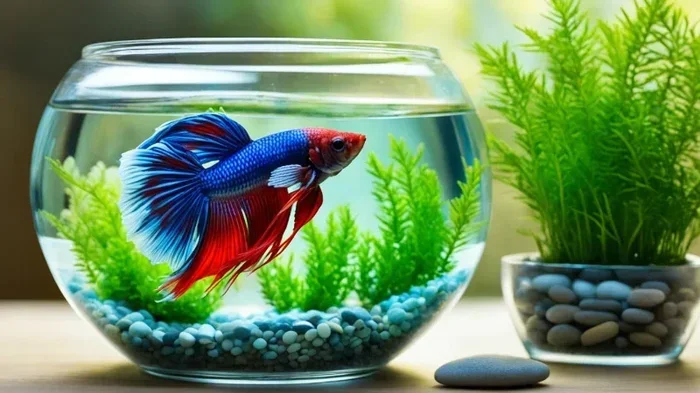
The first question most beginners ask is, “Do I need a separate tank?” The short answer is yes. A dedicated breeding tank (2‑5 gallons) gives you control over water parameters and protects the delicate eggs from the adult male’s aggressive tendencies.

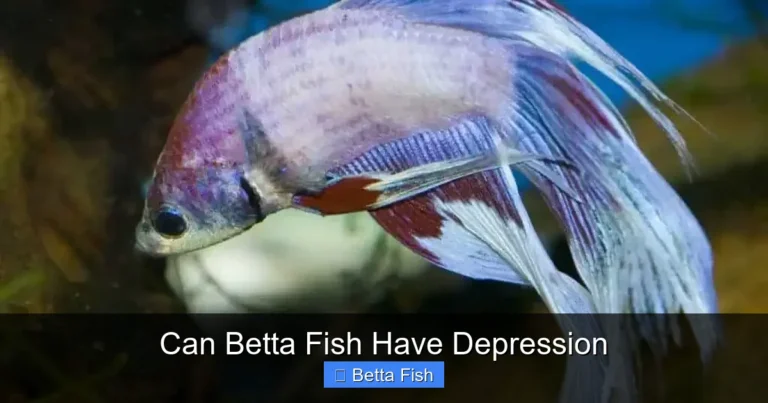
Visual guide about How to Hatch Betta Fish Eggs
Image source: imgs.699pic.com
When you set up a betta fish tank, opt for a clear glass or acrylic container with a tight‑fitting lid. A lid prevents the male from jumping out and keeps the environment stable.
Essential Equipment
- Heater: Keep water at 78‑80°F (25‑27°C). A stable temperature speeds embryo development.
- Low‑flow filter: Use a sponge filter or a gentle air stone. Strong currents can damage the eggs.
- Lighting: Dim LED lights or a 12‑hour light cycle mimics natural conditions and encourages nest building.
- Plants or spawning mop: Provide a surface for the male to attach the eggs if the bubble nest is incomplete.
Water Quality Basics
Betta eggs are sensitive to ammonia, nitrite, and high nitrate levels. Perform a small water change (10‑20 %) a day before introducing the pair, and test the water with a reliable kit. Aim for:
- Ammonia: 0 ppm
- Nitrite: 0 ppm
- Nitrate: < 20 ppm
- pH: 6.5‑7.5
Keeping the water pristine is the single most important factor in successfully learning how to hatch betta fish eggs.
2. Selecting and Conditioning the Breeding Pair
Identifying Males and Females
Before you can answer the big question, you need the right fish. Males are larger, have longer, flowing fins, and display vivid colors. Females are shorter, have a more robust belly, and may show a “gravid spot” near the anal fin when ready to spawn.

Visual guide about How to Hatch Betta Fish Eggs
Image source: image.slidesharecdn.com
For a quick refresher on gender differences, check out how to tell the gender of a betta fish. Correct identification prevents mismatched pairs and failed spawning attempts.
Conditioning Routine
Feed both fish high‑quality live or frozen foods (brine shrimp, daphnia) twice daily for a week before spawning. This boosts their health and stimulates breeding hormones.
Maintain water at the upper end of the temperature range (around 80°F) during conditioning. Warmer water mimics the rainy season in the wild, a natural trigger for reproduction.
3. Encouraging Spawning and Understanding the Bubble Nest
Introducing the Pair
Place the male in the breeding tank first, then gently slide the female in using a breeding box or a small container. Allow them to acclimate for about 15 minutes before releasing the female.
Visual guide about How to Hatch Betta Fish Eggs
Image source: wildbettablog.com
Within a few hours you’ll notice the male flaring his fins, performing a “courtship dance,” and building a bubble nest at the water’s surface. If the nest isn’t forming, slightly raise the temperature or add a few drops of Indian almond leaves to simulate a natural environment.
Spawning Process
When the female is ready, she will rise to the surface and release a clutch of eggs, which the male immediately fertilizes and places into the bubble nest. A single spawning event can produce 20‑30 eggs.
After the female releases all her eggs, the male will continue to tend the nest, collecting stray eggs and adding more bubbles. This is a good time to remove the female—sometimes she may become aggressive after laying.
4. Caring for the Eggs: From Fertilization to Hatching
Monitoring Fertilization
Not all eggs are fertilized. Healthy, fertilized eggs appear white or slightly opaque, while unfertilized ones stay clear and turn black within 24 hours. Gently remove the blackened eggs with a soft net to prevent fungal growth.
Maintaining Water Conditions
During the 24‑36 hour incubation period, keep water temperature steady and perform tiny water changes (5‑10 %) daily to keep ammonia at zero. Use a gentle siphon that does not disturb the nest.
Preventing Fungus
If you notice a fuzzy white coating on any egg, it’s a fungal infection. Increase aeration slightly and add a few drops of a mild antifungal treatment (e.g., methylene blue) if needed. Removing infected eggs promptly is crucial.
Hatching Time
At 78‑80°F, betta eggs typically hatch in 24‑36 hours. The fry will emerge as tiny, translucent bodies with a tiny yolk sac attached. They will remain near the surface, clinging to the bubble nest for the first few hours.
5. Feeding the Fry: The First Meals That Matter
Preparing Infusoria
Infusoria—microscopic organisms like protozoa—are the ideal first food. You can culture them by placing a piece of lettuce or wheat bran in a jar of aged water for 24‑48 hours. The water becomes cloudy with tiny life that fry love.
Feeding Schedule
- Day 1 (hatch): No feeding; fry rely on yolk sac.
- Day 2‑3: Add a few drops of infusoria 3‑4 times a day.
- Day 5‑7: Introduce microworms or newly hatched brine shrimp as fry grow.
Feed small amounts; excess food clouds the water and promotes disease.
Graduating to Larger Foods
When fry are about 3‑4 mm long, you can start offering finely crushed high‑quality betta pellets. Ensure the pellets are soaked until they soften, then use a pipette to place a tiny amount near the fry.
6. Growing Fry to Juvenile Stage
Water Management
As the fry grow, increase water changes to 30‑40 % daily to keep nitrate low. Use a gentle sponge filter to provide bio‑filtration without sucking the fry into the intake.
Preventing Cannibalism
Male bettas can become aggressive toward their own fry once they recognize them as competitors. If you notice the male circling or nipping at the fry, remove him to a separate tank.
Transitioning to a Community Tank
After 4‑6 weeks, when the fry are large enough to eat regular betta pellets and display their own colors, you can consider moving them to a larger, well‑filtered community tank. Ensure tank mates are peaceful and the water parameters match betta requirements.
Conclusion: Celebrate Your Success
Learning how to hatch betta fish eggs is a rewarding adventure that deepens your connection to these vibrant fish. By setting up a calm breeding environment, monitoring the eggs closely, and providing the right first foods, you give your fry the best chance to survive and flourish.
Remember, each batch is a learning experience. Keep notes on temperature, water changes, and feeding schedules, and you’ll see improvement with every cycle. Soon you’ll have a thriving school of bettas, each with its own unique personality and color pattern—proof that patience, preparation, and a little love go a long way in the world of betta breeding.
Frequently Asked Questions
How long does it take for betta eggs to hatch?
At a stable temperature of 78‑80°F (25‑27°C), betta eggs usually hatch within 24‑36 hours after fertilization.
Can I use my regular community tank for breeding?
It’s best to use a separate, small breeding tank. A community tank’s currents and other fish can stress the male and damage the delicate eggs.
What should I feed my betta fry in the first week?
Start with infusoria for the first 2‑3 days, then graduate to microworms or newly hatched brine shrimp as the fry grow.
Why are some eggs turning black?
Blackened eggs are unfertilized or have developed fungus. Remove them promptly to keep the water clean and protect the healthy embryos.
Do I need to change the water daily?
Yes, small 5‑10 % changes each day keep ammonia and nitrate levels low, which is crucial for egg development and fry health.
When can I safely remove the male after spawning?
Once the female is out of the tank and the male has finished tending the nest (usually a few hours after spawning), you can move him to another tank to prevent aggression toward the fry.