How to Humanely Kill a Betta Fish Without Clove Oil

When a betta fish is terminally ill or needs to be euthanized, doing it humanely is a responsibility every keeper should honor. This guide walks you through gentle, clove‑oil‑free techniques, preparation steps, and after‑care so you can act with confidence and compassion.
Key Takeaways
- Prepare the environment: A calm, dimly lit space reduces stress for both fish and keeper.
- Use an overdose of anesthetic water: Potassium chloride (KCl) or a buffered MS‑222 solution works quickly and painlessly.
- Physical methods are acceptable when done correctly: A swift, decisive blow to the head can be humane if performed properly.
- Never reuse chemicals: Discard solutions safely to protect other aquatic life.
- Document the process: Recording the method helps you stay consistent and can aid future caretakers.
- Consider emotional support: Euthanizing a pet can be upsetting; talk to friends or online communities.
- Dispose of the body responsibly: Burial or sealed composting are the most respectful options.
📑 Table of Contents
- Introduction: Why a Compassionate Approach Matters
- Understanding When Euthanasia Is Necessary
- Preparing the Space and Supplies
- Method 1: Overdose of Potassium Chloride (KCl) Solution
- Method 2: Buffered MS‑222 (Tricaine) Overdose
- Method 3: Physical (Mechanical) Euthanasia
- Aftercare: Disposal and Emotional Healing
- Preventing Future Emergencies
- Conclusion: Acting with Compassion and Confidence
Introduction: Why a Compassionate Approach Matters
Betta fish are beautiful, spirited companions, but sometimes illness, injury, or old age makes life miserable for them. When a betta reaches a point where recovery is impossible, a humane end is the kindest choice. Many hobbyists reach for clove oil because it’s easy to find, yet some prefer alternatives due to availability, sensitivity, or personal comfort.
This article explains how to humanely kill a betta fish without clove oil, offering clear, step‑by‑step instructions, safety tips, and emotional guidance. Whether you’re a seasoned keeper or a first‑time owner, you’ll find practical advice that respects both the fish and your peace of mind.
Understanding When Euthanasia Is Necessary
Signs of irreversible decline
Before you decide, be sure the betta’s condition truly warrants euthanasia. Common indicators include:

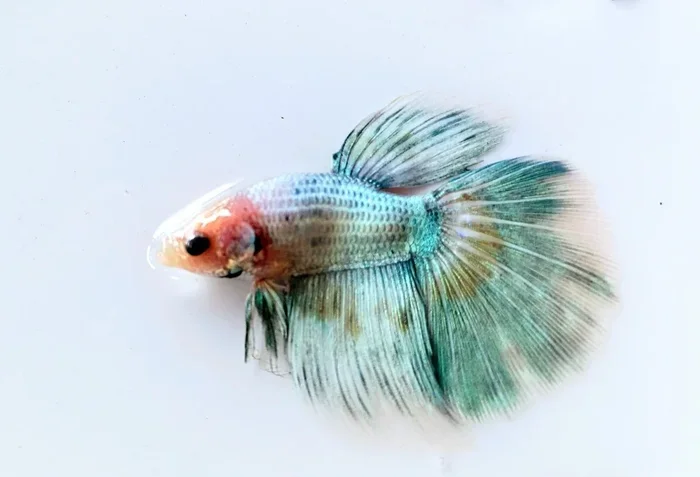
Visual guide about How to Humanely Kill a Betta Fish Without Clove Oil
Image source: zj.news.cn
- Severe fin rot that won’t respond to treatment after 2–3 weeks.
- Swim bladder disease causing chronic floating or sinking, unresponsive to diet changes.
- Advanced fungal or bacterial infections covering most of the body.
- Profound lethargy, loss of appetite for more than a week, and no response to medication.
If you’re unsure, consult a vet or an experienced aquarist. Our guide on how to know if a betta fish is dying can help you interpret symptoms.
Ethical considerations
Choosing a painless method reflects responsible pet ownership. The goal is to eliminate suffering, not to prolong it. A humane approach also aligns with legal standards in many regions that require “quick and painless” euthanasia for animals.
Preparing the Space and Supplies
Setting the scene
Find a quiet room away from foot traffic. Dim the lights or cover the tank with a dark cloth to calm the fish. Keep the water temperature stable—around 78°F (25.5°C) is ideal for bettas.
Visual guide about How to Humanely Kill a Betta Fish Without Clove Oil
Image source: auctions.c.yimg.jp
Gathering materials
- Two clean containers (one for the fish, one for the solution).
- Potassium chloride (KCl) powder or a buffered MS‑222 (tricaine methanesulfonate) solution.
- Measuring spoons or a digital scale.
- Protective gloves and eye protection.
- Soft towel or paper towels.
- Seal‑able plastic bag or biodegradable burial container.
Safety first
Both KCl and MS‑222 can irritate skin and eyes. Wear gloves, avoid inhaling powders, and keep the chemicals out of reach of children and pets. Dispose of any leftover solution according to local hazardous waste guidelines.
Method 1: Overdose of Potassium Chloride (KCl) Solution
Why KCl works
Potassium chloride stops the heart quickly when used in high concentrations, causing a rapid, painless death. It’s widely accepted by veterinarians for small fish.
Step‑by‑step guide
- Prepare the solution: Dissolve 10 grams of KCl in 100 ml of water (a 10% solution). Stir until fully dissolved.
- Transfer the betta: Gently net the fish and place it in the empty container filled with a small amount of its own tank water (just enough to keep it comfortable).
- Add the solution: Slowly pour the KCl solution into the container, covering the fish completely.
- Observe: Within 30–60 seconds the betta will stop moving. The heart stops almost instantly, so there’s no prolonged distress.
- Confirm death: Check for gill movement and a faint heartbeat by gently pressing the ventral side. No response means the process is complete.
- Dispose responsibly: Place the body in a sealed bag and bury it in soil or keep it in a compostable container.
Tips for success
- Use a fresh solution each time; old mixtures lose potency.
- Keep the container shallow (no deeper than 2 inches) to reduce the fish’s effort to breathe before the anesthetic works.
- If the fish doesn’t stop within 2 minutes, repeat the dosage with a fresh solution.
Method 2: Buffered MS‑222 (Tricaine) Overdose
What is MS‑222?
MS‑222 is a fish anesthetic commonly used in labs. At high concentrations it induces rapid cardiac arrest. It’s odorless and works well for delicate species like bettas.
Preparing a buffered solution
MS‑222 is acidic, so buffering with sodium bicarbonate (baking soda) prevents pH shock.
- Mix 0.5 g of MS‑222 powder in 100 ml of water.
- Add 0.5 g of sodium bicarbonate and stir until dissolved.
- The final concentration (≈5 g/L) is lethal for a betta.
Procedure
- Place the betta in a small container with a thin layer of tank water.
- Slowly add the buffered MS‑222 solution until the water level rises just enough to cover the fish.
- The betta will lose equilibrium within seconds and stop moving within a minute.
- Confirm death as described in the KCl method.
- Dispose of the body and any leftover solution responsibly.
Advantages and cautions
MS‑222 works quickly and leaves no lingering taste, making it ideal if you plan to keep the tank for other fish later. However, it can be pricey and requires careful handling to avoid skin irritation.
Method 3: Physical (Mechanical) Euthanasia
When to consider a physical method
If chemicals are unavailable or you need an immediate solution, a swift, decisive blow to the head can be humane. This method should only be used by someone confident in delivering an instant, lethal strike.
Step‑by‑step
- Prepare a soft, non‑slippery surface (e.g., a folded towel) on a table.
- Gently lift the betta using a soft net, supporting its body to avoid stress.
- Place the fish belly‑up on the towel.
- Using a small, blunt instrument (like the back of a pen), deliver a firm, quick strike to the skull region, just behind the eyes.
- Immediately check for movement; the fish should be motionless.
- Confirm lack of heartbeat by pressing lightly on the ventral side.
- Proceed to disposal as described above.
Important reminders
- Practice the motion with a dummy object first to ensure confidence.
- Never use a sharp object; it can cause prolonged suffering.
- After the strike, the fish’s eyes may still appear open—this is normal and does not indicate consciousness.
Aftercare: Disposal and Emotional Healing
Disposing of the body
Burial in a garden plot is the most natural method. Choose a spot away from vegetable beds, dig a 12‑inch deep hole, place the wrapped fish, and cover it. If burial isn’t possible, seal the body in a biodegradable bag and place it in the trash; avoid flushing down the toilet.
Cleaning the tank
If the tank will house other fish, perform a thorough cleaning:
- Remove all decorations and rinse them with hot water (no soap).
- Replace the substrate or scrub it with a bleach solution (1 % concentration), then rinse well.
- Refill with fresh, conditioned water and cycle the tank before adding new inhabitants.
Our guide on how to euthanize a betta fish humanely provides extra tips on post‑euthanasia tank care.
Dealing with grief
Losing a pet, even a small fish, can be emotionally taxing. Talk to fellow hobbyists, write a short tribute, or create a memory jar with a photo. Online forums often have supportive threads where you can share your experience.
Preventing Future Emergencies
Regular health checks
Early detection of disease reduces the need for euthanasia. Perform weekly observations: look for torn fins, discoloration, or abnormal swimming.
Maintain water quality
Stable parameters (pH 6.5–7.5, temperature 78°F, ammonia <0.25 ppm) keep bettas robust. A well‑cycled tank is essential; if you’re setting up a new home, read how to cycle a betta tank without fish for a fish‑free start.
Nutrition and stress reduction
Feed a varied diet of high‑quality pellets, occasional frozen or live foods, and occasional peas for digestive health. Keep the environment enriched with plants or silk decorations, but avoid aggressive tank mates.
Conclusion: Acting with Compassion and Confidence
Choosing to end a betta’s suffering is never easy, but doing it humanely—without clove oil—shows respect for the life you’ve cared for. By preparing the right environment, selecting a reliable method (KCl, MS‑222, or a skilled physical technique), and handling disposal with dignity, you can ensure a painless transition.
Remember, the best outcome is a healthy betta that never reaches this point. Regular care, water monitoring, and early disease detection are your strongest tools. When the day does come, you now have clear, compassionate steps to follow.
Frequently Asked Questions
Can I use regular table salt instead of potassium chloride?
No. Table salt (sodium chloride) does not cause rapid cardiac arrest in fish and can cause prolonged distress. Potassium chloride is the recommended chemical for a quick, humane death.
Is it legal to euthanize a betta fish at home?
In most regions, home euthanasia of small ornamental fish is legal as long as humane methods are used. Check local wildlife or animal welfare regulations if you are uncertain.
How long does it take for a betta to die using the KCl method?
Typically, a betta stops moving within 30–60 seconds after the solution is added. Full cardiac arrest occurs almost instantly, so there is no prolonged suffering.
What should I do if the fish does not stop moving after the first dose?
Prepare a fresh batch of the same concentration and repeat the overdose. Most fish will respond to the second dose within another minute.
Can I reuse the chemical solution for another fish?
No. Once the solution has been used, its potency drops and it may contain biological waste. Always prepare a fresh solution for each euthanasia.
Is it okay to keep the dead betta’s body in the tank for a while?
It is best to remove the body promptly to prevent water contamination and disease spread. Dispose of the fish as soon as death is confirmed.