Do Betta Fish Like Rocks Or Sand Best Substrate
Choosing the right bottom layer for your tank matters a lot. Many owners ask do betta fish like rocks or sand when setting up their aquarium. The truth is that both options have pros and cons for your pet. You need to pick a safe choice that keeps their fins healthy and makes cleaning easy.
Key Takeaways
- Safety First: Smooth rocks prevent fin damage while sharp gravel can hurt your betta.
- Sand Benefits: Fine sand is soft and natural but requires careful vacuuming to avoid compaction.
- Rock Benefits: Larger stones offer hiding spots but can trap debris if gaps are too wide.
- Cleaning Matters: Substrate choice affects how often you need to change water and remove waste.
- Plant Growth: Some substrates support live plants better than others for a natural look.
- Personal Preference: Your betta may prefer open space over a heavily decorated bottom.
- Research Options: Always check do betta fish like guides before making final decisions.
📑 Table of Contents
- Do Betta Fish Like Rocks Or Sand Best Substrate
- Understanding Substrate Choices For Your Tank
- Do Betta Fish Like Rocks In Their Tank
- Do Betta Fish Like Sand For Substrate
- Comparing Rocks Versus Sand For Bettas
- Best Practices For Substrate Setup
- Common Mistakes To Avoid
- Expert Insights On Betta Substrate
- Key Takeaways For Your Decision
- Conclusion
Do Betta Fish Like Rocks Or Sand Best Substrate
Setting up a new home for your colorful pet is exciting. You want everything to look perfect. You also want your fish to stay healthy. One big question pops up often. Many people wonder do betta fish like rocks or sand for the bottom of their tank. This choice affects water quality. It also affects how your fish feels every day.
The bottom layer is called substrate. It covers the floor of the aquarium. You might think it is just for looks. But it plays a real role in your pet’s life. Some materials hold bacteria well. Others make cleaning simple. Some textures feel good on fins. Others might cause scratches. We will explore all these details together.
You do not need to guess alone. We will break down the options clearly. You will learn what works best for most owners. You will also see what experts recommend. By the end, you will feel confident in your choice. Let us dive into the details of do betta fish like rocks or sand and find the right answer for your setup.
Understanding Substrate Choices For Your Tank
Substrate is more than just decoration. It serves several important functions in your aquarium. First, it provides a surface for beneficial bacteria to grow. These tiny helpers keep your water clean. They break down waste before it becomes toxic. Second, it anchors plants if you plan to grow greenery. Third, it gives your fish a natural environment to explore.
When you ask do betta fish like rocks or sand, you are really asking about texture and safety. Bettas have long, flowing fins. These fins can catch on rough surfaces. They can also tear on sharp edges. A smooth bottom helps them swim without worry. It also reduces stress during rest periods.
There are many types of substrate available. You can find gravel, sand, soil, and stone. Each has different grain sizes. Each has different colors too. Some owners prefer bright colors to show off their fish. Others like dark colors to make the betta pop. The best choice depends on your goals and your pet’s needs.
Popular Options Available
Here are some common choices you will see in stores:
- Crushed Gravel: Small stones that come in many colors.
- Large River Rocks: Smooth stones that look natural.
- Fine Sand: Soft grains that feel like beach sand.
- Aquarium Soil: Nutrient-rich dirt for planted tanks.
- Glass Beads: Smooth spheres for a modern look.
Each option has unique traits. Gravel is easy to find. Sand looks natural. Soil helps plants grow. You need to weigh these factors carefully. Your betta’s comfort should come first. The look of the tank matters too, but health comes before style.
Do Betta Fish Like Rocks In Their Tank
Rocks are a classic choice for many aquariums. They look rugged and natural. Many people love the way they arrange stones in their tank. But you must ask do betta fish like rocks before you buy a bag. The answer depends on the type of rock you choose.
Smooth river rocks are usually safe. They have rounded edges from water flow. These stones will not cut your fish. They also stay in place well. You can stack them to create caves. Bettas love to explore tight spaces. A rock cave gives them a safe spot to rest.
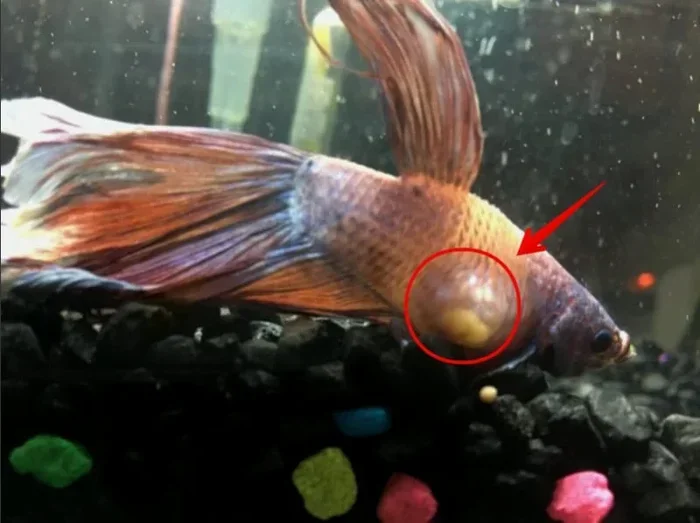
However, some rocks pose risks. Sharp gravel can damage fins. Jagged stones can scratch scales. You should always run your hand over any rock before adding it. If it feels rough to you, it will hurt your fish. Also, some rocks change water chemistry. Limestone raises pH levels. This might not suit your betta’s needs.
Benefits Of Using Stones
Rocks offer several advantages for your setup:
- Stability: Heavy stones do not shift during water changes.
- Hiding Spots: Caves reduce stress for shy fish.
- Low Maintenance: Stones do not compact like sand does.
- Natural Look: Rockscapes mimic riverbeds and streams.
Many owners find rocks easy to manage. You can vacuum around them easily. Waste does not sink deep into the gaps. This makes cleaning faster. You also do not need to worry about sand clouding the water. If you want a simple setup, stones work well.
Risks To Watch For
You must avoid certain problems with rocks. Small gravel can trap food particles. This creates ammonia spikes over time. Large gaps between stones can also trap debris. You need to clean these areas often. Additionally, heavy rocks can crack glass if dropped. Always place them gently on the bottom.
Some owners wonder do betta fish lay on rocks when they rest. Bettas often rest on the bottom or near surfaces. Smooth rocks provide a comfortable place to pause. Just ensure the surface is flat and clean. Dirty rocks can harbor harmful bacteria. Regular scrubbing keeps them safe for your pet.
Do Betta Fish Like Sand For Substrate
Sand is another popular option for aquariums. It looks soft and natural. Many fish species love digging in sand. But you might wonder do betta fish like sand for their home. Bettas are not diggers like some other fish. They usually stay near the top or middle of the tank. Still, sand has benefits worth considering.
Fine sand is very smooth. It will not scratch your betta’s fins. This is a big plus for long-finned varieties. The soft texture feels gentle against their body. Sand also looks beautiful under aquarium lights. It reflects light nicely and creates a calm vibe.
There are some downsides to sand though. It can compact over time. This makes it hard for water to flow through. Trapped waste can rot underneath the surface. You need to stir the sand gently during cleaning. This prevents bad buildup. Sand also clouds the water if you disturb it too much.
Pros Of Choosing Sand
Sand offers unique advantages for your tank:
- Soft Texture: Safe for delicate fins and scales.
- Natural Appearance: Mimics river bottoms and lake beds.
- Plant Friendly: Roots can grow deep into sand layers.
- Easy On Fins: Reduces risk of tearing during swimming.
If you plan to keep live plants, sand works well. Plants can anchor into the soft grains. You can also mix sand with soil for better growth. Many planted tank owners prefer sand for this reason. It creates a stable base for roots to spread.
Cons To Consider
You should know the drawbacks before buying sand. It requires more care during water changes. You cannot vacuum as deeply as with gravel. You must be gentle to avoid stirring up dust. Sand also shows waste more clearly on the surface. Poop and food sit on top instead of sinking into gaps. This means you need to spot clean more often.
Some owners ask do betta fish eat sand by mistake. Bettas do not eat substrate intentionally. But they might swallow a grain while hunting for food. This usually passes without harm. Still, you should avoid very fine dust that can clog their system. Rinse your sand well before adding it to the tank.
Comparing Rocks Versus Sand For Bettas
Now let us look at both options side by side. This helps you decide what fits your situation. You want the best for your pet. You also want a tank that is easy to maintain. Here is a quick comparison to guide you.
| Feature | Rocks / Gravel | Sand |
|---|---|---|
| Texture | Varies from smooth to rough | Consistently soft and fine |
| Cleaning | Easy to vacuum deep | Needs gentle surface cleaning |
| Fin Safety | Depends on stone sharpness | Very safe for long fins |
| Debris Trap | Can trap waste in gaps | Waste sits on surface |
| Plant Growth | Harder for roots to anchor | Good for root growth |
| Maintenance | Lower daily effort | More careful cleaning needed |
This table shows clear differences. Rocks work well for simple tanks. Sand works well for planted tanks. Your choice depends on your goals. If you want easy cleaning, rocks may win. If you want soft safety, sand may win. You can also mix both for a custom look.
Mixing Both Options
You do not have to pick just one. Many owners use a blend of stones and sand. You can place sand in some areas and rocks in others. This creates visual interest. It also gives your betta different textures to explore. Just make sure the transition looks natural. Avoid sharp edges where the two meet.
A mixed substrate can also help with cleaning. You can vacuum the sandy parts gently. You can deep clean the rocky parts more aggressively. This gives you flexibility during maintenance. Your tank stays healthier with less effort.
Best Practices For Substrate Setup
Setting up your substrate the right way matters. You cannot just dump it in and hope for the best. Proper preparation keeps your water clean. It also keeps your betta safe from day one. Follow these steps for a smooth setup.
First, rinse your substrate thoroughly. Dust and dirt come with every bag. This dust clouds your water quickly. It can also irritate your fish’s gills. Rinse until the water runs clear. This takes time but pays off later.
Second, add the substrate in layers if needed. You can put soil down first for plants. Then add sand or rocks on top. This keeps the dirt from clouding the water. It also gives plants the nutrients they need. Your betta gets a clean top layer to swim over.
Cleaning Tips For Long Term Health
Regular cleaning keeps your substrate healthy. Here are some tips to follow:
- Vacuum Weekly: Remove waste from the surface and gaps.
- Stir Sand Gently: Prevent compaction with light mixing.
- Check Water Parameters: Test for ammonia and nitrate levels.
- Replace Debris: Remove dead leaves or uneaten food quickly.
- Monitor pH: Ensure rocks are not changing your water chemistry.
Water changes are also important. You should change about twenty-five percent of the water each week. This removes dissolved waste. It also refreshes oxygen levels. Your betta will thank you for the clean environment. Clean water means a longer, happier life.
Plant Considerations
If you want live plants, choose your substrate carefully. Some plants need rich soil to grow. Others can root in sand or gravel. Java fern and anubias do well on rocks. They attach to surfaces instead of rooting down. This is perfect for a rock-based tank. Stem plants need more nutrients in the bottom layer.
Plants help your tank in many ways. They absorb waste products. They produce oxygen during the day. They also give your betta places to hide. A tank with plants feels more natural. Your fish will show brighter colors in a green setup. Just match the plant to your substrate choice.
Common Mistakes To Avoid
New owners often make similar errors with substrate. Avoiding these mistakes saves you time and money. It also keeps your betta safe from harm. Here are the most common issues to watch for.
One big mistake is using sharp gravel. You might find cheap bags at the store. These often have jagged edges. They can cut your fish’s fins. Always inspect each piece before adding it. Smooth stones are worth the extra cost.
Another mistake is skipping the rinse step. Dust from new substrate pollutes your water. This causes cloudy tanks and stressed fish. Take the time to wash everything first. Your future self will appreciate the clean start.
Pitfalls With Rocks
Rocks have their own set of risks. Some types leach minerals into the water. This changes pH and hardness levels. Bettas prefer stable conditions. Sudden changes can make them sick. Test your water after adding new stones. Make sure the chemistry stays in range.
Also, avoid stacking rocks too high. They can topple over during cleaning. A falling rock can crack your glass. It can also crush your fish. Build stable structures that will not shift. Use aquarium-safe glue if you need permanence.
Pitfalls With Sand
Sand can cause problems if ignored. Compaction leads to anaerobic pockets. These pockets produce harmful gases. They can bubble up and hurt your fish. Stir your sand every few weeks. This keeps air flowing through the grains. It prevents dangerous buildup underneath.
Sand also makes it hard to use certain filters. Undergravel filters do not work well with sand. The fine grains clog the plates. Choose a filter that fits your substrate type. A hang-on-back filter works for most setups. Make sure your equipment matches your choice.
Expert Insights On Betta Substrate
Experienced keepers have learned a lot over the years. They suggest focusing on your fish’s behavior. Watch how your betta interacts with the bottom. If they seem stressed, change might be needed. If they swim comfortably, you have made a good choice.
Many experts recommend smooth gravel for beginners. It is forgiving and easy to clean. You can learn the basics without too much trouble. Once you feel confident, you can try sand. Sand offers a more natural look but needs more care.
Another tip is to match your substrate to your tank size. Small tanks need less substrate depth. Large tanks can handle thicker layers. Too much substrate traps more waste. Too little leaves nowhere for plants to root. Find a balance that suits your setup.
Quick Tips For Success
Here are some fast tips to remember:
- Choose Smooth Materials: Protect fins from scratches.
- Rinse Everything: Keep water clear from day one.
- Test Water Chemistry: Ensure rocks do not alter pH.
- Stir Sand Regularly: Prevent compaction and gas pockets.
- Watch Your Fish: Adjust if you see stress signs.
These simple steps make a big difference. They help you avoid common problems. They also keep your betta healthy and active. A little planning goes a long way in fish keeping.
Key Takeaways For Your Decision
Let us recap the most important points. Choosing between stones and sand depends on your priorities. Both can work well when used correctly. Your betta’s safety should guide your choice. Clean water and smooth surfaces matter most.
Rocks offer easy cleaning and stable structures. They work well for simple tanks with hardy plants. Sand offers softness and natural beauty. It suits planted tanks and delicate fins. You can even mix both for a custom effect.
Remember to rinse your substrate before use. Test your water after adding new materials. Clean regularly to prevent waste buildup. Watch your fish for signs of discomfort. With care, your tank will be a great home.
Conclusion
Deciding do betta fish like rocks or sand is not hard once you know the facts. Both options have clear benefits and some drawbacks. Smooth rocks protect fins and simplify cleaning. Fine sand feels gentle and looks natural. Your best choice depends on your tank goals and your cleaning habits.
Focus on safety first. Avoid sharp edges and rough textures. Keep your water clean with regular maintenance. Match your substrate to your plants and filter setup. Your betta will thrive in a well-planned environment. Take your time to choose wisely. Your fish will reward you with bright colors and active swimming.
You now have the knowledge to make a smart decision. Trust your instincts and watch your pet’s behavior. A happy betta makes all the effort worthwhile. Enjoy your beautiful aquarium and the joy it brings.
Frequently Asked Questions
Do betta fish prefer sand or gravel?
Most bettas do well with either option as long as the material is smooth. Sand is softer for delicate fins while smooth gravel is easier to clean. Your choice depends on your tank goals and maintenance style.
Can betta fish live in a tank with rocks?
Yes, bettas can live happily with rocks if the stones are smooth and safe. Avoid sharp edges that could tear their fins. Smooth river rocks work well for creating hiding spots and caves.
Is sand better than rocks for betta fish?
Sand is softer and safer for long fins but requires more careful cleaning. Rocks are easier to vacuum but can trap debris in gaps. Neither is perfect for every setup, so choose based on your needs.
Do betta fish eat sand by accident?
Bettas do not eat substrate on purpose but may swallow a grain while hunting food. This usually passes without harm if the sand is clean. Rinse your sand well to remove dust before adding it to the tank.
How deep should substrate be for a betta tank?
A depth of one to two inches works well for most betta tanks. This is enough for plants to root and for beneficial bacteria to grow. Too much substrate can trap more waste and require extra cleaning.
What substrate is safest for betta fins?
Fine sand and smooth river rocks are the safest choices for betta fins. Avoid sharp gravel or jagged stones that can cause tears. Always run your hand over the material to check for rough spots.