Which Is Better Fish Oil or Cod Liver
For Betta fish, neither standard fish oil nor cod liver oil is an ideal primary supplement. Cod liver oil carries a severe risk of deadly vitamin A toxicity for Bettas due to their unique sensitivity. While high-quality fish oil offers beneficial omega-3s, it’s often unnecessary if you feed a proper Betta diet. The best approach is to use specialized Betta foods and occasional high-protein treats like frozen brine shrimp.
So, you’ve heard about the benefits of fish oil and cod liver oil for health. Maybe you take them yourself. It’s a natural leap to wonder: can this help my beautiful Betta fish? Should I be adding a drop of fish oil or cod liver to their tank? It’s a great question that gets to the heart of proper Betta nutrition. But here’s the crucial twist: the conversation about these supplements for humans doesn’t translate directly to Betta fish. In fact, one of them—cod liver oil—can be actively dangerous. Let’s dive deep into the specifics of which is better fish oil or cod liver for your Betta, separating the myth from the aquatic reality.
First, a quick reality check. The average Betta fish lives in a tiny bowl of water, maybe a gallon or two. Its entire world is that water. Its metabolism, its sensitivity, and its dietary needs are incredibly precise. What might be a harmless, health-boosting drop for a 150-pound human is an uncontrolled chemical dump into a micro-ecosystem for a three-inch fish. Our goal isn’t to give them a “supplement” like a person; it’s to provide a complete, balanced diet within their very small world. With that mindset, let’s break down the two contenders.
Key Takeaways
- Cod Liver Oil is Dangerous for Bettas: Its extremely high vitamin A content can cause fatal hypervitaminosis A in Betta fish, making it unsuitable for their diet.
- Fish Oil is Safer but Often Redundant: Pure fish oil provides omega-3s without the vitamin A risk, but a complete Betta pellet diet typically already contains sufficient healthy fats.
- Bettas are Carnivores, Not Fat-Lovers: Their natural diet is protein-rich insects and larvae. They require dietary protein far more than added oils.
- Focus on Complete Betta-Specific Foods: The single best thing you can do is feed high-quality pellets formulated specifically for Betta splendens.
- Treats Over Supplements: For boosting health, use safe, protein-rich treats like daphnia, frozen bloodworms, or brine shrimp instead of liquid oils.
- Never Use Human Supplements Directly: Dosages and formulations are for humans, not fish. Even a drop can overdose a Betta’s tiny system.
- Water Quality is Paramount: Any uneaten supplement fouls the water rapidly, harming your Betta more than any potential benefit.
📑 Table of Contents
- The Core Difference: What’s Actually Inside?
- The Betta-Sized Problem: Vitamin A Toxicity
- The Omega-3 Question: Does My Betta Need More?
- The Practical Reality: What “Better” Means for Your Tank
- The Winning Strategy: Proper Betta Nutrition
- Conclusion: The Clear Winner in the “Fish Oil or Cod Liver” Debate
The Core Difference: What’s Actually Inside?
At a fundamental level, both fish oil and cod liver oil come from fish, but they are derived from different parts and have profoundly different nutritional profiles. Understanding this is step one in answering which is better fish oil or cod liver for Bettas.
Fish Oil: The Omega-3 Powerhouse
Standard fish oil is produced from the whole bodies of various oily fish (like sardines, anchovies, mackerel). The oil is extracted from the flesh and tissues. Its primary claim to fame is its exceptionally high concentration of omega-3 fatty acids, specifically EPA (eicosapentaenoic acid) and DHA (docosahexaenoic acid). These are essential fats that support cell membrane integrity, reduce inflammation, and are crucial for brain and eye health. High-quality, purified fish oil contains minimal other vitamins or minerals. It’s a relatively “simple” product focused on delivering those specific fatty acids.
Cod Liver Oil: The Vitamin Duo (and Danger)
Cod liver oil, as the name suggests, is produced specifically from the livers of cod fish. The liver is an organ that stores vitamins, and cod liver is famous for being packed with two fat-soluble vitamins: Vitamin A and Vitamin D. While these are vital nutrients, their concentration in cod liver oil is astronomically high. A single teaspoon of cod liver oil can contain several times the recommended daily intake of vitamin A for an adult human. This is the critical, non-negotiable difference. When you consider fish oil or cod liver for a Betta, you must immediately recognize that cod liver oil is not just an oil; it’s a mega-dose of vitamins A and D in a fatty base.
The Betta-Sized Problem: Vitamin A Toxicity
This is the most important section in this entire discussion. If you remember nothing else, remember this: cod liver oil is potentially lethal to Betta fish. The reason is a condition called hypervitaminosis A, or vitamin A toxicity.
Visual guide about Which Is Better Fish Oil or Cod Liver
Image source: shop.equinox.com
Why Bettas Are Ultra-Sensitive
Fish, in general, are more sensitive to vitamin A overdoses than mammals. Their bodies process and store it differently. But Bettas, with their small size and delicate systems, are at an even greater risk. Vitamin A is fat-soluble, meaning it accumulates in the body’s tissues rather than being excreted in urine like water-soluble vitamins. A single dose of cod liver oil can introduce a toxic amount of vitamin A into a Betta’s system, and because it’s stored, the damage compounds over time.
The Symptoms and Outcome
Vitamin A toxicity in fish manifests in several ways, all of which are serious:
- Swollen, bleeding eyes (exophthalmia or “pop-eye”).
- Skin lesions, ulcers, and hemorrhaging under the skin and fins.
- Loss of appetite and lethargy.
- Abnormal bone growth and deformities.
- Damage to internal organs, particularly the liver and kidneys.
Once these symptoms appear, recovery is difficult and often impossible. The damage is internal and progressive. For a Betta keeper, seeing your fish with swollen, bleeding eyes is a heartbreaking and frequently fatal sign of a severe nutritional mistake. There is no safe “dose” of cod liver oil for a Betta. The margin between “some” and “toxic” is microscopically small and impossible to measure with household tools. Therefore, the answer to which is better fish oil or cod liver for a Betta is unequivocally: neither, but cod liver is actively dangerous.
The Omega-3 Question: Does My Betta Need More?
Okay, so we’ve established cod liver oil is off the table. What about pure fish oil? It provides the sought-after omega-3s, EPA and DHA. But does your Betta actually need a supplement of them?
Visual guide about Which Is Better Fish Oil or Cod Liver
Image source: a-z-animals.com
Analyzing a Betta’s Natural Diet
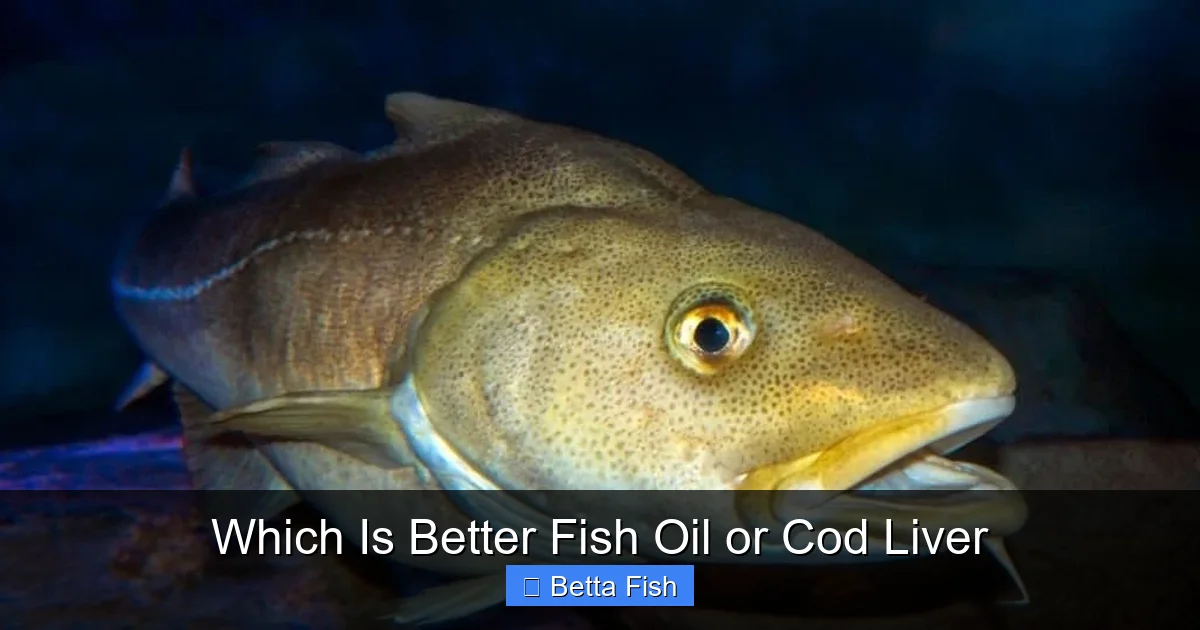
In the wild, Betta splendens are insectivores and micropredators. They eat mosquito larvae, small crustaceans, insects that fall on the water’s surface, and zooplankton. What is the fatty profile of these foods? They are relatively lean, protein-packed meals. They are not fatty, oily fish. The omega-3 content in their natural prey comes from the prey’s own diet of algae and microorganisms, but it’s not in the concentrated amounts found in a fish oil capsule. Their evolutionary diet is one of high protein, moderate fat (from their prey), and very low carbohydrate.
Do Commercial Betta Pellets Have Enough?
This is the key. Reputable, high-quality Betta pellets are formulated by aquaculture nutritionists to be a complete diet. They contain a balanced mix of protein (often 40%+ from fish meal, shrimp meal, or krill), fats, vitamins, and minerals. The fat source in these pellets is typically a stable, integrated oil (like fish oil or herring oil) that provides the necessary omega-3s at a safe, controlled level. If you are feeding a premium Betta pellet as the staple of your fish’s diet (2-3 pellets once or twice daily, all eaten within 2 minutes), you are almost certainly already providing sufficient omega-3 fatty acids. Adding a liquid fish oil supplement on top of this is, at best, redundant and, at worst, risks overdosing fat-soluble vitamins if the oil isn’t pure, and will dirties the water.
The Practical Reality: What “Better” Means for Your Tank
Let’s translate all this science into tank-side practice. When we ask which is better fish oil or cod liver for a Betta, we have to evaluate them on safety, practicality, and actual need.
Visual guide about Which Is Better Fish Oil or Cod Liver
Image source: i.pinimg.com
Fish Oil: The “Less Bad” Option with Major Caveats
If you were to choose one, a high-quality, molecularly distilled, pure fish oil (from a reputable human supplement brand, even) is technically safer for a Betta than cod liver oil because it lacks the toxic vitamin A. However, it comes with a host of practical problems:
- Dosage Impossibility: How do you dose a fraction of a drop for a 1.5-inch fish? You can’t. You will either overdose (risking vitamin D issues from the oil’s natural content, or just excess fat) or underdose (making it pointless).
- Water Quality Nightmare: Fish oil is, by definition, oil. It will not dissolve in water. It will create a slick on the surface, coat the Betta’s gills (making it hard for them to breathe), and degrade water quality rapidly as it breaks down. This causes more harm than any theoretical benefit.
- Palatability: Bettas are notoriously picky. They may refuse food coated in a strange oil.
- Cost and Waste: You’d be using an expensive human supplement for a tiny fraction of a drop, most of which ends up polluting the water.
Cod Liver Oil: The Unambiguous “No”
For the reasons detailed in the toxicity section, cod liver oil is a non-starter. The risk of causing slow, painful, and fatal vitamin A poisoning is far, far greater than any speculative benefit from its vitamin D or omega-3 content. There is no scenario where adding cod liver oil to a Betta’s diet is a good idea. The answer to “which is better” in this specific matchup is clear: fish oil is “less worse,” but both are poor choices.
The Winning Strategy: Proper Betta Nutrition
So, if not these oils, what should you do? The best “supplement” for a Betta is a foundation of excellent, appropriate food. This is where you should direct your effort and budget.
1. Invest in High-Quality Betta Pellets
This is your single most important action. Look for pellets where the first few ingredients are specific fish or seafood meals (e.g., “fish meal,” “salmon meal,” “shrimp meal,” “krill meal”). Avoid pellets with wheat flour, soy, or generic “fish” as the first ingredient. Brands like Hikari Betta Bio-Gold, New Life Spectrum Betta, and Fluval Bug Bites Betta Formula are excellent examples. These provide complete, balanced nutrition.
2. Use Frozen or Live Foods as “Supplements”
This is the safe, natural, and effective way to “boost” your Betta’s diet. Think of these as the true equivalents of a supplement:
- Frozen Brine Shrimp (Saltwater): A Betta favorite. They are rich in protein, carotenoids (for color), and natural fats. Thaw a tiny piece and offer it once or twice a week.
- Frozen Bloodworms: Another high-protein, beloved treat. Use sparingly (once a week) as they are rich and can cause constipation if overfed.
- Daphnia: The ultimate gut cleanser and natural food. High in protein and carotenoids, and their hard shells provide gentle fiber. Ideal for occasional feeding.
- Microworms or Vinegar Eels: Excellent live foods for fry and small Bettas, mimicking their natural planktonic diet.
These foods provide the variety, protein, and natural nutrients (including omega-3s from their own diet) that a Betta craves, without the risks of concentrated, isolated oils.
3. The Occasional “Fat” Boost (If You Must)
If you are desperate to add a fatty acid boost for a Betta with specific fin rot or breeding issues (and after consulting a specialist), there is a safer natural food option: a tiny, tiny piece of fresh, raw salmon or tuna. A cube smaller than a pea, blanched briefly, can be offered once. The fat is bound in a whole-food matrix and comes with other nutrients. But this is a treat, not a routine. It’s still a risk for water quality. The frozen foods listed above are superior and safer.
Conclusion: The Clear Winner in the “Fish Oil or Cod Liver” Debate
When it comes to your Betta fish, the question “which is better, fish oil or cod liver?” is the wrong question to be asking. It’s like asking whether you should give your cat a shot of espresso or a energy drink. The premise is flawed. Your Betta does not need a concentrated fish oil supplement.
The verdict is clear: Cod liver oil is dangerous and must never be used. It poses an unacceptable risk of fatal vitamin A toxicity. Pure fish oil, while free of that specific risk, is still an impractical, water-polluting, and unnecessary supplement for a fish being fed a proper diet. The overwhelming “better” choice is to use neither.
Focus your energy on what truly matters: feeding a high-quality, Betta-specific pellet as the staple of their diet. Supplement this with safe, protein-rich frozen foods like brine shrimp, bloodworms, and daphnia 1-2 times per week. This provides all the essential fatty acids, proteins, vitamins, and minerals your Betta needs to thrive, with zero risk of toxicity and minimal impact on your precious water parameters. Your Betta’s vibrant colors, flowing fins, and active personality are best supported by a natural, varied, and appropriate diet—not by human-focused supplements dropped into their tiny world. Stick to the foods designed for them, and you’ll have a healthier, happier fish.
Frequently Asked Questions
Can I put a tiny drop of fish oil in my Betta’s tank?
No. Even a tiny drop will create an oily film on the water surface, which can coat your Betta’s gills and impair breathing. It will also degrade water quality rapidly. The risks to water quality and your fish’s respiration far outweigh any unproven benefits.
Is there any amount of cod liver oil that is safe for a Betta?
No. There is no safe dosage. Cod liver oil contains such extremely high levels of vitamin A that even a microscopic amount can be toxic to a Betta due to their small size and sensitivity. It should never be used.
My Betta has torn fins, will fish oil help them heal?
Not directly. Fin healing is primarily supported by pristine water quality (to prevent infection) and a protein-rich diet. Focus on high-quality pellets and frozen foods like daphnia, which are excellent for overall health. Adding oil to the water will only foul it and likely slow healing.
Are omega-3s important for Betta fish?
Yes, omega-3 fatty acids (EPA/DHA) are essential nutrients for all fish, including Bettas, supporting cell function and immunity. However, they should come from a complete, formulated Betta pellet or from natural whole foods like brine shrimp and krill, not from liquid supplements.
What is the single best thing I can feed my Betta for health?
A high-quality pellet formulated specifically for Betta splendens. Look for one with fish or shrimp meal as the primary ingredient. Use this as 90% of their diet. The remaining 10% should be a variety of frozen or live foods like daphnia, brine shrimp, or bloodworms.
Can I use the same fish oil I take for my health?
Technically you could, but you absolutely should not. The dosage is impossible to measure accurately for a Betta, it will ruin your tank’s water quality, and it provides no benefit over a proper Betta diet. It is an expensive and harmful way to “supplement” your fish.