Can Any Fish Eat Betta Food

Betta food is formulated for a specific diet, but not every fish can digest it safely. This article explains which fish can share betta pellets, which should avoid them, and how to feed mixed‑species tanks without compromising health. Read on for practical tips, common mistakes, and expert recommendations.
Key Takeaways
- Size matters: Only small, surface‑feeding fish can physically eat betta pellets without choking.
- Nutrient balance: Betta food is high‑protein and low‑fiber, suitable for carnivorous species but not for herbivores or omnivores that need more plant matter.
- Water quality impact: Uneaten betta flakes can pollute the tank quickly, so feed only what can be consumed in 2‑3 minutes.
- Compatibility check: Aggressive or large fish may nip or steal betta food, leading to stress for the betta.
- Alternative options: For community tanks, consider blended foods or species‑specific diets to meet all nutritional needs.
- Trial feeding: Introduce betta food slowly and watch for signs of digestive upset before making it a staple.
- Internal resources: Our guide on Can A Betta Fish Eat Goldfish Food and the article about Can You Feed Betta Food To Other Fish provide deeper insight into cross‑feeding.
📑 Table of Contents
Introduction: Why the Question Matters
Betta fish (Betta splendens) are popular for their vibrant colors and easy care, but their tiny mouths and unique dietary needs often raise a simple yet important question: can any fish eat betta food? Many hobbyists keep bettas with other community fish and wonder if sharing food will save time and money. The answer isn’t a straight “yes” or “no.” It depends on the other fish’s size, feeding habits, and digestive system.
In this guide we’ll break down the science behind betta pellets, list the fish that can safely enjoy them, and show you how to avoid common pitfalls. By the end, you’ll know exactly which tank mates can share a meal with your betta and how to keep the water clean and the fish healthy.
What Is Inside Betta Food?
Protein‑rich formulation
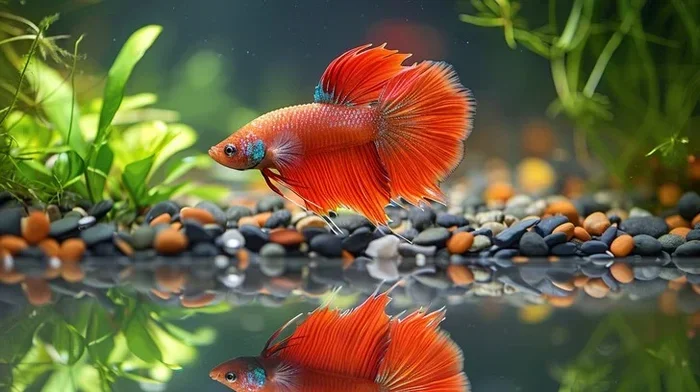
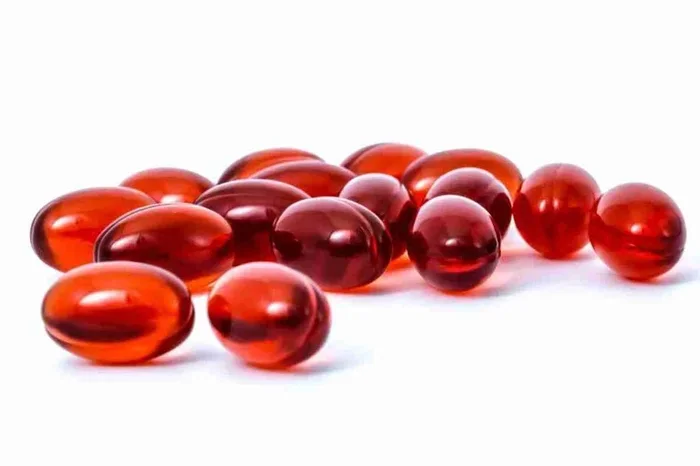
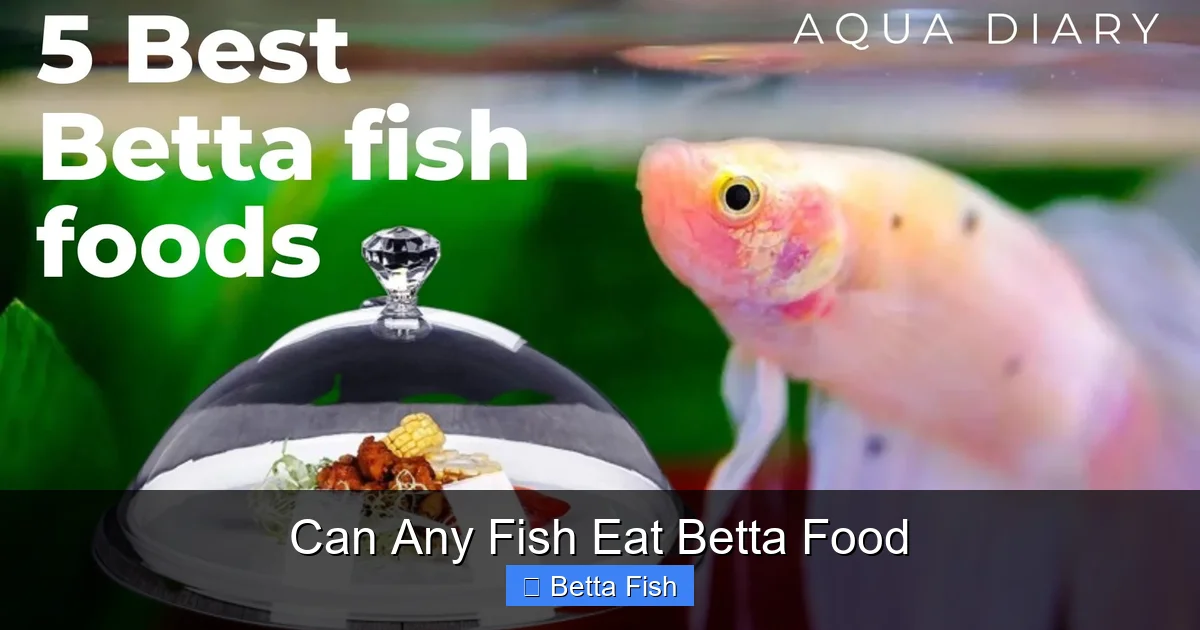
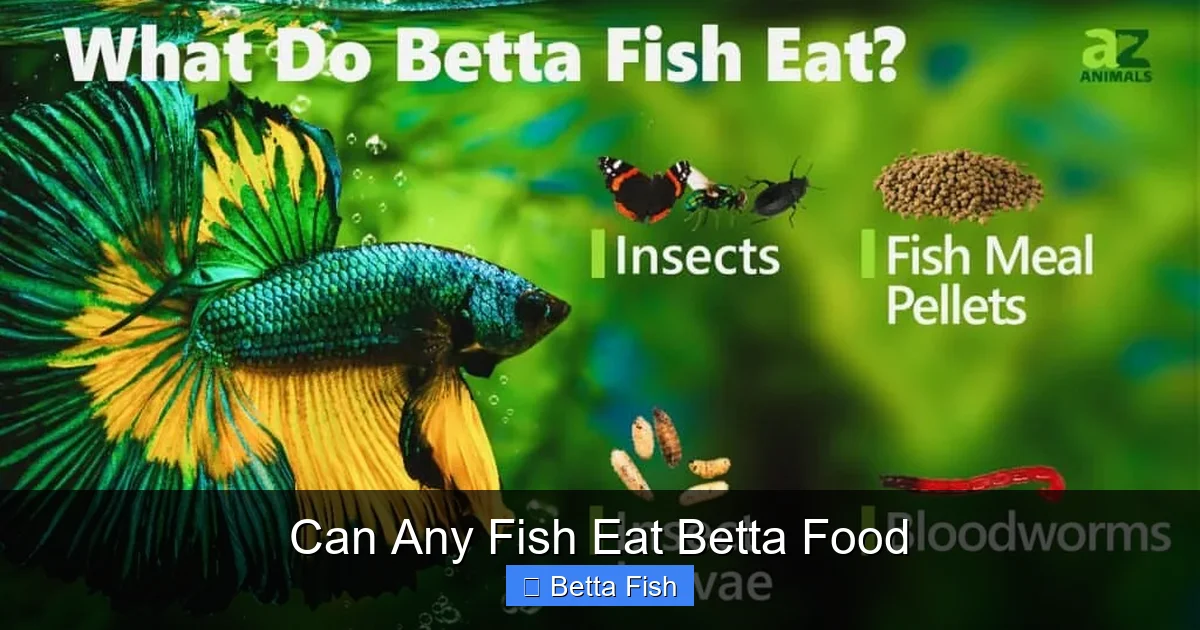
Betta food is designed for a carnivorous diet. Most commercial pellets contain 30‑45% animal protein from sources like fish meal, shrimp meal, and krill. This high protein level supports the betta’s active hunting behavior and bright coloration.
Visual guide about Can Any Fish Eat Betta Food
Image source: tamilaquadiary.com
Low fiber and minimal plant matter
Unlike goldfish or herbivorous tropical fish, bettas don’t need a lot of plant fiber. Their natural diet in the wild consists of insects, larvae, and tiny crustaceans, so betta flakes are low in vegetable content.
Size and sinking rate
Betta pellets are small (about 2‑3 mm) and typically float or sink slowly. This makes them ideal for surface feeders but can be problematic for bottom‑dwelling fish that might never see the food.
Which Fish Can Safely Eat Betta Food?
Small, surface‑feeding species
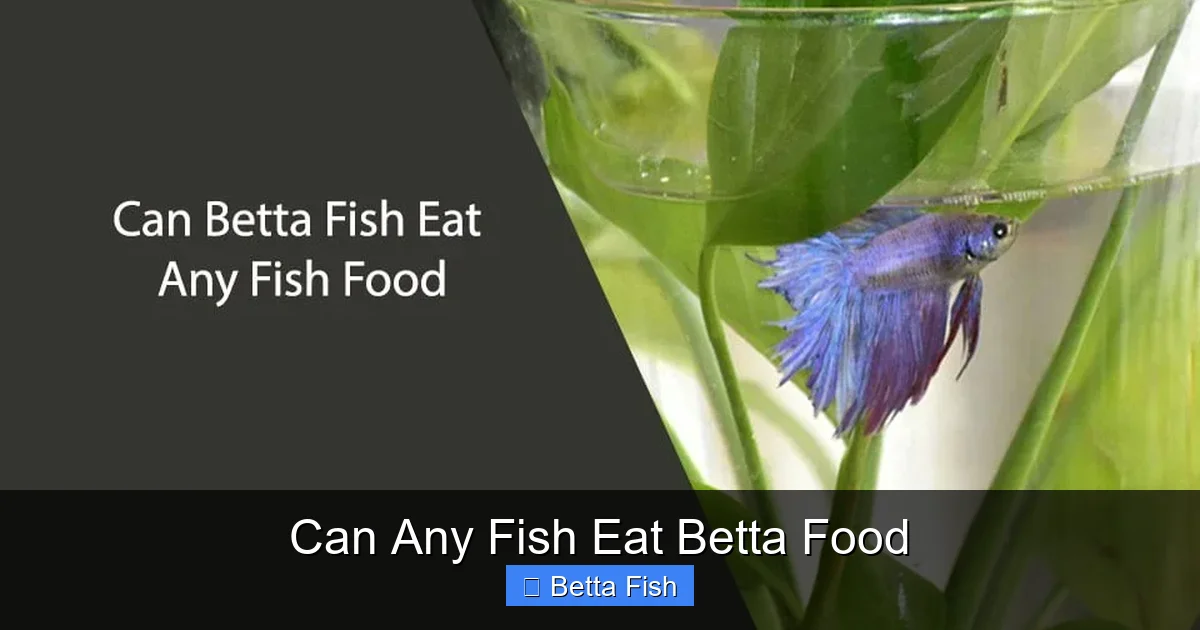
If a fish lives near the water surface and has a mouth small enough to pick up betta pellets, it’s a good candidate. Examples include:
Visual guide about Can Any Fish Eat Betta Food
Image source: efindanything.com
- Guppies: Their tiny mouths and omnivorous diet make occasional betta flakes acceptable.
- Endler’s livebearers: Similar to guppies, they can nibble floating pellets without issue.
- Neon tetras (in very small groups): While primarily mid‑water feeders, they will take floating food if presented.
These fish benefit from the extra protein, but you should still provide a balanced diet that includes plant‑based foods.
Other carnivorous micro‑fish
Species that hunt small prey in the upper water column also handle betta food well:
- Betta fry: Young bettas thrive on the same pellets as adults.
- Killifish: Many killifish are surface feeders and will accept betta flakes.
- Some dwarf gouramis: While larger than bettas, certain dwarf gouramis will eat floating pellets if they’re the right size.
Important internal link example
For a deeper look at a specific cross‑feeding scenario, see our article on Can You Feed Betta Food To Other Fish, which discusses feeding betta pellets to small community fish in detail.
Fish That Should Not Eat Betta Food
Large or aggressive species
Big, territorial fish such as angelfish, large gouramis, or cichlids may try to steal betta food, stressing the betta and potentially injuring the predator with the high‑protein diet it’s not adapted to.
Visual guide about Can Any Fish Eat Betta Food
Image source: a-z-animals.com
Herbivores and heavy plant eaters
Goldfish, koi, and many algae eaters require a diet high in fiber and plant matter. Feeding them betta pellets can cause constipation, poor growth, and cloudy water. Check out Can A Goldfish Eat Betta Fish Food for a full explanation.
Bottom‑dwelling feeders
Catfish, loaches, and many Corydoras species spend most of their time at the tank bottom. Since betta food often floats, these fish may go hungry while the betta over‑eats.
How to Feed Mixed Tanks Safely
Separate feeding zones
Use a feeding ring or a floating feeding cup to keep betta food in one area. This lets surface‑feeders get their share without contaminating the rest of the tank.
Timing and portion control
Offer only as much as can be eaten in 2‑3 minutes. Remove any leftover pellets to prevent water quality issues. Over‑feeding is a common cause of ammonia spikes.
Supplement with species‑specific foods
Even if a fish can eat betta food, it shouldn’t be the sole diet. Provide a mix of high‑quality flake, micro‑pellet, and occasional live or frozen foods tailored to each species.
Monitor health and behavior
Watch for signs of digestive upset: bloating, lethargy, or unusual feces. If any fish shows these symptoms, discontinue betta food and revert to a more appropriate diet.
Practical Tips for Beginners
- Start with a test batch: Feed a few pellets to a single fish and observe for 24‑48 hours.
- Use a clear glass feeder: This helps you see exactly how much each fish consumes.
- Maintain water parameters: Keep ammonia below 0.25 ppm and nitrates under 20 ppm to reduce stress.
- Rotate foods: Alternate betta pellets with other high‑protein treats like daphnia or brine shrimp.
- Keep the tank clean: Regular water changes (20‑30% weekly) prevent leftover food from degrading water quality.
Conclusion: The Bottom Line on “Can Any Fish Eat Betta Food?”
In short, not every fish can safely eat betta food. Small, surface‑feeding, carnivorous species can share the meal with a betta, while larger, herbivorous, or bottom‑dwelling fish should stick to their own diets. By understanding the nutritional makeup of betta pellets and respecting each species’ natural feeding habits, you can create a harmonious community tank that thrives on variety and proper nutrition.
Remember to monitor water quality, feed in moderation, and always have a backup diet ready. With these practices, you’ll keep your betta happy and your tank mates healthy.
Frequently Asked Questions
Can goldfish eat betta food?
Goldfish have a herbivorous diet that requires more fiber than betta pellets provide. Feeding them betta food can cause constipation and water quality problems.
Is it safe to feed betta food to guppies?
Yes, guppies are small omnivores that can eat betta flakes occasionally, but they still need vegetable matter in their regular diet.
How often should I feed betta food in a community tank?
Offer a small portion once or twice a day, ensuring all fish can eat it within a few minutes. Remove leftovers promptly.
Will betta food cause water cloudiness?
Uneaten betta pellets decompose quickly, raising ammonia and making the water cloudy. Feed only what can be consumed.
Can I feed live food instead of betta pellets?
Live foods like daphnia or brine shrimp are excellent protein sources and can be used as a supplement or occasional replacement for betta pellets.
Do betta pellets work for tropical fish other than bettas?
Some small tropical fish, especially surface feeders, can handle betta pellets, but they should not be the sole diet for species that need more plant-based nutrition.