How to Care for a Betta Fish 101

Betta fish are stunning, low‑maintenance pets, but they still need proper care to thrive. This guide walks you through everything from choosing the right tank to feeding, water quality, and spotting health issues, so your betta lives a vibrant, long life. Follow these simple steps and enjoy a happy, healthy betta every day.
Key Takeaways
- Tank size matters: A minimum of 5 gallons provides space and stable water parameters.
- Water quality is king: Regular water changes and proper cycling prevent disease.
- Balanced diet: High‑quality pellets plus occasional treats keep colors bright.
- Temperature control: Keep the water between 76‑80 °F (24‑27 °C) for optimal health.
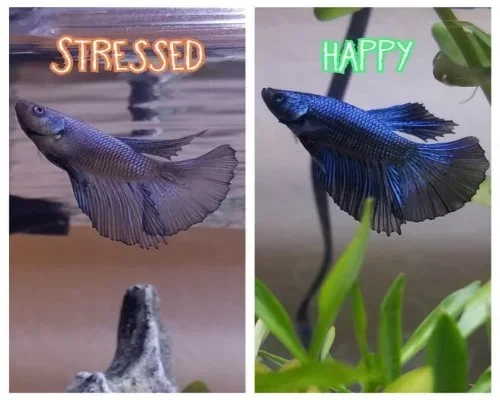
- Watch for stress signs: Faded fins, loss of appetite, or unusual swimming indicate problems.
- Enrichment matters: Plants, caves, and gentle flow give your betta mental stimulation.
- Routine maintenance: Weekly checks and monthly deep cleans extend your fish’s lifespan.
📑 Table of Contents
Introduction: Why Betta Care Deserves a 101 Guide
If you’ve ever marveled at the vivid colors of a betta fish, you know they look like living jewels. Their flowing fins and bold personalities make them a favorite for beginners, yet many owners underestimate the basics of proper care. A common misconception is that a tiny bowl is enough—today we’ll bust that myth and show you how to give your betta a thriving home.
Think of caring for a betta like looking after a small, aquatic companion. With the right tank, clean water, proper temperature, and a balanced diet, your betta can live 3‑5 years, sometimes even longer. Let’s dive into the essentials, step by step, so you feel confident from day one.
1. Choosing the Right Home for Your Betta
Tank Size and Shape
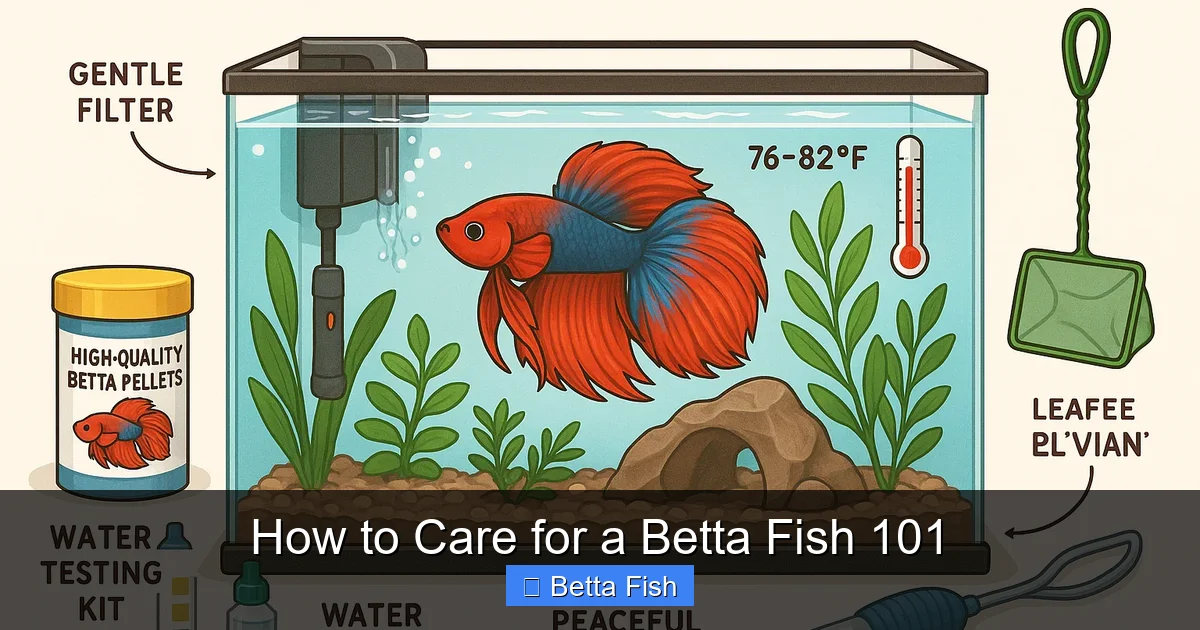
The first decision is the container. While many people start with a 2‑liter bowl, experts agree a minimum of 5 gallons (about 19 liters) is ideal. A larger volume dilutes waste, stabilizes temperature, and gives your betta room to explore.

Visual guide about How to Care for a Betta Fish 101
Image source: wikihow.com
Rectangular tanks work best because they provide a longer swimming area. If space is limited, a tall, narrow tank can still work, but be sure to add gentle flow and plenty of hiding spots.
Setting Up the Tank
Before adding water, rinse the glass, substrate, and decorations with warm water—no soap. Choose a fine‑gravel or sand substrate; it’s easy to clean and mimics natural riverbeds.
Next, add a water conditioner to remove chlorine and chloramines. Then, install a reliable heater (adjustable 50 W for 5‑gallon tanks) and a gentle filter. Betta fish prefer low flow, so opt for a sponge filter or a hang‑on‑back filter with a reduced flow setting.
For a step‑by‑step guide on tank setup, see How To Set Up A Tank For A Betta Fish.
Plants and Decorations
Live plants like Anubias, Java fern, or Marimo moss improve water quality and give your betta natural cover. If live plants aren’t an option, silk plants are a safe alternative—avoid plastic leaves that can tear delicate fins.
Include caves, driftwood, or PVC tubes for hiding. These enrichment items reduce stress and encourage natural behaviors such as exploring and “flaring.”
2. Mastering Water Quality
Understanding the Nitrogen Cycle
Fish produce waste that turns into ammonia, which is toxic. Beneficial bacteria convert ammonia to nitrite, then to nitrate—a process called cycling. Before introducing your betta, you must cycle the tank for 4‑6 weeks.

Visual guide about How to Care for a Betta Fish 101
Image source: bpic.588ku.com
Test kits for ammonia, nitrite, and nitrate are inexpensive and essential. Aim for 0 ppm ammonia, 0 ppm nitrite, and under 20 ppm nitrate.
Need a detailed walkthrough? Check out How To Cycle A Fish Tank For Betta for a complete timeline.
Regular Water Changes
Even a cycled tank accumulates nitrates and dissolved organics. Change 25‑30 % of the water weekly. Use a siphon to remove debris from the substrate, then replace with conditioned water matching the tank’s temperature.
For a quick reference on water changes, read How To Do A Water Change For Betta Fish.
Temperature and pH
Betta fish are tropical; keep the water between 76‑80 °F (24‑27 °C). A reliable heater with an adjustable thermostat is crucial. Use a digital aquarium thermometer to monitor daily.
Betta fish prefer a slightly acidic to neutral pH (6.5‑7.5). Test strips or a digital pH meter help you stay within range. Minor fluctuations are okay, but sudden shifts can stress your fish.
3. Feeding Your Betta Right
Choosing Quality Food
High‑protein pellets formulated for bettas are the staple. Look for products with at least 30‑40 % protein and no fillers. Feed 2‑3 pellets once or twice daily—only what they can eat in 2 minutes.
Visual guide about How to Care for a Betta Fish 101
Image source: aquarium-boutique.com
Supplement with occasional treats: frozen or live brine shrimp, daphnia, or a blanched pea (peeled) to aid digestion. These variety foods boost color and keep the gut healthy.
Feeding Schedule and Portion Control
Overfeeding leads to cloudy water and health issues like constipation and swim‑bladder disease. Stick to a consistent schedule; bettas thrive on routine.
If you’re away for a day or two, use an automatic feeder set to release a small amount. For longer trips, consider a trusted friend or a vacation tank with a secure lid.
Encouraging a Picky Eater
Some bettas are shy eaters. Warm the food slightly (to about 78 °F) to mimic live prey movement. You can also use a feeding tongs to gently present the pellet near the mouth.
For more tips on feeding, see How To Get A Betta Fish To Eat.
4. Keeping Your Betta Healthy
Spotting Common Illnesses
Early detection saves lives. Look for these warning signs:
- Fin rot: Frayed, white or brown edges on fins.
- Ich: Tiny white spots resembling grain of salt.
- Swim‑bladder issues: Trouble staying upright or floating.
- Lethargy or loss of appetite: May indicate stress or disease.
If you notice any of these, isolate the fish in a hospital tank and treat with appropriate medication—most are available at pet stores.
Preventive Care
Good water quality is the single biggest preventive measure. Maintain regular water changes, keep the tank clean, and avoid over‑crowding (betta should be solitary).
Quarantine new plants or decorations for a week before adding them, to prevent introducing parasites.
When to Call a Vet
Severe fin rot, prolonged loss of appetite, or sudden color fading may need professional help. Aquatic vets can prescribe antibiotics or specialized treatments.
5. Routine Maintenance Checklist
Weekly Tasks
- Test water parameters (ammonia, nitrite, nitrate, pH).
- Perform a 25‑30 % water change.
- Trim live plants and remove any dead leaves.
- Inspect the filter and rinse media in tank water (not tap water).
- Check heater temperature and adjust if needed.
Monthly Deep Clean
Once a month, move the betta to a temporary container, clean the tank glass, replace substrate if needed, and sterilize decorations with a mild bleach solution (1 % dilution) then rinse thoroughly.
For a detailed cleaning guide, see How To Clean A Betta Fish Tank For Beginners.
Seasonal Checks
During winter, verify that the heater is still functioning and that room temperature isn’t dropping too low. In summer, ensure the tank isn’t placed in direct sunlight to avoid algae blooms.
Conclusion: A Happy Betta Is Within Your Reach
Caring for a betta fish may seem simple, but mastering the fundamentals—proper tank size, stable water parameters, balanced diet, and regular maintenance—ensures a vibrant, long‑lived companion. By following this “Betta Care 101” guide, you’ll avoid common pitfalls and enjoy watching your fish flare its fins with confidence.
Remember, the best care starts with observation. Spend a few minutes each day watching your betta’s behavior, and you’ll quickly learn what makes it happiest. Happy fishkeeping!
Frequently Asked Questions
How often should I change the water in my betta’s tank?
Replace 25‑30 % of the water weekly. This keeps nitrate levels low and removes dissolved waste without shocking the fish.
Can bettas live in a bowl?
While bettas can survive in a bowl, it’s not ideal. Bowls lack filtration and temperature control, leading to poor water quality. A small tank with a heater and filter is a much healthier choice.
What temperature is best for a betta fish?
Maintain water between 76‑80 °F (24‑27 °C). Consistent temperature supports immune function and vibrant coloration.
How do I know if my betta is stressed?
Signs of stress include faded colors, clamped fins, frantic swimming, or refusing to eat. Reduce stressors by checking water parameters, providing hiding spots, and avoiding sudden changes.
What should I feed my betta besides pellets?
Occasional treats like frozen or live brine shrimp, daphnia, or a blanched pea (peeled) provide variety and nutrients that enhance color and digestion.
How long can a betta live with proper care?
With optimal conditions, bettas typically live 3‑5 years, and some can reach 7 years or more.