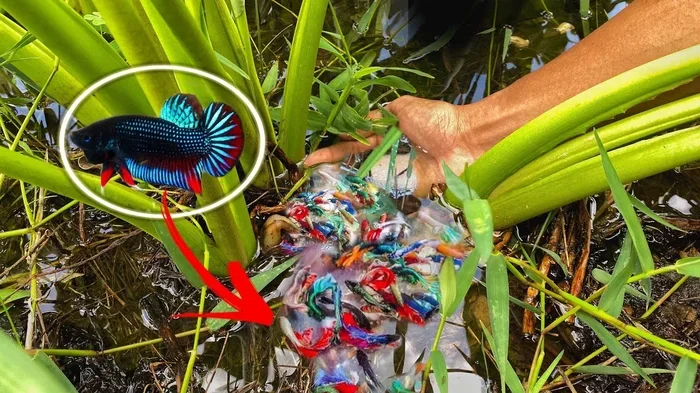
Can Girl Betta Fish Live Together

Female betta fish can live together in groups called “sororities,” but it requires careful planning, a large tank, and constant monitoring. A successful female betta sorority typically needs at least 20 gallons, 5-6 females, plenty of hiding spots, and backup tanks in case aggression occurs. While not as aggressive as males, female bettas still have territorial instincts that can lead to bullying or injury if conditions aren’t right.
Key Takeaways
- Sororities can work: Female betta fish can live together in groups known as betta sororities when proper conditions are met.
- Tank size matters: A minimum of 20 gallons is recommended, with 40 gallons or more being ideal for larger groups.
- Group size is critical: Keeping 5-6 female bettas together helps spread out aggression and prevents targeting of a single fish.
- Heavy planting is essential: Dense decorations, plants, and hiding spots break up sight lines and reduce territorial behavior.
- Not all females are suitable: Some individual bettas are too aggressive for community living, regardless of gender.
- Backup tanks are necessary: You must have separate tanks ready to isolate bullied or aggressive fish immediately.
- Ongoing monitoring is required: Even after a successful introduction, you need to watch for signs of stress, fin nipping, and dominance issues.
📑 Table of Contents
- Can Girl Betta Fish Live Together? The Complete Guide to Betta Sororities
- Understanding Female Betta Fish Behavior
- How to Set Up a Successful Betta Sorority
- Selecting the Right Female Bettas for a Sororory
- Introducing Female Bettas to the Sorority Tank
- Common Problems and How to Solve Them
- Long-Term Sorority Maintenance
- Frequently Asked Questions About Keeping Girl Bettas Together
- Final Thoughts: Is a Betta Sorority Right for You?
Can Girl Betta Fish Live Together? The Complete Guide to Betta Sororities
If you’ve ever admired the flowing fins and vibrant colors of betta fish, you’ve probably wondered whether you could keep more than one in the same tank. It’s one of the most common questions in the aquarium hobby. The short answer is yes, female betta fish can live together — but it’s not as simple as tossing a few fish into a bowl and hoping for the best.
Female bettas are often called “the friendly version” of the species, but that’s a bit misleading. They’re still territorial, still aggressive by nature, and still capable of fighting. The difference is that female bettas can sometimes tolerate each other when the conditions are just right. This arrangement is known as a betta sorority, and it’s one of the most rewarding — and challenging — setups you can create in a home aquarium.
In this guide, we’ll walk you through everything you need to know about keeping girl betta fish together. We’ll cover the ideal tank setup, how many females to keep, what to watch out for, and how to troubleshoot common problems. Whether you’re a beginner or a seasoned fish keeper, this article will give you the knowledge you need to make an informed decision.
Understanding Female Betta Fish Behavior
Why Female Bettas Are Different from Males
Male betta fish are infamous for their aggression. Put two males together, and they’ll fight until one is dead — there’s no middle ground. This is why they’re often called Siamese fighting fish. Their aggression is hardwired into their DNA, and even seeing their own reflection can set them off.
Female bettas are a different story. They still have that territorial instinct, but it’s dialed down significantly. In the wild, female bettas live in loose groups and establish a social hierarchy. They flare at each other, chase occasionally, and then move on with their lives. This natural behavior is what makes a sorority possible.
However, “less aggressive” does not mean “not aggressive.” Every female betta has her own personality. Some are docile and easygoing, while others are complete terrors who will terrorize any tankmate. The key to a successful sorority is understanding that you’re managing personalities, not just fish.
The Social Hierarchy in a Sorority
When you introduce female bettas to a shared tank, they immediately start establishing a pecking order. This is completely normal and actually a good sign. You’ll see flaring, chasing, and some light nipping during the first few days. Think of it like roommates figuring out who gets which side of the couch.
The hierarchy usually settles within a week or two. Once it’s established, the dominant female claims the best territory, and the others spread out across the tank. As long as no single fish is being constantly targeted and bullied, the sorority is functioning properly.
Problems arise when the hierarchy doesn’t settle. If one female is relentlessly attacking another, or if a fish is hiding constantly and refusing to eat, you need to intervene. We’ll cover how to handle that situation later in this article.
How to Set Up a Successful Betta Sorority
Choosing the Right Tank Size
Tank size is the single most important factor in determining whether your sorority will succeed or fail. A common mistake is trying to keep female bettas in a small 5 or 10-gallon tank. That’s a recipe for disaster.
The minimum recommended tank size for a betta sorority is 20 gallons. But honestly, bigger is always better. A 40-gallon breeder tank gives your girls much more room to establish territories and escape from each other when tensions rise. More water volume also means more stable water parameters, which reduces stress on the fish.
Here’s a general guideline for tank sizes:
- 4-5 female bettas: 20-gallon long tank (minimum)
- 6-7 female bettas: 40-gallon breeder tank (recommended)
- 8+ female bettas: 55 gallons or larger
The “long” style tanks are better than “tall” ones because they provide more horizontal swimming space and more territory to go around.
How Many Female Bettas Should You Keep?
This is where a lot of people get it wrong. You might think that keeping just two or three females together would be easier, but it’s actually the opposite. Small groups are more dangerous than larger ones.
When you keep only two or three females, the dominant one can focus all her aggression on one or two targets. There’s nowhere for the victim to hide, and the bullying becomes relentless. In a larger group of 5-6 or more, the aggression gets spread out. No single fish bears the brunt of it.
The ideal number for a sorority is 5 to 6 female bettas. This is enough to distribute aggression while still being manageable for most home aquarists. If you have a larger tank, you can go up to 7 or 8, but the more fish you add, the more complex the dynamics become.
It’s also important that you add all the females at the same time. If you add a new fish to an established sorority, the existing group will likely gang up on the newcomer. Everyone needs to start on equal footing.
Creating the Perfect Environment
A bare tank is a war zone. If your female bettas can see each other constantly with nothing in between, they’ll fight. The key to a peaceful sorority is breaking up sight lines and providing plenty of hiding spots.
Here’s what your sorority tank should include:
- Dense live or silk plants: Java fern, anubias, hornwort, and water sprite are excellent choices. Avoid plastic plants with sharp edges that can tear delicate fins.
- Caves and decorations: Use driftwood, rock formations, and commercial aquarium caves to create sheltered areas where fish can retreat.
- Floating plants: Plants like frogbit or water lettuce at the surface provide shade and make shy fish feel more secure.
- Multiple feeding areas: Scatter food across the tank so the dominant female can’t hoard all the resources.
The goal is to create a tank where a fish being chased can swim behind a plant or into a cave and essentially “disappear” from the aggressor’s view. This breaks the chase cycle and gives everyone a chance to calm down.
Selecting the Right Female Bettas for a Sororory
Choosing Compatible Personalities
Not every female betta is cut out for sorority life. Some are simply too aggressive, no matter how ideal the tank setup is. The trick is selecting fish that are more likely to coexist peacefully.
When shopping for sorority members, look for females that are active but not hyper-aggressive. Avoid fish that are constantly flaring at their neighbors in the store tank. Also avoid the most submissive fish — they’ll get pushed around too much in a group setting.
Younger females tend to adapt better to sorority life than older ones. If possible, choose bettas that are around the same size. A large female may bully a significantly smaller one simply because she can.
Why You Should Avoid Mixing Males and Females
One critical rule of sororities is that they should be female-only. Adding a male betta to a group of females is a terrible idea. The male will harass the females relentlessly, especially if there are no females ready to breed. And even if you’re thinking about breeding, keeping a male and female together long-term is stressful and dangerous for the female.
If you’re curious about whether a male and female betta fish can live together, the answer is essentially no — at least not in a permanent setup. Breeding should only be done temporarily and with proper separation afterward.
Introducing Female Bettas to the Sorority Tank
The Introduction Process
How you introduce your female bettas to the tank matters more than you might think. A bad introduction can set the tone for weeks of fighting, while a smooth one can help the group settle quickly.
Here’s the recommended process:
- Set up the tank completely first. Make sure it’s fully cycled, heated, and decorated before any fish go in.
- Use a tank divider initially. Place all the females in the tank at the same time but separated by dividers. This lets them see and get used to each other without being able to fight.
- Observe for 24-48 hours. Watch how they react to each other through the divider. If one fish is constantly flaring and trying to attack, she might not be sorority material.
- Remove the dividers simultaneously. Take them all out at once so no fish has an established territory advantage.
- Monitor closely for the first week. Expect some chasing and flaring, but intervene if you see torn fins, missing scales, or a fish that’s being prevented from eating.
What Normal Behavior Looks Like
It’s important to know the difference between normal sorority behavior and dangerous aggression. Here’s what’s normal:
- Occasional flaring at each other
- Short chasing sessions that end naturally
- Establishing favorite spots in the tank
- Mild fin nipping during the first few days
Here’s what’s not normal and requires intervention:
- One fish being chased nonstop for hours
- Visible injuries like torn fins, missing scales, or wounds
- A fish that hides constantly and won’t come out to eat
- Bloody or white stress stripes appearing on a fish
- One fish claiming the entire tank and preventing others from moving freely
Common Problems and How to Solve Them
Dealing with a Bully
Every sorority has a dominant female, but sometimes one fish takes it too far. If you notice one betta relentlessly attacking the others, you need to act quickly before serious injuries occur.
Your first step should be to rearrange the tank decorations. This resets all the established territories and forces everyone to start over. Sometimes this is enough to break the bully’s hold on the tank.
If rearranging doesn’t work, you’ll need to remove the aggressive fish and place her in her own tank. This is why having backup tanks is essential. Never assume that a particularly aggressive female will “calm down” — she probably won’t.
What to Do About a Bullied Fish
On the flip side, sometimes a sorority member just can’t hold her own. She gets picked on by everyone, stops eating, and spends all her time hiding. This fish needs to be removed for her own safety.
A bullied betta who is removed early can recover fully and live a happy life in her own tank. The key is catching it before the stress becomes fatal. Chronic stress suppresses the immune system and can lead to diseases like ich, fin rot, and dropsy.
Water Quality Issues in Heavily Stocked Tanks
A sorority tank has a higher bioload than a single-betta setup. More fish means more waste, which means ammonia and nitrite can spike quickly if you’re not careful.
Stay on top of your water changes — aim for 25-30% weekly in a sorority tank. Test your water parameters regularly with a liquid test kit. Keep ammonia and nitrite at 0 ppm and nitrates below 20 ppm.
A high-quality filter is also a must. A canister filter or a powerful hang-on-back filter rated for a tank larger than yours will keep the water clean and clear. Just make sure the flow isn’t too strong, as bettas prefer gentle current.
Long-Term Sorority Maintenance
Daily Observation
Once your sorority is established, you might think you can relax. Not quite. You should do a quick visual check every single day. Look for signs of stress, illness, or changing dynamics. A peaceful sorority can turn sour if a fish becomes sick or if the hierarchy shifts.
Feed your sorority a varied diet of high-quality pellets, frozen bloodworms, and brine shrimp. Proper nutrition keeps their immune systems strong and reduces stress-related aggression.
Knowing When to Break Up the Sorority
Sometimes, despite your best efforts, a sorority just doesn’t work. If you’re constantly removing fish, if injuries keep happening, or if the general stress level in the tank is too high, it’s time to break up the group.
There’s no shame in this. Not every group of female bettas is compatible, and keeping fish in a stressful environment is worse than keeping them separately. Each female betta can live a perfectly happy life in her own 5-10 gallon tank with proper heating and filtration.
If you’d like to learn more about keeping female betta fish together and the specific challenges involved, our detailed guide covers even more scenarios and solutions.
Frequently Asked Questions About Keeping Girl Bettas Together
Can I Keep Just Two Female Bettas Together?
This is one of the most common questions, and the answer is generally no. With only two females, the dominant one will focus all her aggression on the single other fish. There’s no one else to redirect that energy toward, and the submissive fish has no relief.
If you’re set on keeping a small number, three is slightly better than two, but even that can be risky. For the best chance of success, stick with 5 or more females in a properly sized tank. If you want to understand more about the dynamics of keeping two female betta fish together, check out our dedicated article on the topic.
Do Betta Sororities Always Work?
Honestly, no. Betta sororities have a significant failure rate, especially for beginners. Even experienced aquarists sometimes end up with a group that just doesn’t gel. That’s why it’s so important to have backup plans and separate tanks ready.
The success rate goes up dramatically when you follow all the guidelines we’ve discussed: large tank, proper group number, heavy planting, simultaneous introduction, and constant monitoring. But there are no guarantees in fish keeping, and you need to be prepared for that reality.
Final Thoughts: Is a Betta Sorority Right for You?
Keeping female betta fish together in a sorority is one of the most beautiful and dynamic setups in the aquarium hobby. Watching a group of colorful females glide through a heavily planted tank is truly stunning. But it’s also one of the more advanced setups, and it’s not for everyone.
Before you start a sorority, ask yourself these questions:
- Do I have a tank that’s at least 20 gallons?
- Can I afford to buy 5-6 female bettas at once?
- Do I have backup tanks ready in case of problems?
- Am I prepared to monitor the tank daily and intervene if needed?
- Am I okay with the possibility that the sorority might fail?
If you can answer yes to all of these, then a betta sorority might be a great project for you. Start with a 40-gallon tank if you have the space, choose your females carefully, and set up the tank like a botanical garden. With patience and attention, you can create a thriving community of girl betta fish that will bring you joy for years to come.
And if a sorority isn’t right for your situation, that’s perfectly fine too. A single female betta in a well-decorated 10-gallon tank is a gorgeous setup in its own right. There’s no wrong way to enjoy these amazing fish — as long as their health and well-being come first.
Frequently Asked Questions
Can female betta fish live together permanently?
Yes, female betta fish can live together permanently in a sorority setup, but it requires a large tank (20+ gallons), at least 5-6 females, and ongoing monitoring. Some sororities thrive for years, while others may need to be broken up due to aggression.
What is the minimum tank size for a betta sorority?
The minimum tank size for a betta sorority is 20 gallons, though a 40-gallon tank is strongly recommended. Larger tanks provide more territory for each fish, which significantly reduces aggression and stress.
How many female bettas should be in a sorority?
The ideal number is 5 to 6 female bettas. This group size spreads out aggression so no single fish becomes a target. Smaller groups of 2-3 are actually more dangerous because the dominant fish can focus all her aggression on one or two individuals.
What are the signs that my betta sorority is failing?
Warning signs include constant chasing of one fish, torn fins or visible injuries, a fish that hides all the time and won’t eat, and persistent stress stripes. If you see these signs, you need to separate the aggressive or bullied fish immediately.
Can I add a new female betta to an existing sorority?
No, you should never add a single new fish to an established sorority. The existing group will likely gang up on the newcomer. All females should be introduced to the tank at the same time so no fish has a territory advantage.
Do female bettas get along with other fish species?
Female bettas can sometimes cohabitate with peaceful community fish like neon tetras, corydoras, and harlequin rasboras. However, avoid fish with long flowing fins (like guppies) or aggressive species. Each betta’s temperament is different, so always monitor new additions carefully.