How to Tell If a Betta Fish Is Depressed
Knowing how to tell if a betta fish is depressed is essential for every fish owner. Betta fish can show clear signs of sadness and low mood through changes in activity, appetite, and color. This guide covers the top depression signs, root causes, and easy steps you can take to lift your fish’s spirits and restore its energy.
Have you ever looked at your betta fish and thought something just seems off? Maybe it is not swimming around like it used to. Perhaps it barely touches its food or spends all day hiding behind a rock. These could be signs that your betta fish is depressed. Many fish owners overlook this, but bettas are intelligent creatures with emotions. They can feel stressed, lonely, and yes, even depressed. Learning how to tell if a betta fish is depressed can change your pet’s life. It can also make you a better, more caring owner. Let us walk through everything you need to know.
Betta fish are popular pets for good reason. They are colorful, active, and full of personality. But when a betta feels unhappy, the changes can be subtle at first. You might not notice anything wrong until the behavior becomes hard to ignore. The good news is that most cases of betta depression are fixable. Once you understand what causes it, you can take simple steps to help your fish feel like itself again. This article will show you exactly what to look for and what to do next.
Key Takeaways
- Lethargy and hiding are the most common signs: A depressed betta fish will often stay at the bottom of the tank or hide for long periods.
- Loss of appetite signals a problem: If your betta refuses food or eats much less than usual, it may be feeling low.
- Tank conditions matter a lot: Poor water quality, small tanks, and lack of enrichment can trigger depression in bettas.
- Color fading is a visible warning: A sad betta often loses its vibrant colors and looks pale or dull.
- Simple changes can make a big difference: Adding plants, increasing tank size, and improving water quality can help your betta feel better.
- Early detection leads to faster recovery: The sooner you spot the signs, the quicker you can take action to help your fish.
📑 Table of Contents
- How to Tell If a Betta Fish Is Depressed
- What Causes Depression in Betta Fish
- How to Help a Depressed Betta Fish
- How to Tell If a Betta Fish Is Happy vs. Depressed
- Quick Tips to Prevent Betta Depression
- Common Mistakes That Lead to Betta Depression
- When to Seek Help for Your Betta Fish
- Final Thoughts on Betta Fish Depression
How to Tell If a Betta Fish Is Depressed
Spotting the signs of a depressed betta fish early is the first step toward helping it. Bettas cannot tell us how they feel with words, but their behavior says a lot. Below are the most common signs that your betta may be feeling down.
Lethargy and Lack of Energy
A healthy betta fish is an active betta fish. It swims around the tank, explores its space, and interacts with its environment. When a betta becomes depressed, one of the first things you will notice is lethargy. Your fish may hang motionless near the bottom of the tank. It might drift instead of swimming with purpose. Some bettas stay in one corner and barely move at all.
This is different from normal rest. Bettas do sleep, and they often rest on leaves or decorations. But a depressed betta stays inactive for long stretches, even during times when it would normally be alert. If you notice your betta barely moving for hours, pay attention. This is one of the strongest signals that something is wrong.
Loss of Appetite
Bettas are hungry fish. They love to eat and will often beg for food when they see you. A sudden change in eating habits is a red flag. A depressed betta may refuse food entirely. Or it might eat much less than it normally does. Some bettas will take a nibble and then swim away without finishing their meal.
Keep in mind that appetite changes can also signal illness. If your betta stops eating for more than two days, check the water quality and look for other symptoms. You can also read our guide on how can you tell if your betta fish is sick to rule out health issues.
Color Fading and Physical Changes
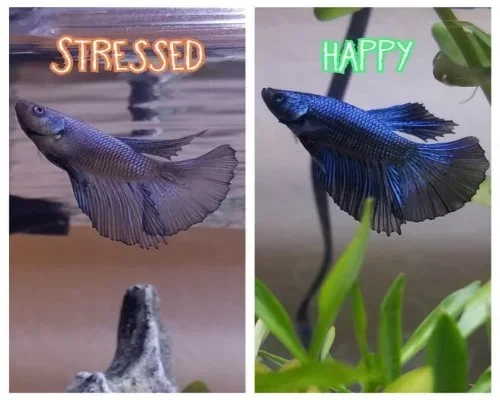
One of the most visible signs of a depressed betta fish is color fading. A happy, healthy betta displays bright, vivid colors. Reds glow, blues shimmer, and fins look vibrant. When a betta is sad or stressed, its colors can dull significantly. The fish may look pale or washed out. In some cases, you might even notice dark patches or stripes forming on its body.
Color changes can happen for other reasons too, such as aging or illness. But if the fading happens suddenly and your fish also shows low energy, depression is a likely cause. Paying close attention to your betta’s appearance helps you catch problems early.
Hiding and Avoidance Behavior
All bettas need a place to retreat and rest. That is perfectly normal. But a depressed betta hides constantly. It may stay behind the filter, under decorations, or inside caves for most of the day. Normal hiding involves short periods of rest followed by exploration. Constant hiding is different.
If your betta avoids swimming in the open and refuses to come out even when you approach the tank, take note. This avoidance behavior is a clear sign that your fish is not feeling well emotionally. Some bettas also press their bodies against the glass or stay in one spot near the water surface, which can indicate distress.
Fin Clamping and Body Posture
Watch your betta’s fins closely. A happy betta holds its fins open and flowing. A depressed or stressed betta often clamps its fins tightly against its body. This is called fin clamping, and it is one of the most common behavioral signs of emotional distress in fish. The fins may also appear droopy or limp.
Along with fin clamping, a depressed betta might rest on the substrate or lean against decorations. Its body posture looks relaxed in a way that goes beyond normal resting. The fish seems to have lost interest in its surroundings entirely. This kind of body language tells you that your betta’s mental well-being needs attention.
What Causes Depression in Betta Fish
Understanding the root causes of betta depression helps you prevent it from happening in the first place. Bettas are sensitive creatures, and their emotional health depends heavily on their environment and daily experiences. Here are the most common reasons a betta fish becomes depressed.
Tank Too Small
One of the biggest mistakes new betta owners make is keeping their fish in a tiny bowl or tank. Bettas need space to swim and explore. A tank that is too small restricts movement and limits mental stimulation. Most experts recommend at least a 5-gallon tank for a single betta. Anything smaller can lead to boredom and depression over time.
If you are currently using a bowl, consider upgrading. A larger tank with proper filtration makes a huge difference. You can also learn more about setting up the right home in our article on how to set up a fish tank for betta fish.
Poor Water Quality
Dirty water affects more than just your betta’s physical health. It impacts mood and behavior too. High levels of ammonia, nitrites, or nitrates in the tank can make your fish feel unwell and stressed. Even if the water looks clear, harmful chemicals can build up over time.
Regular water changes are essential. Test your water parameters at least once a week. Keep the temperature stable between 76 and 82 degrees Fahrenheit. Clean water gives your betta a comfortable environment where it can thrive emotionally and physically.
Lack of Enrichment and Stimulation
Bettas are curious creatures. They like to explore, investigate, and interact with their surroundings. A bare tank with nothing to do leads to boredom. Over time, boredom turns into depression. Your betta needs things to do and places to explore.
Adding live plants, smooth rocks, and gentle decorations gives your betta mental stimulation. Floating plants are especially great because bettas love to rest on their leaves. You can also try rearranging the tank occasionally to give your fish a fresh environment to explore. Just make sure any decorations have smooth edges to prevent fin damage.
Loneliness and Lack of Companionship
While bettas are often kept alone, they still benefit from a sense of connection. Some owners keep their bettas in completely empty tanks with no other life. This can feel isolating for the fish. A betta that has no visual stimulation from other creatures may become withdrawn and depressed.
Adding peaceful tank mates like snails or small schooling fish can provide companionship. However, not all tank mates work well with bettas. Always research compatibility before introducing new fish. You can also learn how to build a stronger relationship with your fish in our guide on how to grow a bond with your betta fish.
Sudden Changes in Routine
Bettas thrive on consistency. Sudden changes in light, temperature, feeding schedule, or tank location can stress them out. Moving the tank to a different room or changing the lighting setup can trigger a depressive response. Bettas are creatures of habit, and disruptions to their routine can make them feel unsafe and anxious.
If you need to make changes, do them gradually. Give your betta time to adjust. Keep the feeding schedule consistent and avoid tapping on the tank or making loud noises near it.
How to Help a Depressed Betta Fish
The good news is that betta depression is treatable in most cases. Once you identify the cause, you can take targeted steps to improve your fish’s mood and overall well-being. Here is what you can do right now.
Improve the Tank Environment
Start by assessing your betta’s living space. Is the tank big enough? Is the water clean? Are there places to hide and explore? Making improvements to the tank environment is the single most effective thing you can do. Aim for at least a 5-gallon tank with a gentle filter and a heater. Add live or silk plants for natural cover. Include a few smooth decorations for exploration.
A well-designed tank gives your betta the mental and physical stimulation it needs. Check out our article on how to take care of a betta fish water for tips on maintaining the perfect water conditions.
Increase Mental Stimulation
Keep your betta’s mind active by introducing new elements to the tank. You can add a ping pong ball to the water surface and watch your betta push it around. Some owners use mirrors briefly to trigger natural flaring behavior, which provides mental engagement. Just be careful not to use a mirror for too long, as it can cause stress.
You can also try feeding your betta in different spots around the tank. This encourages movement and exploration. Puzzle feeders and slow-moving live foods like brine shrimp add variety to mealtime and keep your betta interested.
Maintain a Consistent Routine
Stability is key for a betta’s emotional health. Feed your fish at the same times each day. Keep the light cycle consistent, ideally 8 to 10 hours of light followed by 10 to 12 hours of darkness. Avoid sudden loud noises or vibrations near the tank. A predictable routine helps your betta feel safe and secure, which reduces stress and promotes a positive mood.
Monitor and Adjust
After making changes, watch your betta closely for improvements. Recovery does not happen overnight. It may take a few days or even a couple of weeks for your betta to show signs of feeling better. Keep track of its activity level, appetite, and color. If you do not see improvement, consider whether there might be an underlying health issue. Visit our guide on how to help a betta fish that is sick for additional support.
How to Tell If a Betta Fish Is Happy vs. Depressed
Comparing the signs of a happy betta to a depressed one makes it much easier to understand your fish’s emotional state. Use this simple comparison to gauge how your betta is feeling.
| Sign | Happy Betta | Depressed Betta |
|---|---|---|
| Activity Level | Active, swims around the tank | Lethargic, stays in one spot |
| Appetite | Eats eagerly and finishes food | Refuses food or eats very little |
| Color | Bright, vivid, and vibrant | Dull, pale, or fading |
| Fin Position | Fins open and flowing | Fins clamped against body |
| Exploration | Explores the whole tank | Hides constantly, avoids open areas |
| Interaction | Notices you, flares occasionally | Ignores surroundings and you |
Use this table as a quick reference whenever you are unsure about your betta’s mood. If most of the signs point toward depression, it is time to take action. And if you want to learn more about what a happy betta looks like, check out our article on how to know if your betta fish is happy for additional insights.
Quick Tips to Prevent Betta Depression
Prevention is always easier than treatment. Here are simple tips to keep your betta fish emotionally healthy and content:
- Keep the tank at least 5 gallons. Larger tanks provide more space and better water quality.
- Change 25% of the water weekly. This keeps ammonia and nitrate levels low.
- Add live plants and decorations. They give your betta things to explore and rest on.
- Maintain a consistent feeding schedule. Feed small amounts twice a day at the same times.
- Keep the lighting on a regular cycle. Avoid leaving lights on 24/7 or keeping the tank in complete darkness.
- Talk to your betta gently. Bettas can recognize their owners and respond to a calm, soothing presence.
- Avoid tapping on the glass. This startles your fish and creates unnecessary stress.
- Provide mental stimulation. Use mirrors briefly, introduce new tank objects, or offer varied food types.
Common Mistakes That Lead to Betta Depression
Many well-meaning owners accidentally contribute to their betta’s unhappiness. Being aware of these mistakes helps you avoid them.
Keeping the Fish in a Bowl
Bowls look cute, but they are terrible for betta health. A small bowl limits movement, makes it hard to maintain water quality, and offers no room for enrichment. If your betta lives in a bowl, upgrading to a proper tank is the single best thing you can do.
Ignoring Water Parameters
Some owners never test their water. They assume that if the water looks clean, it is fine. But invisible chemicals like ammonia and nitrite can build up without any visible signs. Testing your water regularly is one of the most important things you can do for your betta’s emotional and physical health.
Overcrowding or Wrong Tank Mates
Adding aggressive or flashy fish to a betta tank can cause constant stress. Even peaceful fish that swim too fast or nip at fins can make your betta feel unsafe. Choose tank mates carefully, or consider keeping your betta solo with plenty of enrichment instead.
Neglecting Mental Needs
People often focus on physical care like feeding and water changes but forget about mental stimulation. A betta with nothing to do gets bored. Boredom leads to depression. Simple additions like plants, decorations, and interactive feeding can transform your betta’s daily experience.
When to Seek Help for Your Betta Fish
Sometimes, depression in bettas is a sign of a deeper health problem. If you have improved the tank environment and your betta still shows signs of sadness or lethargy after two weeks, it is time to look deeper. Your fish might be dealing with an illness that mimics depression symptoms. Conditions like swim bladder disease, fungal infections, or internal parasites can cause behavior changes that look like depression.
Do not wait too long to seek advice. A fish that stops eating and becomes completely inactive needs attention quickly. You can learn more about recognizing serious illness in our article on how can you tell if a betta fish is dying. Early intervention can save your fish’s life and prevent unnecessary suffering.
Dealing with a depressed betta fish can feel overwhelming, but you are not alone. Many betta owners face this challenge, and most cases resolve with the right approach. Patience, consistency, and a willingness to make changes are all you need. Your betta depends on you for its well-being, and the effort you put in will be rewarded with a happier, more vibrant fish.
Final Thoughts on Betta Fish Depression
Understanding how to tell if a betta fish is depressed gives you the power to improve your pet’s life. The signs are there if you know what to look for. Lethargy, loss of appetite, color fading, constant hiding, and fin clamping all point to emotional distress. The causes are often simple, such as a small tank, poor water quality, or lack of stimulation. And the solutions are within your reach.
Start by making small improvements to your betta’s environment. Be patient and observant. Pay attention to how your fish responds to changes. Most bettas bounce back quickly once their needs are met. A happy betta is an active, colorful, and engaged fish that brings joy to your home every single day.
Take what you have learned from this guide and put it into action today. Your betta fish is counting on you to notice when something is wrong and to make things right. With the right care and attention, you can ensure your betta lives a long, healthy, and emotionally fulfilling life.
Frequently Asked Questions
Can betta fish really get depressed?
Yes, betta fish can experience depression. They are intelligent animals with emotional responses to their environment. Signs like lethargy, loss of appetite, and hiding indicate that your betta is not feeling its best emotionally.
How long does it take for a betta to recover from depression?
Recovery time varies depending on the cause and severity. Most bettas show improvement within one to two weeks after environmental changes are made. Consistent care and patience play a big role in the recovery process.
Is a small tank the main cause of betta depression?
A small tank is one of the leading causes, but it is not the only one. Poor water quality, lack of enrichment, loneliness, and sudden routine changes can all contribute to depression in bettas.
Can adding tank mates help a depressed betta?
Sometimes, yes. Peaceful tank mates like snails or small non-aggressive fish can provide companionship. However, some bettas prefer to live alone. It is important to monitor your betta’s reaction to any new additions carefully.
How can I tell the difference between a sick betta and a depressed betta?
Sickness often includes physical symptoms like clamped fins, white spots, or swollen belly. Depression primarily shows as behavioral changes like lethargy and loss of interest. If you are unsure, check our guide on how to tell if my betta fish is sick for a detailed comparison.
What should I do if my betta fish won’t eat?
First, check the water quality and temperature. Then try offering different types of food like frozen brine shrimp or bloodworms. If your betta still refuses food after two days, look for signs of illness or stress and consider consulting a fish veterinarian.