Will Betta Fish Stop Eating When They Are Full
Betta fish don’t have a “full‑stop” button like mammals; they’ll often eat until they’re satisfied, then pause. However, changes in appetite can signal stress, illness, or improper feeding habits. Understanding their feeding cues helps you keep your betta thriving.
Key Takeaways
- Betta appetite is instinctive: they will eat until they feel full, then naturally stop.
- Over‑feeding risks: excess food can foul water, cause constipation, and lead to disease.
- Watch for warning signs: sudden refusal to eat may mean stress, illness, or poor water quality.
- Feed small, frequent meals: 2‑3 tiny portions a day mimics wild hunting behavior.
- Quality matters: live or frozen foods satisfy natural cravings better than low‑grade pellets.
- Environment influences eating: proper temperature, lighting, and tank setup encourage regular feeding.
- Regular monitoring: keep a feeding log to spot patterns and catch problems early.
📑 Table of Contents
- Introduction: The Curious Case of the “Full” Betta
- 1. How Betta Fish Naturally Regulate Their Hunger
- 2. Common Reasons a Betta Might Appear Not to Eat
- 3. Feeding Strategies That Respect a Betta’s Natural Fullness
- 4. Recognizing When “Full” Is Actually a Red Flag
- 5. Practical Feeding Routine: A Sample Week
- 6. Frequently Overlooked Factors That Influence Appetite
- Conclusion: Listening to Your Betta’s Hunger Cues
Introduction: The Curious Case of the “Full” Betta
When you first bring home a bright‑colored betta, you’ll probably be excited to watch it dart around its little palace. One of the first questions many owners ask is, “Will betta fish stop eating when they are full?” It’s a natural thought—after all, we humans know the feeling of a satisfied stomach.
Betta fish are opportunistic predators in the wild, snapping up tiny insects and larvae whenever they appear. In captivity, the situation is different: food is always there, and the fish can learn to associate the presence of food with a feeding schedule. This article breaks down the science behind a betta’s appetite, the signs that tell you they’re truly full, and the practical steps you can take to feed them safely.
1. How Betta Fish Naturally Regulate Their Hunger
Their Wild Feeding Rhythm
In their native Southeast Asian rice paddies, bettas hunt for Daphnia, mosquito larvae, and small crustaceans. Food appears in short bursts, so the fish have evolved to eat quickly and then wait for the next opportunity. This “hit‑and‑run” feeding style means they’re wired to stop when they’ve taken enough to meet their immediate energy needs.
What “Full” Looks Like in a Betta
When a betta has had enough, you’ll notice a few tell‑tale behaviors:
- It swims away from the surface and settles on the tank bottom or a leaf.
- The mouth stops opening and closing rapidly.
- It may appear slightly “puffed” as the stomach expands, but the expansion is subtle.
These signs are normal and indicate the fish is satisfied, not sick.
2. Common Reasons a Betta Might Appear Not to Eat
Stress and Environment
Stress is a top culprit behind a sudden loss of appetite. Factors such as aggressive tank mates, sudden temperature changes, or bright lights can make a betta skip meals. If you’ve recently moved the tank or added new décor, give the fish a few days to adjust.
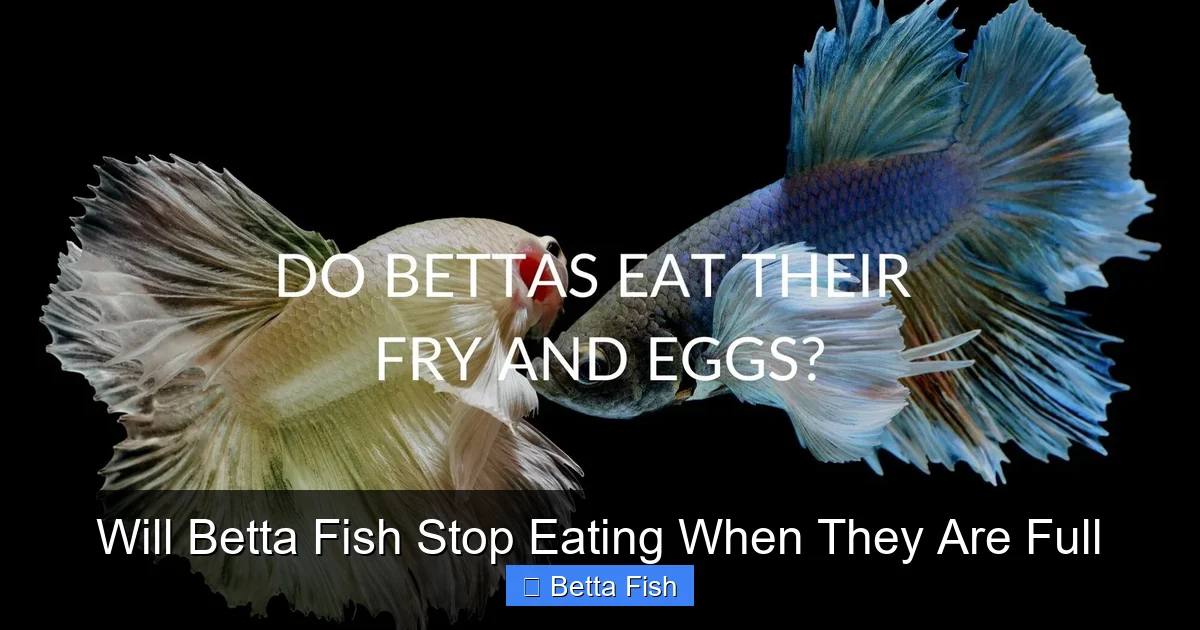
Visual guide about Will Betta Fish Stop Eating When They Are Full
Image source: bettacarefishguide.com
Illness and Health Issues
Illness often masquerades as “not being hungry.” Common problems include:
- Constipation from over‑feeding dry pellets.
- Internal parasites that cause abdominal discomfort.
- Fin rot or fungal infections that make the fish feel unwell.
For a deeper dive on why a betta might stop eating, see our guide on why did my betta fish stop eating.
Water Quality Issues
Betta fish are sensitive to ammonia, nitrite, and high nitrate levels. Poor water quality can suppress appetite. Test your water weekly and perform partial water changes of 25‑30% to keep parameters stable.
3. Feeding Strategies That Respect a Betta’s Natural Fullness
Portion Control: The 2‑Minute Rule
Offer a small amount of food—just enough that the betta can consume it within two minutes. If food remains after that time, remove it to prevent water contamination.
Frequency vs. Quantity
Instead of one large feeding, split the daily ration into 2‑3 smaller meals. This mimics the frequent, small catches of a wild betta and helps prevent over‑eating.
Choosing the Right Food
- Live or frozen foods: brine shrimp, bloodworms, and daphnia are highly palatable and trigger natural hunting behavior.
- High‑quality pellets: Look for those with at least 40% protein and no fillers.
- Vegetable treats: Occasionally offer blanched peas to aid digestion.
Feeding Tools and Tips
Use a small pipette or turkey baster for precise portions. A feeding ring can keep food in one spot, making it easier for a shy betta to locate.
4. Recognizing When “Full” Is Actually a Red Flag
Sudden Refusal After a Period of Normal Eating
If your betta stops eating after weeks of regular feeding, consider the following checkpoints:
- Check water temperature; bettas prefer 76‑82°F (24‑28°C).
- Inspect for signs of disease: white spots, frayed fins, or abnormal swimming.
- Verify that you’re not over‑feeding; excess food can cause constipation, making the fish feel “full” in a painful way.
When to Intervene
If your betta refuses food for more than 48 hours, try fasting for a day, then offer a fresh piece of live or frozen food. If it still won’t eat, consult a veterinarian familiar with fish health.
5. Practical Feeding Routine: A Sample Week
Monday – Friday
Morning: 2‑3 small pellets or a pinch of frozen brine shrimp.
Evening: Same amount, or a tiny pea for fiber.
Saturday – Sunday
Offer a “treat” meal: a few live daphnia or a small piece of bloodworm. This keeps the betta excited about food and encourages natural hunting.
Monthly Maintenance
- Test water parameters.
- Perform a 25% water change.
- Rotate food types to prevent boredom.
6. Frequently Overlooked Factors That Influence Appetite
Lighting Cycle
Betta fish are most active during the dawn and dusk periods. A consistent 10‑12 hour light cycle helps regulate feeding rhythms. For more on activity patterns, read when betta fish are most active.
Tank Size and Enrichment
A cramped bowl can cause stress, reducing appetite. A minimum 5‑gallon tank with live plants offers hiding spots and a more natural environment. Check out which live plants are good for betta fish for ideas.
Social Dynamics
Male bettas are territorial. If you keep a female companion, ensure the tank is large enough to prevent aggression, which can suppress feeding. Learn more about gender behavior at are female betta fish aggressive.
Conclusion: Listening to Your Betta’s Hunger Cues
In short, yes—betta fish will stop eating when they are full, but the “stop” is a natural, healthy pause rather than a strict “full‑stop” button. Understanding the subtle signs of satisfaction, providing balanced, frequent meals, and keeping the tank environment optimal will ensure your betta stays energetic and vibrant.
Remember, a sudden loss of appetite is rarely just “fullness.” It often signals stress, water issues, or health problems that need quick attention. By monitoring feeding habits and maintaining a clean, well‑decorated tank, you give your betta the best chance to thrive for years to come.
Frequently Asked Questions
Will a betta fish eat forever if I keep offering food?
No. Betta fish will naturally stop when they feel satisfied. Over‑feeding can lead to water fouling and health issues.
How often should I feed my betta?
Two to three small meals per day are ideal. This mimics their wild feeding pattern and prevents over‑eating.
What does it mean if my betta refuses food for a day?
A one‑day fast can be normal, especially after a water change. If it continues for more than 48 hours, check water quality and look for signs of illness.
Can live food make a betta eat more?
Live or frozen foods are highly stimulating and often encourage a healthy appetite, but they should still be given in small portions.
Is it okay to give my betta human food?
Generally no. Human foods lack the proper nutrients and can introduce harmful substances. Stick to fish‑specific diets.
How can I tell if my betta is full or sick?
A full betta will swim normally after eating and may rest calmly. A sick betta often shows lethargy, clamped fins, or abnormal swimming patterns.