Can Betta Fish Be Near White Clouds

Can betta fish be near white clouds? Yes—soft, diffused white lighting can enhance a Betta’s colors without stressing the fish. This guide explains the science behind light, practical tank setups, and tips to keep your Betta happy and healthy.
Key Takeaways
- Soft white light is safe: Gentle, diffused white illumination mimics natural daylight and does not harm betta fish.
- Intensity matters more than color: Too bright or flickering light can cause stress, regardless of hue.
- Use a timer: Consistent day/night cycles keep your betta’s circadian rhythm stable.
- Combine with plants: Live or silk plants break up light, creating natural “cloud” shadows.
- Monitor behavior: If your betta hides or shows white‑spotting, adjust lighting immediately.
- Quality fixtures help: LED lights with a CRI ≥ 80 provide true color rendering for your betta’s fins.
- Internal links for deeper care: Learn about tank mates, water temperature, and more through our related guides.
📑 Table of Contents
- Introduction: Why the Question Matters
- 1. Understanding Light and Betta Physiology
- 2. The Benefits of Soft White Lighting
- 3. Choosing the Right Light Fixture
- 4. Setting Up a “White Cloud” Environment
- 5. Monitoring Your Betta’s Response
- 6. Frequently Overlooked Factors
- Conclusion: Light Up Your Betta’s World Wisely
Introduction: Why the Question Matters
When you set up a Betta tank, the first thing you notice is the light. It makes the fish’s brilliant reds, blues, and purples pop. But many new owners wonder, can betta fish be near white clouds—in other words, can they thrive under bright, white lighting that resembles a cloudy sky?
Answering this isn’t just about aesthetics. Light influences a betta’s stress level, growth, and even its immune system. In this article we’ll explore the science behind light, break down the best lighting setups, and give you practical steps to keep your Betta both beautiful and comfortable.
1. Understanding Light and Betta Physiology
1.1 How Betta Eyes See the World
Betta fish have relatively simple eyes compared to mammals, but they are highly sensitive to changes in brightness. Their retinas contain rods that detect light intensity and cones that help differentiate colors. This means they can see the difference between soft white light and harsh, direct illumination.

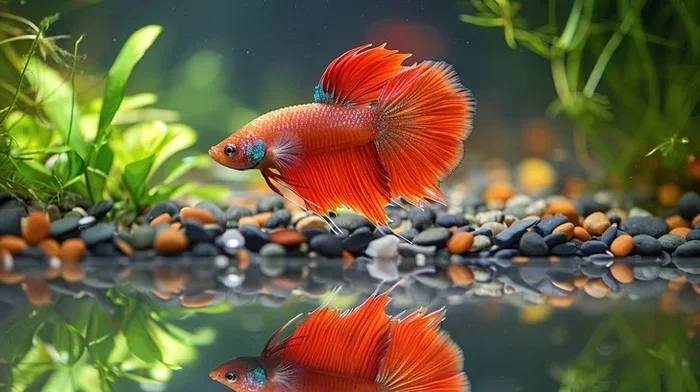
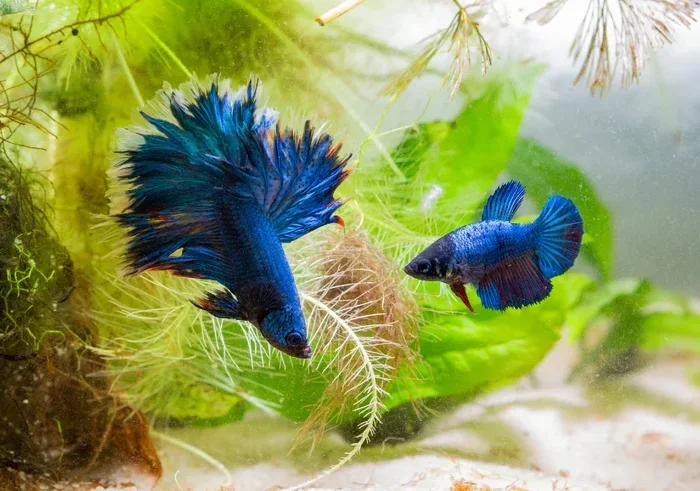
Visual guide about Can Betta Fish Be Near White Clouds
Image source: fishkeepandchill.com
1.2 The Role of Natural Daylight
In the wild, Siamese fighting fish live in shallow, slow‑moving waters of Thailand and Myanmar. Sunlight filters through foliage, creating dappled, “cloudy” patterns on the water’s surface. Those natural conditions are what we try to mimic in a home aquarium.
1.3 What “White Clouds” Means in an Aquarium
When we talk about white clouds in a tank, we usually refer to diffused, even lighting that mimics an overcast sky. It’s not a bright, direct spotlight, but a soft glow that spreads across the water, reducing harsh shadows.
2. The Benefits of Soft White Lighting
2.1 Enhances Color Without Stress
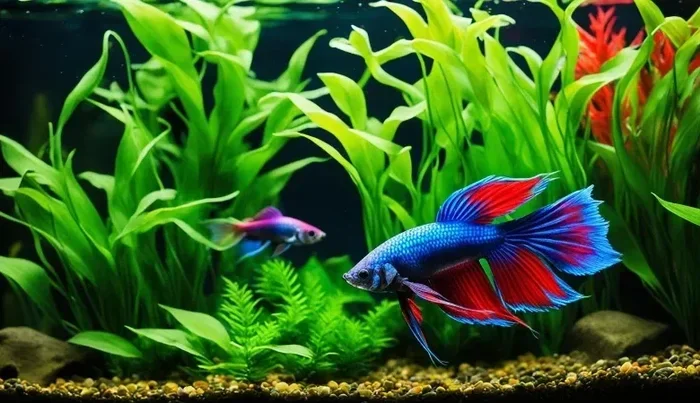
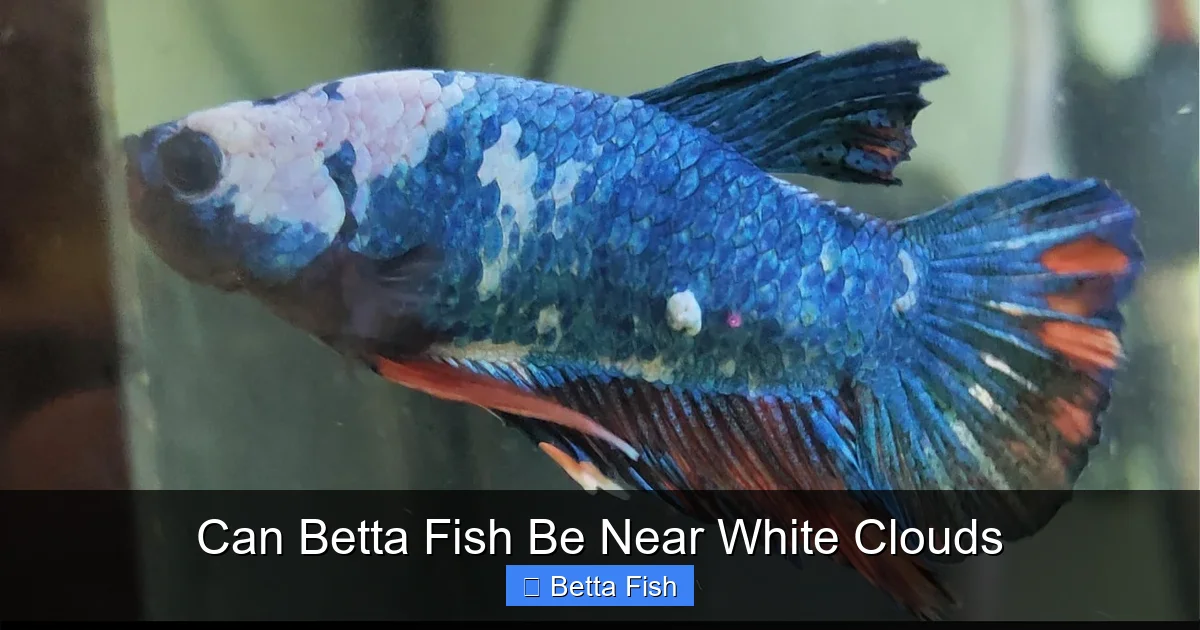
Betta fins are covered in chromatophores—cells that reflect light. Soft white light allows these cells to display their true colors without overstimulating the fish. You’ll notice the reds look richer and the blues more vivid under a gentle white glow.
Visual guide about Can Betta Fish Be Near White Clouds
Image source: aquariadise.com
2.2 Encourages Natural Behaviors
When lighting mimics a cloudy day, bettas feel safer to explore. You’ll see more surface breathing, gentle flaring, and even playful bubble‑nest building. In contrast, harsh lighting can cause them to hide under decorations or the tank lid.
2.3 Reduces the Risk of Algae Overgrowth
Bright, full‑spectrum lights often fuel algae blooms, especially in tanks with excess nutrients. Soft white lighting provides enough illumination for plants but keeps algae in check, creating a cleaner environment for your betta.
3. Choosing the Right Light Fixture
3.1 LED vs. Fluorescent vs. Incandescent
LEDs are the clear winner for most hobbyists. They’re energy‑efficient, produce minimal heat, and can be dimmed to achieve that “white cloud” effect. Fluorescents are okay but often flicker, which can stress bettas. Incandescents generate too much heat and are rarely used today.
Visual guide about Can Betta Fish Be Near White Clouds
Image source: buildyouraquarium.com
3.2 Color Rendering Index (CRI) Matters
Look for a light with a CRI of 80 or higher. A high CRI means the light shows colors accurately, so your betta’s fins appear true to life. This is especially important if you love photographing your fish.
3.3 Adjustable Brightness and Timer Integration
Invest in a fixture that lets you dim the light and set a timer. A 10‑12 hour light cycle mirrors natural daylight and helps keep your betta’s circadian rhythm stable. A simple plug‑in timer can automate this process.
4. Setting Up a “White Cloud” Environment
4.1 Positioning the Light
Place the light source about 6‑8 inches above the water surface. This distance spreads the light evenly and prevents hotspots. If you notice bright spots, add a diffusing sheet of frosted acrylic or a thin white fabric over the fixture.
4.2 Adding Plants and Decorations
Live plants like Java fern or Anubias break up the light, creating natural shadows that resemble clouds. If live plants aren’t an option, silk plants work just as well and won’t be chewed on.
4.3 Water Parameters and Light Interaction
Soft white light doesn’t heat the water as much as intense blue or UV lights, but you still need to monitor temperature. Aim for 76‑82 °F (24‑28 °C). For a deeper dive into temperature, see our guide on What Temperature Should Water Be For A Betta Fish.
4.4 Example Setup
- 30‑gallon glass tank with a black background.
- LED panel (30 W, CRI 85) set to 40 % brightness.
- Timer set to 10 hours on, 14 hours off.
- Live Java moss and silk floating leaves.
- Soft white diffuser film over the light.
This arrangement creates a calm, cloudy ambiance that most bettas love.
5. Monitoring Your Betta’s Response
5.1 Signs of Comfort
When the lighting is right, your betta will display normal swimming, occasional surface breathing, and vibrant fin displays. You may also see it building a bubble nest under the water surface.
5.2 Warning Signs
If you notice the fish hiding constantly, clamped fins, or white spots appearing on the body, the light may be too bright or flickering. Reduce intensity or add more diffusion immediately.
5.3 Adjusting Over Time
As your betta grows, its light preferences can shift. Re‑evaluate the setup every few months and make small tweaks—like moving the diffuser a little farther or dimming the light by another 10 %.
6. Frequently Overlooked Factors
6.1 The Impact of Room Lighting
Natural sunlight entering the room can add unwanted brightness. Use curtains or blinds to keep the overall illumination soft, especially during midday.
6.2 Compatibility with Tank Mates
If you keep peaceful companions like snails or dwarf shrimp, ensure the lighting doesn’t stress them either. Soft white light is generally safe for most invertebrates. For more on compatible mates, check out Which Fish Can Be With Betta.
6.3 Seasonal Adjustments
Some owners like to mimic seasonal changes—brighter light in summer, dimmer in winter. If you try this, adjust slowly over a week to avoid shocking your betta.
Conclusion: Light Up Your Betta’s World Wisely
So, can betta fish be near white clouds? Absolutely—provided the light is soft, diffused, and properly timed. By understanding how bettas perceive light, choosing the right fixtures, and creating a balanced environment, you’ll give your fish a beautiful, stress‑free home that showcases its dazzling colors.
Remember, the goal isn’t just to make your tank look good; it’s to keep your betta healthy and happy. Start with a gentle white glow, watch your fish’s behavior, and adjust as needed. Your betta will reward you with vibrant fins, lively swims, and a peaceful presence that makes any room brighter.
Frequently Asked Questions
Can betta fish be kept under white LED lights?
Yes. White LED lights that are dimmable and have a high CRI provide a soft, even glow that mimics cloudy daylight, which is safe for bettas.
What intensity of white light is best for bettas?
Aim for a light intensity of 0.5–1.0 watts per gallon, keeping the brightness low enough that the fish can see but not be blinded. Using a diffuser helps achieve this balance.
Do bettas need a day‑night cycle?
Absolutely. A regular 10‑12 hour light period followed by darkness helps regulate their metabolism and stress levels. A simple timer makes this easy.
Will white light cause my betta’s colors to fade?
No. In fact, a gentle white light can enhance colors. Fading typically occurs from poor nutrition or disease, not from proper lighting.
Can I combine white lighting with a small amount of blue?
Yes, a subtle blue accent can create a more natural water‑column effect, but keep the blue portion low (under 10 % of total output) to avoid stress.
What should I do if my betta shows white spots after changing the light?
White spots may indicate stress or a fungal infection. Reduce light intensity, improve water quality, and consider a water change. If spots persist, consult a vet.