How to Change Water in Betta Fish Tank
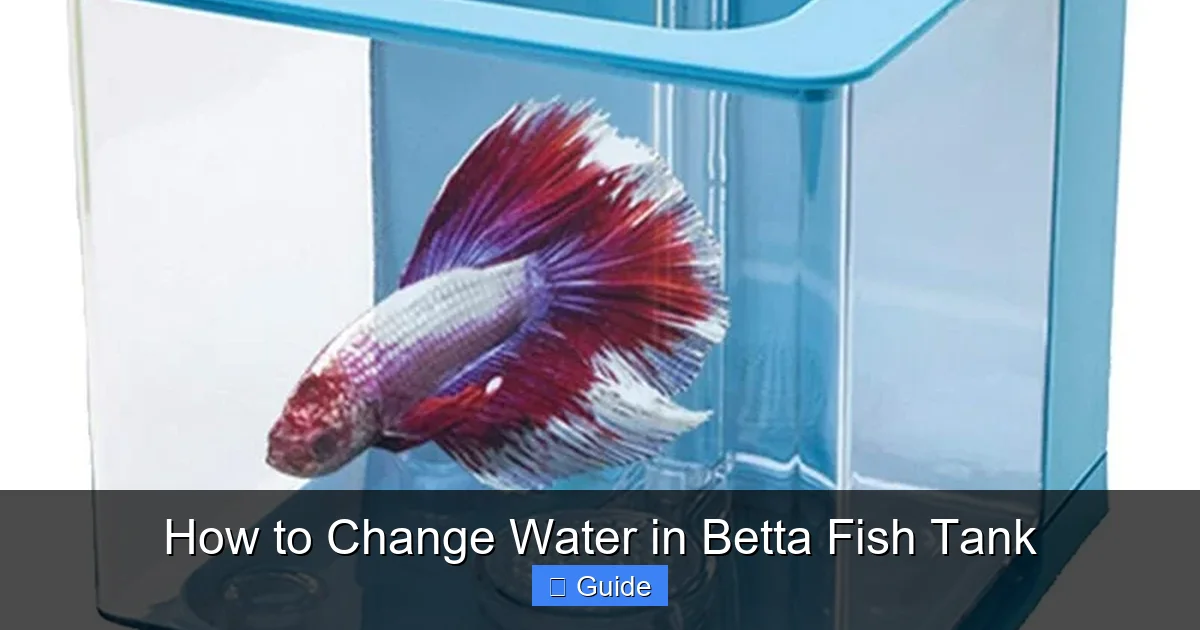
Changing your betta’s water correctly is the single most important task for its health and longevity. It’s not just about removing dirty water; it’s about replacing it with safe, dechlorinated water at the correct temperature to prevent toxic shock. Using a water conditioner every time and matching the new water’s temperature to the tank are non-negotiable steps. Following a consistent, careful routine will keep your betta vibrant, active, and free from stress-related illnesses.
So, you’ve got a beautiful, flowing-finned betta fish, a tiny king or queen ruling over a miniature aquatic kingdom. You’ve picked the perfect tank, found the most vibrant food, and maybe even added a gentle silk plant or two. But there’s one task that sits at the very heart of keeping that little life thriving, a task that can feel mysterious and even a little intimidating: how to properly change water in a betta fish tank. It’s more than just dumping some water out and pouring fresh stuff in. Done incorrectly, it can stress or even kill your fish. Done right, it’s the cornerstone of a clean, stable, and healthy environment where your betta can display its full personality and brilliant colors. Let’s demystify this essential routine, step by step, so you can perform water changes with confidence and care.
Betta fish, despite their hardy reputation, are sensitive to water quality. They originate from shallow, warm rice paddies in Southeast Asia, where water changes are a constant, gentle process driven by rain and flow. In your tank, waste from the fish, uneaten food, and decaying plant matter quickly break down into toxic compounds like ammonia. Regular water changes dilute these toxins, remove solid waste, and replenish essential minerals. It’s the single most effective thing you can do to prevent fin rot, velvet, dropsy, and other common betta ailments. Think of it not as a chore, but as a vital health check and a refresh for your fish’s entire world. This guide will walk you through everything, from understanding why it’s so critical to gathering your tools and executing a flawless, stress-free change.
Key Takeaways
- Always use a water conditioner: Tap water contains chlorine and heavy metals lethal to bettas; conditioner neutralizes them instantly.
- Match temperatures precisely: New water must be within 1-2°F (0.5-1°C) of the tank water to prevent deadly thermal shock.
- Partial changes are best: Never replace 100% of the water at once; a 25-50% change preserves beneficial bacteria and water stability.
- Clean decorations separately: Don’t use soap; rinse algae and gunk from ornaments and substrate during the water change.
- Test your water regularly: Use a liquid test kit to monitor ammonia, nitrite, nitrate, and pH, guiding your change frequency.
- Acclimate slowly if needed: For large temperature differences, drip-acclimate new water into a clean container with the betta before returning it.
- Maintain your filter correctly: Never rinse filter media in tap water; use old tank water to preserve the essential bio-filter colony.
📑 Table of Contents
- Why Water Changes Are Non-Negotiable for Betta Fish
- Gathering Your Supplies: The Essential Toolkit
- Step-by-Step: How to Change Water in Your Betta Tank Safely
- Common Mistakes That Can Harm Your Betta During Water Changes
- How Often Should You Change Water in a Betta Tank?
- Beyond the Water Change: Holistic Tank Maintenance for a Healthy Betta
- Conclusion: Making it a Habit, Not a Hassle
Why Water Changes Are Non-Negotiable for Betta Fish
Before we dive into the “how,” we must firmly establish the “why.” Understanding the science behind the tank’s ecosystem transforms the water change from a mundane task into a meaningful act of care. Your betta’s tank is a closed, miniature ecosystem, and balance is everything.
The Nitrogen Cycle: Your Invisible Filter
Every betta tank should ideally go through the nitrogen cycle before the fish is added, but the cycle continues to run constantly. Here’s the simple version: Fish waste and uneaten food decay into ammonia (NH3/NH4+), which is highly toxic. Beneficial bacteria (the “bio-filter”) living in your filter media and on surfaces convert this ammonia into nitrite (NO2-), which is also toxic. A second type of bacteria then converts nitrite into nitrate (NO3-), which is far less toxic but still needs to be managed. Water changes are your primary tool for lowering nitrate levels. Without them, nitrate accumulates, leading to poor water quality, stressed fish, and algae blooms.
Betta-Specific Sensitivities
Bettas have a labyrinth organ, allowing them to breathe atmospheric air, but this doesn’t make them immune to poor water. Their long, flowing fins make them prone to bacterial and fungal infections in dirty water. They are also highly sensitive to pH swings and the presence of toxins. A stable, clean environment is not a luxury for a betta; it’s a necessity for its immune system to function properly. A consistent water change schedule mimics the natural, gentle refreshment of their wild habitat and keeps their stress hormones low, which is crucial for a long, colorful life.
Gathering Your Supplies: The Essential Toolkit
Fumbling for tools mid-change is a recipe for stress—for you and your betta. Having everything ready and within arm’s reach makes the process smooth, quick, and calm. Assemble your kit before you even touch the tank lid.

Visual guide about How to Change Water in Betta Fish Tank
Image source: images.nexusapp.co
The Core Four: Siphon, Conditioner, Buckets, and Thermometer
- Gravel Vacuum/Siphon: This is your most important tool. A simple plastic siphon with a wide, rigid tube end (like the Python or Aqueon models) allows you to remove debris from the substrate while siphoning out old water. Never use your mouth to start the siphon; use a bulb or the “submerge and squeeze” method to avoid ingesting harmful bacteria.
- Water Conditioner/Dechlorinator: This is absolutely non-negotiable. Brands like Seachem Prime, API Stress Coat+, or Tetra AquaSafe are reliable. It instantly neutralizes chlorine, chloramines, and heavy metals in tap water. Have your measured dose ready before you start adding new water.
- Clean Buckets: You’ll need at least two. One for the dirty water you remove (this can be used to water plants later). One for the fresh, conditioned water you will add. These buckets must be dedicated solely to aquarium use. Never use a bucket that has held cleaning chemicals, even if rinsed, as residues can be fatal.
- Aquarium Thermometer: Do not guess the temperature. A simple floating or stick-on thermometer is cheap and essential. You must match the new water temperature to the tank water within 1-2°F (0.5-1°C).
Helpful Extras for a Flawless Process
Consider adding a dedicated algae pad or magnetic cleaner for the glass (used gently before you remove water), a dedicated net for safely moving your betta if necessary, and a small cup or pitcher for pouring the new water in gently to avoid disrupting the substrate and stressing your fish. A towel or mat to protect your floor from inevitable splashes is also a wise investment.
Step-by-Step: How to Change Water in Your Betta Tank Safely
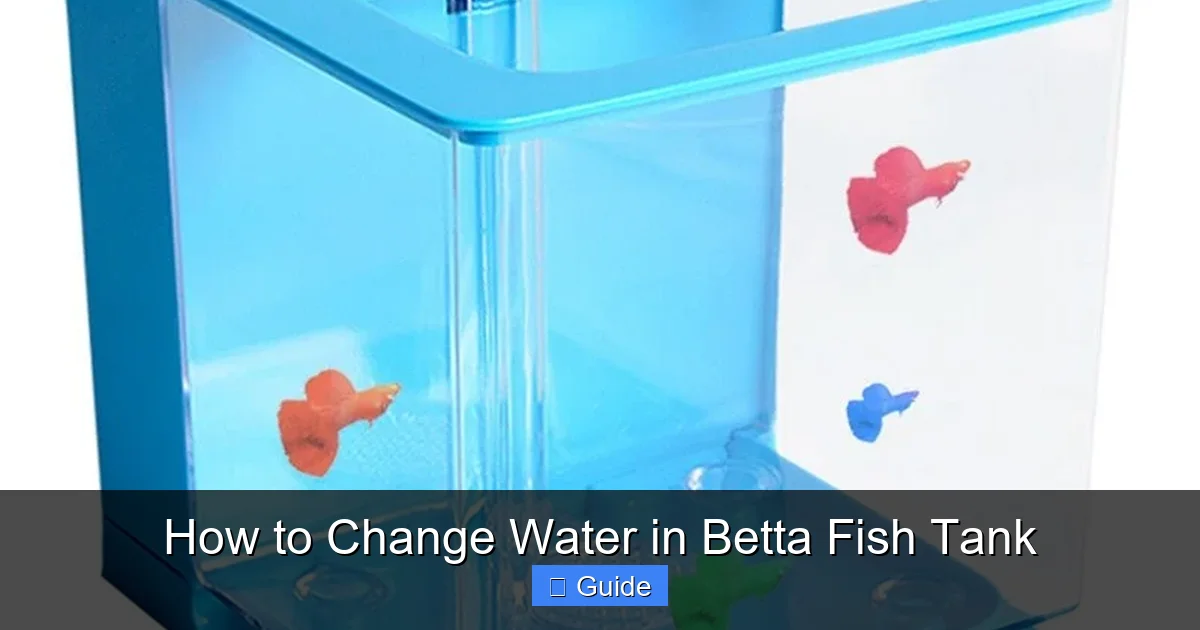
Now, the main event. This process is designed for a standard 5-10 gallon betta tank with a filter. The principles scale for larger or smaller setups. The goal is a partial water change of 25-50%.
Visual guide about How to Change Water in Betta Fish Tank
Image source: images.nexusapp.co
Step 1: Preparation and Initial Check
First, ensure your betta is acting normally. Then, gather all your supplies: siphon, two clean buckets, conditioner, thermometer. Fill your “clean” bucket with the amount of new water you plan to add (e.g., for a 5-gallon tank changing 2 gallons, fill the bucket with 2 gallons). This water must be treated with conditioner now. Follow the dosage instructions on your conditioner bottle—usually a few drops per gallon. Stir gently. Now, check the temperature of this new water with your thermometer. Adjust it to match your tank’s temperature. You can add a little warm (not hot) tap water from your faucet to a separate jug and mix, or let the bucket sit to reach room temperature, but the thermometer is your guide. Your target is a match within 1-2°F.
Step 2: Dechlorinate and Remove the Old Water
Place the wide end of your gravel vacuum into the substrate near the tank’s front glass. Start the siphon by submerging the entire tube and squeezing the bulb, or by the “submerge and release” method if it’s a simple hose. Once water is flowing, gently stir the top 1-2 inches of gravel with the vacuum tube. You’ll see debris and fish waste being sucked up. Move the vacuum slowly around the tank, systematically cleaning patches of substrate. Avoid disturbing the deep gravel bed too much. The water you remove, along with the debris, goes into your “dirty” bucket. Continue until you have removed the desired percentage of water (e.g., 2 gallons from a 5-gallon tank).
Step 3: Clean the Tank’s Surfaces (While Water is Low)
With the water level down, this is the perfect time to clean. Use your dedicated algae pad (never a household scrubber!) to gently wipe the inside glass. For decorations, rocks, or silk plants, remove them and rinse thoroughly in the bucket of dirty tank water you just removed. Never use tap water or soap. The old tank water contains beneficial bacteria and won’t shock the items. Scrub off any visible algae or gunk. You can also use a turkey baster to suck out debris from corners or under decorations.
Step 4: Add the Fresh, Conditioned, Temperature-Matched Water
This step requires patience. Place a clean cup, pitcher, or the spout of your clean bucket into the tank. Slowly pour the new water in. Pouring it against the glass or onto a decoration helps dissipate the force and prevents disturbing the substrate and stressing your betta. A common pro-tip is to place a plastic bag or a clean plate on the water’s surface and pour the new water onto that; it breaks the flow even more gently. Continue until the tank is filled to your desired level. Do not pour directly onto your betta.
Step 5: Final Check and Cleanup
Once filled, observe your betta for a minute or two. It should be swimming normally, not frantic. Check that your filter is running properly (you may have turned it off during the process if the water level dropped too low; restart it now). Wipe any water spots from the outside glass with a clean, dry cloth. Dispose of the dirty water appropriately (it’s great for houseplants or garden beds, as it contains fertilizer). Rinse your siphon and buckets with tap water and let them air dry until next time.
Common Mistakes That Can Harm Your Betta During Water Changes
Even with the best intentions, it’s easy to make errors that turn a necessary routine into a hazard. Here are the most frequent pitfalls and how to avoid them.
Visual guide about How to Change Water in Betta Fish Tank
Image source: images.nexusapp.co
Mistake 1: Using Untreated Tap Water
This is the #1 killer. Chlorine and chloramines in municipal water supplies are designed to kill microorganisms—that includes your betta and the beneficial bacteria in your filter. Every single drop of new water must be treated with a complete water conditioner. There are no exceptions, even if you have a filter. The conditioner must be added to the new water before it enters the tank, or you risk exposing your fish to a toxic plume of chemicals.
Mistake 2: Ignoring Temperature Matching
Pouring cold tap water into a warm betta tank is like throwing an ice bucket on a person. It causes severe thermal shock, weakening the immune system and often leading to immediate stress or death. Always use a thermometer. If your new water is too cold, warm a small portion separately in a clean vessel (never in the microwave) and mix. If it’s too warm, let it sit or add a little cooler conditioned water. Precision here saves lives.
Mistake 3: Over-Cleaning the Filter
The filter media (sponges, ceramic rings, bio-balls) is home to the precious beneficial bacteria that process toxins. If you rinse this media under the harsh, chlorinated tap water every week, you’ll crash the nitrogen cycle. The correct method is to rinse filter media only in the bucket of dirty tank water you just removed during the water change. Gently squeeze sponges to remove solid waste, but don’t overdo it. Replace only 25-50% of the media per month, and never all at once.
Mistake 4: Changing Too Much Water Too Often
While a 50% change is safe and effective, a 100% water change is a massive disruption. It removes all beneficial bacteria from the water column and surfaces, resets all water parameters (pH, hardness) drastically, and is profoundly stressful. It should only be done in an emergency (e.g., chemical spill). Stick to 25-50% weekly or bi-weekly for routine maintenance. This provides a stable, gentle refresh.
How Often Should You Change Water in a Betta Tank?
There is no single, universal answer. The frequency depends on several key factors, primarily tank size and filtration.
The Golden Rule: Test Your Water
The best schedule is dictated by your water parameters. Invest in a liquid test kit (like the API Freshwater Master Test Kit). Test weekly before your water change. The goal is to keep nitrate (NO3-) below 20 ppm for a betta tank. If your nitrate is consistently hitting 20 ppm or higher right before a change, you need to change water more frequently or in larger volume. If it’s barely registering, you might be able to stretch to every two weeks, but weekly is the safest and most recommended standard.
Tank Size and Filter Factor
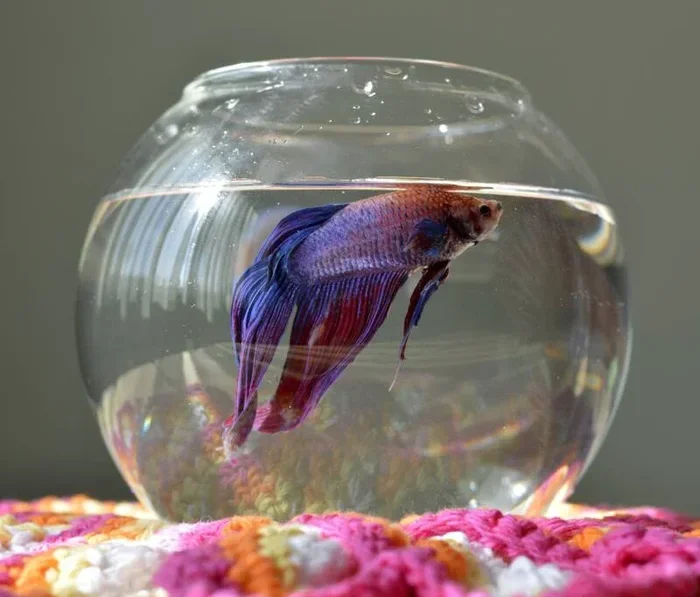
A common myth is that bettas can live in tiny “bowls.” They cannot. A filtered, heated 5-gallon tank is the absolute minimum. In a 5-gallon tank with a filter, a 25-30% weekly change is typically sufficient. In a larger 10-gallon tank, the same percentage might only need to be done every 10-14 days, but testing is still key. Unfiltered tanks (like in a vase) require 100% daily changes and are not recommended for long-term betta health. The filter provides surface area for bacteria and mechanical filtration, reducing the burden of waste and allowing for slightly less frequent changes.
Signs You Need to Change Water Immediately
Don’t wait for your scheduled day if you see cloudy water, a strong “fishy” odor, visible algae blooms, or if your betta is lethargic, gasping at the surface, or has clamped fins. These are signs of acute poor water quality, and an immediate 25-30% change is necessary.
Beyond the Water Change: Holistic Tank Maintenance for a Healthy Betta
A water change is the centerpiece, but it’s part of a larger maintenance routine. A truly healthy betta tank is a clean, stable system.
Filter Maintenance: The Gentle Touch
Once a month (or as per manufacturer instructions), perform filter maintenance. Turn off the filter. Disassemble it according to the manual. Rinse the mechanical media (sponges, floss) in your bucket of old tank water. Gently rinse the biological media (ceramic rings, bio-balls) if it’s very clogged, but try to preserve as much of the brown/grey biofilm as possible—that’s your bacteria! Never replace all biological media at once. Reassemble and restart. This keeps your bio-filter strong.
Substrate and Decor Care
During every water change, use your siphon to gently clean the top layer of gravel. For deep sand beds, be careful not to stir up too much anaerobic gas. Once a month, remove all decorations and rinse them thoroughly in old tank water. This controls algae and detritus buildup. A soft toothbrush dedicated to tank use can be helpful for scrubbing.
Observing Your Betta: The Final Check
Your daily 30-second observation is a critical diagnostic tool. Is your betta swimming actively? Are its fins fully extended and flowing? Is it eating eagerly? Does it recognize you? Any deviation from normal behavior—hiding, loss of color, ragged fins, scratching on objects—is a red flag. Often, the first response should be a check of water parameters and an extra, gentle water change. Your betta’s behavior is the ultimate feedback on your maintenance routine.
Conclusion: Making it a Habit, Not a Hassle
Changing the water in your betta fish tank is a simple act with profound consequences. It’s the direct link between you, the keeper, and the vibrant, thriving life in your care. By arming yourself with the right tools—a reliable siphon, a trustworthy water conditioner, and a simple thermometer—and following the calm, step-by-step process outlined here, you remove all fear and guesswork. You move from wondering “am I doing this right?” to knowing “I am providing the best possible environment.” Remember the core principles: always dechlorinate, always match temperatures, and always perform partial, not complete, changes. Let the water test kit be your guide for frequency. Integrate this 15-20 minute weekly ritual into your schedule, and you will be rewarded with a healthy, interactive, and stunning betta fish that will grace your home with its beauty and personality for years to come. You’ve got this. Your betta is counting on you.
Frequently Asked Questions
Can I use bottled spring water instead of tap water for my betta?
You can, but it’s usually unnecessary and costly. Bottled water often lacks essential minerals bettas need. If your tap water is extremely hard or has other issues after testing, you might consider a reverse osmosis (RO) system, but then you must add a mineral supplement back in. For most, properly conditioned tap water is the best, most complete option.
Is it okay to change 100% of the water if I do it very slowly?
Even with a slow drip, a 100% change removes all beneficial bacteria from the filter media and tank surfaces, crashing the nitrogen cycle and causing dangerous parameter swings. It also completely resets the water chemistry (pH, GH, KH), which is a massive shock. Stick to 25-50% changes for routine maintenance.
My betta hides during the water change. Is that normal?
Yes, that is very normal. The disturbance, bubbles, and changes in water flow can be stressful and scary for a betta. Hiding is a natural stress response. By using a gentle pour, not chasing the fish with the siphon, and ensuring the new water temperature matches perfectly, you minimize this stress. He or she will emerge and calm down once the tank settles.
Do I need to remove my betta from the tank during the water change?
No, you do not need to, and it’s usually best not to. Removing the fish causes more stress than the water change itself if done correctly. Keep the water flow gentle, avoid pouring directly on the fish, and the betta will swim around the lower water level. Only remove the betta if you are doing a very deep clean or an emergency full change, and then acclimate it slowly in a separate container with the new water.
How do I clean the algae on the glass without harming my betta?
Use an algae pad made specifically for aquariums (a smooth, non-scratch pad). Before you start siphoning, when the water is still full, gently scrape the algae off the inside glass. You can also use a magnetic cleaner for hands-free scraping. The algae you remove will settle to the bottom, and your siphon will then vacuum it up during the substrate cleaning phase.
My filter is making a loud gurgling noise after the water change. Why?
This is almost always because the water level in the filter’s intake tube or reservoir is too low. When you removed water from the tank, the water level in the filter’s sump or housing dropped below the recommended level. Simply add a little more water to the tank (or to the filter reservoir if it’s a canister) until the noise stops and water flows smoothly again.