Which Betta Fish Is the Most Aggressive

The Plakat (PK) betta is universally recognized as the most aggressive betta type, bred specifically for its tenacity and combat prowess. However, aggression is highly individual, and many other varieties like wild-types and halfmoon plakats can also be extremely territorial. Never house two male bettas together, as fights are often fatal. A properly sized, decorated tank is non-negotiable for managing even the mildest betta’s territorial instincts.
So, you’ve been mesmerized by the flowing fins and vibrant colors of a betta fish at the pet store. You bring one home, set up a beautiful tank, and then… you see it. The flaring. The charging. The relentless patrolling of a perceived border. It’s a common, and often shocking, introduction to betta ownership. The question isn’t just *if* your betta will be aggressive, but which betta fish is the most aggressive by nature? Understanding the roots of betta aggression is the first and most critical step in becoming a responsible and successful betta keeper. It’s not about finding a “nice” betta; it’s about respecting an inherent trait and providing an environment that allows that trait to exist without causing harm or excessive stress.
The short, direct answer is that the Plakat (PK) betta is the most aggressive betta type you can commonly find. But that simple answer opens a vast, fascinating, and crucial world of betta biology, selective breeding history, and individual temperament. Aggression in bettas isn’t a flaw; it’s a fundamental part of their identity, carved over centuries in the muddy rice paddies of Thailand (formerly Siam). To truly understand which betta is the most aggressive, we must look beyond the beautiful veil of a halfmoon’s fins and into the muscular, relentless world of the fighting fish.
Key Takeaways
- Plakat (PK) Bettas Are the Most Aggressive: Their short fins, muscular bodies, and historical breeding for combat make them the most consistently confrontational and territorial of all betta varieties.
- Wild-Type & “Traditional” Bettas Are Also Highly Aggressive: Bettas with natural, short fins (like the wild *Betta splendens*) and those bred for color rather than show fins retain strong fighting instincts.
- Fin Type Influences Perceived vs. Actual Aggression: Long, flowing fins (like halfmoons) can mask aggression but don’t eliminate it; they are simply less agile fighters. A “gimpy” fin can also trigger aggression in tankmates.
- Female Bettas Can Be Just as Aggressive: While often less frequent, female bettas establish clear pecking orders and can be brutally territorial, especially in sorority tanks or when housed with males.
- Individual Personality is Everything: Within any type, some bettas are docile “lap fish” while others are relentless. You must observe your specific fish, not just its breed label.
- Tank Setup is the Primary Management Tool: A minimum of 5 gallons with abundant hiding spots, visual barriers, and a secure lid is essential to mitigate aggression, regardless of the betta’s type.
- Never Assume Compatibility: The myth that “only male bettas fight” is dangerous. Mixing bettas with other fish requires extreme caution, as a betta’s aggression is often triggered by long fins, bright colors, or slow movement.
📑 Table of Contents
The Roots of Rage: A History Forged in Conflict
To pinpoint the most aggressive betta, we must travel back in time. The Betta splendens we know today is the product of hundreds of years of selective breeding, but that breeding took two dramatically different paths.
The Fighting Pits: The Birth of the Modern PK
Historically, bettas were not kept for their beauty. They were bred for one purpose: combat. In the 19th century, betting on betta fights was a popular pastime in Southeast Asia. Owners would pit their fish against each other in matches that could last for hours. The goal was not necessarily to kill the opponent (though that happened), but to make the other fish submit. These “fighter” bettas were selected for extreme traits: incredible jaw strength, a muscular, stocky body, short and sturdy fins that were hard to bite, and an unyielding, relentless spirit. They were bred to be durable, aggressive, and intelligent in their attacks.
This is the direct lineage of the modern Plakat betta. “Plakat” is Thai for “fighting fish.” These are the closest living representatives to the original fighting strains. They have a robust, chunky body, very short and often stiff fins (sometimes with a slight fringe), and a pronounced, almost “grumpy” facial expression. Their demeanor is noticeably different from their long-finned cousins. They are active, alert, and will flare at their own reflection with fierce intensity. Their aggression is not just territorial; it is a deep-seated, predatory, and combative drive. When you see a Plakat flare, it’s not a display; it’s a challenge.
The Beauty Pageant: The Rise of the Show Betta
In the early 20th century, Western breeders began selecting bettas not for fighting ability, but for the most stunning, flowing fins imaginable. This created the “show” or “ornamental” bettas: Halfmoons, Crowntails, Veiltails, Rosetails, etc. The selection criteria flipped. Breeders favored fish with the largest, most symmetrical, and most extravagant fins. The body type became more elongated and less muscular. The aggressive “fighter” spirit was, in theory, bred out in favor of a calmer disposition to accommodate these magnificent, cumbersome fins.
However, this is where the “most aggressive” question gets nuanced. While the general trend is that show bettas are less overtly aggressive than Plakats, the underlying fighting instinct never fully disappears. A poorly bred show betta can be just as nasty as a Plakat. Furthermore, the very traits selected for beauty can create other problems. A halfmoon with massive fins is a clumsy swimmer, making it an easier target for a nippy tankmate. Its long fins can also trigger aggression in other fish that see them as rival bettas. So, while the Plakat is the most consistently and intensely aggressive, the “show” betta’s aggression often manifests differently—through chronic stress, fin-nipping from tankmates, or sudden, unexpected outbursts.
The Aggression Spectrum: Beyond the Plakat Label
While the Plakat holds the crown, it’s crucial to understand that “most aggressive” exists on a wide spectrum. Many other types and factors contribute to a betta’s territorial nature.
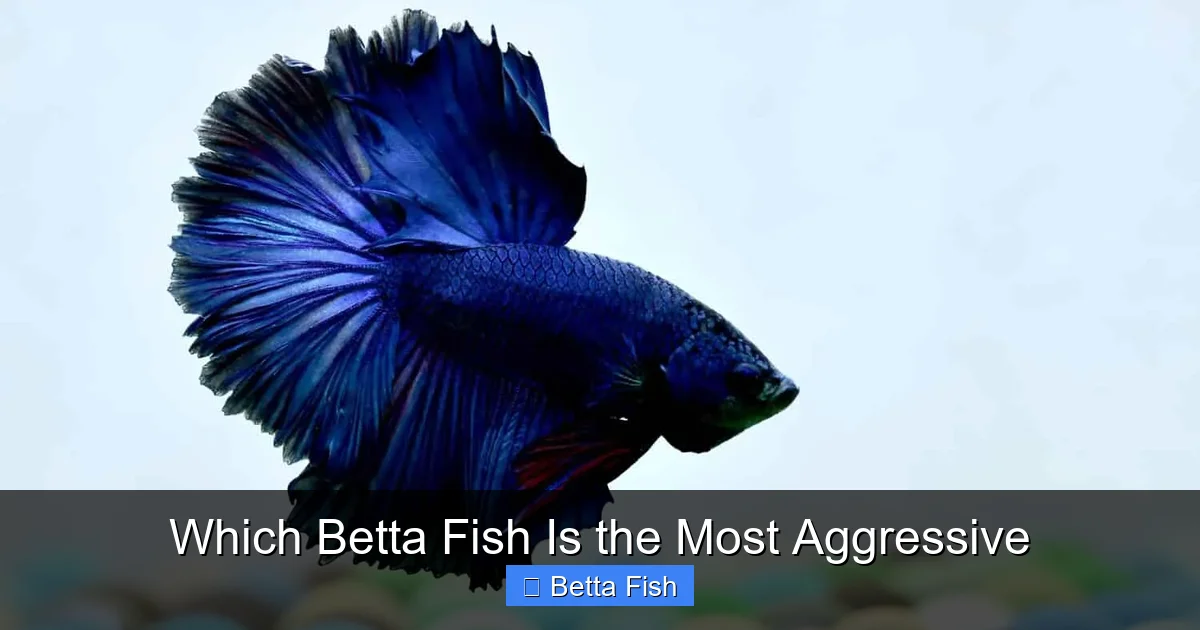
Visual guide about Which Betta Fish Is the Most Aggressive
Image source: a-z-animals.com
Wild-Type & “Traditional” Bettas: The Unchanged Aggressors
Before selective breeding for fins, all bettas were essentially wild-types. They have a sleek, slightly elongated body, short to medium fins, and the classic “shimmer” of iridescent scales. They are incredibly active, intelligent, and perceptive. Because their breeding was never focused on eliminating aggression (unlike many show lines), wild-types and traditional bettas (often sold simply as “Betta splendens” without a fin-type label) retain a very strong, natural aggression. They are excellent jumpers, voracious hunters of tiny invertebrates, and fiercely protective of their space. They are often more alert and reactive than their plakat cousins, making them a close second on the aggression scale. Their aggression is sharp, quick, and intelligent.
The “Aggressive” Fin Types: More Than Just a Plakat
It’s a common mistake to think only Plakats fight. Any betta with relatively short, sturdy fins can be a serious aggressor. This includes:
- Halfmoon Plakats (HMPK): A hybrid that combines the compact, muscular body of a Plakat with the 180-degree tail spread of a halfmoon. They have the fighting spirit of a PK but with slightly more finnage. Their aggression is potent and they are formidable swimmers.
- Crowntails (CT): Known for their spiky, reduced webbing, Crowntails often have a very alert and “cranky” temperament. The reduced finnage gives them agility similar to a Plakat, and many display intense territorial behavior.
- Doubletail (DT): While breathtakingly beautiful, Doubletails can have a darker side. The genetic mutation that creates two caudal fins is linked to other developmental issues, and some DTs can be surprisingly aggressive, possibly due to underlying stress or simply a strong, stubborn personality that co-occurs with the mutation.
The rule of thumb is: the less fin, the more agile and fighter-like the betta tends to be. Long fins are a handicap in a fight, so bettas bred for combat always had short, functional fins.
The “Docile” Fin Types: A False Sense of Security
Conversely, bettas with the most extreme finnage—like Rosetails, Feathertails, and very large, delicate Halfmoons—are often perceived as the least aggressive. And in many cases, they are. Their massive fins make them slow, energy-intensive swimmers. They expend so much energy just moving that they often seem less reactive. However, this does not mean they are safe tankmates. They are vulnerable. Their flowing fins are like red flags to any curious, nippy fish (like some tetras or barbs). They can also be bullies themselves if they perceive a threat, using their size to intimidate slower fish. Their aggression is often more about stubborn possession of a prime leaf or cave than active pursuit. Never assume a giant halfmoon is “safe” for a community tank without extensive research and a massive, heavily planted setup.
It’s a Personality Thing: The Individual Betta
Here is the most critical truth in the entire which betta fish is the most aggressive conversation: labels are guidelines, not guarantees. You can buy a Plakat that is a curious, gentle soul who flares at nothing but his own reflection. You can also buy a veiltail that will attempt to fight its own shadow. Aggression is a polygenic trait—it’s influenced by many genes and, just as importantly, by environment and early life experiences.
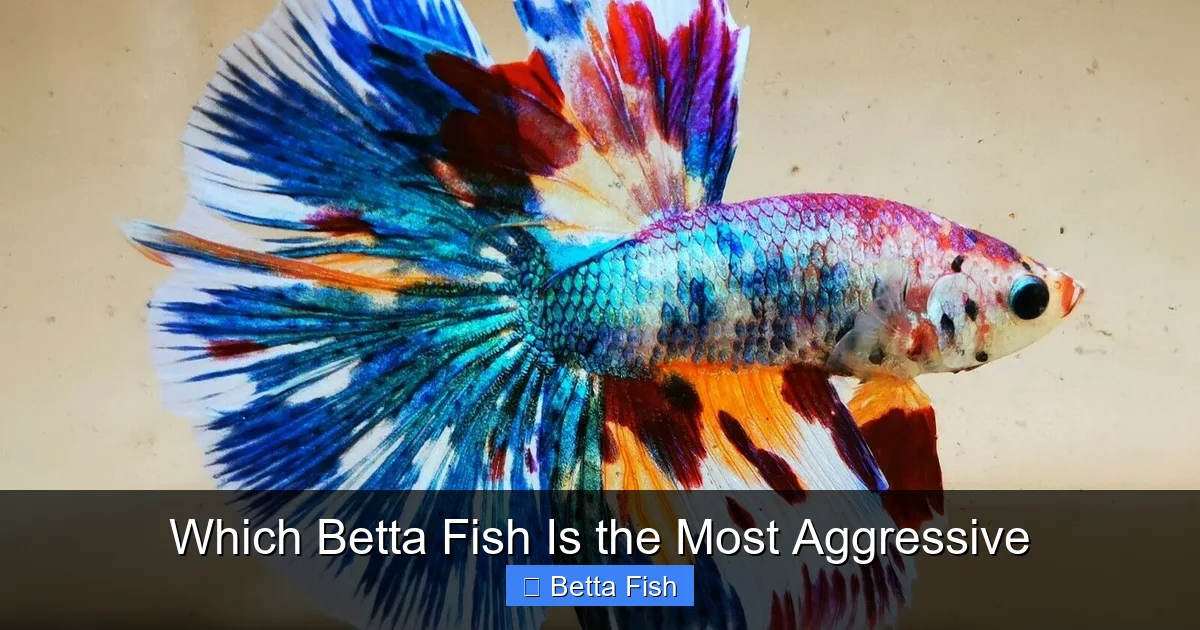
Visual guide about Which Betta Fish Is the Most Aggressive
Image source: i.pinimg.com
A betta raised in a crowded, dirty pet store cup will often be more stressed and reactive than one raised in a pristine, spacious breeder’s tank. Its first interactions with other fish (or lack thereof) shape its behavior. A betta that has never seen another fish may be curious, while one that has been attacked by tankmates may be preemptively aggressive. This is why the “personality betta” trend is so important. Reputable breeders and stores will often let you observe a betta’s behavior—how it reacts to a stick near the glass, how it interacts with other bettas in adjacent containers. Choosing a betta based on observed temperament, not just color or fin type, is the single best way to find a compatible pet.
So, while we can scientifically and historically crown the Plakat as the most aggressive type, your specific betta’s behavior is its own. You must be prepared for the full spectrum of possibility, from the Plakat who flares at your finger to the halfmoon who lets a shrimp steal his food.
The Female Factor: Don’t Overlook the Hens
Focusing only on males is a major oversight. Female bettas, or “hens,” are often incorrectly labeled as “less aggressive.” This is a dangerous myth. Female bettas are fully capable of establishing complex dominance hierarchies and displaying fierce territoriality.
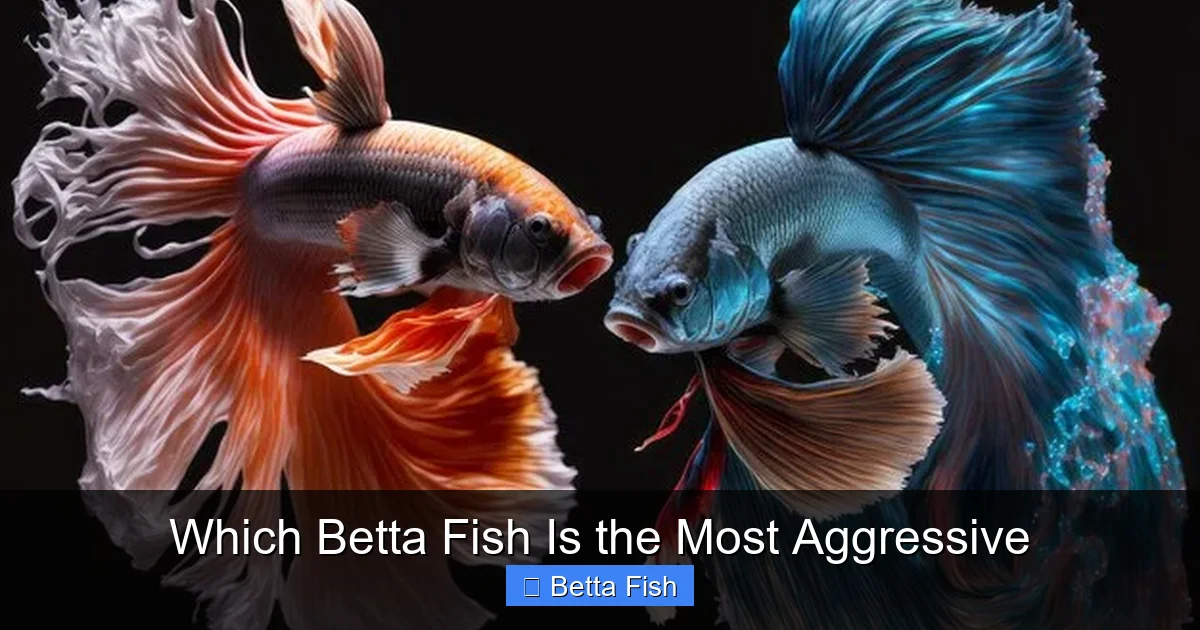
Visual guide about Which Betta Fish Is the Most Aggressive
Image source: img.freepik.com
In the wild, a female’s aggression is primarily directed at other females to establish a stable social order within a territory. This is why “sorority tanks” (groups of females) are possible, but they are not easy or beginner-friendly. They require a large, heavily planted tank (minimum 20+ gallons for 5+ females) with countless visual barriers to break lines of sight. Without this, one dominant hen will relentlessly bully and often kill the others. The aggression can be subtle at first—chasing, nipping at fins— escalating to serious injury.
Furthermore, a female’s aggression is not limited to other females. A broody, egg-heavy female can become explosively aggressive toward any fish, including a male betta introduced for breeding, if she is not perfectly ready. She may also view a male betta as a threat to her territory. Many experienced keepers will tell you they have had a single female betta in a community tank who was a more relentless, persistent bully than any male they’ve owned. Her aggression might be less about dramatic flaring and more about constant chasing and fin-nipping, which can be equally deadly to slow-moving tankmates.
Tank Setup: The Non-Negotiable Foundation for Managing Aggression
No matter which betta fish is the most aggressive on paper, its environment dictates its behavior. A tiny, barren, open tank is a recipe for disaster, turning even a mild-mannered betta into a stressed, chronically flaring wreck. A proper tank is not a luxury; it is a requirement for the health of the betta and any potential tankmates.
The Absolute Minimum: Size and Security
The “betta bowl” is animal cruelty, not pet ownership. The absolute minimum tank size for a single betta is 5 gallons. This provides enough space for the betta to establish a true territory with distinct zones (a resting spot, a foraging area, a “front porch”). A larger tank (10+ gallons) is always better and provides more stability. Crucially, the tank must have a secure, tight-fitting lid. Bettas are labyrinth fish and expert jumpers. They will leap to their death given half a chance.
The Art of Aquascaping for Aggression Management
The goal is to break the tank into a series of small, visually distinct territories. This reduces the betta’s perception of a single, large “kingdom” to defend.
- Heavy Planting: Live plants are ideal (Java fern, Anubias, Cryptocoryne), but high-quality silk plants work too. Create dense forests, especially in the mid-level and foreground. This provides hiding spots for other fish and visual barriers for the betta, so it doesn’t see a tankmate constantly in its line of sight.
- Hardscape & Caves: Use driftwood, rocks, and ceramic caves to create nooks, crannies, and overhangs. A betta will often claim a specific leaf or cave as its “home base.” Providing multiple options diffuses this possessive behavior.
- Floating Plants: A canopy of floating plants (like duckweed, frogbit, or water lettuce) is a betta’s dream. It mimics their natural habitat, reduces stress by filtering light, and provides a crucial surface for them to rest and build bubble nests. It also breaks up the water column visually.
- Avoid Mirrors: While a mirror can be a useful temporary tool for a bored betta (to allow it to flare and exercise), leaving one in the tank permanently will cause chronic stress as the betta believes it is in constant combat with an intruder.
Community Tank Considerations: A High-Risk Gamble
Introducing other fish to a betta tank is a calculated risk, not a given. The betta’s aggression is the primary variable. As a general rule, the more aggressive the betta type (Plakat, wild-type), the less likely a community tank will succeed. For a show-type betta in a large, well-planted 10+ gallon tank, carefully selected tankmates might work. The rules for companions are strict:
- NO long, flowing fins (fancy guppies, some angelfish).
- NO bright, flashy colors (some male guppies, some tetras).
- NO slow, deliberate swimmers (some fancy goldfish, some catfish).
- YES to fast, schooling, drab fish (harlequin rasboras, ember tetras in a large school, danios).
- YES to bottom-dwellers that stay out of sight (corydoras catfish, Kuhli loaches, certain plecos).
- YES to inverts like amano shrimp or large, fast ghost shrimp (not cherry shrimp, which will be eaten).
Always have a backup plan (a separate “hospital” tank) to remove a betta or a victim at the first sign of persistent chasing or fin-nipping.
Conclusion: Respect the Fighter in Every Betta
So, which betta fish is the most aggressive? The title belongs unequivocally to the Plakat betta, the living legacy of the fighting pits. Its compact power, relentless drive, and historical purpose make it the undisputed champion of betta aggression. Closely following are the wild-types and other short-finned varieties that retain that raw, natural instinct. The long-finned show bettas, while often less overtly combative, carry the same genetic blueprint and can display surprising territoriality, especially when stressed or provoked by their environment.
This entire exploration leads to one inescapable, fundamental principle: you do not choose a betta based on a hope for a peaceful temperament. You choose a betta with the full understanding and respect for its inherent, centuries-old nature as a solitary, territorial fighter. Your job as a keeper is not to eliminate this aggression—that is impossible—but to manage it. You manage it through a spacious, complex, and secure tank environment. You manage it through careful, cautious consideration of any potential tankmates. You manage it by observing your individual fish and learning its unique personality.
The moment you see your betta flare at you, don’t take it personally. See it for what it is: a breathtaking display of vitality, a remnant of a wild and fierce spirit, and a reminder of the profound responsibility you hold. By providing the right space and respecting its boundaries, you allow that ancient fighter to thrive not in conflict, but in a kingdom of its own. The most successful betta keeper isn’t the one who finds the “nicest” fish, but the one who understands and honors the fighter in all of them.
Frequently Asked Questions
Can I keep two male betta fish together if they are from a “less aggressive” variety like a Halfmoon?
No. Never. Housing two male bettas together, regardless of fin type, is extremely dangerous. They are solitary, territorial fish by nature. Even a “docile” halfmoon will perceive another male as an intruder in its territory, leading to violent fights that often result in serious injury or death for one or both fish. There is no such thing as a peaceful male betta sorority.
Are female betta fish less aggressive than males?
Not necessarily. Female bettas can be just as territorial and aggressive, especially towards other females. While they may not flare as dramatically as males, their aggression often manifests as persistent chasing and fin-nipping, which can be equally lethal in a confined space. Sorority tanks for females are high-risk and require expert-level tank setup and monitoring.
What are the first signs that my betta is becoming aggressive?
Early signs include flaring (gills and fins puffed out), intense, rapid patrolling of a specific tank area, and “barracking” where it positions itself at the glass and stares. Escalated signs are charging at tankmates or your hand, persistent chasing, and biting or nipping at the fins of other fish. If you see sustained chasing, the victim is under severe stress and must be removed immediately.
Can I calm down an aggressive betta?
You can’t fundamentally change its personality, but you can manage environmental stressors that exacerbate aggression. Ensure the tank is large enough (5+ gallons), heavily planted with hiding spots, and has a consistent light/dark cycle. Reduce reflections by adjusting lighting or using a background. A bored betta can be more reactive, so provide safe enrichment like a floating log or a gentle bubble stream. Never punish flaring; it’s a natural response.
Is it true that Plakat bettas are always the most aggressive and impossible to keep with other fish?
Plakats are the most consistently aggressive type due to their fighting heritage. While a *few* exceptionally mild-mannered individuals might tolerate fast, drab tankmates in a very large, heavily planted tank, it is a very high-risk endeavor. For 99% of keepers, a Plakat should be a solitary fish. Their strong predatory instinct also means they are more likely to see small shrimp or slow fish as food.
What’s the single most important thing I can do to prevent aggression issues?
Provide a properly sized and aquascaped tank from day one. A 5-gallon tank with abundant plants, caves, and visual barriers is the foundation for any betta’s wellbeing. This gives the fish its own defined territory, reduces stress from constant exposure to tankmates or reflections, and provides escape routes. Without this foundation, no amount of “calm” betta selection will prevent aggression and stress.