Will Betta Fish Eat Guppy Fry
Betta fish are curious predators, and they often see tiny guppy fry as a snack. However, with the right tank setup, feeding schedule, and careful monitoring, you can reduce the risk and even raise both fish together successfully.
Key Takeaways
- Betta temperament matters: Some bettas are aggressive hunters, others are more peaceful.
- Size is critical: Fry smaller than 5 mm are most vulnerable to predation.
- Tank design helps: Plants, hides, and a split‑tank can protect fry.
- Feeding timing reduces risk: Feed the betta first, then add fry to a well‑fed tank.
- Observe daily: Early signs of stress or aggression let you act fast.
- Alternative foods: Offer frozen or live foods that satisfy the betta’s hunting instinct.
- Know the limits: Not every betta–guppy combo will work; be ready to separate if needed.
📑 Table of Contents
- Introduction: The Curious Question
- 1. Betta Behavior and Feeding Habits
- 2. Understanding Guppy Fry Vulnerability
- 3. Setting Up a Safe Tank Environment
- 4. Feeding Strategies to Reduce Predation
- 5. Monitoring and Responding to Behavior
- 6. Real‑World Examples and Tips
- Conclusion: Can You Safely Raise Guppy Fry With a Betta?
Introduction: The Curious Question
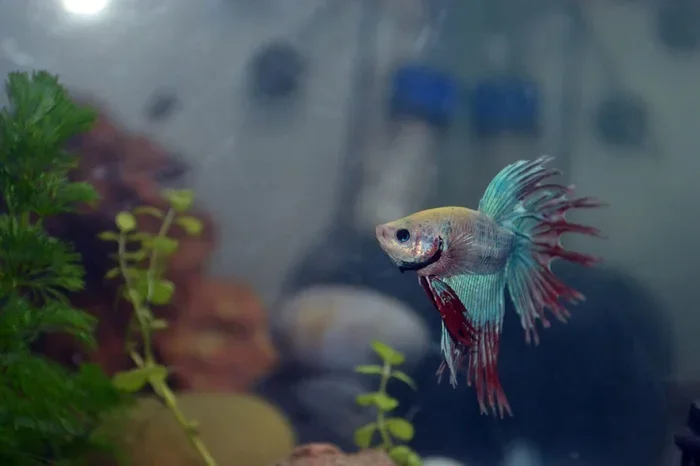
If you’ve ever set up a community tank with a bright‑tailed betta and a school of guppies, you’ve probably wondered, will betta fish eat guppy fry? The answer isn’t a simple yes or no. Betta fish (Betta splendens) are natural surface hunters. Their instinct is to snap at anything that moves near the water’s top, especially tiny, wriggling prey. Guppy fry, being small and often swimming near the surface, can look like an easy meal.
But bettas are also individuals. Some are gentle giants who ignore their tankmates, while others are fierce predators that will strike at the first movement. Understanding the factors that influence this behavior—size, temperament, tank setup, and feeding routine—will help you make an informed decision about mixing these two popular species.
1. Betta Behavior and Feeding Habits
Natural hunting instincts
In the wild, bettas live in shallow, slow‑moving waters of Thailand and Malaysia. They hunt insects, larvae, and tiny crustaceans that drift just below the surface. Their mouths are designed for quick, upward strikes, and they have a strong territorial streak. This makes them excellent at catching small, fast‑moving prey—exactly the kind of motion guppy fry exhibit.
What will betta fish eat?
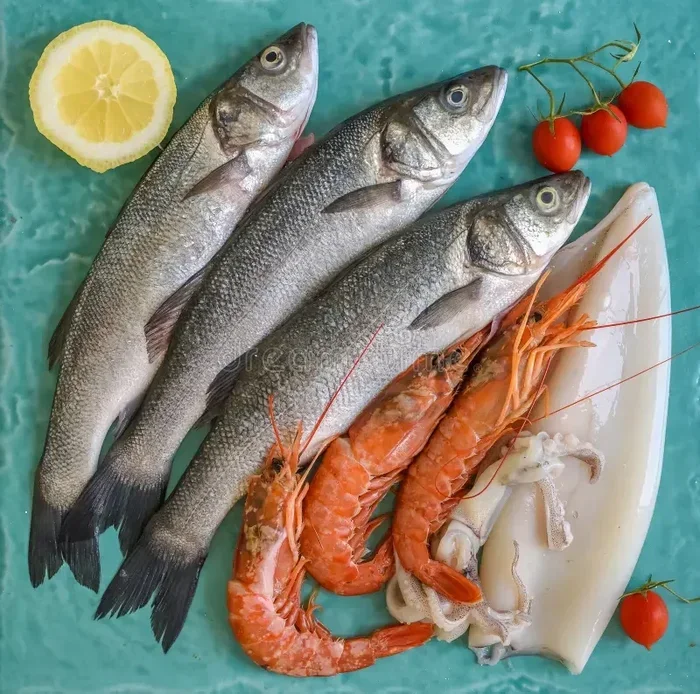
For a deeper dive into a betta’s diet, see our guide on what will betta fish eat. In short, they love high‑protein foods: live or frozen brine shrimp, daphnia, bloodworms, and quality pellets. When they’re hungry, they’ll also chase after small fish, snails, and shrimp. This is why the question “will betta fish eat guppy fry” is so common—guppy fry fit right into the size range of a betta’s favorite snack.
Individual temperament
Not every betta behaves the same. Some have been raised in community tanks and are accustomed to other fish, while others have lived alone and view any newcomer as a rival. Observing your betta’s reaction to new objects, mirrors, or other fish will give clues about how likely it is to go after fry.
2. Understanding Guppy Fry Vulnerability
Size matters
Guppy fry hatch at about 2–3 mm and grow quickly, reaching 5 mm within a week if fed well. A betta can easily swallow a fry that’s under 5 mm, so the first 7–10 days are the riskiest. After that, the fry become too large for most bettas to consider a snack.

Visual guide about Will Betta Fish Eat Guppy Fry
Image source: i.ytimg.com
Behavior of fry
Fry tend to stay near the surface looking for food, which puts them directly in the betta’s line of sight. They also move in sudden bursts—exactly the kind of motion that triggers a betta’s predatory reflex.
Protective strategies
Adding live plants, moss, and floating roots creates a maze of cover. Fry can hide among the foliage, reducing visible movement and making it harder for the betta to target them. A well‑planted tank also improves water quality, which benefits both species.
3. Setting Up a Safe Tank Environment
Tank size and layout
A minimum of 10 gallons is recommended for a betta‑guppy community. This provides enough space for the betta to establish its territory while giving guppies room to swim away. Use a long, horizontal tank rather than a tall one; this spreads the betta’s aggression over a larger area.

Visual guide about Will Betta Fish Eat Guppy Fry
Image source: ewscripps.brightspotcdn.com
Dividers and breeding nets
One of the easiest ways to protect fry is to use a breeding net or a clear acrylic divider. Place the net over the fry area; the betta can see the fry but can’t reach them. This method works well for the first week when fry are most vulnerable.
Plants and hiding spots
Floating plants like Duckweed or Salvinia create a “green ceiling” that blocks the betta’s view from above. Stem plants such as Java fern and Hornwort give fry places to tuck into. The more vertical structure, the better the fry’s chances.
Water parameters
Both bettas and guppies thrive in slightly acidic to neutral water (pH 6.5–7.5) and temperatures of 76–80 °F (24–27 °C). Stable parameters reduce stress, which can otherwise make a betta more aggressive and a fry more prone to disease.
4. Feeding Strategies to Reduce Predation
Feed the betta first
Give your betta a hearty meal of high‑protein food (e.g., frozen brine shrimp) 30 minutes before introducing fry. A full stomach reduces the urge to hunt.
Offer fry their own food
Use finely crushed powdered flake or specially formulated fry food. Sprinkle it near the plants where fry congregate. This keeps them busy and less likely to wander into the betta’s line of sight.
Alternative prey
Providing live or frozen foods that satisfy the betta’s hunting instinct can be a game‑changer. For more ideas on what bettas love, check our article on what can betta fish eat. The key is to give the betta a “real” target that isn’t your precious fry.
Feeding frequency
Betas typically eat 2–3 times per day. Over‑feeding can lead to water quality issues, while under‑feeding may increase predatory behavior. Aim for small portions that the betta can consume within a few minutes.
5. Monitoring and Responding to Behavior
Daily observation
Spend at least five minutes each day watching the betta’s reaction to the fry. Look for signs of stalking: the betta flaring its fins, hovering near the surface, or making rapid dashes toward the fry.
Early warning signs
If the betta starts to nip at the fry or shows excessive aggression toward the guppies, it’s time to intervene. Move the fry to a separate rearing tank or increase the cover in the main tank.
When to separate
Some bettas simply cannot coexist with fry, no matter how many plants you add. If you notice repeated attacks, it’s kinder to give the fry a safe space. A small 2‑gallon “grow‑out” tank with a sponge filter works well.
6. Real‑World Examples and Tips
Case study: Gentle betta, successful fry raise
Emily kept a male betta named “Jewel” in a 15‑gallon tank with a group of 6 guppies. She added a breeding net and a dense carpet of Java moss. After feeding Jewel a large portion of frozen bloodworms, she introduced the fry. Within a week, the fry were thriving, and Jewel never bothered them. Emily’s secret was consistent feeding and a well‑planted tank.
Case study: Aggressive betta, fry loss
Mark’s betta, “Titan,” was a champion fighter who loved to flare. He tried to keep fry in the same tank without any cover. Within two days, Titan ate three out of five fry. Mark learned to use a divider and now raises fry in a separate tank before re‑introducing them once they’re larger.
Practical tip: Use a “sponge filter”
Sponge filters create gentle water flow without sucking fry into the intake. They also provide surface area for beneficial bacteria, improving water quality for both betta and guppies.
Practical tip: “Live food day” once a week
Designate one day a week for live foods like daphnia or microworms. This satisfies the betta’s predatory drive and keeps it from looking at fry as the only moving target.
Conclusion: Can You Safely Raise Guppy Fry With a Betta?
The short answer is yes—will betta fish eat guppy fry depends on the betta’s temperament, the size of the fry, and the tank environment you provide. By feeding your betta first, offering plenty of hiding places, and monitoring behavior closely, you can dramatically lower the risk of predation. However, be prepared to move the fry to a separate rearing tank if aggression shows up. With patience and the right setup, both the flamboyant betta and the lively guppy fry can share a beautiful, thriving community.
Frequently Asked Questions
Will a betta always eat guppy fry?
No. While many bettas are natural predators and will go after small fry, some are calm enough to ignore them, especially if they are well‑fed and have plenty of cover.
How long are guppy fry safe around a betta?
Fry are most vulnerable for the first 7–10 days after hatching. After they reach about 5 mm, most bettas lose interest.
Can I use a breeding net to protect fry?
Yes. A clear breeding net lets the betta see the fry but prevents it from reaching them, making it a popular solution for the early fry stage.
What should I feed my betta to reduce its urge to hunt fry?
Offer high‑protein foods like frozen brine shrimp, bloodworms, or daphnia right before introducing fry. This satisfies the betta’s hunting instinct with a more appropriate target.
Do guppies and bettas need the same water parameters?
Both prefer temperatures between 76–80 °F (24–27 °C) and a pH of 6.5–7.5. Keeping parameters stable helps reduce stress for both species.
Is it better to keep betta and guppy fry in separate tanks?
If your betta shows any signs of aggression, separating them is the safest choice. A small 2‑gallon “grow‑out” tank works well for raising fry until they’re large enough to join the main community.