How to Pet Your Betta Fish
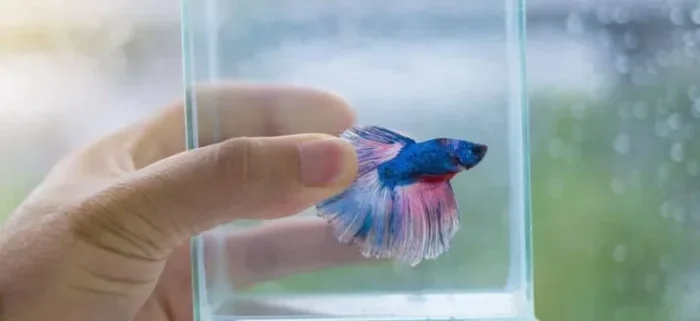
Petting your betta fish can strengthen your bond and boost their happiness. This guide shows you the safe, gentle way to touch your betta, how to read their body language, and what mistakes to avoid. You will learn practical tips that make the experience enjoyable for both you and your fish.
Have you ever looked at your betta fish and wondered if they would enjoy a gentle touch? Many fish owners assume their pet is too delicate or too wild to ever be petted. The truth is, petting your betta fish can be a wonderful way to strengthen your connection and build trust over time.
Betta fish are more interactive than most people realize. They recognize their owners, respond to movement, and can even learn simple routines. With the right approach, gentle handling of betta fish becomes a rewarding part of daily betta fish care. In this guide, we walk you through everything you need to know — from preparation to reading your fish’s body language.
Whether you are a new betta parent or have had your fish for months, this article will give you the confidence to try something new. Bonding with betta fish through touch takes patience, but the results are worth it. Let us dive in and explore how to do it safely.
Key Takeaways
- Betta fish can be petted gently if you follow the right steps and wait for trust to build.
- Wash your hands and check water conditions before ever touching your betta.
- Look for signs of enjoyment like swimming closer or flaring fins in a relaxed way.
- Never touch their gills or squeeze — this can harm or stress your fish.
- Build trust first through hand feeding and regular tank interaction.
- Avoid common mistakes like using lotions, touching too often, or petting a stressed fish.
📑 Table of Contents
- Can You Actually Pet a Betta Fish?
- How to Prepare Before Petting Your Betta Fish
- The Right Way to Pet Your Betta Fish
- Signs Your Betta Fish Enjoys Being Petted
- Common Mistakes to Avoid When Petting Your Betta Fish
- Building Trust Before You Ever Touch Your Betta Fish
- When Not to Pet Your Betta Fish
- Conclusion
Can You Actually Pet a Betta Fish?
The short answer is yes. But it is not as simple as reaching into the tank and touching your fish. Betta fish interaction requires a gentle approach and a foundation of trust. These fish have delicate scales and sensitive skin that can be damaged by rough handling.
Betta fish personality varies from one fish to another. Some bettas are naturally curious and will swim right up to your hand. Others are shy and may hide when you approach the tank. Understanding your individual fish plays a big role in how successful gentle handling of betta fish will be.
Before you try to pet your betta, make sure their betta fish tank is clean and the water parameters are stable. A stressed fish in poor water conditions will not respond well to touch. Betta fish health always comes first. If your fish seems unwell, focus on treatment before attempting any interaction.
Why Touch Matters for Betta Fish
Touch is one of the ways humans bond with animals. For betta fish, gentle contact can signal safety and familiarity. Over time, your fish may begin to associate your hand with positive experiences like food and calm surroundings. This is a key part of bonding with betta fish and can make your pet more responsive and engaged.
How to Prepare Before Petting Your Betta Fish
Preparation is the most overlooked step in petting your betta fish. Skipping this stage can lead to stress, injury, or a scared fish that refuses to trust you again. Follow these steps every time before you reach into the tank.
Step 1: Wash Your Hands Thoroughly
Your hands carry oils, lotions, soaps, and bacteria that can harm your fish. Wash your hands with warm water and plain soap. Rinse completely and dry them with a clean towel. Never use hand sanitizer before reaching into the tank, as the chemicals are toxic to fish.
Step 2: Check the Water Temperature and Quality
Betta fish thrive in warm, clean water. Before handling your fish, make sure the betta fish water is between 76 and 82 degrees Fahrenheit. Use a reliable thermometer to check. If the water feels off or looks cloudy, do not attempt to handle your fish. Instead, focus on how to change your betta fish water first.
Step 3: Let Your Fish Come to You
Do not chase your betta around the tank. Instead, place your hand near the glass and wait. Let your fish decide when to approach. This shows respect for their space and builds trust naturally. Many bettas will swim over to investigate within a few minutes.
The Right Way to Pet Your Betta Fish
Once your fish is comfortable and swimming near your hand, you can begin the actual petting process. The technique matters more than you might think. Petting your betta fish the wrong way can cause stress or physical harm.
Use One Finger, Gently
Extend one index finger into the water slowly. Let your betta sniff and investigate it. When your fish nuzzles or touches your finger, you can gently stroke the top of their head or back. Use the softest pressure — think of it as barely touching the surface. Never press down or rub hard.
Where to Pet and Where Not To
The safest areas to pet are the top of the head, the forehead, and the back near the tail. These areas have fewer sensitive organs. Avoid the gills at all costs — they are extremely delicate. Also, never touch the belly or squeeze the body, as this can injure internal organs.
Keep Sessions Short
Start with just a few seconds of contact. As your fish gets used to the sensation, you can gradually extend the time. Most bettas enjoy sessions of 30 to 60 seconds. Longer sessions can overwhelm your fish, especially in the beginning. Watch for signs of discomfort and stop immediately if you notice them.
Signs Your Betta Fish Enjoys Being Petted
Reading your fish’s body language is essential. Not every betta will react the same way, but there are clear signs of a happy betta fish that tell you the experience is positive.
- Swimming closer to your hand — this means your fish feels safe and curious.
- Flaring fins in a relaxed way — gentle fin movement shows comfort, not aggression.
- Nuzzling against your finger — a clear sign of trust and enjoyment.
- Remaining calm and still — a relaxed fish is a happy fish during handling.
- Following your finger around the glass — this shows interest and engagement.
If your fish hides, darts away, or clamps its fins tightly, stop immediately. These are signs of betta fish stress and mean the experience was not positive. Go back to basics like how to make your betta fish happy and try again another day.
Common Mistakes to Avoid When Petting Your Betta Fish
Even well-meaning owners can make mistakes that harm their fish or ruin the trust-building process. Here are the most common errors to watch out for.
Using Lotions or Creams on Your Hands
Moisturizers, sunscreens, and lotions contain chemicals that are deadly to fish. Always wash and dry your hands with plain water before touching your betta fish tank. This is one of the simplest yet most overlooked safety rules in betta fish care.
Petting Too Frequently
Daily handling can overwhelm your fish. Limit gentle handling of betta fish to a few times per week. This gives your pet time to rest and reduces the risk of stress-related illness. Quality matters more than quantity when it comes to betta fish interaction.
Ignoring Stress Signals
If your fish shows signs of stress, do not push through. Forcing contact breaks trust and can lead to long-term behavioral issues. Always respect your fish’s boundaries. If today is not a good day, try again tomorrow.
Skipping Tank Maintenance
A dirty tank makes your fish more vulnerable to disease and less receptive to handling. Keep up with regular cleaning. Learn how to clean your betta fish tank properly so your fish stays healthy and comfortable. A healthy fish is a more social and interactive fish.
Building Trust Before You Ever Touch Your Betta Fish
Not all bettas are ready to be petted right away. In fact, most bettas need a trust-building period before they are comfortable with human touch. This process is just as important as the petting itself.
Start with Hand Feeding
Hand feeding is one of the best ways to build trust. Drop a few pellets or live food near your finger and let your fish eat from your hand. This teaches your betta that your presence means good things. Over time, your fish will associate your hand with food and feel safer around it.
Spend Time Near the Tank
Sit by your tank and talk softly to your fish. Move your hand slowly along the outside of the glass. This helps your betta get used to your presence without any pressure. Many owners find that their fish become more active and curious the more they do this.
Try Interactive Activities
You can also play games with your betta fish or teach simple tricks to build a deeper connection. These activities reinforce positive associations and make your fish more comfortable with your hands near the tank. Eventually, this natural progression leads to gentle petting sessions.
When Not to Pet Your Betta Fish
There are times when you should avoid handling your fish entirely. Recognizing these moments is just as important as knowing how to pet them correctly.
- After a water change — wait at least a few hours for your fish to settle.
- When your fish is sick — focus on treatment and recovery first.
- During feeding time — let your fish eat without distractions.
- If your fish is new to the tank — give it at least two weeks to adjust.
- When the water is cold — cold water stresses bettas and makes them more sensitive.
If you are unsure about your fish’s health or comfort level, it is always better to wait. Betta fish safety should always come before any interaction. Patience is the key to a lasting, positive relationship with your pet.
Conclusion
Petting your betta fish is a beautiful way to deepen your bond and enjoy a more interactive relationship with your pet. It requires patience, the right technique, and a genuine respect for your fish’s comfort level. By following the steps in this guide, you can create a safe and enjoyable experience for both you and your betta.
Remember to always prepare your hands, check the water, and watch for your fish’s signals. Keep sessions short and positive. Over time, your betta will learn to trust and even look forward to these gentle moments of connection. The goal is not just to touch your fish — it is to build a relationship based on trust, care, and understanding.
Start small, stay consistent, and enjoy the journey of connecting with your betta on a deeper level. Your fish will thank you for it.