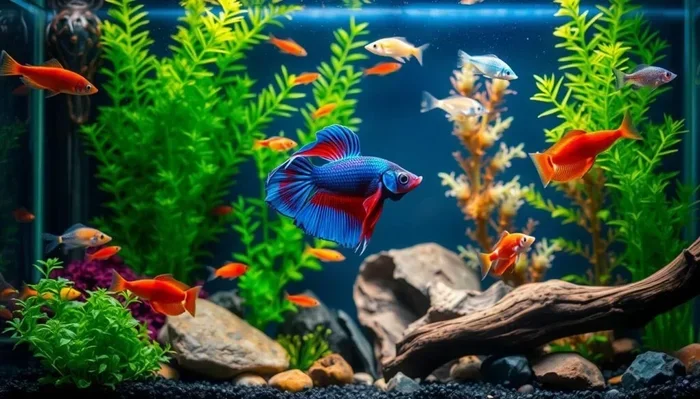
Will Betta Fish Eat Guppies
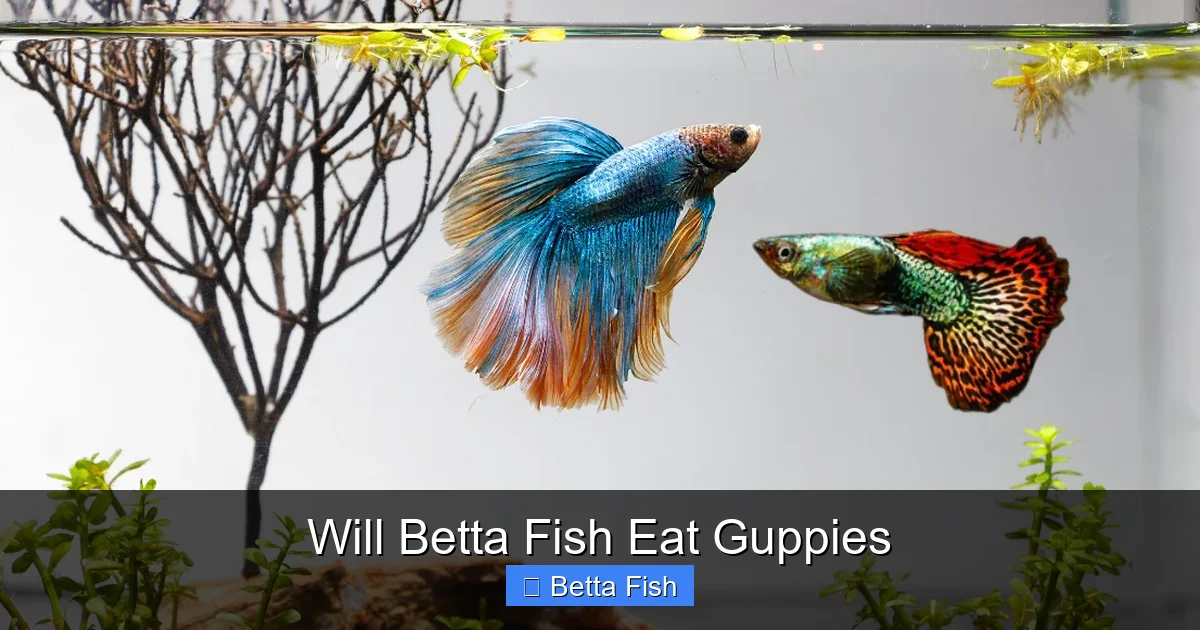
Betta fish can be aggressive, but whether they’ll eat guppies depends on size, temperament, and tank setup. By understanding their natural instincts and providing proper hiding spots, you can often keep bettas and guppies together safely.
Key Takeaways
- Size matters: Larger bettas are more likely to view small guppies as prey.
- Temperament varies: Not all bettas are aggressive; some coexist peacefully with guppies.
- Tank setup is crucial: Plenty of plants and decorations give guppies places to hide.
- Feeding habits influence behavior: A well‑fed betta is less likely to hunt.
- Monitor closely: Early observation can prevent loss of guppies.
- Alternative companions: Consider snails or shrimp if aggression persists.
- Research before adding: Each fish is an individual—read up on both species.
📑 Table of Contents
- Introduction: The Betta‑Guppy Question
- Understanding Betta Fish Behavior
- Guppies: Size, Speed, and Social Needs
- Can Betta Fish Eat Guppies? The Factors That Decide
- Step‑by‑Step Guide to a Successful Betta‑Guppy Community
- When Things Go Wrong: Signs of Predation and What to Do
- Alternative Tank Mates for Betta Fish
- Conclusion: Making an Informed Decision
Introduction: The Betta‑Guppy Question
If you’ve ever set up a community aquarium, you’ve probably wondered, “Will betta fish eat guppies?” The answer isn’t a simple yes or no. Betta fish (Betta splendens) are famous for their bright colors and flaring fins, but they also have a reputation for being territorial. Guppies (Poecilia reticulata), on the other hand, are small, active live‑bearers that love to dart around plants.
In this guide we’ll break down the science behind betta aggression, look at real‑world examples, and give you step‑by‑step tips to create a peaceful tank. By the end, you’ll know exactly when it’s safe to mix these two species and how to keep both happy and healthy.
Understanding Betta Fish Behavior
Natural instincts and feeding habits
Betta fish are surface‑feeders that evolved in shallow, slow‑moving waters of Thailand. Their diet in the wild consists of insects, larvae, and tiny crustaceans. This predatory instinct makes them quick to strike at anything that moves near the surface.
Because of this, bettas often see small, fast‑moving fish—like guppies—as potential snacks. However, a well‑fed betta that receives regular protein (e.g., high‑quality pellets, frozen bloodworms) is less likely to hunt. For more on what bettas eat, see our article What Will Betta Fish Eat.
Territorial nature
Male bettas are especially territorial. They defend a defined “bubble nest” area and will flare their fins at any intruder that enters their perceived space. This behavior can be triggered by the bright colors and flowing tails of guppies, especially during a guppy’s mating display.
Individual personality differences
Just like people, bettas have unique personalities. Some are laid‑back and will ignore tank mates, while others are “fighter” types that will chase anything that swims nearby. Observing your betta’s reaction to a mirror can give clues: a prolonged flare and aggressive posture suggest a higher likelihood of attacking guppies.
Guppies: Size, Speed, and Social Needs
Why guppies are popular community fish
Guppies are hardy, colorful, and reproduce quickly, making them a favorite for beginners. They thrive in groups of at least six, where their social hierarchy keeps stress low.
Size comparison
Adult male guppies typically reach 1.5–2 inches, while females are slightly larger. In contrast, a mature male betta can grow 2.5–3 inches long, with a larger, more imposing dorsal fin. When a betta is significantly larger, the risk of predation rises.
Escape abilities
Guppies are fast swimmers and love to zip through plant foliage. Providing dense planting and vertical structures gives them escape routes and reduces the chance of a betta catching them.
Can Betta Fish Eat Guppies? The Factors That Decide
Tank size and space
In a small 5‑gallon tank, there’s little room for a betta to establish a territory separate from guppies. Crowding increases stress and aggression. A minimum of 10 gallons, with ample décor, gives each fish its own zone.
Gender of the betta
Male bettas are more aggressive than females. If you’re set on a community tank, a female betta is often the safer choice. Female bettas still have beautiful fins but tend to be less territorial.
Number and size of guppies
Keeping a larger school of guppies (8–10) can dilute the attention a betta gives to any single individual. The “safety in numbers” effect makes it harder for the betta to target a specific guppy.
Feeding schedule
Feed the betta first, then the guppies. This reduces the betta’s hunger drive when the guppies are swimming nearby. Follow a consistent schedule—typically two small meals per day for bettas and multiple small feedings for guppies.
Environmental enrichment
Live plants, driftwood, and silk plants create visual barriers. These not only hide guppies but also give the betta places to explore without feeling threatened.
Step‑by‑Step Guide to a Successful Betta‑Guppy Community
1. Choose the right tank
Start with a 10‑gallon long aquarium. Add a sturdy lid—betas can jump.
2. Set up the substrate and décor
- Use fine sand or smooth gravel to protect delicate fins.
- Plant at least five live plants (e.g., Java fern, Anubias, Hornwort) to create cover.
- Include a few driftwood pieces and PVC pipes for hiding spots.
3. Cycle the tank
Run the filter for 4‑6 weeks, testing ammonia, nitrite, and nitrate levels. A stable nitrogen cycle prevents stress that could trigger aggression.
4. Introduce the betta first
Acclimate the betta slowly using the drip method. Let it explore the tank for 24‑48 hours before adding any other fish.
5. Add guppies in a group
Use a net to gently transfer a school of at least eight guppies. Release them near the plants, not directly in front of the betta.
6. Monitor behavior closely
Watch for signs of stress: faded colors, torn fins, or frantic swimming. If the betta shows persistent chasing, consider a divider or separate tanks.
7. Adjust feeding
Offer high‑protein betta pellets twice daily, followed by a pinch of frozen daphnia for the guppies. Over‑feeding can cloud water, so feed only what they can eat in 2‑3 minutes.
8. Perform regular water changes
Replace 25% of the water weekly to keep parameters stable. Test for pH (6.5–7.5) and temperature (78–80°F) regularly.
When Things Go Wrong: Signs of Predation and What to Do
Typical warning signs
- Missing or torn guppy fins.
- Guppies hiding constantly at the bottom.
- Betta flaring repeatedly after guppy introduction.
Immediate actions
1. Remove the betta temporarily using a clean container.
2. Increase plant density or add a mesh divider.
3. Re‑evaluate feeding—ensure the betta is fully satiated.
Long‑term solutions
If aggression persists, it may be best to house the species separately. Consider moving the betta to a solo tank and keeping guppies in a community setup with other peaceful fish.
Alternative Tank Mates for Betta Fish
If guppies prove too risky, there are other small, peaceful species that coexist well with bettas:
- Snails – They clean algae and are too slow to trigger aggression.
- Shrimp – Ghost shrimp or cherry shrimp can thrive if the betta isn’t a predator.
- Small Corydoras catfish – Their bottom‑dwelling habit keeps them out of the betta’s line of sight.
Conclusion: Making an Informed Decision
Will betta fish eat guppies? The short answer is: they can, but they don’t always. Success hinges on tank size, the betta’s temperament, the number and size of guppies, and how well you manage feeding and décor. By following the steps above and staying vigilant, many hobbyists enjoy a vibrant, mixed tank where both bettas and guppies thrive.
Remember, every fish is an individual. If you notice early signs of stress, act quickly to protect your guppies. And if you decide the betta‑guppy pairing isn’t for you, there are plenty of other peaceful companions that will share the spotlight.
Frequently Asked Questions
Will a betta fish always attack guppies?
No. Some bettas are calm and will ignore guppies, especially if the tank is spacious and well‑planted.
Can I keep a female betta with guppies?
Female bettas are generally less aggressive than males, making them a better match for guppies, though monitoring is still essential.
How many guppies should I keep with a betta?
At least six to eight guppies create a “safety in numbers” effect, reducing the chance of any single fish being targeted.
What should I feed to reduce a betta’s hunting instinct?
Provide a balanced diet of high‑protein betta pellets, occasional frozen or live foods, and feed twice daily to keep the betta satisfied.
Is it safe to add live plants for guppy hiding spots?
Yes. Live plants like Java moss and Anubias give guppies places to dart and hide, which can calm both species.
What if my betta still attacks despite a large tank?
Consider using a tank divider or moving the betta to a solo setup. Some bettas simply aren’t compatible with community living.