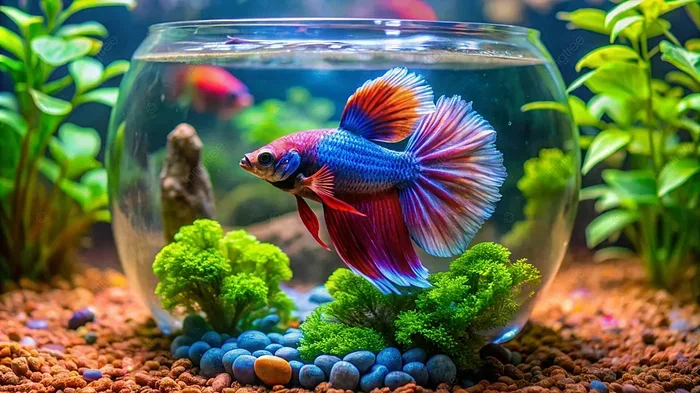
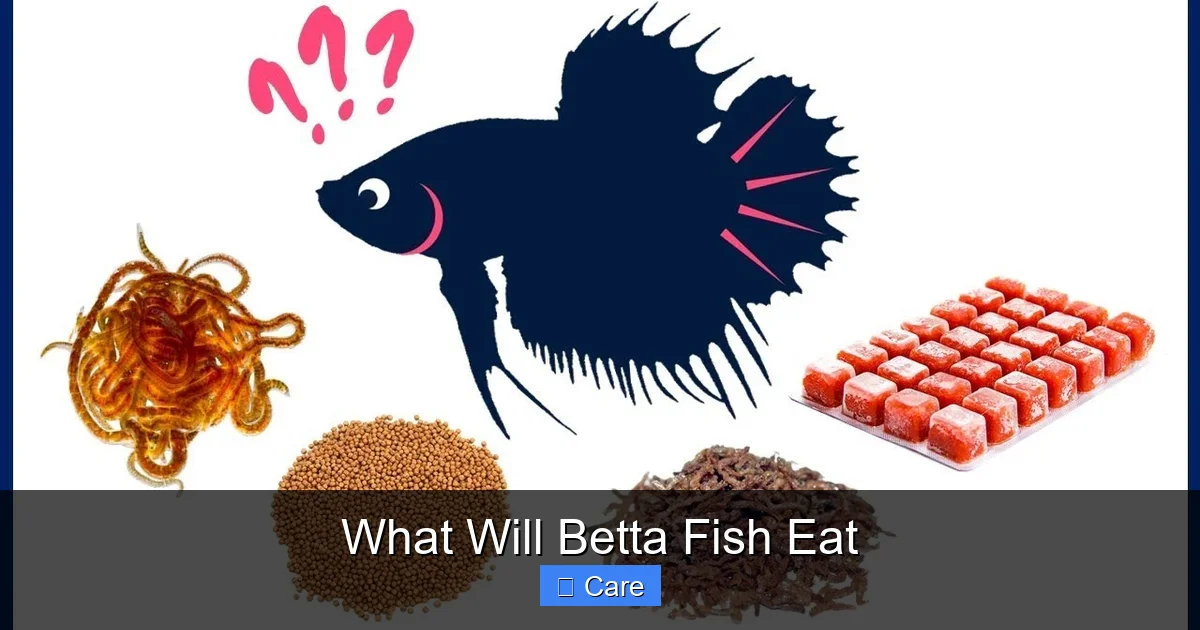
What Will Betta Fish Eat
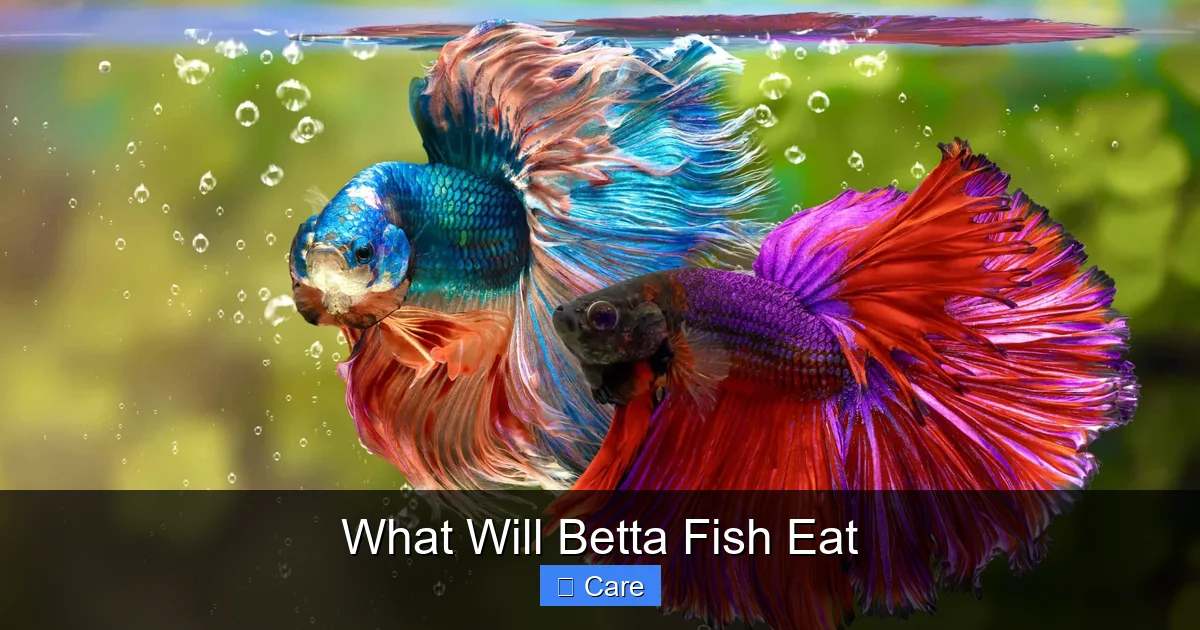
Betta fish are obligate carnivores, meaning their diet must be primarily meat-based. In the wild, they eat insects, larvae, and tiny crustaceans. In captivity, their diet should center on high-quality, protein-rich betta pellets as a staple, supplemented with occasional frozen or live foods like bloodworms or brine shrimp. Critical mistakes include overfeeding, offering plant-based foods, and using low-quality filler-filled pellets, which can lead to serious health issues like swim bladder disease and severe constipation. Proper feeding is non-negotiable for a vibrant, long-lived betta.
Key Takeaways
- Betta fish are strict carnivores: Their digestive systems are designed to process animal protein, not plant matter. A vegetable-based diet will cause malnutrition and health problems.
- High-quality betta pellets are the essential staple: Choose pellets with 40%+ protein from named animal sources (e.g., fish meal, shrimp meal) as the first few ingredients.
- Frozen and live foods are vital supplements: Foods like bloodworms, brine shrimp, and daphnia provide essential nutrients and enrichment, but should only be fed 2-3 times per week.
- Never overfeed: A betta’s stomach is the size of its eyeball. Feed only what they can consume in 2-3 minutes, typically 2-3 pellets per meal, once or twice daily.
- Avoid all human food and “vegetable” foods: Peas, lettuce, and fruit are inappropriate and harmful. They lack necessary nutrients and can cause dangerous bloating and digestive impaction.
- Soak dry pellets before feeding: This prevents them from swelling in the betta’s stomach, a common cause of constipation and swim bladder issues.
- Water quality is directly tied to diet: Uneaten food decays rapidly, fouling the water and creating toxic ammonia. Always remove all excess food after feeding.
[FEATURED_IMAGE_PLACEHOLDER]
📑 Table of Contents
- Understanding the Betta’s True Nature: The Obligate Carnivore
- The Foundation: Choosing the Perfect Betta Pellet
- Essential Supplements: Frozen & Live Foods
- The “Do Not Feed” List: Dangerous Foods for Betta Fish
- Feeding Schedule, Fasting, and Water Quality: The Holistic Approach
- Special Considerations: Fry, Sick Fish, and Enhancing Color
- Common Feeding Mistakes That Sabotage Your Betta’s Health
- Conclusion: Nutrition as the Cornerstone of Care
Understanding the Betta’s True Nature: The Obligate Carnivore
Before we dive into the specific foods, we must understand one fundamental truth that underpins everything about betta fish care: your betta is a carnivore. More specifically, it is an obligate carnivore. This isn’t a preference; it’s a biological necessity written in their digestive DNA. In the shallow, warm waters of Thailand’s rice paddies and slow-moving streams where they originate, wild bettas (or Siamese fighting fish) are surface-dwelling predators. Their diet consists almost exclusively of insects that land on the water’s surface, mosquito larvae, tiny crustaceans like Daphnia (water fleas), and the occasional small worm.
Their short, straight digestive tract is evolved for quickly breaking down and absorbing protein and fat from animal tissue. It is not equipped to ferment or break down cellulose from plant matter. Feeding a betta a vegetarian or herbivorous diet is like feeding a lion a salad—it simply cannot meet their nutritional needs and will slowly starve them of essential nutrients, leading to a host of preventable diseases. This core principle is the key to unlocking a healthy, vibrant, and long-lived companion. When you ask, “what will betta fish eat?” the most accurate answer is “what they are supposed to eat,” which is a meat-based diet.
The Foundation: Choosing the Perfect Betta Pellet
For the vast majority of betta keepers, a high-quality formulated betta pellet or granule should constitute 80-90% of your fish’s diet. It’s convenient, nutritionally balanced, and forms a stable base. However, not all pellets are created equal. The pet store shelf is filled with colorful, cheap options that are essentially fishy junk food, packed with fillers like wheat, soy, and potato starch that pass through a betta undigested.
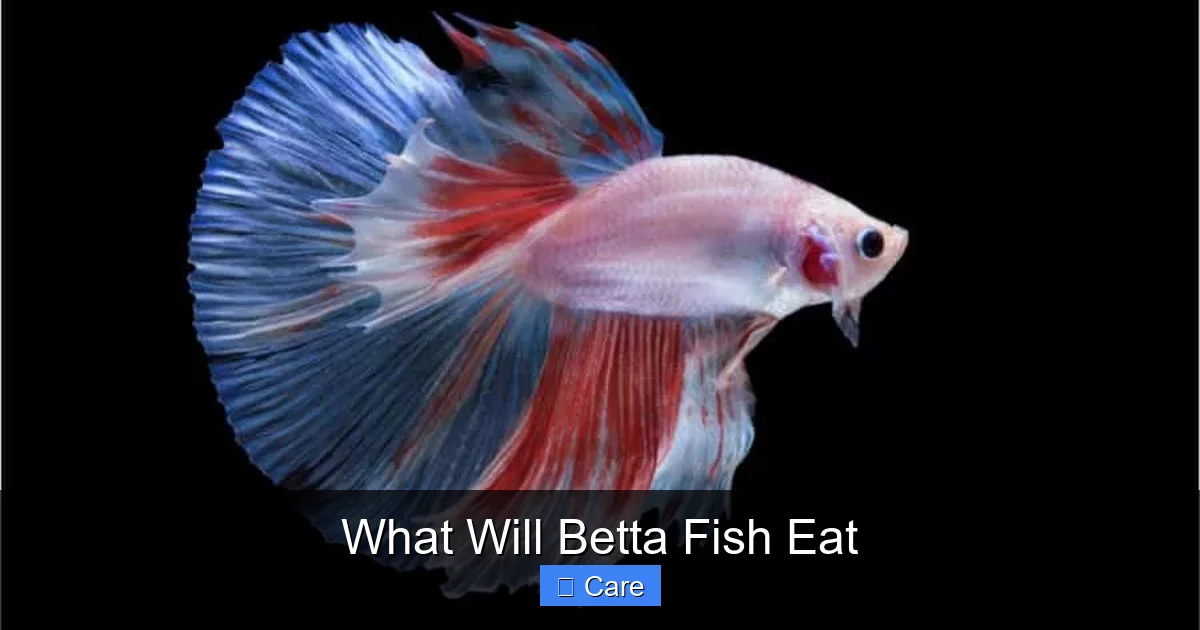
Visual guide about What Will Betta Fish Eat
Image source: ouraquariumlife.com
Decoding the Ingredient List: What to Look For
Turn the bag over and become an ingredient detective. The first three to five ingredients are the most important, as they are listed by weight.
- Prioritize Named Animal Proteins: Look for fish meal, shrimp meal, squid meal, krill meal, or bloodworms as the first ingredient. “Fish” or “meat” by-products are vague and lower quality.
- Aim for High Protein Content: The guaranteed analysis should list crude protein at 40% or higher. For a carnivore, protein is the building block of health.
- Avoid Fillers and Artificial Additives: Steer clear of pellets where wheat, corn, soy, or rice appear in the top ingredients. Also watch for excessive artificial colors and preservatives like BHA/BHT.
Brands like New Life Spectrum Betta Formula, Hikari Betta Bio-Gold, and Fluval Bug Bites are excellent examples that meet these criteria. They use high-quality, digestible proteins and often include beneficial supplements like astaxanthin (for color) and spirulina (in small, appropriate amounts for omnivorous minerals).
Practical Pellet Tips: Soaking and Portioning
Two simple habits can prevent the most common pellet-related ailments. First, always soak dry pellets in a small cup of tank water for 5-10 minutes before feeding. Dry pellets absorb water and expand in the betta’s stomach. Because their gut is so short, this expansion can cause immediate pressure, leading to constipation and, more severely, swim bladder disorder. Pre-soaking allows them to expand outside the fish.
Second, master portion control. A common myth is that bettas need a large meal. In reality, a betta’s stomach is approximately the size of its eyeball. For most adult bettas, this translates to 2-3 small pellets per feeding. If your pellets are larger, break them in half. Feed once or twice a day, every day. Consistency is more important than large, sporadic meals.
Essential Supplements: Frozen & Live Foods
While pellets provide a stable base, adding variety with frozen or live foods 2-3 times per week is crucial for optimal health. These foods mimic a natural diet more closely, offering different amino acid profiles, chitin (from exoskeletons) for digestion, and mental stimulation from the hunting process.
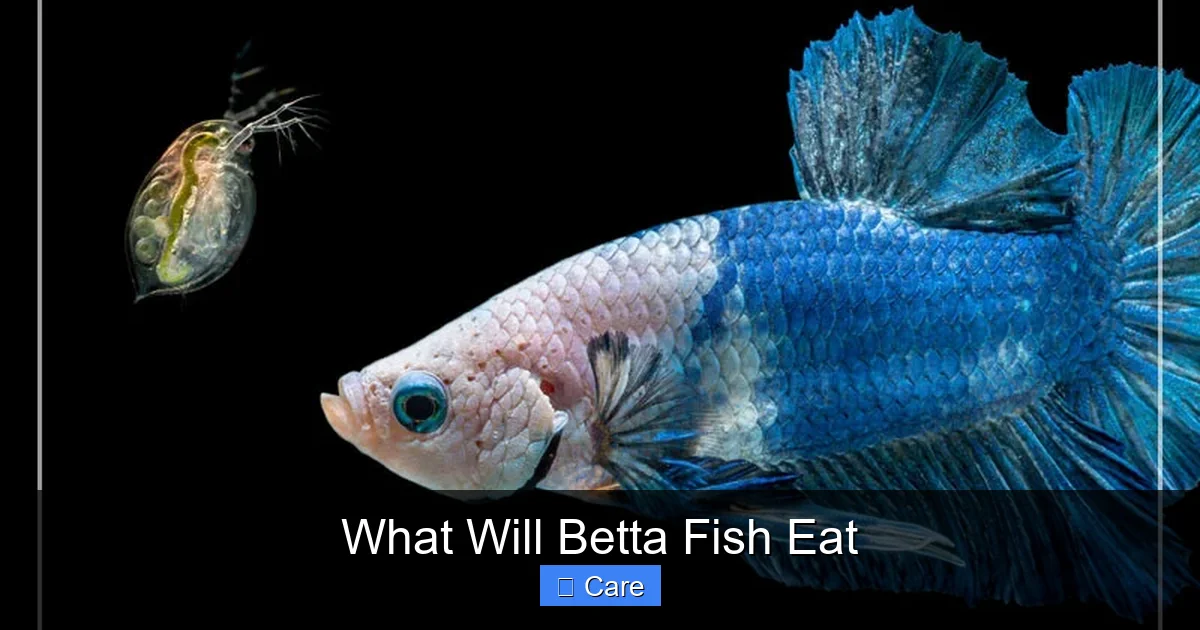
Visual guide about What Will Betta Fish Eat
Image source: smartaquariumguide.com
The Top Tier: Nutritious Frozen Options
Frozen foods are the safest and most recommended supplement. They are nutritionally intact, free from parasites (when purchased from reputable brands), and easy to store.
- Bloodworms (Chironomid Larvae): The classic betta treat. Rich in protein and iron. Use as a occasional treat (1-2 times/week) as they are very rich.
- Brine Shrimp (San Francisco Bay Brand is best): An excellent, easily digestible food. Opt for nauplii (babies) or decapsulated brine shrimp. Great for all ages, including fry.
- Daphnia (Water Fleas): Often called “nature’s probiotic.” High in protein and carotenoids, but also contains a significant amount of chitin, which acts as a natural laxative and helps clean the digestive tract. This is one of the best foods for preventing and treating constipation.
- Mysis Shrimp: A fantastic, protein-rich food with a hard exoskeleton that helps exercise the jaw and aids digestion.
Feeding Tip: Thaw a small cube of frozen food in a spoonful of tank water, then use a pipette or turkey baster to target-feed your betta. This prevents waste and ensures they get their share.
Live Foods: Proceed with Extreme Caution
Live foods offer unparalleled enrichment but carry significant risks. The primary danger is introducing parasites, bacteria, or pesticides into your pristine aquarium.
- Safe Live Options (If You Trust the Source): Cultured microworms, vinegar eels, or infusoria (for fry) are relatively safe if raised at home from clean cultures. Wild-caught live foods from ponds or unknown sources are a major gamble.
- The Major Risks: Mosquito larvae (if collected from untreated water) can carry pathogens. Tubifex worms are notorious for harboring deadly bacteria. The risk almost always outweighs the benefit for the average hobbyist.
- Recommendation: Stick to high-quality frozen foods from trusted brands like Hikari, San Francisco Bay Brand, or Ocean Nutrition. They provide 95% of the benefit with 0% of the parasite risk.
The “Do Not Feed” List: Dangerous Foods for Betta Fish
This section is critical. Well-meaning owners often harm their bettas by offering “healthy” human foods or following outdated advice. Here is the definitive list of what to never, ever put in your betta’s tank.
Visual guide about What Will Betta Fish Eat
Image source: i.ytimg.com
Plant-Based Foods (The Biggest Offenders)
The myth that bettas eat plants or algae is pervasive and damaging.
- Peas: This is the most common bad advice. Peas are used for constipation in herbivorous/omnivorous fish like goldfish. For a carnivore like a betta, the fiber and complex carbohydrates are indigestible, causing severe bloating and impaction. Do not use.
- Lettuce, Cucumber, Zucchini: These provide zero nutritional value for a betta. They will rot in the tank, fouling the water, and the betta will likely ignore them anyway.
- Fruit: Far too sugary and acidic. Can cause rapid fermentation in the gut and disastrous water quality.
Low-Quality & Inappropriate Commercial Foods
- Standard Tropical Fish Flakes: These are formulated for omnivores and contain high levels of plant fillers. Betta-specific flakes exist but are often less dense in nutrients than pellets and can be messy.
- Goldfish Food: Designed for a completely different digestive system. It is typically lower in protein and higher in carbohydrates, which is the opposite of what a betta needs.
- Bettamora or “Betta Bites” (some brands): Investigate the ingredients closely. Many are little more than colored wheat starch with a hint of fish flavor. They are not a suitable staple.
Other Absolute No-Nos
- Bread or Crackers: Will swell massively in the stomach and digestive tract, causing a fatal blockage.
- Raw Meat or Insects from Your Kitchen: Can carry bacteria (Salmonella, E. coli) and parasites. The fat content is also inappropriate.
- Feeder Fish (Goldfish, Minnows): Extremely risky for disease transmission. The stress and injury from the chase is also harmful. Never use.
Feeding Schedule, Fasting, and Water Quality: The Holistic Approach
Feeding is not an isolated act; it’s the centerpiece of your aquarium’s ecosystem. What and how you feed directly impacts your betta’s health and your tank’s water parameters.
A Sample Weekly Feeding Schedule
Consistency prevents digestive upset. Here is a model for a healthy adult betta:
- Monday: 2-3 soaked pellets (morning)
- Tuesday: 2-3 soaked pellets (morning) + a small portion of daphnia or brine shrimp (evening)
- Wednesday: 2-3 soaked pellets (morning)
- Thursday: 2-3 soaked pellets (morning)
- Friday: 2-3 soaked pellets (morning) + a small portion of bloodworms (evening)
- Saturday: 2-3 soaked pellets (morning)
- Sunday: FASTING DAY – No food. This gives the digestive system a complete rest, which is highly beneficial and helps prevent constipation and swim bladder issues.
Note: Adjust portions based on your individual betta’s size, age, and activity level. A younger, more active betta may need slightly more. An older, less active one may need less.
The Critical Link: Food and the Nitrogen Cycle
Every molecule of food that is not eaten or fully digested becomes waste. This waste (uneaten food and feces) breaks down into ammonia (NH3/NH4+), the first and most toxic stage of the nitrogen cycle. In a cycled tank, beneficial bacteria convert ammonia to nitrite and then to less toxic nitrate. However, an excess of decaying food can overwhelm this system.
This is why the “remove all uneaten food” rule is law. Use a net or turkey baster to remove any pellets or frozen food debris that your betta does not consume within 2-3 minutes. This single habit is one of the most powerful tools you have for maintaining pristine water quality, which is the single greatest factor in preventing disease. Poor water quality stresses the fish, suppresses its immune system, and makes it susceptible to illnesses like dropsy, fin rot, and velvet.
Special Considerations: Fry, Sick Fish, and Enhancing Color
Different life stages and health conditions require dietary adjustments.
Feeding Betta Fry (Babies)
Betta fry have tiny jaws and even tinier digestive systems. For the first 2-3 days of life, they live off their yolk sacs. After that, they need infusoria or commercial fry food. Within a week, they can graduate to newly hatched (decapsulated) brine shrimp nauplii. This should be their primary food for the first month, fed 3-4 times daily in tiny amounts. As they grow, you can gradually introduce finely crushed high-quality betta pellets.
Diet for a Sick or Constipated Betta
If you see signs of constipation (stringy feces, bloating, lethargy, difficulty swimming), the first step is a 24-48 hour fast. Then, offer a daphnia-only meal. The chitin in daphnia is a natural laxative. A second daphnia meal the next day usually resolves the issue. For persistent swim bladder problems, a longer fast (3-5 days) is often necessary, followed by a strict diet of only soaked pellets and daphnia for a week. If problems persist, water quality or a genetic issue may be the cause, not diet.
Boosting Color Through Nutrition
The vibrant reds, blues, and greens of a healthy betta come from pigments called carotenoids. The betta cannot produce these itself; it must get them from its food. Look for foods that specifically list color-enhancing ingredients:
- Astaxanthin: A powerful red pigment found in krill, shrimp, and algae. It’s the most effective for enhancing reds and oranges.
- Beta-Carotene: Converts to vitamin A and enhances yellow and orange hues. Found in spirulina and some algae.
- Spirulina: A cyanobacteria (blue-green algae) rich in protein, vitamins, and carotenoids. It boosts overall health and can enhance blues and greens.
Premium foods like New Life Spectrum Betta and Hikari Betta Bio-Gold contain these ingredients. Supplementing with frozen mysis shrimp or brine shrimp (which naturally contain carotenoids) a few times a week will also promote maximum color expression.
Common Feeding Mistakes That Sabotage Your Betta’s Health
Even with the right food, simple errors can lead to big problems. Let’s review the pitfalls.
Mistake 1: The “Just One More Pellet” Syndrome
Overfeeding is the #1 cause of betta health issues. It directly causes constipation, swim bladder disease, and rapidly fouls water. Remember: it is better to underfeed than overfeed. Bettas can easily go a few days without food without harm (in fact, it’s beneficial). They cannot, however, easily recover from a severe case of bloat or from living in toxic water caused by excess food.
Mistake 2: Believing They Need “Vegetable Matter”
This myth is stubborn. Bettas do not need, nor can they properly digest, peas, zucchini, or lettuce. The idea that they nibble on algae in the wild is a stretch; they might incidentally consume a tiny bit while hunting for insects, but it is not a dietary staple. Providing “veggies” is not natural and is actively harmful.
Mistake 3: Using Food as a Water Change Replacement
Some owners think that if they feed less, they don’t need to do water changes. This is dangerously false. Organic waste from food, combined with the betta’s own waste, creates nitrates that must be physically removed via water changes. A 25-50% weekly water change is non-negotiable, regardless of feeding amounts.
Mistake 4: Inconsistent Feeding Times
Feeding at wildly different times each day stresses the betta’s metabolism. They thrive on routine. Pick 1-2 times per day that work for you and stick to them.
Conclusion: Nutrition as the Cornerstone of Care
Answering “what will betta fish eat?” is more than listing foods; it’s about understanding the biological imperative of a carnivorous diet. Your betta’s radiant color, energetic personality, and years of life in your care are a direct reflection of the nutrition you provide. Build their diet on a foundation of high-protein, animal-based pellets, thoughtfully supplemented with frozen delicacies like daphnia and brine shrimp. Ruthlessly eliminate plant-based foods and low-quality fillers from the menu. Master the arts of portion control (soaked pellets, eyeball-sized meals) and impeccable water hygiene (remove all uneaten food). By respecting their true nature as meat-eating predators, you move beyond basic survival to provide the conditions for a truly thriving, spectacular betta fish. You are not just feeding a pet; you are fueling a masterpiece of evolution, one carefully chosen, properly fed meal at a time.
Frequently Asked Questions
Can betta fish eat human food?
No, betta fish should not eat human food. Their digestive systems are designed for animal protein, not carbohydrates, sugars, or plant fibers found in human foods like bread, fruit, or vegetables. These foods can cause severe bloating, constipation, and internal damage.
How often should I feed my betta fish?
Adult bettas should be fed once or twice daily, with one designated fasting day per week (e.g., no food on Sunday). Only feed what they can consume in 2-3 minutes, typically 2-3 pre-soaked pellets per meal. Fry require 3-4 small feedings daily.
What is the best staple food for a betta fish?
The best staple is a high-quality betta-specific pellet with 40%+ protein from named animal sources (e.g., fish meal, shrimp meal) as the first ingredients. Brands like New Life Spectrum Betta Formula and Hikari Betta Bio-Gold are excellent, nutritionally complete choices.
Is it okay to feed my betta only pellets?
While high-quality pellets can form a complete diet, supplementing 2-3 times per week with frozen foods like daphnia, brine shrimp, or bloodworms provides essential variety, enrichment, and additional nutrients that benefit long-term health and color.
Why is my betta fish bloated and not swimming right?
This is likely constipation or swim bladder disorder, most commonly caused by overfeeding, feeding unsoaked dry pellets, or feeding inappropriate foods like peas. Fast for 24-48 hours, then offer a small meal of daphnia. Ensure you are soaking all pellets before feeding and strictly portioning meals.
How long can a betta fish go without eating?
A healthy adult betta can easily go 5-7 days without food without harm. In fact, a weekly fasting day is beneficial for their digestive system. If your betta refuses food for more than a week, it is a sign of poor water quality, illness, or stress, and the tank’s parameters should be tested immediately.