Why Do Betta Fish Stay Still
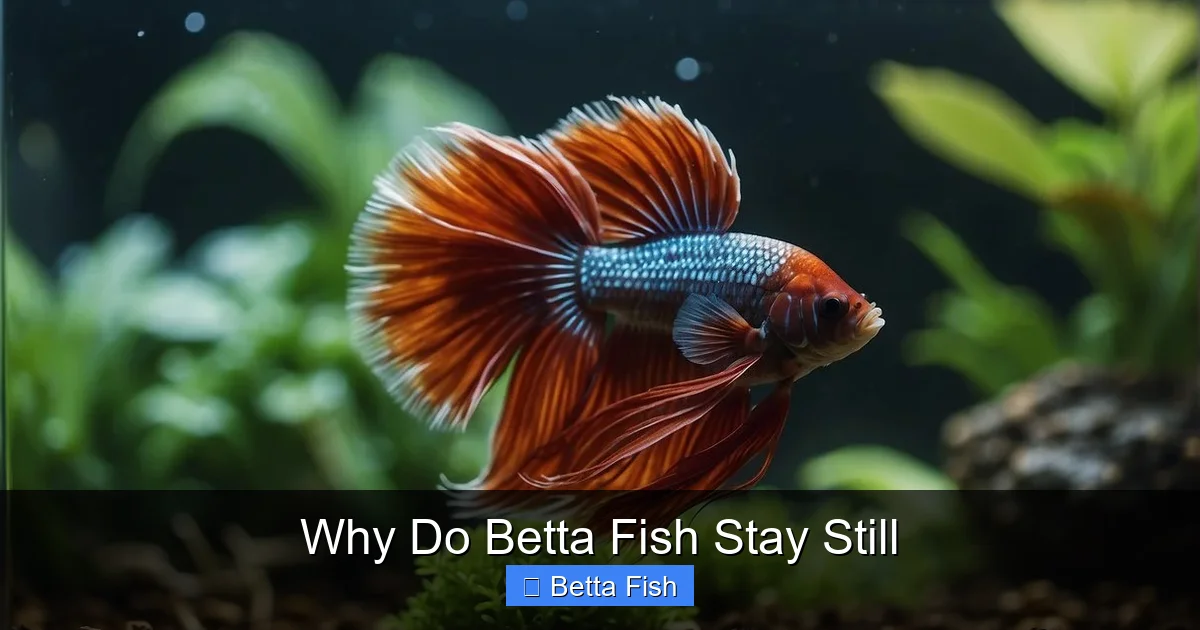
Betta fish may appear motionless for many reasons, from natural resting habits to stress or illness. Understanding these cues helps you spot problems early and create a thriving environment. Learn simple tips to encourage movement and keep your betta happy.
Key Takeaways
- Natural resting: Betta fish often pause to conserve energy, especially after feeding or during nighttime.
- Water quality matters: Poor parameters can make a betta lethargic or cause it to stay at the bottom.
- Temperature is key: Temperatures outside 76‑82°F (24‑28°C) can slow metabolism and reduce activity.
- Stress signals: Over‑crowding, aggressive tank mates, or frequent tapping can cause a betta to freeze.
- Health check: Spotting loss of color, fin rot, or swelling helps differentiate illness from normal behavior.
- Enrichment tips: Adding plants, toys, and varied feeding routines stimulates movement.
- When to act: If stillness lasts longer than a few hours or is paired with other symptoms, seek veterinary advice.
📑 Table of Contents
- Introduction: The Mystery of the Motionless Betta
- 1. Normal Resting Behavior
- 2. Water Quality and Temperature
- 3. Stress and Environmental Factors
- 4. Health Issues That Cause Lethargy
- 5. Encouraging Activity and Enrichment
- 6. Recognizing When Stillness Is a Warning Sign
- Conclusion: Turning Stillness into a Positive Indicator
Introduction: The Mystery of the Motionless Betta
If you’ve ever watched your betta fish hover motionless near the surface, you might wonder, “why do betta fish stay still?” It’s a common sight that can make any new keeper nervous. The truth is, a stationary betta isn’t always a sign of trouble. Sometimes it’s simply part of their natural routine, a way to rest, or a response to the environment.
In this article we’ll break down the most common reasons behind a still betta, how to tell a healthy pause from a red‑flag symptom, and what you can do to encourage a lively, curious fish. By the end, you’ll feel confident reading your betta’s body language and creating a tank that keeps it swimming, exploring, and showing off those brilliant colors.
1. Normal Resting Behavior
Why Betta Fish Need to Rest
Just like us, bettas need downtime. In the wild they spend part of the day hiding among plants or debris, conserving energy for bursts of activity like hunting or defending territory. In a home aquarium, this translates to short periods of stillness, especially after a meal.

Visual guide about Why Do Betta Fish Stay Still
Image source: inpetcare.com
Typical Resting Spots
- Surface float: Many bettas like to rest just below the water’s surface where they can gulp air from their labyrinth organ.
- Leaf or plant base: Flat leaves and broad‑leaf plants provide a safe perch.
- Tank glass: Some bettas press their bodies against the glass, especially if the tank is dimly lit.
If your betta’s stillness is brief (a few minutes to an hour) and it resumes normal swimming afterward, it’s usually just a rest.
2. Water Quality and Temperature
Temperature Too Low or Too High
Betta fish are tropical, thriving in water that stays between 76°F and 82°F (24°C‑28°C). When the water gets too cold, metabolism slows dramatically, and the fish may become lethargic, staying still for long periods. Conversely, water that’s too warm can cause stress, leading to similar behavior.

Visual guide about Why Do Betta Fish Stay Still
Image source: fishkeepingacademy.com
Ammonia, Nitrite, and Nitrate
Even a slight spike in ammonia or nitrite can make a betta feel ill. The fish may hover at the top, gulping air, or simply become motionless as it tries to conserve energy.
Testing and Adjusting
- Test water weekly with a reliable kit.
- Perform partial water changes (20‑30%) if any parameter is out of range.
- Use an aquarium heater with an adjustable thermostat to keep temperature stable.
Maintaining optimal water conditions is the single most effective way to prevent unnecessary stillness.
3. Stress and Environmental Factors
Over‑Stimulation
Betta fish are solitary by nature. A tank that’s too small, bright, or full of moving decorations can overwhelm them. Constant tapping on the glass or frequent handling also triggers a freeze response.

Visual guide about Why Do Betta Fish Stay Still
Image source: inpetcare.com
Tank Mates and Aggression
If you keep a community tank, aggressive or fast‑moving fish can make a betta feel unsafe, causing it to hide and stay still. For more on social dynamics, see our guide on why you can’t put two betta fish together.
Lighting
Bright, direct light can stress a betta. Opt for a gentle 10‑hour light cycle and consider using a dimmable LED or a floating plant to create shaded areas.
4. Health Issues That Cause Lethargy
Common Illnesses
When a betta stays still for an extended time (several hours to days) and shows other signs, illness might be the culprit. Look for:
- Faded or white patches – possible ich or fungal infection.
- Clamped fins – a sign of stress or disease.
- Rapid breathing or gulping at the surface – poor water quality or a swim bladder problem.
Swim Bladder Disorders
These affect buoyancy, making the fish float on its side or stay at the bottom. Feeding a low‑fat diet and avoiding over‑feeding can help.
When to Seek Help
If your betta is not eating, shows color loss, or the stillness is accompanied by frayed fins, consult a vet who specializes in fish. For more detailed signs of a dying betta, read how do you know if your betta fish is dying.
5. Encouraging Activity and Enrichment
Tank Layout
Provide vertical space and plants (live or silk). A tall tank (at least 5 gallons) gives your betta room to explore the water column.
Interactive Feeding
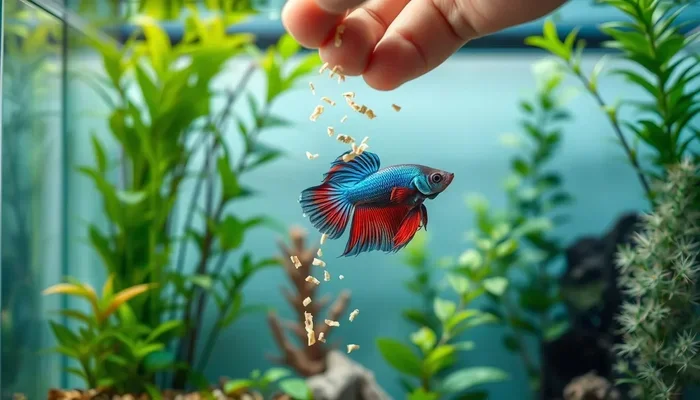
Use floating pellets, live foods, or a feeding wand to stimulate movement. Changing feeding spots once a week keeps curiosity high.
Toys and Mirrors
Small, smooth ornaments or a temporary mirror can trigger a betta’s natural curiosity and flaring response, prompting it to swim around.
Bubble Nest Observation
Male bettas often build bubble nests when they are comfortable. Watching this behavior is a good indicator that your fish is not just staying still out of stress. Learn more about bubble nests here.
6. Recognizing When Stillness Is a Warning Sign
Duration and Context
Short pauses after feeding are normal. However, if your betta remains motionless for longer than 12 hours, especially after a water change or temperature shift, investigate further.
Accompanying Symptoms
- Loss of color or white patches.
- Clamped or ragged fins.
- Labored breathing or frequent surfacing.
- Refusal to eat for more than two days.
Quick Action Checklist
- Test water parameters immediately.
- Check temperature and adjust if needed.
- Inspect for signs of disease (fungus, ich, fin rot).
- Perform a 25% water change with conditioned water.
- Offer a high‑protein, easily digestible food (e.g., brine shrimp).
If the betta shows no improvement within 24‑48 hours, seek professional advice.
Conclusion: Turning Stillness into a Positive Indicator
Seeing your betta fish stay still can be unsettling, but not every pause is a problem. By understanding normal resting patterns, maintaining pristine water, reducing stress, and watching for health red flags, you can quickly tell whether stillness is simply a breather or a cry for help. Implement the enrichment ideas above, keep a regular testing schedule, and you’ll enjoy a vibrant, active betta that dazzles you with its colors and personality.
Remember, a well‑cared‑for betta will have moments of stillness—just as we all need a break now and then. Use those moments to observe, learn, and fine‑tune your aquarium care routine. Happy fish‑keeping!
Frequently Asked Questions
Why does my betta fish stay at the top of the tank?
Betta fish often rest near the surface to access air for their labyrinth organ and to keep an eye on their environment. If it’s a short stay and the fish appears healthy, it’s normal.
Can low temperature cause a betta to stay still?
Yes. Water below 76°F (24°C) slows a betta’s metabolism, making it less active and more likely to hover motionlessly.
What should I do if my betta is not moving at all?
Test water quality, check temperature, look for signs of disease, perform a partial water change, and offer a tasty, easy‑to‑digest food. If there’s no improvement, consult a fish‑health professional.
Is it normal for a betta to stop making bubble nests?
Occasionally, especially if the male is stressed, ill, or the water conditions aren’t ideal. Improving water quality and temperature often restores nest‑building behavior.
How often should I change the water to keep my betta active?
A 20‑30% water change every week maintains good water quality and prevents the buildup of harmful compounds that can cause lethargy.
Do bettas need toys or decorations to stay active?
Yes. Providing plants, caves, and occasional mirrors gives them stimulation and encourages natural swimming and exploring behaviors.