Is Fresh Water Fish Better Than Saltwater
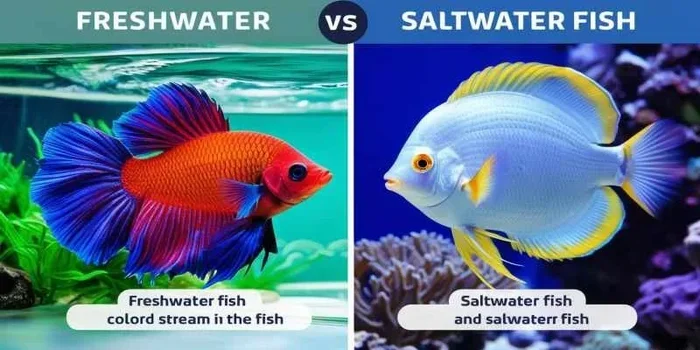
Many fish owners wonder if fresh water fish are better than saltwater fish for their aquarium. The answer depends on your experience level, budget, and the type of fish you want to keep. Freshwater setups are generally easier to maintain and more affordable, making them ideal for beginners. Saltwater tanks offer stunning coral and vibrant marine life but require more skill and investment.
When you walk into a fish store, the first choice you face is freshwater or saltwater. This decision shapes everything from your tank setup to your daily routine. Many new fish owners ask the same question: is fresh water fish better than saltwater? The truth is, both options have real strengths. Your best choice depends on your goals, budget, and how much time you can dedicate.
Freshwater fish are the go-to choice for most aquarium hobbyists. They are hardy, colorful, and easier to care for. Saltwater fish offer a reef-like experience with stunning marine life, but they demand more knowledge and equipment. In this guide, we break down everything you need to know to make the right call for your tank.
Key Takeaways
- Freshwater fish are easier to care for: They tolerate a wider range of water conditions and need less complex equipment.
- Saltwater tanks are more expensive: You need protein skimmers, live rock, and precise salinity monitoring.
- Freshwater setups are beginner-friendly: New aquarists can start with minimal experience and still succeed.
- Saltwater fish are more colorful: Marine species often display vivid colors and unique behaviors.
- Water chemistry matters for both: Each type requires specific pH, temperature, and salinity levels.
- Betta fish thrive in freshwater: They are natural freshwater fish and do not need salt in their tank.
- Your goals determine the best choice: Consider your budget, time, and experience before deciding.
📑 Table of Contents
- What Makes Fresh Water Fish Different From Saltwater Fish
- Why Fresh Water Fish Are Easier to Care For
- When Saltwater Fish Are Worth the Extra Effort
- Cost Comparison: Freshwater vs Saltwater
- Which Type Is Better for Beginners
- Common Mistakes to Avoid With Each Type
- Quick Tips for Choosing the Right Setup
- Final Thoughts
What Makes Fresh Water Fish Different From Saltwater Fish
The biggest difference between these two types of fish is the water they live in. Freshwater has low salt content, usually less than 0.5 parts per thousand. Saltwater contains about 35 parts per thousand of salt. This difference affects everything from fish biology to tank maintenance.
Freshwater fish have adapted to live in rivers, lakes, and streams. Their bodies handle water that is very low in minerals. Saltwater fish live in oceans and seas. Their bodies are built to manage high salt levels. This basic difference drives many of the care requirements for each type.
Osmoregulation: How Fish Handle Water Balance
Fish need to balance the water inside their bodies with the water around them. This process is called osmoregulation. Freshwater fish constantly absorb water through their skin and gills. They pee a lot to get rid of the extra water. Saltwater fish do the opposite. They lose water to the salty ocean and drink seawater to stay hydrated.
This means freshwater fish are generally more forgiving when water conditions change. Saltwater fish need very stable parameters to stay healthy. If you are new to fish keeping, this alone is a strong reason to start with a freshwater tank.
Why Fresh Water Fish Are Easier to Care For
One of the top reasons people choose freshwater setups is simplicity. You do not need expensive equipment or advanced knowledge to keep freshwater fish happy. Let us look at the main advantages.
Lower Equipment Costs
A basic freshwater tank costs much less than a saltwater setup. You need a tank, a filter, a heater, and some lights. That is it. Saltwater tanks often require protein skimmers, live rock, special lighting for coral, and precise salinity monitors. These extras add up fast.
More Room for Error
Freshwater fish are tough. They can handle small changes in temperature or pH better than most saltwater species. This gives new fish owners a wider safety net. You can make minor mistakes and still keep your fish healthy.
Easier Water Changes
Doing water changes in a freshwater tank is straightforward. You swap out old water with treated tap water or conditioned water. Saltwater tanks require you to mix saltwater yourself and check the salinity every time. This extra step takes time and practice.
Wider Variety of Fish
There are thousands of freshwater species available. From bettas to tetras to cichlids, the options are huge. Many of these fish are colorful and full of personality. If you love watching fish, freshwater gives you plenty to choose from.
When Saltwater Fish Are Worth the Extra Effort
Saltwater tanks are not just harder. They also offer something freshwater tanks cannot. The colors, the coral, and the marine life create a truly stunning underwater world. Many hobbyists say once they see a healthy saltwater tank, they are hooked.
Stunning Visual Appeal
Saltwater fish are some of the most beautiful creatures in the aquarium world. Clownfish, angelfish, and tangs display bright blues, yellows, and purples. Add in live coral and the tank becomes a living piece of art. If visual impact matters most to you, saltwater is hard to beat.
A More Natural Ecosystem
Saltwater tanks can mimic real ocean ecosystems. You can create a mini reef with corals, invertebrates, and marine fish. Watching this tiny ecosystem work is fascinating. It feels like you have a window into the ocean right in your home.
Challenging and Rewarding
Experienced fish keepers often choose saltwater because it pushes their skills. Maintaining a saltwater tank teaches you a lot about water chemistry and biology. The sense of accomplishment when your reef tank thrives is unmatched.
Cost Comparison: Freshwater vs Saltwater
Money is a big factor when choosing between freshwater and saltwater. Let us break down the costs so you can plan your budget.
| Item | Freshwater Tank | Saltwater Tank |
|---|---|---|
| Basic Tank Setup | $50 – $150 | $200 – $500 |
| Equipment (filter, heater, lights) | $30 – $80 | $100 – $300 |
| Monthly Supplies | $10 – $25 | $25 – $75 |
| Fish and Livestock | $5 – $30 per fish | $15 – $60 per fish |
| Maintenance Level | Low to Medium | Medium to High |
As you can see, freshwater is the clear winner on cost. Saltwater tanks require more upfront investment and ongoing expenses. If you are on a tight budget, freshwater is the smart place to start.
Which Type Is Better for Beginners
If you have never kept fish before, start with freshwater. The learning curve is much gentler. You can focus on understanding basics like cycling, water testing, and feeding without worrying about salinity levels.
Many experts recommend starting with a simple freshwater community tank. You can learn how to keep water clean, how to spot early signs of illness, and how to create a healthy environment. Once you feel confident, you can always upgrade to saltwater later.
For betta fish owners, freshwater is the only option. Betta fish are freshwater fish by nature. They live in warm, slow-moving freshwater streams and rice paddies in Southeast Asia. You should never put a betta in saltwater unless specifically advised by a vet for a short treatment period. If you want to learn more about betta habitats, check out our guide on are betta fish fresh water fish for detailed information.
Similarly, if you are curious about where bettas naturally live, you may wonder are male betta fish fresh water or salt water. The answer is always freshwater. Male bettas need warm, clean freshwater to thrive.
Common Mistakes to Avoid With Each Type
Whether you choose freshwater or saltwater, mistakes happen. Here are the most common ones and how to avoid them.
Freshwater Mistakes
- Overfeeding: This pollutes the water fast and can make your fish sick. Feed small amounts once or twice a day.
- Skipping water changes: Even with a filter, you need regular water changes to remove toxins. Aim for 25% weekly.
- Overcrowding the tank: Too many fish create too much waste. Research how much space each species needs before buying.
- Ignoring water temperature: Most freshwater tropical fish need stable temperatures between 75 and 80 degrees Fahrenheit.
Saltwater Mistakes
- Not cycling the tank first: Saltwater tanks need a full cycle before adding any fish. This can take 4 to 6 weeks.
- Wrong salinity levels: Even small changes in salt concentration can stress or kill marine fish. Test your salinity regularly.
- Buying cheap equipment: Saltwater setups need reliable heaters, protein skimmers, and test kits. Cutting corners here leads to problems.
- Adding fish too quickly: Introduce new marine fish slowly. Give your tank time to adjust to each new addition.
Quick Tips for Choosing the Right Setup
Still not sure which path to take? Here are some quick tips to help you decide.
- Start with freshwater if you are a beginner or on a budget.
- Choose saltwater if you have experience and want a visually stunning reef tank.
- Consider your time commitment. Freshwater needs less daily attention. Saltwater requires more frequent testing and maintenance.
- Think about your goals. Want colorful community fish? Go freshwater. Want a coral reef display? Go saltwater.
- Research your fish. Some species only thrive in one type of water. Always check the needs of any fish before buying.
One thing many beginners overlook is the importance of water source quality. If you use tap water, make sure you condition it properly to remove chlorine and chloramine. Some fish are sensitive to even trace amounts of these chemicals. If you ever wonder about using natural water sources, check out our article on can fresh creek water hurt a betta fish to understand how wild water can affect your pets.
Remember, the best fish setup is the one that fits your life. There is no universal winner between freshwater and saltwater. Both types offer incredible experiences and beautiful creatures. Choose the one that matches your skill level, budget, and passion.
For a deeper dive into the freshwater vs saltwater debate, we also have a detailed comparison article you can read. Visit our page on which is better freshwater or saltwater fish to explore the topic further.
Final Thoughts
So, is fresh water fish better than saltwater? The honest answer is both have their place. Freshwater fish are easier, cheaper, and perfect for beginners. Saltwater fish are more challenging but offer a breathtaking underwater experience. You cannot go wrong with either choice if you do your research and commit to proper care.
Start where you are comfortable. Learn as you go. The most important thing is that you enjoy the process of building and maintaining your aquarium. Whether you choose freshwater or saltwater, the joy of watching your fish thrive is the same.
Take your time, plan your setup carefully, and most importantly, have fun. Your new fish tank will bring life and calm to your home for years to come.
Frequently Asked Questions
Are freshwater fish easier to keep than saltwater fish?
Yes, freshwater fish are generally much easier to care for. They tolerate changes in water conditions better and need less expensive equipment. This makes them ideal for beginners who are just starting out in the aquarium hobby.
Can you keep betta fish in saltwater?
No, betta fish are freshwater fish and should not be kept in saltwater. Their bodies are not adapted to handle high salt levels. Keeping a betta in saltwater can cause serious health problems and stress.
Which is more expensive, freshwater or saltwater aquariums?
Saltwater aquariums are significantly more expensive. You need specialized equipment like protein skimmers, live rock, and coral lighting. The fish themselves also cost more than most freshwater species.
Do saltwater fish have better colors than freshwater fish?
Many saltwater fish display incredibly vivid colors, especially species like clownfish, tangs, and angelfish. However, there are also many brightly colored freshwater fish like tetras, guppies, and cichlids that rival saltwater beauty.
How long does it take to cycle a saltwater tank?
A saltwater tank typically takes 4 to 6 weeks to cycle properly. This process builds beneficial bacteria that convert harmful toxins. Rushing this step can lead to fish loss and tank instability.
Can I switch from a freshwater tank to a saltwater tank later?
Yes, many hobbyists start with freshwater and eventually upgrade to saltwater. The skills you learn in freshwater care transfer directly to saltwater. You will just need to invest in additional equipment and learn about marine-specific requirements.