Why Won’t My New Betta Fish Eat

Wondering why your new betta fish won’t eat? Stress, water issues, or the wrong food are common culprits. This guide walks you through the top reasons and easy steps to get your finned friend feeding again. Read on for practical tips you can try today.
Key Takeaways
- Stress is a major factor: New tanks, loud environments, and aggressive tank mates can make a betta refuse food.
- Water quality matters: Bad parameters, chlorine, or temperature swings quickly turn off a betta’s appetite.
- Food type and presentation: Live or frozen foods often entice picky bettas more than dry pellets.
- Health signs: Look for white spots, faded colors, or floating behavior as clues to an underlying illness.
- Acclimation tricks: Slow water changes and dim lighting help a new betta feel safe enough to eat.
- Patience pays off: It can take 24‑48 hours for a stressed betta to start feeding again.
- When to seek help: If no improvement after a few days, consult a vet or experienced hobbyist.
📑 Table of Contents
Introduction
Bringing home a bright, flowing‑fin betta is exciting. You set up the tank, add the perfect water, and then… nothing. Your new betta fish won’t eat. It’s a common, frustrating scenario that can make any beginner wonder if they did something wrong.
This article is like a friendly chat over coffee. We’ll explore the most common reasons a new betta refuses food, show you how to spot hidden health problems, and give you step‑by‑step fixes that are easy to try. By the end, you’ll feel confident that your betta can enjoy a healthy diet and a happy life.
1. Stress – The Silent Appetite Killer
Why a new environment can shut down feeding
Betta fish are solitary by nature. When you move them from a pet store or a breeder’s tank to yours, they experience a sudden change in water chemistry, temperature, and visual surroundings. This shock can trigger a stress response that suppresses appetite.
Common stress triggers
- Loud noises or vibrations: TV speakers, foot traffic, or a nearby aquarium pump can be unsettling.
- Too much light: Bright aquarium lights for long periods make a betta feel exposed.
- Incompatible tank mates: Even a peaceful snail can be intimidating if the betta senses competition.
- Rapid water changes: Swapping out a large volume of water at once can be disorienting.
How to calm your betta
Give your new fish a quiet, dimly lit corner. Use a small tank cover to block external movement, and keep the room temperature stable. A gentle, gradual water change (about 10‑15 % each day) helps the fish adjust without overwhelming its senses.
2. Water Quality – The Foundation of Appetite
Key parameters to check
Betta fish are sensitive to ammonia, nitrite, and pH swings. Even a slight rise in ammonia (above 0 ppm) can make them lose interest in food.
- Temperature: Keep the water between 76‑82 °F (24‑28 °C). Too cold slows metabolism; too hot stresses the fish.
- pH: Aim for 6.5‑7.5. Sudden changes can irritate gills.
- Hardness: Soft water (4‑8 dGH) is ideal for most bettas.
Testing and fixing water issues
Invest in a simple test kit. If ammonia or nitrite spikes, perform a 25 % water change with conditioned water. Use a water conditioner that removes chlorine and chloramine—these chemicals are deadly to bettas and can also suppress appetite.
Internal link example
For a deeper dive into water‑related feeding problems, see our article on why did my betta fish stop eating.
3. Food Choice – Not All Meals Are Equal
Understanding betta preferences
In the wild, bettas hunt tiny insects and larvae. In captivity, many will ignore dry pellets but eagerly snap up live or frozen foods like brine shrimp, daphnia, or bloodworms.
How to present food
- Live foods: Rinse brine shrimp before offering. The movement triggers the betta’s predatory instinct.
- Frozen foods: Thaw slightly and place a small pinch at the water surface.
- Pellets: Soak them for a few seconds to soften; this makes them easier to swallow.
Feeding schedule
Offer a tiny amount 2‑3 times a day. Remove any uneaten food after five minutes to keep water quality high.
4. Health Issues That Mimic Poor Appetite
Spotting early warning signs
Sometimes a betta won’t eat because it’s ill. Look for these clues:
- Faded or white‑striped coloration
- Clamped fins or floating sideways
- Rapid breathing or gasping at the surface
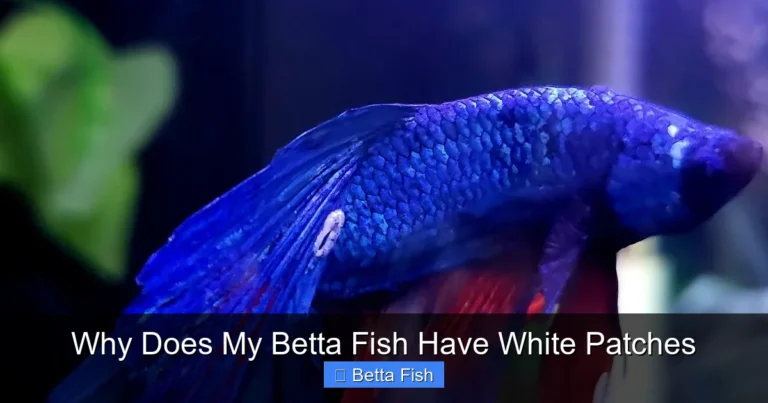
- White spots, cotton‑like growth, or torn fins
Common illnesses
Fin rot, velvet disease, and internal parasites can all reduce appetite. If you notice any of the above signs, isolate the fish and treat with appropriate medication.
Helpful resource
Read more about why my betta fish isn’t eating in our guide why is my betta fish not eating, which covers symptoms and treatment options.
5. Acclimation Techniques – Helping Your Betta Feel at Home
Slow water temperature matching
When you first bring the betta home, float the sealed bag in the tank for 15‑20 minutes. This equalizes temperature and reduces shock.
Gradual introduction to the tank
After the bag floats, pour a small amount of tank water into the bag every 5 minutes for about 30 minutes. Then gently release the betta into the tank using a net.
Creating a comforting environment
Use a dark background, add a few live plants, and keep the décor minimal. A simple setup reduces hiding spots that can make a betta feel insecure.
6. When to Seek Professional Help
Timeframe for improvement
If your betta hasn’t shown any interest in food after 48‑72 hours despite optimal water conditions and low stress, it’s time to act.
What to do next
- Check water parameters again; even a small ammonia rise can be fatal.
- Try a different food type—sometimes a new texture re‑stimulates appetite.
- Consult a vet who specializes in fish or reach out to an experienced betta hobbyist.
Further reading
For a complete checklist on troubleshooting feeding problems, visit our article on why did my betta fish stop eating.
Conclusion
Seeing a brand‑new betta refuse food can feel alarming, but most cases have simple explanations. By managing stress, maintaining pristine water, offering the right food, and watching for health signs, you can coax your betta back to eating within a day or two. Remember, patience and observation are your best tools. Keep the tank stable, provide a calm environment, and soon your vibrant betta will be snapping up meals and showing off those spectacular fins.
Frequently Asked Questions
Why is my new betta fish not eating after a few days?
Most likely the fish is stressed from the new environment or the water parameters are off. Check temperature, pH, and ammonia levels, and give the betta a quiet, dimly lit spot.
Can the type of food affect a betta’s appetite?
Yes. Betta fish often prefer live or frozen foods over dry pellets. Offering brine shrimp or daphnia can stimulate a reluctant eater.
How long should I wait before treating a betta that won’t eat?
If there is no improvement after 48‑72 hours despite optimal water conditions and proper food, consider consulting a vet or using a mild antibacterial treatment.
Is a cloudy tank a reason my betta won’t eat?
Cloudy water often indicates high ammonia or bacterial bloom, both of which can stress a betta and suppress its appetite. Perform a partial water change and test the water.
Do bettas need a specific feeding schedule?
Feeding 2‑3 small meals per day works best. Overfeeding can pollute the water, while underfeeding may lead to starvation.
What signs show that my betta’s lack of appetite is due to illness?
Look for faded colors, white spots, clamped fins, or abnormal swimming. These symptoms suggest disease and require prompt treatment.