Why Would a Betta Fish Die
Betta fish are beautiful but fragile companions. Understanding why would a betta fish die helps you spot problems early and prevent loss. This guide breaks down the top causes and offers easy, practical fixes.
Key Takeaways
- Water quality matters most: Poor parameters cause stress and disease.
- Temperature control is vital: Betta thrive at 76‑82°F (24‑28°C).
- Feeding right prevents constipation and swim‑bladder issues: Over‑ or under‑feeding are common killers.
- Tank size and décor affect health: Too small or crowded tanks increase aggression and waste.
- Watch for signs of illness: Early detection can save a dying betta.
- Regular maintenance saves lives: Weekly water changes and filter checks are essential.
- Stress reduction is key: Loud environments, sudden moves, and aggressive tank mates can be fatal.
📑 Table of Contents
Introduction
Betta fish, also called Siamese fighting fish, are a favorite for beginners because of their vivid colors and easy care. Yet many owners wonder, “why would a betta fish die?” The answer is rarely a single factor. More often, a chain of small mistakes creates a perfect storm that overwhelms a delicate betta.
In this friendly, step‑by‑step guide we’ll explore the most common reasons your betta might meet an early end, how to spot warning signs, and what you can do today to give your fish the longest, healthiest life possible.
1. Water Quality – The Silent Killer
Ammonia, Nitrite, and Nitrate
Even a tiny spike in ammonia or nitrite can be lethal. Betta fish are especially sensitive because they breathe surface air with a labyrinth organ, so any irritation in the gills makes oxygen uptake difficult.
- Ammonia (NH₃): Comes from fish waste and uneaten food. Levels above 0 ppm can cause gill damage.
- Nitrite (NO₂⁻): Forms during the nitrogen cycle. Even 0.5 ppm can turn a betta’s skin pale.
- Nitrate (NO₃⁻): Less toxic but builds up over time; keep under 20 ppm.
Test your water weekly with a reliable kit. If you see any spikes, perform a 25‑30 % water change immediately.
pH and Hardness
Betta fish prefer slightly acidic to neutral water (pH 6.5‑7.5). Sudden shifts can stress them, making disease more likely. Use a pH buffer if your tap water is too hard or too soft.
Practical Tip
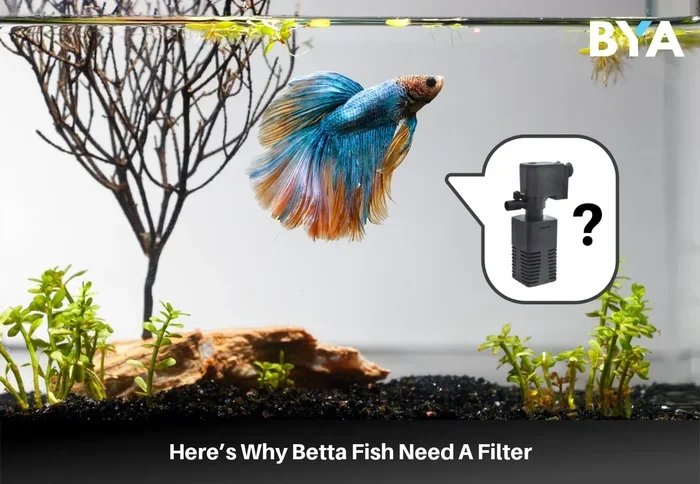
Invest in a small hang‑on filter or a gentle sponge filter. Even a low‑flow system helps keep ammonia down without creating strong currents that bettas dislike.
2. Temperature Troubles
Ideal Range
Betta fish are tropical; their comfort zone is 76‑82°F (24‑28°C). Temperatures below 72°F slow metabolism, reduce immune response, and can lead to “cold shock.” Over 86°F speeds up metabolism, causing rapid waste production and oxygen depletion.
How to Maintain Stable Heat
- Use an aquarium heater rated for your tank size.
- Check the heater daily with a reliable thermometer.
- Place the tank away from drafts, windows, and direct sunlight.
Real‑World Example
Emma kept her betta in a 2‑gallon bowl on a windowsill. In winter, the water dropped to 68°F and her fish became lethargic before dying within a week. A simple heater would have prevented the loss.
3. Feeding Mistakes
Over‑Feeding
Betta fish have small stomachs. Feeding more than they can eat in two minutes each day leads to uneaten food sinking, raising ammonia levels, and causing constipation.
Under‑Feeding
Skipping meals for several days depletes energy reserves, weakens the immune system, and can trigger fin rot.
Best Feeding Routine
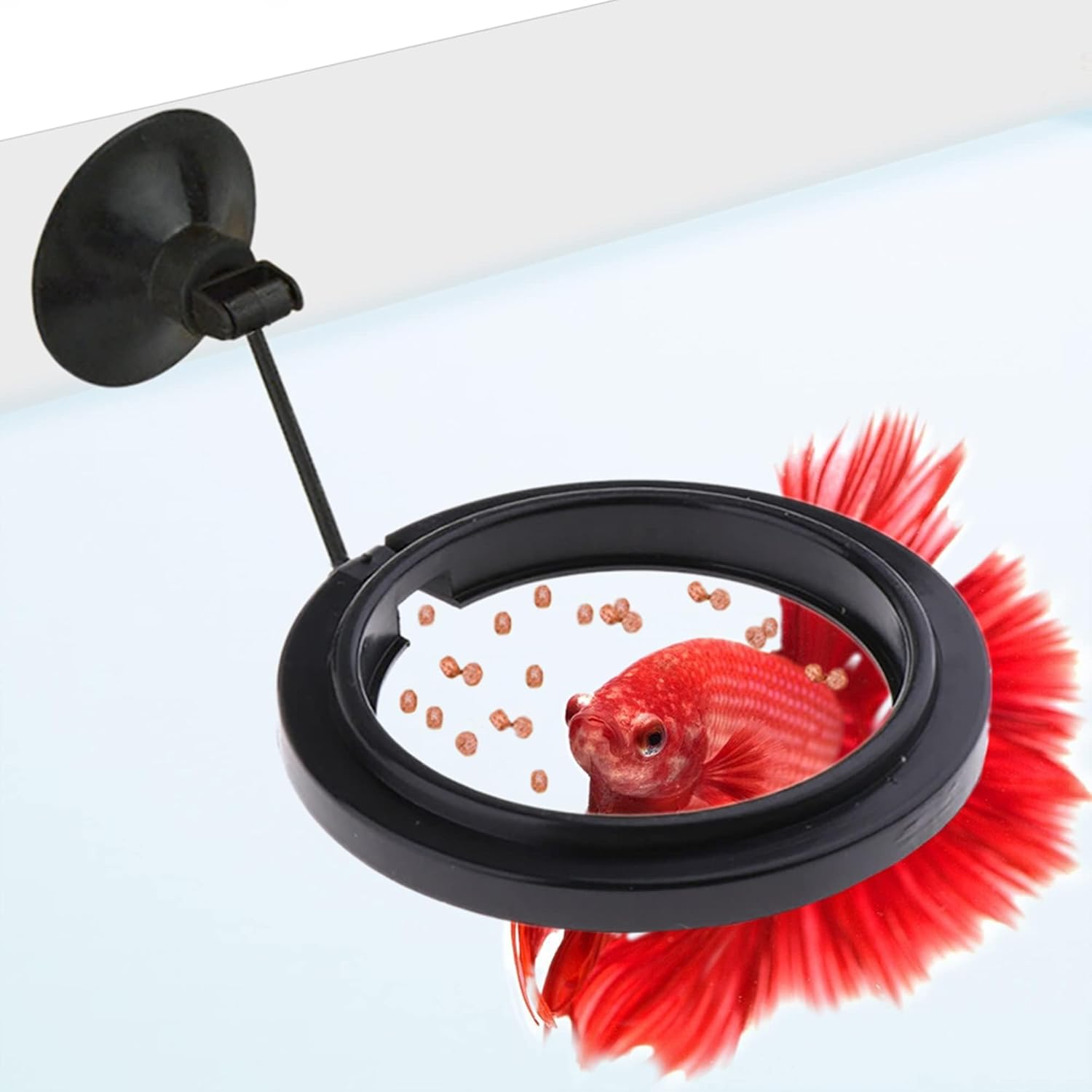
- Offer 2‑3 tiny pellets once or twice daily.
- Supplement with occasional frozen or live foods (brine shrimp, daphnia) for variety.
- Remove any leftovers after 5 minutes.
Link to Related Content
For more on proper nutrition, see our guide on how often should u feed a betta fish.
4. Tank Size, Décor, and Compatibility
Why a Small Bowl Is Not Enough
Many beginners start with a 1‑gallon bowl, believing bettas can survive in tiny spaces. In reality, a bowl cannot maintain stable water parameters, leading to rapid toxin buildup.
Recommended Minimum
At least 5 gallons for a single betta. This gives enough water volume to dilute waste and provides space for plants or decorations that mimic a natural habitat.
Hazardous Décor
- Sharp ornaments can tear fins.
- Silk plants may harbor bacteria.
- Heavy rocks can crush the tank if not secured.
Tank Mates
Betta fish can coexist with peaceful, non‑fin‑nipping species like small rasboras or certain shrimp. Avoid aggressive or fin‑nipping fish such as guppies or tetras.
Helpful Reading
Learn why a betta can live in a bowl (and why you shouldn’t rely on it) in our article why can betta fish live in a bowl.
5. Disease and Parasites
Common Illnesses
- Fin rot: White, frayed edges; caused by bacterial infection from poor water.
- Ich (white spot disease): Tiny white dots; spreads quickly in stressed fish.
- Velvet: Gold‑brown dusting; indicates protozoan infection.
- Swim‑bladder disorder: Floatation problems; often linked to over‑feeding.
Early Detection
Look for loss of appetite, faded colors, clamped fins, or abnormal swimming. If you notice any of these signs, act fast with a water change and appropriate medication.
When a Betta Is About to Die
Signs include gasping at the surface, a bloated abdomen, or a completely limp body. In such cases, humane euthanasia may be the kindest option.
Further Reading
Read more about sudden deaths in why did my betta fish die all of a sudden.
6. Stress Factors
Noise and Vibration
Betta fish have sensitive lateral lines. Loud music, vacuum cleaners, or frequent tapping on the tank can cause chronic stress.
Frequent Relocation
Moving a betta from one tank to another without proper acclimation can shock its system. Use the drip method to gradually adjust water parameters.
Improper Lighting
Too much direct light encourages algae growth and raises water temperature. Provide a 10‑hour light cycle with a timer.
Quick Stress‑Relief Tips
- Cover the tank partially to reduce visual stress.
- Provide plenty of hiding spots using live plants or smooth rocks.
- Maintain a consistent routine for feeding and water changes.
Conclusion
Understanding “why would a betta fish die” is the first step toward keeping your finned companion thriving. By monitoring water quality, maintaining stable temperature, feeding correctly, providing adequate space, and watching for disease, you dramatically lower the risk of a sudden loss.
Remember, bettas are resilient when cared for properly. A little attention to the basics—clean water, proper heat, and a balanced diet—goes a long way. Keep an eye on your fish’s behavior, act quickly when something seems off, and you’ll enjoy a vibrant, healthy betta for years to come.
Frequently Asked Questions
Why did my betta fish die so quickly?
Rapid deaths are often caused by severe water quality issues, such as a sudden ammonia spike, or a drastic temperature change. Fixing the water parameters and providing a stable environment can prevent this.
Can a betta survive in a bowl?
While bettas can live in a bowl temporarily, the lack of filtration and stable temperature makes it unsafe for long‑term health. A minimum 5‑gallon tank is recommended.
What are the signs that a betta is dying?
Look for gasping at the surface, loss of color, clamped fins, bloating, or a limp body. Early detection of these signs can allow you to intervene before it’s too late.
How often should I change the water?
Change 25‑30 % of the water weekly for a 5‑gallon tank. For smaller setups, increase the frequency to every 2‑3 days to keep parameters stable.
Is over‑feeding a common cause of death?
Yes. Over‑feeding leads to excess waste, higher ammonia, and constipation, all of which can be fatal if not addressed promptly.
What temperature should my betta’s water be?
Maintain the water between 76‑82°F (24‑28°C). Use a reliable aquarium heater and thermometer to keep the temperature steady.